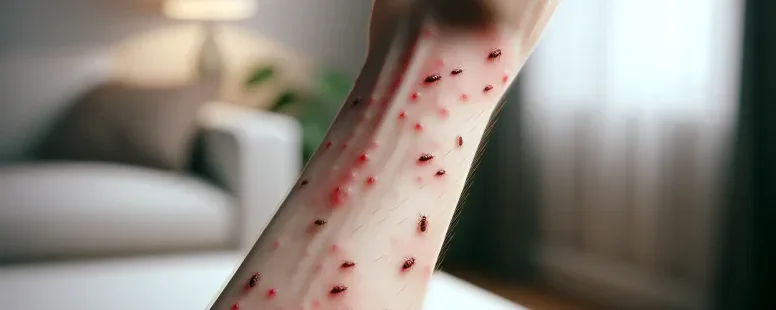
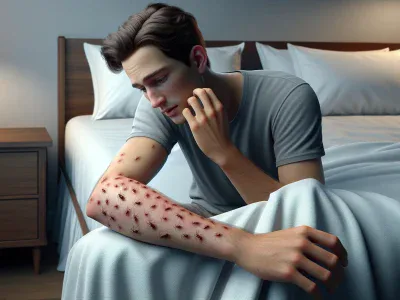
Picture waking up with itchy red welts scattered across your skin—the kind that burn under your shirt and beg to be scratched. Are you dealing with a rogue flea or a stealthy bed bug? The answer isn’t always obvious. Both tiny invaders leave their mark in mysterious ways and can turn your peaceful nights into a guessing game.
As you scan your sheets and wonder what’s lurking unseen, knowing the subtle differences between flea and bed bug bites can save you hours of worry and maybe even a trip to the doctor. Unraveling the clues not only helps you reclaim your comfort but could also protect your home from a full-blown infestation. Ready to decode the secrets your skin is trying to tell you?
Understanding Flea and Bed Bug Bites
You’re not alone if those clustered bites make your morning feel like a detective’s mystery. Each time you inspect the angry marks on your arms or legs, you might wonder: Did a flea bounce through your bed sheets last night, or did a bed bug silently march across your pillow? This bites game can feels like deciphering an ancient code, but the secrets lie in the patterns, itching intensity, and even the stories furniture tells.
Flea bites typically land around your ankles, often in messy, irregular groups of three to four, and sometimes resemble small red dots with a clear center (CDC, 2023). You might recall a summer picnic or a neighbor’s pet dashing by—the kind of event that invites fleas into your home. If you notice your dog scratching madly, ask yourself: Could you both be victims of hungry visitors?
Bed bug bites usually show up on exposed skin—think arms, neck, or face—while you slept, lined up in a straight row or neat zig-zag (EPA, 2023). They tend to have no central puncture and slowly swell, causing intense itching that might wake you at midnight. Did you recently stay at a hotel or thrift a vintage couch? Sometimes, these bites carry a tale of recent travel or second-hand discoveries, turning comfort into an unexpected battlefield.
Here’s the twist: both fleas and bed bugs operate under the cover of darkness, their bites taking hours to flare up. You might never catch the culprit in action. Fleas can jump up to 13 inches horizontally (Cornell University), but bed bugs crawl stealthily and stay hidden in mattress seams and cracks. If your bites don’t appear until the morning, ask: Was there recent travel, or has your pet played outdoors?
Allergic reactions can differ dramatically. While flea bites often produce tiny blisters in sensitive individuals, bed bug bites might cause large, inflamed welts that persist for days (Mayo Clinic, 2023). And yet, one person in a household could suffer endless irritation while another sleeps peacefully, untouched. What story do your symptoms tell?
You control your next move, but first—trace the evidence. Notice itchy patterns after travel, sudden pet scratching, or visible pests in bedding or carpets. If doubts linger, consult a professional exterminator or skin specialist, since misidentifying these bites can lead to repeat infestations. Your skin, your sleep, and your comfort—they all depend on shedding light on the mysteries beneath your sheets.
Key Differences in Bite Appearance
You can often tell flea bites from bed bug bites by how and where they appear on your skin. When bites suddenly pop up and leave you wondering which unseen pest interrupted your sleep or day, paying attention to bite patterns and visual clues reveals much.
Location and Pattern of Bites
Flea bite clusters usually target your ankles, feet, or lower legs. You’ll often see 3-4 bites grouped together in a messy, random pattern. If you’ve just spent time near pets, for example, or walked through grassy areas, look for these telltale, haphazard red dots dotting your ankle line (CDC, 2022). By contrast, bed bug bites tend to appear on skin left exposed overnight—think arms, neck, hands, or your back. They’re famous for their neat arrangements, forming straight lines or zig-zag trails in rows of two or three. If you woke up after traveling or unpacking secondhand furniture, and spot evenly spaced bumps in a path, bed bugs are likely the cause (EPA, 2023).
Visual Characteristics of Bites
Flea bites look like pinpoint-sized red bumps with a distinct, pale central spot. Scratching quickly causes them to swell. Some people will develop blisters or even scabbed marks if they scratch enough. In rare cases, repeated flea bites may lead to allergic dermatitis, leaving skin raw and irritated.
Bed bug bites usually present as flat or slightly raised welts, with redness often spreading into a single swollen area. Unlike flea bites, central whitening is uncommon. Bites may itch severely, sometimes hours after the pests feed. Over time, chronic bed bug exposure can trigger larger rash-like patches and pigmentation changes (JAMA Dermatology, 2019).
Flea or bed bug bites might look similar at first glance, but the arrangement and skin reaction tells different stories. What did you notice first—chaotic clusters below the knee, or a methodical trail across your upper arm? Sometimes the pattern itself offers the best clue. If bites appear clustered after hiking with your dog, it’s likely fleas. But after sleeping in a new place, rows of welts likely mean bed bugs are at work.
Symptoms and Reactions
Symptoms of flea and bed bug bites often look similar, but distinct clues reveal which pest’s left it’s mark. Recognizing these reactions helps you decide whether to check your pet’s fur or your mattress seams next.
Immediate and Delayed Reactions
Reactions to flea and bed bug bites often happen different. Flea bites trigger fast responses—itchy red spots can show up within minutes after the bite, according to Mayo Clinic. Some people notice swelling quick, feel a burning sense, or spot a pale halo in the bump’s center. Bed bug bites, by contrast, usually take longer to show—sometimes up to 48 hours later, as detailed by CDC guidelines. You might think nothing happened until welts appear in neat lines on your arms or neck the next morning. Not everyone’s skin reacts the same, though; many people don’t show visible marks from bed bugs at all, complicating detection.
Itchiness and Pain Levels
Itchiness from flea bites feels intense and constant—like ants marching up your ankles with tiny torches. Scratching brings no relief and sometimes leads to open sores or infections, especially in kids or anyone with sensitive skin. Bed bug bites itch less severely at first but can get more uncomfortable over hours. Some folks describe these as a dull, deep itch versus flea bites, which sting and itch at the surface. Pain is rare with both, unless you scratch hard, but clusters from fleas inflame faster. Picture waking up, scratching your legs raw, then realizing no pets sleep in your bed—the story your skin tells points to the likely invader.
Can you tell them apart in the dark, just by sensation? Probably not. But tracking which symptoms show up when and where on your skin might turn you into an amateur pest detective, sparing you days of guesswork and possible infestation if you spot the warning signs early.
Identifying the Source of Bites
Spotting the cause of red, itchy marks on your skin often feels like solving a mini-mystery. Your environment holds many secrets, and looking closely at patterns in your home and on your skin can unlock important clues.
Clues Around Your Home
Check for trace evidence in bedding, carpets, pet resting spots, and furniture. Flea infestations commonly start in areas frequented by pets—dog beds, cat blankets, or the living room rug. You might find adult fleas leaping away when you run your hand across a pet’s fur, or see tiny black specks (flea dirt) on soft surfaces. If your shoes bring the outdoors inside, you might notice increased flea activity after hikes in grassy parks.
Bed bugs, although sneaky, leave their signature behind—rust-colored stains (adults’ digested blood), translucent shed skins, or small eggs stuck to mattress seams or box springs. Examine baseboards close to sleeping areas and the folds of upholstered furniture. You might notice a sweet, musty odor, especially in severe infestations. Those who’ve recently stayed in hotels or brought home used furniture face a higher risk, with bed bugs hitching rides in luggage and second-hand couches (CDC).
Did a neighbor move your way with a vintage couch? Did travel plans recently bring you to a crowded hostel? Consider these possibilities when you search for bite culprits—it often changes the entire investigation.
Behavior of Fleas vs. Bed Bugs
Track the biting habits and routines of each pest. Fleas, driven by the need for animal hosts, target pets and often switch to humans as a last resort. They like to hang out at about ankle-level, biting quickly and randomly as you walk by. You’ll probably notice your dog or cat scratching way before you start feeling itchy yourself.
Bed bugs, in contrast, specialize in humans. Nocturnal by nature, bed bugs crawl out of baseboards or mattress crevices at night, and their biting patterns reflect their systematic approach—groups of three straight welts (“breakfast, lunch, and dinner”). Bed bugs feed for 5-10 minutes while you sleep—why would you even wake up? That’s part of the problem—you won’t, unless you’re allergic or have a severe reaction (EPA).
If bites always appear after you nap on the couch or bed, ask yourself: Do marks form along a zigzag line, or do they seem to appear in random, scattered clusters? Is the itching immediate or delayed by a day or two? How fiercely do your pets scratch? Each detail leads closer toward the truth, separating the tale of bed bugs from that of fleas.
Sometimes, the answers hide in plain sight—sometimes, like a detective’s finest clue, they emerge when you least expect.
Treatment and Prevention
Here’s what really matters when you compare flea and bed bug bites: getting fast relief and stopping infestations before they spiral. For every red dot or itchy welt, your skin tells a story—making close attention essential.
Effective Relief for Each Bite Type
Treating flea and bed bug bites involves, for you, as many patience as precision. For example, you might calm flea bites with hydrocortisone cream or antihistamine tablets if the itching won’t stop. Clinical studies (CDC, 2022) show that cool compresses and gentle washing with mild soap keeps swelling under control, which is important for children, pets, or those with allergies. bed bug bites, topical corticosteroids—like 1% hydrocortisone—offers direct relief from both itch and rash, while oral antihistamines counteract allergic reactions. Many people wonder if scratching will help heal the bites faster. Ironically, it usually leads to infections or scars, especially for those with sensitive skin, so resisting that urge saves headaches later. Sometimes, secondary infection appears if scratching introduces bacteria, which dermatologists recommend treating with antibiotic ointment.
Preventing Future Infestations
Prevention runs deeper than cleaning: you’re locking the door against an invisible enemy. Vacuuming carpets and washing bedding at 130°F weekly destroys flea eggs and bed bug larvae before they’re an outbreak. Remember when a friend discovered tiny red spots on pillowcases at a hotel? That was the DNA of a silent infestation (EPA, 2023). You might also treat pets using veterinarian-approved flea medications, such as oral chews or topical drops, since fleas tend to jump from animals to bedding, then to your skin.
Encasements for mattresses and pillows trap surviving bed bugs, cutting their access, and regular inspection for pest signs in seams and behind baseboards reduces risks. Sometimes, the best solution—according to pest control specialists—involves contacting licensed exterminators using targeted treatments. Do you want to sleep soundly after seeing just one bug, or is peace of mind worth a professional visit?
By weaving these actions into your routine, you makes your home less habitable for both species—breaking the cycle and protecting your skin from becoming the next chapter in a pest’s story.
Conclusion
Staying vigilant about the signs of flea and bed bug bites helps you take charge of your comfort and health. When you know what to look for and act quickly, you can break the cycle of itching and prevent future infestations.
By making a habit of checking your environment and caring for your skin, you’re setting yourself up for a pest-free home. Consistency is key—small steps today can save you a lot of discomfort down the road.
To provide the best experiences, we use technologies like cookies to store and/or access device information. Consenting to these technologies will allow us to process data such as browsing behaviour or unique IDs on this site. Not consenting or withdrawing consent, may adversely affect certain features and functions.
Functional
Always active
The technical storage or access is strictly necessary for the legitimate purpose of enabling the use of a specific service explicitly requested by the subscriber or user, or for the sole purpose of carrying out the transmission of a communication over an electronic communications network.
Preferences
The technical storage or access is necessary for the legitimate purpose of storing preferences that are not requested by the subscriber or user.
Statistics
The technical storage or access that is used exclusively for statistical purposes.The technical storage or access that is used exclusively for anonymous statistical purposes. Without a subpoena, voluntary compliance on the part of your Internet Service Provider, or additional records from a third party, information stored or retrieved for this purpose alone cannot usually be used to identify you.
Marketing
The technical storage or access is required to create user profiles to send advertising, or to track the user on a website or across several websites for similar marketing purposes.