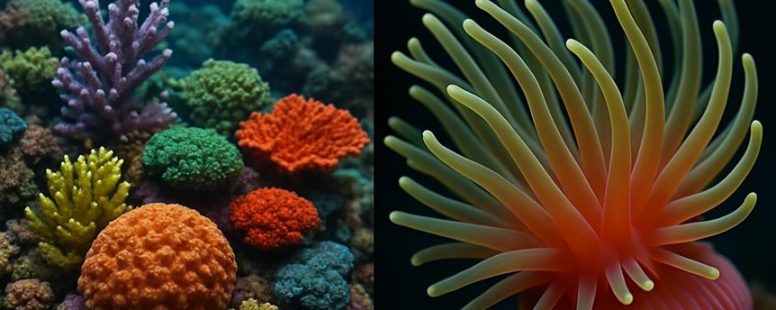
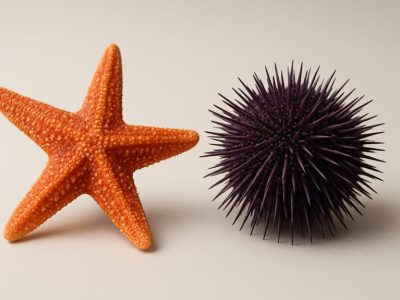
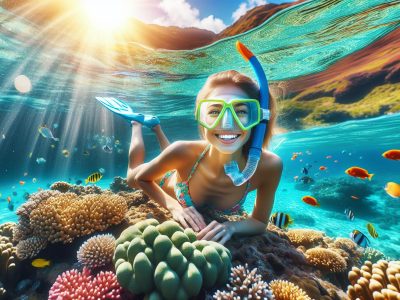
Navigating the vibrant world of marine life can feel like decoding a complex puzzle. At first glance, corals and sea anemones might appear as mirror images, but their true nature is as different as night and day.
Understanding these distinctions is not just an academic exercise; it can mean the difference between thriving ecosystems and fragile ecosystems on the brink of collapse. Did you know that knowing their unique care needs can actually help restore damaged coral reefs?
Dive deeper, and you’ll discover that appreciating their subtle differences transforms how we protect, nurture, and even collect these mesmerizing creatures—turning ordinary observations into extraordinary conservation efforts.
What Are Coral and Sea Anemones? Explained
Coral and sea anemones are interesting creatures that live in the ocean. They look alike in some ways but are quite different. Corals are animals that grow in groups called colonies. They often form shapes that branch out or are big and solid. Their colors can be bright blue, pink, or more muted browns. The colors come from tiny algae living inside them, called zooxanthellae. These algae help corals get their energy and give them their color.
Sea anemones are usually alone and have a soft, fleshy body. They have a round shape with a central mouth surrounded by many tentacles. These tentacles are used to catch food like small fish or plankton. Sea anemones can move a little and attach themselves to rocks or other surfaces. They can also stretch out or shrink depending on their mood or environment.
Knowing the differences between corals and sea anemones helps us understand their roles in the ocean. Corals grow slowly and help build coral reefs, which are homes for many marine animals. Sea anemones, on the other hand, can change size quickly and often live attached to rocks or coral. Some people might think they are the same because they both have tentacles, but they are different animals with different jobs in the ocean.
How Do Coral and Sea Anemones Differ Structurally?
Corals and sea anemones are both ocean animals, but they are very different in how they are built. Corals have hard shells made of calcium carbonate, which makes them look like rocks or stones. This allows them to stand firm and build large reefs. Sea anemones, on the other hand, have soft bodies that can bend and move a little. They do not have the hard skeleton that corals do.
Corals often grow together in large groups called colonies. These colonies connect with tiny parts called polyps and form complex structures like coral reefs. Sea anemones usually live alone, not in big groups. They stay in one place, but their soft bodies help them catch food and protect themselves.
Another key difference is inside their bodies. Corals have a calcium skeleton inside that helps protect them and give their structure. Sea anemones do not have this hard skeleton. Instead, they rely on their soft tissues for protection and to catch food with their tentacles.
Some people might think corals and sea anemones look similar because they both have tentacles and live in the ocean. But their structures are very different. Corals are like underwater rocks with tiny animals inside, while sea anemones are soft, moving animals without a hard shell. Understanding these differences helps us see how each one adapts to its environment.
What Are the Roles of Coral and Sea Anemones in the Ecosystem?
Corals and sea anemones are important parts of their ecosystems because they create homes for many other marine animals. Corals build large reefs, like underwater cities, where fish, crabs, and other creatures can live, hide, and find food. Sea anemones, which look like colorful flowers underwater, also provide shelter for small fish that hide among their tentacles.
Both corals and sea anemones form special relationships with other animals. For example, clownfish live among sea anemone tentacles without getting hurt, and in return, they help protect the anemone from predators. Corals also have tiny algae called zooxanthellae living inside them. These algae give corals energy from sunlight, helping the corals grow and stay healthy. But sometimes, if water gets too warm or polluted, corals can become sick and lose their algae, which can harm the whole reef.
Some people think corals are just pretty shapes, but they are really like the foundation of many ocean habitats. Others worry that climate change and pollution are hurting corals and sea anemones. Without them, many fish and sea creatures would lose their homes. So, protecting these animals is very important for the health of our oceans.
Habitat Formation and Support
Reef structures are like underwater cities built by coral and other creatures. They create homes for thousands of marine species, giving them a place to live and hide. These reefs are made of many tiny animals called corals, which grow together and form big, complex frameworks. This helps many fish and sea creatures find shelter, especially small fish that might get eaten by bigger predators.
The more complex a reef is, the more different kinds of sea life it can support. This increases ocean biodiversity, which is good for keeping the ecosystem healthy. For example, a colorful coral reef can host everything from tiny shrimp to large sea turtles. Some scientists say that reefs act like natural barriers that protect coastlines from storms and waves.
Reefs also help keep the ocean stable. When they are strong and well-formed, they help prevent erosion and support the food chain. But building reefs is not always easy. Pollution, climate change, and overfishing can damage these habitats. Some reefs are bleaching or dying, which means they lose their color and health.
In short, reefs are like underwater cities that support many sea creatures. They provide shelter, boost biodiversity, and help keep the ocean balanced. However, they need protection to stay healthy because human activity can threaten their existence.
Symbiotic Relationships and Defense
Coral and sea anemones defend themselves in different ways, but both rely on helpful relationships with other creatures. Corals have tiny algae called zooxanthellae living inside them. These algae use sunlight to make food for the coral through photosynthesis. This helps corals stay healthy and resist stress from changes in their environment. Some people think this relationship is like a team effort where both sides win.
Sea anemones protect themselves with stinging cells called nematocysts. When a predator touches the anemone, these cells shoot out and sting, keeping the predator away. Sea anemones also have a special friendship with clownfish. The clownfish hide among the anemone’s tentacles, gaining safety. In return, the clownfish chase away animals that might harm the anemone. This mutual help makes both creatures stronger.
Coral reefs are full of many different marine animals. They depend on these relationships to stay healthy. Some scientists believe these partnerships help reefs survive storms and changes in water temperature. But others warn that if the environment becomes too polluted or warm, these defenses might not be enough. Both corals and anemones show how animals can defend themselves and help their communities grow stronger at the same time.
How Can You Identify Coral and Sea Anemones in the Wild?
Corals and sea anemones are both fascinating ocean creatures, but they look quite different. Corals are hard and form branching or mound-like structures. They often create colorful reefs in shallow, clear waters. Sea anemones, on the other hand, are soft and flexible with a tubular shape. They usually attach to rocks or other surfaces in various water conditions.
To tell them apart, start by looking at their appearance. Corals are usually rigid and have many branches or plates. Sea anemones are soft and can be stretched or moved easily. If you see a structure that looks like a branch or a mound built from tiny animals, it’s probably coral. If you see a soft, blob-like animal with tentacles, it’s likely an anemone.
Next, think about where you are. Corals prefer clear, shallow waters where sunlight can reach them. They often grow in large reefs in places like the Caribbean or the Great Barrier Reef. Sea anemones can be found attached to rocks, shells, or even under ledges in different types of waters. They are more adaptable to different environments.
Some people try to identify these creatures by touch. Be careful—corals are hard and sharp, while anemones are soft and squishy. Also, remember that some anemones can sting, so it’s best to observe from a safe distance.
Visual Appearance Differences
When trying to tell apart coral and sea anemones in the wild, look at their visual differences. These clues can help you identify which is which.
Corals usually have bright, solid colors like blues, pinks, or greens. Anemones tend to be duller, with browns, tans, or see-through shades. If you see a vibrant, colorful shape, it’s probably coral. If it looks more muted, it might be an anemone.
Texture is also different. Corals are hard and feel rough because they have a stony, calcified surface. Anemones are soft and squishy, with smooth bodies that move slightly in the water. If you touch them, corals will feel like a rough rock, while anemones are more like wet rubber.
Another way to tell them apart is their shape. Corals often have branch-like structures or flat, plate-like forms. Anemones usually have a body with many tentacles that can move and sway with the water. These tentacles are covered in tiny stinging cells that catch food.
Some people also notice movement. Anemones can slowly extend or withdraw their tentacles. Corals stay mostly in one shape. Keep in mind, though, that some corals look similar to anemones, especially soft corals, and it can be hard to tell the difference at first glance.
Habitat and Location Indicators
Coral reefs and sea anemones live in different parts of the ocean, and knowing where they are helps you tell them apart. Corals are usually found in shallow, sunny waters where they build large, complex structures. They need sunlight because they have tiny algae called symbiotic algae inside them. These algae give corals energy and help them grow. On the other hand, sea anemones are found on rocky or sandy bottoms and can live at different depths, even in darker waters. They catch passing prey with their long tentacles, and some can survive in low-light areas.
If you want to tell these animals apart, look at their habitats. Corals are part of big reef systems, where many corals grow close together. Sea anemones are often alone or grow in small groups attached to rocks or corals. Corals tend to stay in shallow, bright places, while anemones can be found at various depths, including deeper waters with less light.
Knowing where each one lives is a helpful way to identify them in the wild. Sometimes, corals and anemones look similar, but their habitats give clues to tell them apart. Remember, corals are like underwater cities made by many animals working together, while anemones are more like solitary predators waiting for their next meal.
Why Are Coral Reefs Important for Marine Biodiversity?
Coral reefs are like underwater cities that are very busy with marine life. They provide homes for many different animals, from tiny fish to big predators. These reefs have a complex structure that many species depend on to survive. When coral bleaching happens, it harms these reefs and puts many species at risk of disappearing. An example of how some animals, like anemones, live happily together shows how important healthy reefs are for marine life.
Coral reefs protect a wide variety of marine species. This helps keep the ocean’s ecosystem strong and balanced. They also serve as safe places for young fish and other marine animals to grow before they move out into the ocean. Reefs support the food chains that keep many ocean animals alive, from tiny plankton to large sharks. Some people argue that protecting reefs is vital because they help keep the entire ocean healthy. However, reefs face threats like pollution, climate change, and overfishing, which can make it hard for them to stay healthy.
People also look at reefs as places that inspire conservation efforts. Protecting reefs can help prevent bigger problems like the collapse of entire marine ecosystems. For example, when reefs die, many animals lose their homes, and fishing industries can suffer. Because of this, many groups work to save reefs, but it is not always easy. Sometimes, efforts to protect reefs take a lot of time and money, and they may not always succeed.
How Do Sea Anemones Form Symbiotic Relationships?
Sea anemones form symbiotic relationships with clownfish because both animals get benefits. The clownfish find safety from predators by hiding among the anemone’s tentacles. The anemone, in turn, gets cleaning and nutrients from the clownfish’s waste. This partnership works because of specific ways they protect and help each other.
The clownfish have a special layer of mucus on their skin that keeps the anemone from stinging them. This allows the fish to live safely among the tentacles. The anemone benefits because the clownfish chase away animals that might eat it and also clean away debris. Sometimes, the clownfish even bring food to the anemone, helping it grow stronger.
However, not all clownfish and anemones can form this bond. They need to be the right kind and in the right environment. Some anemones might sting the clownfish if they are not used to each other. Also, if the clownfish do not stay safe and clean, the relationship can break down.
Scientists see this as a good example of mutualism, where both species help each other. But it is not always perfect. Sometimes, if the environment changes or one animal gets sick, the relationship might not work as well. Still, many clownfish and anemones rely on each other for survival in coral reefs around Australia and the Caribbean.
Mutual Benefits With Clownfish
Clownfish and sea anemones have a special relationship that helps both of them stay safe and healthy. Clownfish live among the anemone’s stinging tentacles, which protect them from predators like bigger fish. The clownfish’s mucus makes it less affected by the anemone’s sting. This way, the clownfish can hide and rest safely. In return, clownfish clean the anemone by eating away debris and leftovers that could harm it. They also chase away animals that might try to eat the anemone. Some scientists believe that clownfish help the anemone stay healthy and strong by keeping it clean.
But there are some limits to this friendship. Not all clownfish and anemones can live together happily. If the clownfish is not used to the anemone’s sting, it might get hurt or not survive. Also, if the environment changes too much, the relationship might not work as well. For example, if the water gets too warm or polluted, both the clownfish and anemone could struggle.
Some people think that this relationship is amazing because it shows how animals can help each other. Others warn that relying too much on one partner can be risky if conditions change. Overall, the mutual benefit helps both survive better, but they still need a healthy environment to thrive.
Nutritional Symbiosis Mechanisms
Sea anemones form and keep their relationships with algae by sharing nutrients. This is a special way they help each other survive. The anemones host tiny algae called zooxanthellae that can do photosynthesis. These algae make sugars and oxygen from sunlight, which the anemone absorbs to get energy. In return, the anemone gives the algae a safe place to live and nutrients like nitrogen compounds.
This exchange makes both partners stronger, especially in waters that do not have many nutrients. The anemone’s ability to share and receive nutrients helps it survive better. Some people see this as a perfect example of how animals and plants can work together to stay alive. However, if the environment changes or the algae leave, the anemone might not get enough nutrients and could struggle.
In simple words, sea anemones and algae help each other by sharing what they need. This close bond shows how important nutrient sharing is for animals living in places with little food.
What Should Aquarium Hobbyists Know About Caring for Coral and Sea Anemones?
Caring for coral and sea anemones means understanding what they need to stay healthy. These animals have special features that help them survive in deep water, like glowing parts called bioluminescence. Knowing how to care for them involves four main areas:
Lighting: Coral and anemones need light that matches what they get in nature. Light helps them grow and stay healthy. For example, some corals glow because of their light, so providing the right amount of light is key. LED lights made for aquariums, like the brands Kessil or EcoTech, are popular choices. Too much light can stress them, and too little can make them fade or die.
Water Quality: Clean, stable water is very important. These animals are sensitive to changes in their environment. They need the right temperature, pH, and salinity. Using a good water test kit, like API or Red Sea, helps hobbyists keep water parameters steady. If the water gets too dirty or different from their natural habitat, they can become sick or die.
Flow and Placement: Water movement helps bring nutrients and oxygen to corals and anemones. It also keeps waste away. Placing them in spots with gentle, steady flow mimics how they live in the ocean. Usually, placing coral near water flow sources, like powerheads, creates a good environment. But if the flow is too strong, they can get stressed or damaged.
Feeding and Nutrition: While some corals get nutrients from light, many also need to be fed. They may eat small pieces of fish, plankton, or special coral food. Anemones catch tiny animals with their tentacles. Feeding properly helps them grow strong and stay vibrant. Use foods like frozen mysis shrimp or prepared coral diets. But overfeeding can cause water problems, so it should be balanced.
Some hobbyists prefer to keep only hardy corals and anemones, as they are easier to care for. Others try more delicate types, which need more attention. It’s good to read about the specific species you want to keep and follow experienced advice. Remember, these animals can live for many years if given the right care.
What Are the Main Threats and Conservation Challenges?
Coral reefs and sea anemone habitats are facing serious threats from human activities and environmental changes. These ecosystems are delicate and can be easily damaged. Overfishing, pollution from boats and farms, and climate change are the main dangers. For example, when too many fish are caught, it can upset the balance of the reef. Pollution can smother corals and block sunlight they need to survive. Climate change causes ocean temperatures to rise, which leads to coral bleaching. This makes corals turn white and weak, sometimes killing them. Sea anemones are also at risk because ocean acidification makes it harder for them to build their shells and structures.
Some species of corals and anemones have limited ways to adapt to these threats. They might not be able to survive quickly changing conditions, especially if their populations are small. When there is less genetic diversity, it becomes harder for them to fight off new diseases or recover from damage. This is similar to how a small group of people might struggle to survive a serious illness.
Protecting these habitats means understanding what makes them vulnerable and working to reduce the threats. For example, creating marine protected areas can help give reefs a chance to recover. It is also important to cut down on pollution and stop overfishing. Some scientists warn that if we don’t act soon, we could lose many of these beautiful ecosystems forever. Others believe that with enough effort, we can slow down or even reverse some damage. But it is clear that saving coral reefs and sea anemones will need global teamwork and strong conservation rules.
How Can You Properly Care for Coral and Sea Anemones in Captivity?
Coral and sea anemones are beautiful creatures that live deep in the ocean. Keeping them healthy in an aquarium means understanding what they need and creating a good environment for them. These animals are used to the deep sea, so they can be sensitive to changes in water and light. Protecting their genetic diversity, which means keeping different types of these animals, helps them stay healthy and strong. Here are some simple steps to care for coral and sea anemones properly:
Keep the water stable. They need the right temperature, salt level, and lighting that match what they experience in the ocean. For example, most corals like water around 75 to 80 degrees Fahrenheit and a salt level similar to seawater, about 35 parts per thousand.
Make sure water flow is strong enough. Ocean currents help bring fresh nutrients and wash away waste. In your tank, use powerheads or wave makers to create gentle, steady water movement.
Use the right light. Many corals and anemones need bright LED or actinic lights to support their photosynthetic partners. These tiny organisms help feed the animals through sunlight, just like plants on land.
Watch for stress or signs of illness. If the coral shrinks or the anemone looks pale, it could mean something isn’t right. Adjust the water conditions or lighting as needed. Regular testing and observation are key.
Some hobbyists prefer different setups. For example, some use LED lights from brands like AI or EcoTech, which are known for their quality. Others might worry about keeping water parameters steady, but it’s worth it to prevent stress or disease. Remember, coral and anemones can be sensitive, and sudden changes can cause them to die.
What Do These Differences Mean for Marine Conservation?
Corals and sea anemones are different animals, and knowing these differences helps us protect marine life better. Corals have hard, complex structures that build up over time, forming coral reefs. These structures are home to many fish and other sea creatures. Because corals are sensitive to pollution and changes in water temperature, they need special care. If they get damaged, entire ecosystems can suffer. Protecting corals means reducing pollution and controlling activities like fishing and coastal development.
Sea anemones are soft and flexible animals that often live attached to rocks or coral reefs. They can adapt more easily to changing conditions, making them less vulnerable than corals. Because they respond quickly to environmental changes, sea anemones can serve as good indicators of ocean health. If anemone populations decline, it might mean pollution levels are rising or temperatures are changing. This makes them useful for scientists who want to monitor ocean health.
Both animals require different conservation strategies. Corals need efforts to stop pollution and keep water clean, while sea anemones can help scientists learn about changes in their environment. Some people think that focusing only on corals might overlook the importance of anemones, which can tell us when the ocean is in trouble. However, protecting corals is often seen as more urgent because their loss affects many other species.
To provide the best experiences, we use technologies like cookies to store and/or access device information. Consenting to these technologies will allow us to process data such as browsing behaviour or unique IDs on this site. Not consenting or withdrawing consent, may adversely affect certain features and functions.
Functional
Always active
The technical storage or access is strictly necessary for the legitimate purpose of enabling the use of a specific service explicitly requested by the subscriber or user, or for the sole purpose of carrying out the transmission of a communication over an electronic communications network.
Preferences
The technical storage or access is necessary for the legitimate purpose of storing preferences that are not requested by the subscriber or user.
Statistics
The technical storage or access that is used exclusively for statistical purposes.The technical storage or access that is used exclusively for anonymous statistical purposes. Without a subpoena, voluntary compliance on the part of your Internet Service Provider, or additional records from a third party, information stored or retrieved for this purpose alone cannot usually be used to identify you.
Marketing
The technical storage or access is required to create user profiles to send advertising, or to track the user on a website or across several websites for similar marketing purposes.