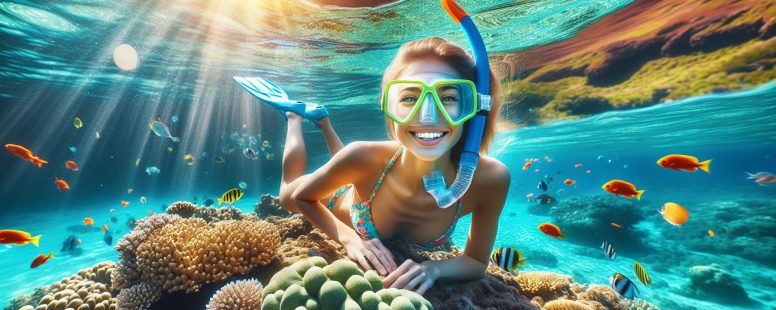
Imagine gliding through crystal-clear waters, vibrant marine life dancing around you in an underwater world teeming with color and mystery. Whether you’re floating just beneath the surface or exploring the ocean’s depths, the allure of the sea is undeniable. But how do you decide between snorkeling and scuba diving? Each offers a unique way to connect with the underwater area, but their differences go far beyond the gear you wear.
Snorkeling lets you stay close to the surface, breathing easily as you marvel at coral reefs and schools of fish below. Scuba diving, on the other hand, takes you deeper, offering an immersive experience where you can uncover hidden treasures and explore marine ecosystems up close. Both have their own charm and challenges, making it essential to understand what sets them apart. Ready to jump into the details? Let’s explore the key distinctions to help you choose your next adventure.
Overview Of Snorkeling And Scuba Diving
Snorkeling and scuba diving offer unique ways to explore underwater ecosystems. Each activity provides distinct experiences, equipment, and techniques suited for different levels of immersion.
What Is Snorkeling?
Snorkeling involves floating on the water’s surface while observing marine life below. You use a snorkel, mask, and fins to breathe and navigate. It’s ideal for shallow waters and coastal environments like coral reefs or lagoons.
With minimal training needed, snorkeling suits beginners or those seeking a casual experience. Locations such as Hanauma Bay in Hawaii or Great Barrier Reef’s shallow sections are popular snorkeling spots.
What Is Scuba Diving?
Scuba diving enables deeper exploration of underwater habitats using self-contained underwater breathing apparatus (SCUBA). You carry an air tank and wear special equipment, including a wetsuit, dive mask, and regulator.
Scuba diving requires certification from organizations like PADI or NAUI due to training in techniques, communication, and safety protocols. It allows you to visit sites like shipwrecks, deep-sea reefs, or underwater caves often inaccessible to snorkelers.
Key Differences Between Snorkeling And Scuba Diving
Snorkeling and scuba diving differ in equipment, depth, training, and accessibility. Each activity caters to different experience levels and interests, offering unique ways to explore aquatic environments.
Equipment Requirements
Snorkeling involves minimal gear, using a mask, snorkel, and fins. This lightweight equipment allows you to float on the surface, breathing through the snorkel tube. For example, many recreational snorkelers can enjoy coral reefs without needing additional tools.
Scuba diving uses advanced equipment, including an oxygen tank, regulator, buoyancy control device, dive computer, and wetsuit. This gear facilitates deep underwater exploration, making it possible to dive for longer durations. Unlike snorkeling, scuba equipment requires proper maintenance and knowledge for safe use.
Depth And Duration
Snorkeling limits you to the water’s surface, with occasional dives no deeper than 6-10 feet. This shallow exploration offers short burst interactions with marine life like tropical fish in areas such as Bora Bora lagoons.
Scuba diving allows you to reach depths of up to 130 feet for recreational diving. Longer underwater duration provides access to deep wreck sites or caves. The deeper and prolonged exposure to pressure distinguishes scuba diving’s immersive nature from snorkeling.
Training And Certification
Snorkeling doesn’t require formal training. Most people can start immediately after being shown how to breathe through a snorkel and clear water from the mask. But, basic swimming ability enhances overall safety and enjoyment.
Scuba diving mandates certification from agencies like PADI or NAUI. Training includes theoretical lessons, confined water practice, and open-water dives. Certification ensures you can manage technical challenges, such as adjusting buoyancy and handling equipment malfunctions.
Accessibility And Cost
Snorkeling is highly accessible due to its low cost and simplicity. Gear rentals are inexpensive, often available directly at destinations like Koh Phi Phi in Thailand. This affordability makes it popular among family groups and vacationers.
Scuba diving involves higher costs, including equipment, certification, and guided dives. Also, you might need to travel to specialized dive locations, adding to expenses. These factors make scuba accessible to enthusiast divers over casual tourists.
Pros And Cons Of Snorkeling
Pros of Snorkeling
Accessibility for All Skill Levels
Snorkeling requires no formal training, making it suitable for beginners and children. With minimal equipment—just a mask, snorkel, and fins—you can start exploring coral reefs, shallow bays, or tropical lagoons with ease. This simplicity increases its appeal to casual travelers and families.
Cost-Effective Adventure
Compared to scuba diving, snorkeling is much more affordable. Renting gear typically costs about $10-$20 per day, while guided tours in locations like Key West or Bali range from $30-$70. This low barrier to entry makes it accessible for budget-conscious travelers.
Ease of Preparation
You don’t need certification, extended lessons, or physical conditioning to enjoy snorkeling. Basic swimming skills and understanding how to breathe through a snorkel are sufficient. This convenience saves time and effort, especially during short vacations.
Environmental Connection
Since snorkeling takes place at the surface, you feel closer to the natural seabed and marine wildlife. Floating over vibrant coral reefs or swimming alongside schools of fish creates a relaxing yet immersive experience.
Cons of Snorkeling
Limited Depth Range
Snorkeling limits you to surface-level exploration, usually a depth of 6-10 feet. Stunning features like underwater caves, wrecks, or deep marine habitats remain out of reach.
High Dependence on Conditions
Water clarity, wave intensity, and current strength directly affect snorkeling experiences. Cloudy waters obscure visibility, while strong waves increase physical strain, reducing overall enjoyment and safety.
Reduced Interaction Time
The need to remain at the surface limits how long you can observe marine life in detail before breaking focus for air or comfort. This can lessen the sense of immersion compared to other underwater activities.
Potential for Equipment Misuse or Discomfort
Poorly adjusted masks may fog up or allow water entry, disrupting your view. An improperly fitted snorkel can make breathing awkward, especially for kids or beginners, detracting from the experience.
Pros And Cons Of Scuba Diving
Pros of Scuba Diving
Immersive exploration: Scuba diving allows you to explore underwater environments at depths up to 130 feet, uncovering hidden gems like shipwrecks, coral reefs, and marine caves. For example, the SS Thistlegorm in the Red Sea offers divers a glimpse into World War II history with its sunken artifacts.
Extended underwater time: Unlike snorkeling, scuba diving enables longer underwater durations, often ranging between 30 to 60 minutes per dive, depending on your oxygen consumption and depth. This provides more time for observing marine ecosystems in detail.
Close marine interaction: You get to encounter diverse marine species in their natural habitat. Popular sites, like the Blue Hole in Belize, offer unique encounters with turtles, sharks, and vibrant schools of fish.
Physical benefits: Scuba diving improves your cardiovascular health, strengthens muscles, and enhances breathing efficiency. It’s both a recreational activity and a fitness booster.
Specialized experiences: Certain underwater sites, such as the Great Blue Hole, require diving, making them inaccessible to snorkelers. This exclusivity adds depth to your adventure options.
Cons of Scuba Diving
Higher costs: Scuba diving involves expensive equipment and certification courses, with initial training costing around $300-$500 and dives themselves averaging $50-$150 each time.
Skill demands: Training and certification are mandatory due to the complexities of managing buoyancy, breathing, and emergency protocols. Beginners must invest time to master these skills before diving.
Health limitations: You might face issues like decompression sickness or barotrauma if ascent rates are incorrect. People with certain medical conditions may need doctor’s approval before diving.
Equipment reliance: Scuba diving requires carrying oxygen tanks, regulators, and weights. If the equipment malfunctions, especially in remote areas, your safety could be at risk.
Environmental impact: Improper diving practices, such as touching corals or stirring sediment, harm delicate marine ecosystems. Conservation-conscious behavior is crucial.
Scuba diving has transformative potential, letting you push boundaries while encountering Earth’s underwater wonders.
Which Activity Is Right For You?
Choosing between snorkeling and scuba diving depends on your preferences, physical condition, time, and resources. Snorkeling suits those seeking a relaxed, low-commitment way to enjoy marine life. Scuba diving, by contrast, appeals to thrill-seekers looking for an immersive underwater experience.
Skill Level and Commitment
Snorkeling fits everyone, including beginners, as it requires minimal gear and no prior training. Children and adults alike can enjoy destinations like Cabo Pulmo in Mexico or Molokini Crater in Maui with just a snorkel mask and fins. Scuba diving poses a higher bar due to required certifications and commitment to learning safety protocols. If you’re not prepared for rigorous training, snorkeling might align better with your needs.
Depths and Environment Exploration
Scuba diving permits descents to depths of 60-130 feet, ideal for exploring intricate coral reefs and historic shipwrecks. Snorkeling limits you to surface-level viewing; it suffices for shallower habitats like rock pools and seagrass beds, but won’t get you up-close experiences with deeper marine species.
Time and Cost Considerations
Snorkeling is extremely affordable with equipment rentals costing around $10-$30 per session. Scuba diving involves various costs—certification typically ranges from $350-$500, and gear can cost another $300-$1,000. If you’re managing limited budgets or on vacation with tight schedules, snorkeling is quicker and more economical.
Fitness and Health
Physical stamina plays an essential role in either activity, especially scuba diving due to extended time underwater and exposure to depth pressure changes. Medical conditions like asthma or heart problems may limit diving opportunities. Opt for snorkeling if you prefer casual water interaction with less exertion.
Adventurous Spirit and Exploration Goals
Scuba diving offers an adrenaline-filled journey into unexplored aquatic worlds like the Blue Hole in Belize. If observing marine species like clownfish or sea turtles in tranquil surfaces pleases you, snorkeling satisfies with its simplicity. Match your choice with your desire for adventure scale and environmental engagement.
Conclusion
Both snorkeling and scuba diving offer incredible ways to explore the underwater world, each catering to different preferences and levels of adventure. Whether you’re drawn to the simplicity and accessibility of snorkeling or the thrill and depth of scuba diving, there’s an experience waiting for you beneath the waves.
Consider your goals, comfort level, and resources when choosing between the two. No matter which path you take, the ocean holds endless wonders to discover. Immerse and create unforgettable memories.
To provide the best experiences, we use technologies like cookies to store and/or access device information. Consenting to these technologies will allow us to process data such as browsing behaviour or unique IDs on this site. Not consenting or withdrawing consent, may adversely affect certain features and functions.
Functional
Always active
The technical storage or access is strictly necessary for the legitimate purpose of enabling the use of a specific service explicitly requested by the subscriber or user, or for the sole purpose of carrying out the transmission of a communication over an electronic communications network.
Preferences
The technical storage or access is necessary for the legitimate purpose of storing preferences that are not requested by the subscriber or user.
Statistics
The technical storage or access that is used exclusively for statistical purposes.The technical storage or access that is used exclusively for anonymous statistical purposes. Without a subpoena, voluntary compliance on the part of your Internet Service Provider, or additional records from a third party, information stored or retrieved for this purpose alone cannot usually be used to identify you.
Marketing
The technical storage or access is required to create user profiles to send advertising, or to track the user on a website or across several websites for similar marketing purposes.