Imagine holding a camera that can turn a fleeting moment into an unforgettable story. Did you know that 85 percent of viewers say visual storytelling deeply influences their emotional connection?
When choosing between cinematography and videography, it’s not just about equipment—it’s about shaping the very heart of your story. Understanding their subtle differences can unlock a surprising benefit: the ability to evoke genuine feelings that linger long after the scene fades.
Like a master painter blending colors, knowing what sets these two apart can transform your project from ordinary to extraordinary.
Defining Cinematography vs Videography
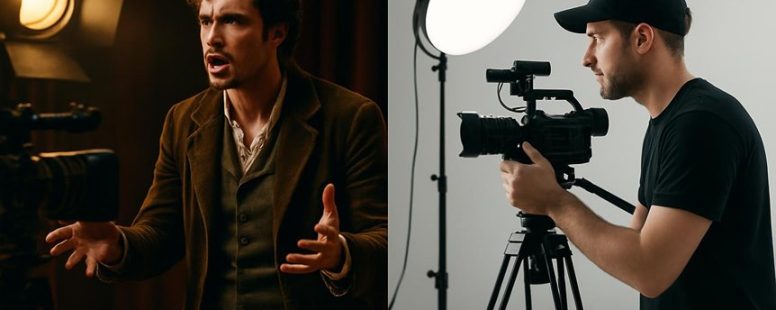
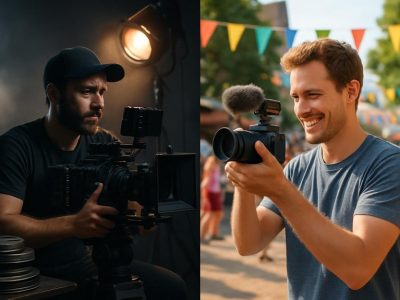
Cinematography is the art of creating the visual look of a film or video. It involves choosing camera angles, framing shots, and controlling lighting to tell a story visually. Good cinematography makes you feel something—like a warm glow for happy scenes or shadows for mystery. It’s about making every scene look beautiful and meaningful. For example, a director might use bright colors and smooth camera moves for a happy scene or dark tones and shaky shots for a tense moment. This helps guide the audience’s emotions and understanding of the story.
Videography, on the other hand, is more about recording events as they happen. It often uses simpler equipment like handheld cameras or smartphones. Videographers usually shoot things like weddings, concerts, or interviews. They focus on capturing the moment clearly and quickly, with less concern for creating a specific look. For example, a wedding videographer might record the ceremony without much editing or fancy lighting—just documenting what happens naturally.
Some people think cinematography is more artistic because it involves planning, lighting, and editing to create a mood. Videography is seen as more practical, often used for documentation. But both are storytelling tools. Cinematography can turn footage into a movie, while videography is more about recording real-life moments.
Knowing the difference can help you decide what kind of visuals you need. If you want your video to look like a movie, focus on cinematography. If you just need to record an event clearly, videography might be enough. Both have their strengths and limits. Cinematography takes more time and skill but offers more creative control. Videography is faster and simpler but may lack the artistic touch. Understanding these can help you choose the right approach for your project and make sure your visuals match your goals.
How Storytelling Shapes Cinematography
Storytelling is the most important part of cinematography. While making pretty pictures matters, it’s the story behind them that truly makes the images come alive. Every shot should serve the story, guiding how viewers feel and what they understand. For example, a close-up of a character’s face can show their emotions, while a wide shot can set the scene. Using storytelling techniques helps direct the audience’s attention and builds meaning.
Lighting and camera angles are tools to develop characters and themes. If a hero is shown in bright light from below, it can make them seem powerful. Shadows can create mystery or tension. Colors also matter—warm tones might suggest comfort, cool tones can feel cold or distant. Composition, or how elements are arranged in the shot, reflects the story’s mood.
Pacing is another key. If scenes move quickly, they can make the story feel exciting or chaotic. Slow scenes can create suspense or reflection. Choosing the right rhythm helps control how viewers feel at each moment. For instance, a fast montage can build excitement before a big reveal, while a slow shot might let viewers think about a character’s dilemma.
Stylistic choices are not random. They should match the story’s message. If a film is about hope, bright and lively visuals work best. If it’s about loss, darker visuals may be better. Every decision, from camera movement to color palette, should support what the story wants to say.
Some people argue that focusing too much on style can distract from the story. It’s true that beautiful images alone cannot tell a story. But when style and storytelling work together, they make the film more powerful. For example, the use of color in the movie “Schindler’s List” helps tell a story of hope and tragedy.
In the end, good cinematography isn’t just about making things look nice. It’s about telling a story visually. When every shot helps develop characters, themes, and emotions, the film connects with viewers in a real way.
Why Videography Focuses on Real-Time Events
Videography mainly focuses on capturing events as they happen in real time. This is because live recording preserves the true feeling of a moment. When videographers film events without staging or scripting, they catch spontaneous actions and genuine emotions. For example, a wedding video that shows the bride’s real tears or a sports game where players celebrate naturally feels more authentic. These real moments help viewers feel like they are part of the event, not just watching a rehearsed scene.
Some people say that filming live can be unpredictable. Sometimes, unexpected things happen that mess up the shot or miss important moments. That’s a limit you should keep in mind. But on the other hand, real-time footage gives a sense of immediacy and honesty that scripted videos can’t match. It builds trust and makes the story more relatable.
There are two main reasons videography emphasizes live events. First, it keeps the footage authentic. Second, it creates an immersive experience for viewers. Imagine watching a concert where the crowd’s energy and the artist’s real reactions come through. It feels more real than a carefully planned scene.
Technical Differences in Cameras, Lighting, and Movement
When filming live events, videographers need gear and techniques that can handle surprises. Unlike movie makers who plan every shot, videographers pick cameras that are flexible and easy to adjust quickly. They usually use simple lighting, like natural light or available light, because stage lights can change fast. Their camera movement often involves handheld shots or stabilizers like gimbals to follow the action smoothly.
Here are key technical points they focus on:
Choosing lenses that are versatile and can shoot in different situations fast. For example, a zoom lens can go from wide to close-up without changing equipment.
Composing shots that can change quickly, so they don’t miss important moments. For example, framing a speaker or a crowd on the fly.
Setting up lighting that works in changing conditions, like outdoors or in a dim room, to keep the video clear.
Making sure audio is captured well, so viewers can hear what’s happening. Using good microphones and placing them carefully helps.
Editing videos to keep the story flowing smoothly, even if some shots aren’t perfect. The goal is to make the video feel natural and continuous.
Some say that this approach might sacrifice perfect visuals for speed and realness. Others warn that relying on natural light and quick adjustments can sometimes lead to poor quality if conditions change too much.
In the end, videographers focus on flexibility and capturing the moment as it happens. This makes their work different from movies or scripted videos, which often aim for perfection. It’s like catching a fast-moving ball—you need quick reflexes and the right tools to get the shot.
How Budget and Timeline Affect Your Choice
Budget and timeline are the main factors that decide whether you should choose cinematography or videography for your project.
If you have a small budget, videography can be a better choice. It costs less because it uses simpler equipment and fewer crew members. For example, a quick wedding video or social media clip can usually be done with minimal gear and less time. On the other hand, if your budget is bigger and you want high-quality shots with fancy lighting and special effects, cinematography is better. It takes more planning, time, and expensive equipment, but the results can look more professional and polished.
Your timeline also matters. If you need your project finished fast, videography may be the way to go. It’s quicker because it focuses on simple shots and less setup. But if you have flexible deadlines and want to create complex scenes or use lots of different camera angles, cinematography gives you more options. Just keep in mind, longer shoots mean more time and money.
Some projects might need a balance. For example, a small business might want a professional look but has a tight deadline and limited funds. In that case, a skilled videographer can deliver good results without breaking the bank. But if you’re making a feature film or a commercial that demands top quality, you’ll probably need to plan for more time and money for cinematography.
In the end, think about what matters most to your project—cost, speed, or quality. Understanding how budget and timeline influence your choice will help you make a smarter decision. Remember, rushing can lead to lower quality, and spending more doesn’t always guarantee the best results. It’s about finding the right fit for your goals and resources.
Choosing Cinematography vs Videography
Choosing between cinematography and videography depends on what you want to achieve.
Cinematography is about creating a more artistic and polished look. It uses special equipment like high-end cameras, steady rigs, and lighting to make scenes look beautiful and professional. This style is often used for movies, music videos, or commercials where the look matters a lot. For example, a Hollywood film like “La La Land” shows how cinematography can turn a simple scene into a work of art.
Videography, on the other hand, focuses on capturing events quickly and efficiently. It’s often used for weddings, interviews, or live events. Videographers use simpler cameras and equipment because speed and flexibility are more important than perfect visuals. Think of a wedding video that needs to be shot fast so the couple can relive the moment without waiting for edits.
Both styles have their good and bad sides. Cinematography creates amazing visuals but can take longer and cost more. Videography is faster and cheaper but might not look as stunning. If you want a movie-like feel, choose cinematography. If you need quick videos that tell a story, go with videography.
In the end, consider your project’s purpose. Do you want art or speed? Both options can work, but picking the right one depends on your goal. Remember, not every project needs Hollywood-level visuals, but sometimes quick videos aren’t enough if you want a cinematic look.
Purpose And Style
Cinematography and videography are two ways to create videos, but they are quite different.
Cinematography is about telling a story through planned shots and visual art. It uses carefully chosen angles, lighting, and movement to make viewers feel emotions. For example, a movie director might decide to shoot a sad scene with dim lighting and close-up shots to make you feel the character’s pain. Artistic choices guide cinematography, so it’s not just about recording what happens but making it look beautiful and meaningful.
Videography, on the other hand, is more about recording real moments as they happen. It’s like filming a wedding or a sports game. The goal is to capture events naturally and straightforwardly. Videographers don’t plan every shot the same way; they focus on documenting what’s happening in real-time. This style is practical and often used for news, events, or personal videos.
Some people choose cinematography if they want a film-like look that pulls at emotions. Others prefer videography if they just want to record memories or events without much planning. Both styles have their strength and limits. Cinematography can be more artistic but takes more time and skill. Videography is quick and simple but might lack the artistic touch.
In short, understanding what you want from your video helps you pick the right style. Do you want a story told with art, or just the real moments? Knowing this can save you time and make your video better.
Equipment And Techniques
Choosing the right equipment and techniques is key to making your videos look professional. If you want your footage to feel cinematic, you need to pick the best tools for that style. For example, using high-quality cameras like the RED Komodo or ARRI Alexa can help create a more film-like look. When selecting lenses, wider angles like a 24mm or 35mm can add depth and drama to your shots.
Cinematography often uses advanced lighting and precise shot composition. Think of it as painting with light and framing. Techniques like three-point lighting or controlling shadows help set the mood. Videography, on the other hand, usually relies on simpler framing and lighting setups. It’s more about quick, clear visuals, like for social media clips or event videos.
Stabilization tools matter too. For cinematic shots, devices like gimbals or sliders make your camera movements smooth and controlled. For quick videos, a simple tripod or even handheld shooting can work fine, but be aware that shaky footage can look unprofessional.
In post-production, editing software like Adobe Premiere Pro or Final Cut Pro helps create a polished look. Color grading can make your footage feel warmer or cooler, adjusting the mood. Cinematic projects often use more detailed color work, while videography might keep things simple.
Understanding these differences helps you choose the right gear and techniques. If you want storytelling that feels like a movie, focus on deliberate equipment and artistic methods. If your goal is quick and straightforward videos, prioritize efficiency and ease of use.
How Cinematography and Videography Impact Audience Engagement
Cinematography and videography are key tools that influence how people connect with videos. They are different but both shape how viewers feel and stay interested.
Cinematography is about how movies and videos use camera techniques to tell stories visually. It includes things like camera angles, lighting, colors, and movement. For example, a dark, shaky camera can make a scene feel tense or scary, while bright, smooth shots can make a scene happy or calm. These choices help viewers feel emotions without words. If you watch a horror movie, the way the camera is used makes you feel scared, even if you don’t realize it.
Videography is more about capturing real-life moments with cameras. It is often used in events like weddings or interviews. Good videography uses focus, framing, and lighting to make the moment look natural but also appealing. For example, a wedding videographer might focus on the couple’s faces and use soft light to make the scene look warm and happy.
Both methods affect how much viewers care about what they watch. Some people prefer cinematic videos because they look like movies and can tell stories visually with more drama. Others like real-life videos for their authenticity. However, if the visuals are poorly shot or look unprofessional, viewers might lose interest quickly. For example, shaky footage or bad lighting can make a video hard to watch and less engaging.
In the end, good cinematography and videography make videos more interesting and emotional. They help tell stories, create mood, and keep viewers hooked. Whether it is through dramatic camera work or natural shots, the way a video is shot can make all the difference in how people connect with it.
Visual Storytelling Techniques
Cinematography and videography both tell stories through moving images, but they do it in different ways. Here is what makes cinematography special and how it differs from videography.
Cinematography is about creating a visual style that makes viewers feel connected to the story. It uses careful composition, meaning how scenes are arranged, to highlight important themes. For example, a close-up shot of a character’s face can show their emotions clearly. Cinematographers also choose shots that shape how viewers see the story, like using wide shots to show a setting or tight shots to focus on details. They pick different camera angles and movements to build excitement or calm. Plus, they use visual motifs, like recurring symbols or colors, to add meaning. All of this is combined with editing that makes the story flow smoothly and feel polished.
Videography tends to be more straightforward. It usually captures moments as they happen, like recording a live event or a quick interview. The goal is to tell a story simply and clearly without much fuss. Think of videography as taking a snapshot of real life, while cinematography is like painting a scene with more style and emotion.
Some people might think all videos are the same, but understanding these differences helps you see why cinematography can turn simple footage into a powerful art form. It’s like the difference between a quick snapshot and a beautifully composed photograph. Both tell stories, but cinematography adds layers of meaning and feeling that make the story stay with you longer.
However, remember that cinematography takes more time and skill to do well. It can also be more expensive because it involves careful planning and equipment. Videography is easier and faster, which is good for quick stories but might lack the depth of cinematic work. Knowing when to use each style can make your videos more effective and impactful.
Emotional Connection Factors
Cinematography and videography are both ways to tell stories through images. Cinematography is about creating emotional feelings by making the visuals look beautiful, dark, bright, or intense. It helps us feel connected to the story because it shows us deep feelings and rich details. For example, a movie like “Schindler’s List” uses black-and-white shots to make us feel the seriousness and sadness. Videography, on the other hand, often captures real moments and feels more raw and immediate. It can make us relate because it shows real life as it happens. Think of a home video of a birthday party — it feels real and personal.
Both methods make us connect with stories differently. Cinematography takes us on a layered emotional journey by carefully choosing colors, camera angles, and lighting. Videography feels more straightforward but still makes us feel like we are part of the moment. If you want to understand how stories affect us, it helps to see how each style works. Cinematography builds deep feelings, while videography shows us real, relatable life. Knowing this can help us appreciate why we feel so involved when watching certain films or videos. How a story is told can be just as important as the story itself.
Tips for Blending Cinematography and Videography Styles
Blending cinematography and videography styles is a great way to make your videos more interesting. Here are some clear tips to do it well:
First, know that lighting is key. Good lighting sets the mood and makes your shots look better. For example, soft light can create a calm feel, while harsh shadows can make things dramatic. Use different lighting setups to match the style you want.
Second, try different camera angles and shot compositions. Moving the camera or changing how you frame a shot keeps viewers interested. For instance, low angles can make a subject seem powerful, while close-ups show emotion. Don’t be afraid to experiment with these to add variety.
Third, your editing should match both styles. If you have smooth, cinematic clips, balance them with quick, raw scenes. This contrast keeps the video lively and engaging. Editing can also help set the tone; for example, fast cuts create excitement, while slow transitions give a more relaxed vibe.
Fourth, think about your genre. A wedding video might blend poetic shots with candid moments, while a music video could combine polished visuals with spontaneous scenes. Knowing your audience helps decide how to mix these styles.
Fifth, pick the right equipment. Use cameras and lenses that support your vision. For example, a high-quality DSLR can give cinematic look, but a small action camera might be better for spontaneous shots. But be careful not to overcomplicate your gear — sometimes, too much equipment can slow you down.
Here are some practical tips summarized:
Mix storytelling methods to add depth and emotion
Balance highly produced visuals with genuine, unpolished moments
Use lighting to create unity between different styles
Edit scenes to emphasize both polished and natural shots
Choose equipment based on your creative goals, not just brand names
To provide the best experiences, we use technologies like cookies to store and/or access device information. Consenting to these technologies will allow us to process data such as browsing behaviour or unique IDs on this site. Not consenting or withdrawing consent, may adversely affect certain features and functions.
Functional
Always active
The technical storage or access is strictly necessary for the legitimate purpose of enabling the use of a specific service explicitly requested by the subscriber or user, or for the sole purpose of carrying out the transmission of a communication over an electronic communications network.
Preferences
The technical storage or access is necessary for the legitimate purpose of storing preferences that are not requested by the subscriber or user.
Statistics
The technical storage or access that is used exclusively for statistical purposes.The technical storage or access that is used exclusively for anonymous statistical purposes. Without a subpoena, voluntary compliance on the part of your Internet Service Provider, or additional records from a third party, information stored or retrieved for this purpose alone cannot usually be used to identify you.
Marketing
The technical storage or access is required to create user profiles to send advertising, or to track the user on a website or across several websites for similar marketing purposes.