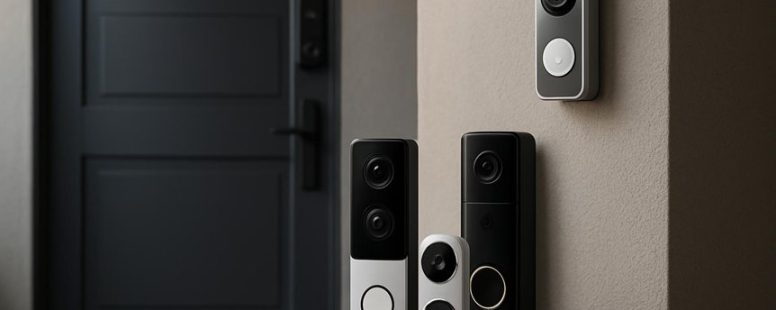
Choosing a doorbell might feel like deciding the fate of your home security—pressing, yet full of possibilities.
Imagine opening your door to a chime that not only alerts you instantly but also offers a hidden perk: peace of mind knowing your home is smarter and more secure.
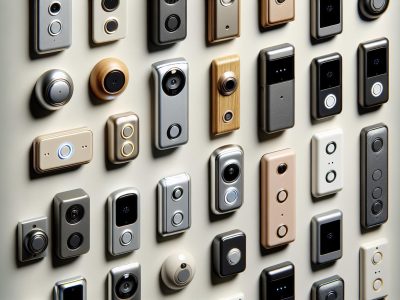
With so many options beyond the familiar Ring model, from wired to wireless, privacy to price, the choices can seem like navigating a maze of flashing signals.
But don’t worry—by focusing on what truly matters, you can find a replacement that fits your needs perfectly, turning your front porch into a fortress of confidence rather than a tech puzzle.
Key Features to Consider When Choosing a Ring Doorbell Alternative
A good alternative to a Ring Doorbell starts with knowing what features matter most. The first thing to consider is how video is stored. Do you want to pay for cloud storage, which lets you access footage from anywhere but costs money? Or do you prefer local storage, like a microSD card, which saves money but might be harder to access? Each choice affects your privacy and your wallet.
Next, think about how the doorbell is installed. Some models need wires to connect to your existing doorbell system, while others are completely wireless. If you’re good with tools and want no fuss, a wireless model might be best. But if your home already has wires or you want a more stable connection, a wired model could be better. Keep in mind, some doorbells are tricky to install and might need a professional, adding extra costs.
There are advantages and disadvantages to each feature. Cloud storage is easy to use but costs monthly. Local storage saves money but might be less convenient. Wired installation is reliable but can be a hassle to set up, especially if your home isn’t pre-wired. Wireless options are simple to install but depend on Wi-Fi strength.
For example, the August Doorbell Cam or Eufy’s models offer local storage options, while Ring and Ring’s competitors like Google Nest often rely on cloud storage. Some people love wireless because they can install it themselves, but be aware that poor Wi-Fi can cause video glitches.
In the end, ask yourself what’s more important: saving money, easy setup, or privacy. Both options have their pros and cons, so choose what fits your home and budget best. Just don’t assume every feature is perfect out of the box—read reviews and check if the setup matches your skills.
Wired vs. Wireless Doorbells: Choosing the Right Setup
A doorbell connection can be either wired or wireless, and choosing the right one depends on what you want.
A wired doorbell is connected directly to your home’s electrical system. This setup is reliable because it always has power and rarely stops working. If you don’t mind installing wires and doing some wiring work, a wired doorbell can last a long time and works well even during power outages. For example, if you live in a big house or want a very stable connection, a wired system might be best. But remember, installing wires can be tricky and might require professional help.
Wireless doorbells work without wires. They use batteries and connect to your Wi-Fi or through radio signals. This makes them very easy to put up — you just need to hang the chime box and connect it to your Wi-Fi. Wireless doorbells are perfect if you want to avoid drilling holes or rewiring your home. You can also move the chime to different places easily. Some models even have smart features, like sending alerts to your phone. But, they depend on batteries, so you need to change them sometimes. Also, wireless signals can drop, which might mean the doorbell doesn’t work right away.
Both types have their good and bad points. Wired doorbells are reliable but hard to install. Wireless doorbells are simple to set up but can face signal issues or battery problems. Think about what’s more important for you: a steady, always-on connection or easy, quick installation.
If you want a simple setup and don’t mind replacing batteries, a wireless doorbell might be better. But if you want a system that works without interruptions, a wired doorbell could be the right choice. Just remember, each has limits — no system is perfect. Choose what fits your home and your needs best.
Affordable Doorbells That Deliver Great Features
Affordable doorbells can give you great features without costing a lot. If you want a doorbell that shows clear video, detects motion, and lets you talk to visitors, you don’t need to spend hundreds. Many budget-friendly models include these features and are easy to install. They usually work with simple apps so you can check your door from your phone without hassle.
Some good options include brands like Ring, Eufy, and Wyze. These brands offer models priced under 100 dollars that still give good video quality, reliable alerts, and decent battery life. But beware—cheaper doorbells might not last as long or have all the fancy features like extra cameras or smart home integrations.
It’s worth reading reviews and comparing features before buying. For example, some models might have shorter battery life or less clear video in low light. Also, consider if you want a wired or wireless doorbell. Wireless models are easier to install but might need frequent charging. Wired ones last longer but need more setup work.
On the flip side, the biggest brands like Ring or Nest might have better support and more advanced features. But they can also cost more. If you’re okay with a simple setup and good value, many affordable options will do the job just fine.
In the end, you don’t need to spend a lot to get a doorbell that keeps an eye on your door and alerts you when someone’s there. Just look for models with good reviews, decent features, and a price that fits your budget. That way, you get peace of mind without emptying your wallet.
Privacy-Focused Doorbells That Keep Your Data Safe
Privacy-focused doorbells are a smart choice for home security. They are designed to keep your personal data safe while still protecting your home. The key is choosing a doorbell that uses strong data encryption. This means your video footage and personal info are scrambled so others can’t see them. Also, look for devices that store footage securely, like on your own cloud or local storage, not on unknown servers.
Another important point is transparency. A good doorbell company should clearly explain who owns your data and how they will use it. They should also ask for your permission before collecting or sharing your information. Some brands, like Ring or Nest, have privacy policies you can review before buying. Make sure they follow privacy laws in your country, which shows they take your rights seriously.
Compatibility is also worth thinking about. Some doorbells only work with certain apps or gadgets. It’s better to pick one that works with many devices, so you’re not stuck with one brand if you want to upgrade later.
But remember, no device is perfect. Even privacy-focused doorbells can have weaknesses. For example, if your Wi-Fi is weak or if the company’s privacy policy isn’t clear, your data could still be at risk. Be cautious and read reviews before buying.
In the end, a privacy-conscious doorbell can help you keep your home safe without giving up control of your private data. Just make sure to check the encryption, storage, transparency, and compatibility before making your choice.
Easy-to-Use Doorbells for Simple Home Security
A simple doorbell is a good choice if you want home security that’s easy to use. These doorbells are designed so anyone can set them up without much trouble. They usually don’t need special tech skills. For example, brands like Ring and Google Nest offer doorbells that are easy to install and operate.
A simple doorbell works well for most homes. It can tell you who is at the door and alert you right away. Some models even let you see a video of the visitor on your phone. But be careful. Some cheap options may not last long or have limited features. If you want more security, look for one that has good video quality, clear alerts, and easy controls.
However, keep in mind that simple doorbells might not have all the features of more advanced security systems. They often work best for basic needs like knowing when someone is at your door. If you want to protect your whole house with cameras and alarms, a simple doorbell might not be enough.
In short, easy-to-use doorbells are great if you want quick setup and simple controls. They can make your home safer without making things complicated. But if you need full security, consider a system with more options. Remember, a good doorbell should fit your needs without adding stress or confusion.
Simple Setup Options
A simple smart doorbell is easy to set up and helps keep your home safe without much hassle. The best models are those that come with clear instructions and don’t need complicated wiring or lots of app steps. For example, the Ring Video Doorbell often gets good reviews because it’s easy to install and use. When choosing, think about your budget — affordable options can work just as well as expensive ones. Some brands, like Eufy and Nest, are known for their straightforward setup and reliable performance. It’s smart to read customer reviews to see how people feel about installing and using the doorbell. Good tech support from the brand is also helpful if you’re not super tech-savvy. Remember, simple doesn’t mean low quality. Picking a doorbell that’s easy to install and fits your needs makes home security less stressful. When you find the right one, setting it up feels like a quick task rather than a big project.
User-Friendly Interfaces
A user-friendly doorbell makes your life easier by being simple to use. The most important parts are a clear app, easy controls, and notifications you can understand. For example, when I looked for a replacement for the Ring Doorbell, I chose ones with controls that don’t need constant fixing. An app with simple menus lets me change settings quickly, saving me time and frustration. Would you want a doorbell that feels natural to use, or one that makes you think too much? Clear notifications are also key. They help me know if someone is at the door or if I got a package, without annoying alerts that overwhelm me.
Some doorbells are easier than others. You want one that doesn’t make daily routines harder or require extra steps. For instance, the Google Nest Doorbell is known for its simple app and clear alerts. But, some cheaper brands might have complicated controls or confusing notifications. Be careful — a device that seems easy at first might turn out to be frustrating after a few days.
If you want a doorbell that is simple and reliable, look for one designed with ease of use in mind. These devices help you feel secure without wasting time figuring out how they work. They can make your home security feel less like a hassle and more like a natural part of your daily life. Just remember, not all user-friendly doorbells are the same. Some might seem simple but lack good notifications or app features. So, do your research and pick a device that really makes things easier.
Essential Security Features
A good doorbell is your first line of home security. It needs to have key features that are simple to understand and use. Here’s what to look for:
First, clear visual recognition is important. It helps you see who is at the door easily, especially with good night vision for dark times. For example, Ring and Nest Hello offer sharp images even at night. But be careful—some models might have blurry video or lag, so check user reviews before buying.
Next, cloud storage is a must. It stores your video clips online so you can watch them later. Make sure to check if there are extra costs for the subscription. Some brands offer free storage for a limited time, but then charge monthly fees. If you don’t want surprises later, pick one with clear prices.
Mobile alerts are also key. They tell you right away if someone rings or moves near your door. Customization options are helpful here—so you only get notifications you care about. For example, you can set alerts for visitors or delivery people only.
Weather resistance is vital if you live somewhere rainy or snowy. A doorbell that can handle rain, snow, and extreme heat will last longer. Look for models with an IP rating, like IP65 or higher, which shows they are water and dust resistant.
Reading reviews from other users can help you see how well a doorbell works in real homes. Sometimes, products look good online but have issues in real life. For example, some doorbells might stop working after a few months if they aren’t well made.
Installation tips are helpful too. A model that’s easy to set up saves you time and frustration. Brands like Ring often include simple instructions or videos to help you.
Finally, a good warranty gives peace of mind. If something breaks or stops working, you want to know you can get a replacement or help. Always check what the warranty covers before buying.
Some people might think more features mean better security, but too many can make things complicated or expensive. Also, not all brands are reliable—do your homework. Remember, a good doorbell should be simple, effective, and fit your budget. Picking one with these features means you get smarter home security without stressing over every detail.
Smart Home-Compatible Doorbells to Enhance Your System
Smart home-compatible doorbells are a good upgrade for your house. They connect easily with your other smart devices like lights, locks, and voice helpers such as Alexa or Google Assistant. When choosing a doorbell, look for features that make your life easier and your home more secure.
First, make sure the doorbell works well with popular voice systems like Amazon Alexa, Google Assistant, or Apple HomeKit. This way, you can get alerts and control your doorbell using your favorite voice device. For example, you could say, “Show me the front door” to see who is there.
Second, check if the doorbell can send customizable alerts. If your doorbell rings, it should also turn on your lights or notify you on your phone. This helps you know what’s happening without needing to open the app all the time.
Third, see if it can connect with smart locks. This allows you to unlock your door remotely when someone rings the bell, which is handy if you’re not home but want to let a delivery person in.
Fourth, look for automation options. You can set routines like turning on the porch light at sunset or activating security cameras when the doorbell rings. These routines make your home feel more alive and safe.
Finally, pick a doorbell that gets regular firmware updates. This keeps it compatible with new tech and improves security.
Some people worry that smart doorbells might be tricky to install or might not work well if your Wi-Fi is weak. Also, not all models work perfectly with every system, so check reviews before buying. If you want a doorbell that connects smoothly with your smart home, these features can help you feel more secure and in control. Just remember, some options might be more expensive or require extra setup, so weigh the pros and cons carefully.
Best Doorbells With Reliable Video and Motion Detection Features
The best doorbells with reliable video and motion detection are those that give clear footage and send accurate alerts. When choosing a doorbell, look for models that have high-quality video, like 1080p resolution, so you can see details clearly outside your door. Also, reliable motion detection is key—some doorbells might send false alerts or miss movements.
For example, the Ring Video Doorbell Pro has sharp video and smart alerts that can tell the difference between a person and a dog. But it costs more, and some users say the app can be slow sometimes. On the other hand, the Eufy Security Video Doorbell is cheaper and offers good video quality, but it might not have as many smart features.
Some models might give clear videos but can miss small movements or send too many false alarms. So, check reviews and compare features like video clarity, motion detection accuracy, and app reliability. Remember, no doorbell is perfect, so think about what matters most to you—clear footage, quick alerts, or price.
If you want the best, consider how well the device works in different weather and lighting. For example, a doorbell with infrared night vision is better at night. But beware—some cheaper models might struggle in bad weather or with low light.
Top Video Quality Options
High-quality video is key when choosing a doorbell. Not all doorbells with video really give clear and reliable footage. To find a top video quality doorbell, look for these features:
High resolution that shows sharp images with true colors. For example, 1080p or higher resolution makes faces and details easy to see.
Night vision that works well in low light. Even in the dark, you should see clear images.
Wide angle lenses that catch more area without making things look weird or distorted. This helps you see everything at your door.
Zoom features that let you get closer to details. Combining zoom with good video compression saves storage space.
Easy app connection that sends you motion alerts. Also, secure cloud storage keeps your videos safe.
Some brands like Ring, Nest Hello, and Arlo offer these features, but they each have limits. For instance, cheaper models might not have great night vision or wide angles. Also, some apps can be tricky to use or may not work well with your phone.
Advanced Motion Detection Features
Clear video is just the start of what makes a good doorbell. The real key is advanced motion detection. These features help you know when someone is actually at your door, not just a car passing by. Smart alerts are important because they only notify you when needed. For example, if your doorbell detects movement in a certain spot, you’ll get an alert. If the motion is outside your yard or driveway, you might not want to know about it. Some doorbells let you change these settings, so you can decide what should trigger an alert and how sensitive it is.
But there are some limits too. Not all motion detection is perfect. Sometimes, they miss a person or send false alarms. It’s good to check reviews before buying. Also, highly sensitive settings can cause annoying notifications. You might get alerts every time a leaf blows by or a passing car. So, it’s smart to set zones and sensitivity carefully.
How to Pick the Right Ring Doorbell Alternative for Your Home
A doorbell replacement is more than just a button. It’s a device that helps you see and talk to visitors and makes your home safer. When choosing an alternative to a Ring doorbell, you want one that matches your home’s needs and your budget. Here are key points to help you pick the right one.
First, check if the doorbell works with your home’s wiring. If you have wired doorbells now, look for options that connect easily. If you prefer wireless, make sure your Wi-Fi is strong enough to handle streaming video without dropping out. For example, the Nest Hello is wired and offers clear video, but the Arlo Video Doorbell is wireless and easier to install.
Next, think about how simple it is to install. Some doorbells come with step-by-step guides or videos. If you’re not good with tools, choose one that’s designed for quick setup. For instance, some brands like Eufy offer tools that make installation straightforward, saving you time and frustration.
Video quality matters too. You want a clear picture so you can tell who’s at your door, even at night. Look for options with high-definition video and a wide field of view. The Ring Video Doorbell Pro has 1080p video and a broad angle, so you see more of your porch.
Smart home integration is another factor. If you use Alexa, Google Assistant, or Apple HomeKit, pick a doorbell that connects smoothly. This way, you get notifications and can control it with your voice or smart home app.
Pricing is also key. Some options cost less but might lack features like HD video or good app support. Others are pricier, but they offer better quality and more features. Decide what’s most important—if you want good video and easy setup, don’t settle for a cheap model that might be hard to use.
In the end, the best doorbell replacement is one that fits your home, your tech setup, and your budget. Think about what matters most to you, whether it’s video quality, ease of installation, or smart features. Don’t rush—take your time to compare options and pick the one that works best for your lifestyle.
To provide the best experiences, we use technologies like cookies to store and/or access device information. Consenting to these technologies will allow us to process data such as browsing behaviour or unique IDs on this site. Not consenting or withdrawing consent, may adversely affect certain features and functions.
Functional
Always active
The technical storage or access is strictly necessary for the legitimate purpose of enabling the use of a specific service explicitly requested by the subscriber or user, or for the sole purpose of carrying out the transmission of a communication over an electronic communications network.
Preferences
The technical storage or access is necessary for the legitimate purpose of storing preferences that are not requested by the subscriber or user.
Statistics
The technical storage or access that is used exclusively for statistical purposes.The technical storage or access that is used exclusively for anonymous statistical purposes. Without a subpoena, voluntary compliance on the part of your Internet Service Provider, or additional records from a third party, information stored or retrieved for this purpose alone cannot usually be used to identify you.
Marketing
The technical storage or access is required to create user profiles to send advertising, or to track the user on a website or across several websites for similar marketing purposes.