You can cook without adding hidden toxins to your food. Choosing between cast iron and carbon steel shapes how your meal tastes, how it cooks, and how much metal ends up in your food. Both metals are simple alloys, no mysterious chemicals if you manage them right, but they behave differently. This comparison will show you what to expect from each pan, the real health tradeoffs (including iron leaching), and practical steps to keep your kitchen safe. Read on if you want a pan that lasts decades and keeps your food clean and flavorful.
How The Metals Differ: Composition And Surface Characteristics
Fact: Cast iron is thicker and contains more carbon and silicon: carbon steel is thinner and contains less carbon with a higher iron-to-carbon ratio. Cast iron typically contains 2–4% carbon and significant amounts of silicon and manganese: carbon steel usually has 0.05–1.2% carbon and minimal alloying elements. Those compositions create distinct surfaces. Cast iron has a rough, porous surface right out of the foundry. Carbon steel starts smoother and more uniform, especially if it’s milled and polished.
Composition influences weight, heat capacity, and texture. Cast iron stores heat well because it’s heavy: a 10-inch skillet can feel like a brick. Carbon steel heats and cools faster because it’s thinner. That affects how you control temperature and the kinds of cooking each pan excels at. A cast iron skillet holds steady for searing a steak. A carbon steel pan responds quickly when you lower the flame for an omelet.
Named entities: Lodge (cast iron brand), De Buyer (carbon steel maker), a typical foundry and a steel mill. If you own a Lodge, expect a slightly rough interior. If you buy a De Buyer, expect a smoother finish. These surface differences matter for seasoning uptake and nonstick behavior.
Toxicity Concerns: What To Watch For
Fact: The main toxicity concerns are iron leaching, rust, and synthetic coatings with questionable durability. You should watch for flaking nonstick coatings (like worn PTFE layers) and imported pans with unclear finish processes.
Iron leaching: small amounts of iron transfer to acidic foods. For most people, that iron is beneficial: for people with hemochromatosis, extra iron may be harmful. Also watch for rust: oxidized iron can carry contaminants or taste off. Coatings: pre-seasoned pans sometimes use polymerized vegetable oils: cheap imported pans occasionally have factory-applied coatings that chip and expose base metal.
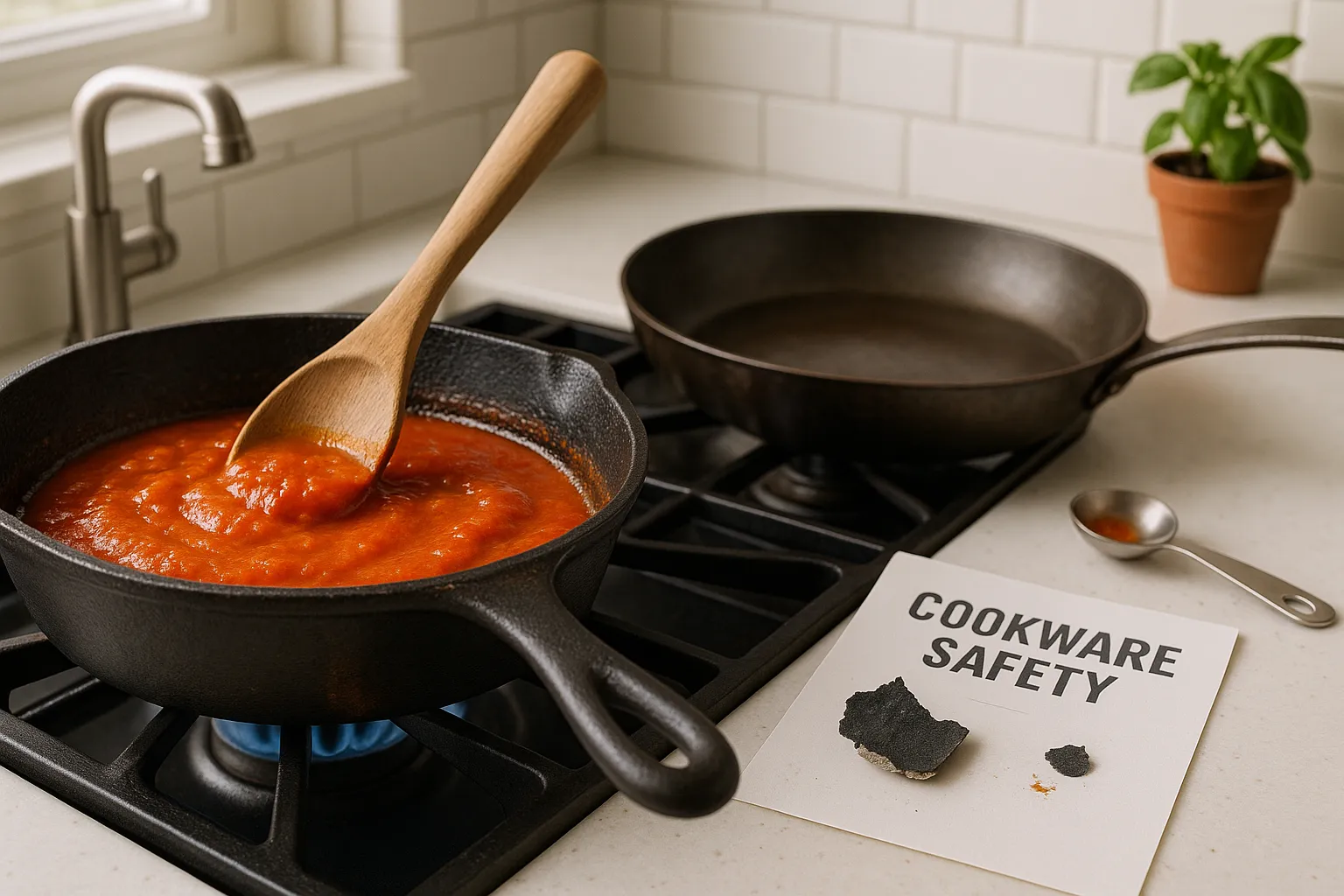
Context: Regulatory bodies such as the U.S. FDA and the World Health Organization set dietary iron limits and safety guidance. If you’re concerned, test a new pan by cooking tomato sauce and noting metal taste or color. That simple test tells you if a pan leaks noticeable iron or has a poor finish.
Seasoning, Protective Layers, And Nonstick Performance
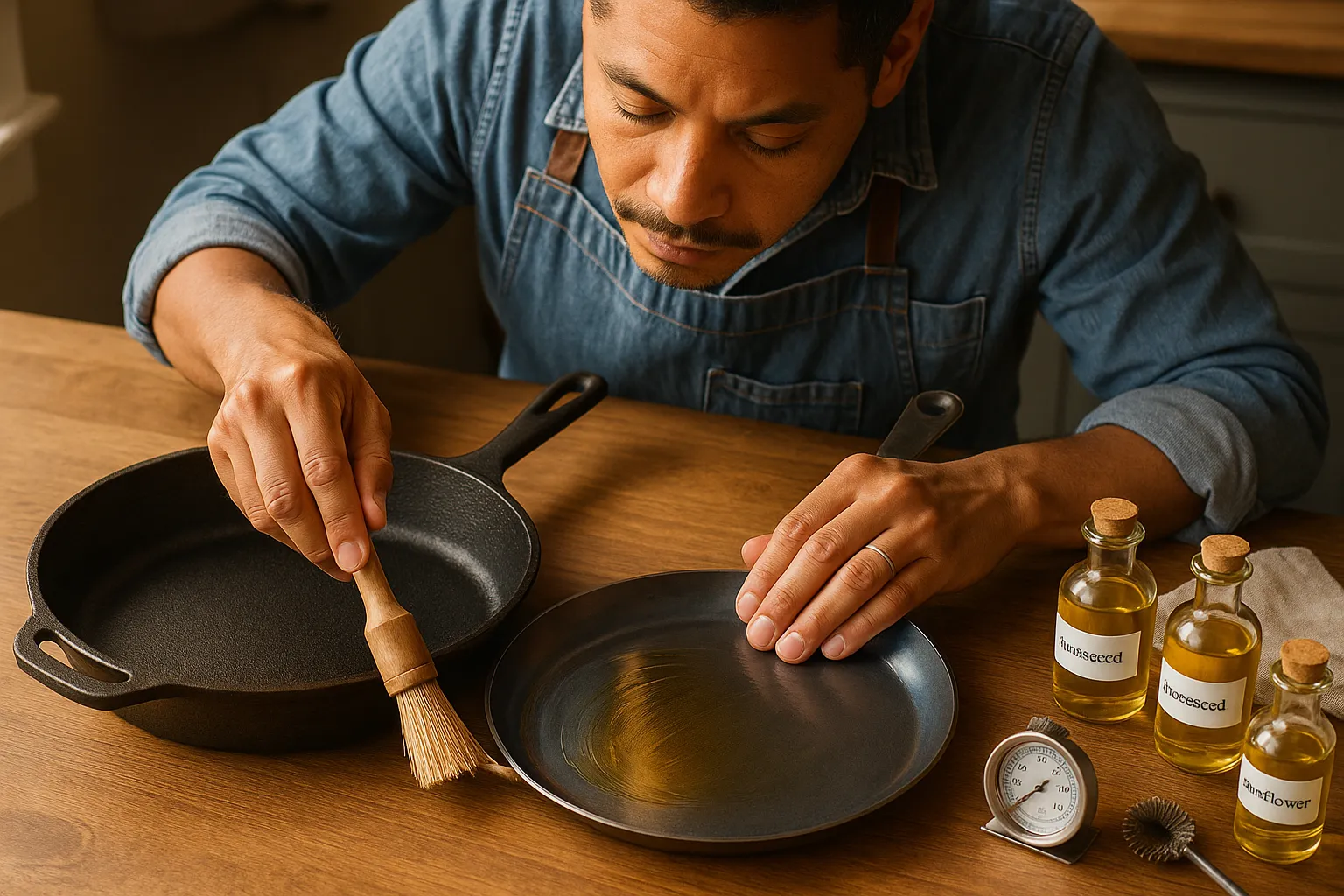
Fact: Seasoning forms a polymerized oil layer that reduces sticking and limits metal exposure. Seasoning is not a factory magic, it’s a chemical process you accelerate with heat. You season by applying a thin oil, then heating the pan past the oil’s smoke point until it polymerizes and bonds to the iron.
Seasoning creates a microlayer that fills surface pores. A well-seasoned cast iron can approach nonstick performance for many tasks. Carbon steel often achieves a smoother, faster-developing seasoning because of its smoother base metal and thinner walls. That lets you get a reliable nonstick surface faster, especially on hot, short-cook items like crepes.
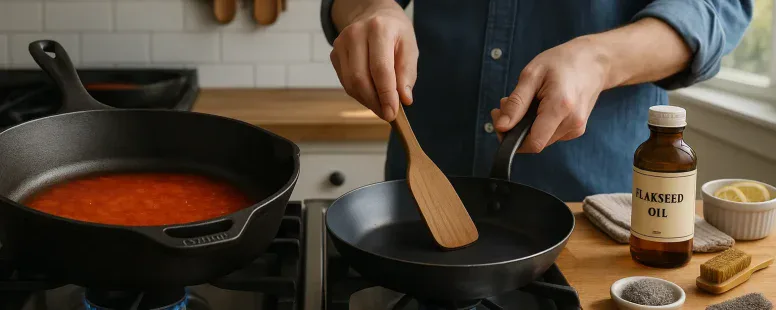
Practical tip: Use flaxseed oil, grapeseed oil, or sunflower oil because they polymerize well: but don’t overdo it, thick coats can produce sticky buildup. If your pan is pre-seasoned, you should still run a quick test and add a personal layer of seasoning using your preferred oil and oven protocol.
Cooking Performance: Heat, Responsiveness, And Food Types
Fact: Cast iron excels at heat retention: carbon steel excels at heat responsiveness. If you want a pan that stays hot when you toss a steak, pick cast iron. If you want quick temperature control for eggs and vegetables, use carbon steel.
Cast iron suits long sears, oven finishing, and frying. It gives a stable crust and even browning. Carbon steel suits high-heat, fast-turn techniques: stir-fry, sauté, and crepes. Chefs in restaurants favor carbon steel for sauté stations because it’s light, heats fast, and you can flip food quickly.
Which foods suit which metal? Use cast iron for thick steaks, cornbread, and deep frying. Use carbon steel for fish fillets, scrambled eggs, and delicate sauces that need quick temperature shifts. If you want one pan to do both, a heavier-gauge carbon steel is a reasonable compromise, but it won’t hold heat like a 12-inch cast iron does.
Cleaning, Maintenance, And Longevity
Fact: Both metals last decades if you clean and maintain them correctly. Cleaning differs by typical use: daily wiping and occasional oiling for carbon steel: occasional deep scrubs for cast iron after heavy use.
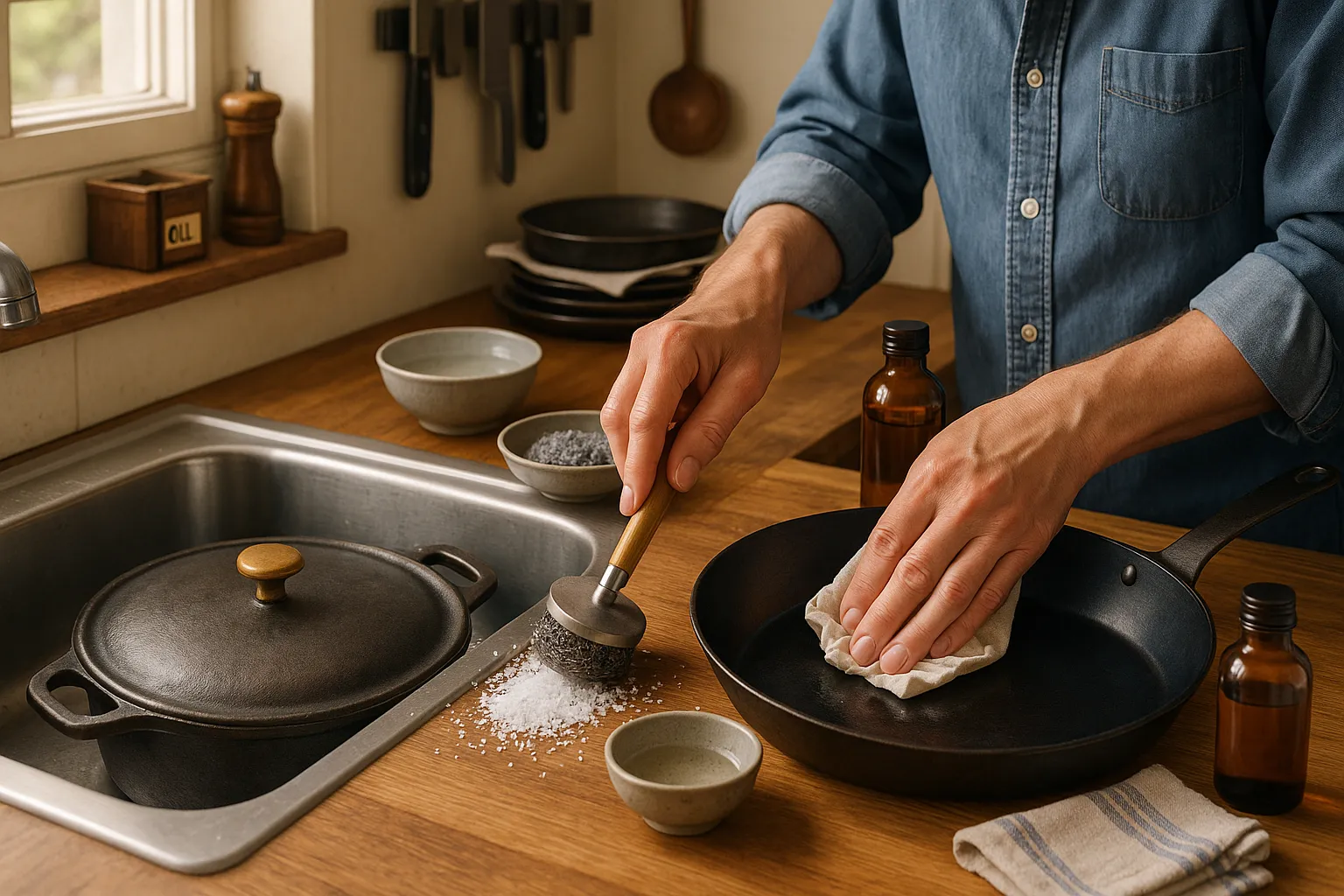
Daily cleaning for carbon steel: wipe with a paper towel, rinse with hot water, dry immediately, and oil lightly. For cast iron: scrape food residue, use coarse salt as an abrasive if needed, rinse minimally, dry thoroughly, and oil. Avoid dishwashers and prolonged soaking for both.
Longevity: a cast iron Dutch oven passed down for generations is common. Carbon steel pans can also last decades but require more frequent seasoning upkeep. If rust appears, scrub to bare metal with steel wool, dry, and reseason. Those actions restore function: they won’t ruin the pan. Two honest mistakes here: leaving pans wet after washing and storing them stacked without protection. Both invite rust and pitting.
Health Considerations And Safe Use Practices
Fact: For most people, a properly maintained iron or carbon steel pan poses minimal health risk and can add dietary iron. You should avoid overheating pans and never use pans with flaking synthetic coatings.
Safe practices: preheat gradually, maintain seasoning, discard pans with flaking factory coatings, and avoid cooking highly acidic foods for long periods in a newly seasoned pan. If you have hemochromatosis, consult your physician about limiting cooking in iron pans: conversely, if you are iron deficient, cooking in these pans may provide a small benefit.
Real-life example: A home cook noted reduced iron-supplement needs after months of frequent tomato-based cooking in cast iron, anecdotal, but plausible. Another person with sensitive palate detected metallic taste when using an unseasoned cast pan: seasoning removed the taste. Those moments matter. Be honest: mistakes like overheating oil until it smokes can damage seasoning and create off-gassing: don’t do that often.
Choosing The Right Pan: Buyer’s Checklist And Recommended Uses
Fact: Choose a pan based on your cooking habits: heat-holding needs, responsiveness, and willingness to maintain seasoning. Below are targeted subsections to help you pick.
Composition And Surface Characteristics, Cast Iron Vs. Carbon Steel
Fact: Cast iron is thicker with a rougher cast surface: carbon steel is thinner and smoother. Choose cast iron for steady, long sears and oven work. Choose carbon steel for quick stovetop work and lighter pans that are easy to flip.
Common Contaminants And Coatings To Avoid
Fact: Avoid pans with flaking PTFE coatings and unclear factory finishes. Look for transparent descriptions from brands like Lodge, Le Creuset (enameled cast iron), and De Buyer. Avoid cheap, unknown imports that don’t state finishing methods.
Iron Leaching: When It’s A Concern And How Much To Expect
Fact: Iron leaches more into acidic foods and from unseasoned surfaces. Typical leaching is small and within dietary norms for most adults. If you have iron overload, avoid frequent acidic cooking in bare pans.
Seasoning Basics: What It Is And Why It Matters
Fact: Seasoning is a baked-on oil layer that provides nonstick and protective properties. You must build and maintain it to reduce sticking and metal transfer.
How Seasoning Affects Toxicity And Nonstick Properties
Fact: Proper seasoning lowers iron transfer and improves nonstick performance. A shiny, black surface usually indicates stable seasoning and reduced metal contact with food.
Which Foods And Techniques Suit Each Metal Best
Fact: Cast iron for long sears, baking, and frying. Carbon steel for sautéing, crepes, and stir-fry. Use each pan where its heat behavior benefits the recipe.
Daily Cleaning Vs. Deep Care: Best Practices
Fact: Clean daily with hot water and a brief wipe: deep care involves reseasoning and rust removal. Schedule deep care monthly or as needed depending on use frequency.
Rust Prevention And Restoration Tips
Fact: Prevent rust by drying immediately and oiling lightly before storage. Restore rusted areas by scrubbing to bare metal, drying, and reseasoning.
Who Should Prefer Cast Iron, Pros And Tradeoffs
Fact: Choose cast iron if you want heat retention, oven use, and low-frequency maintenance. Tradeoffs: weight and slower temperature response.
Who Should Prefer Carbon Steel, Pros And Tradeoffs
Fact: Choose carbon steel if you want light weight, fast response, and quick seasoning. Tradeoffs: more frequent seasoning and slightly less heat retention.
Shopping Tips: Size, Gauge, Handle Design, And Finish
Fact: Match pan size to your stove and cooking: choose thicker gauge for heat stability. Look for comfortable handles (stay-cool or long iron handles) and clear finish info from brands.
What To Avoid: Pre-Seasoned Mistakes, Cheap Coatings, And Imported Concerns
Fact: Avoid pans with vague finish claims, flaking coatings, and sellers who won’t describe materials. Pre-seasoned is fine, but you should add your own seasoning cycle to be sure.
Call to action: Pick one pan based on your primary cooking style, commit to a simple seasoning routine, and you’ll likely have a safe, durable cooking tool for years.
To provide the best experiences, we use technologies like cookies to store and/or access device information. Consenting to these technologies will allow us to process data such as browsing behaviour or unique IDs on this site. Not consenting or withdrawing consent, may adversely affect certain features and functions.
Functional
Always active
The technical storage or access is strictly necessary for the legitimate purpose of enabling the use of a specific service explicitly requested by the subscriber or user, or for the sole purpose of carrying out the transmission of a communication over an electronic communications network.
Preferences
The technical storage or access is necessary for the legitimate purpose of storing preferences that are not requested by the subscriber or user.
Statistics
The technical storage or access that is used exclusively for statistical purposes.The technical storage or access that is used exclusively for anonymous statistical purposes. Without a subpoena, voluntary compliance on the part of your Internet Service Provider, or additional records from a third party, information stored or retrieved for this purpose alone cannot usually be used to identify you.
Marketing
The technical storage or access is required to create user profiles to send advertising, or to track the user on a website or across several websites for similar marketing purposes.