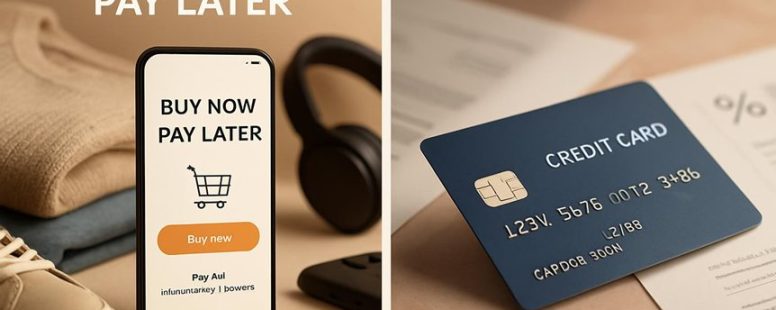
With the surge of Buy Now Pay Later (BNPL) options, many shoppers are tempted by the promise of simplicity—fixed, interest-free payments that feel like a breath of fresh air.
But beneath this ease lies a tangled web of hidden costs that could catch you off guard.
Meanwhile, credit cards shimmer with perks and flexibility, yet they can quickly turn sour if you’re not vigilant.
Navigating these financial tools is like walking a tightrope—each choice asking what you’re willing to give up to keep your wallet balanced.
Surprisingly, BNPL can sometimes offer better budgeting control, but understanding what you’re sacrificing might just be your best financial move.
How BNPL and Credit Cards Work
Buy Now Pay Later (BNPL) and credit cards are both ways to pay for things over time, but they work very differently. BNPL is a simple plan that splits your purchase into fixed payments. Usually, there is no interest if you pay on time, and the loan terms are clear. This makes BNPL easy to understand and use. But it encourages quick buying because it feels like a small, manageable payment. Still, since your spending limit with BNPL is usually lower than with a credit card, you need to plan carefully so you don’t overspend.
Credit cards let you borrow money up to a certain limit. They work on a revolving balance, which means you can keep paying some or all of what you owe each month. Credit cards offer more flexibility but also require you to be responsible. If you don’t pay on time, you get charged interest and fees. Many people use credit cards to buy big items or everyday things, but if you’re not careful, it’s easy to fall into debt.
Some people prefer BNPL for small or planned purchases because it’s simple and interest-free if paid on time. Others like credit cards for bigger purchases or when they want extra spending power. But both options can cause problems if you don’t understand how they work. BNPL might tempt you to buy more than you can afford, while credit cards can lead to high debt if you miss payments.
In the end, knowing how each works helps you use them wisely. BNPL is good for short-term, planned buys, but it’s not meant for big or ongoing expenses. Credit cards give you more freedom but need careful management. Both tools impact your money habits, so think before you buy and always stick to your budget.
Fees and Interest Rates: What to Expect
Choosing between buy now, pay later (BNPL) options and credit cards can be confusing. Here’s what you need to know about fees and interest to make smart choices.
First, BNPL usually has no interest if you pay on time. But if you miss a payment, you might be charged a late fee. Think of it like a friend who lets you borrow money without interest, as long as you pay back quickly. However, some BNPL services can add extra fees if you are late or miss payments.
Credit cards often charge interest on unpaid balances. This interest can add up fast, especially if you only make minimum payments. For example, if you owe $500 and only pay $25 each month, it might take years to pay off, and you’ll pay hundreds of dollars in interest. So, credit cards can be more expensive if you don’t pay the full balance each month.
How you repay also matters. Paying BNPL installments on time keeps you fee-free. But making only minimum payments on a credit card can lead to big interest charges over time. It’s like trying to fill a bucket with a small hole — the longer you take, the more water (money) you lose.
Budgeting is key too. BNPL payments are usually fixed, so it’s easier to plan your monthly expenses. Credit card bills can vary, making it harder to keep track. Do you want predictable payments or flexible spending?
Some people prefer BNPL because it helps with short-term purchases and easier monthly bills. Others prefer credit cards for rewards and building credit, but they need discipline to avoid high interest costs.
In short, BNPL can save you money if you pay on time, but late fees are a risk. Credit cards might seem flexible, but unless you pay the balance in full each month, interest charges can grow fast. Knowing these facts helps you choose what fits your money habits best. Remember, understanding fees and interest can save you a lot of money and stress in the long run.
Common Pitfalls to Avoid With BNPL and Credit Cards
Paying attention to common mistakes with Buy Now Pay Later (BNPL) and credit cards can help you keep your money safe. The biggest problem is overspending. Both options make it easy to buy things quickly. But this can lead you to spend more than you planned, which can make your budget fall apart. Imagine buying a bunch of small things that add up fast—soon, you owe a lot.
Another mistake is missing payments. If you forget to pay on time, you might face late fees and higher interest charges. These can pile up and make it harder to pay off what you owe. Missing payments can also hurt your credit score, making it harder to borrow in the future.
Some people think using BNPL or credit cards is always safe because it’s convenient. But don’t let that trick you. You need a clear plan. For example, set reminders to pay your bills on time. Keep track of what you spend every week. If you don’t, it’s easy to lose control.
There are two sides to this. Some say BNPL and credit cards are helpful tools if used wisely. Others warn that they can lead to debt if not careful. The key is to be honest with yourself about your limits and spend only what you can pay back quickly.
If you’re not careful, you might get caught in a debt trap like a quicksand. So, stay disciplined. Use tools like budgeting apps or alerts. Remember, just because it’s easy to buy now doesn’t mean you should. Your future self will thank you for making smarter choices today.
Payment Flexibility: Which Option Fits Your Budget?
Payment options that fit your budget are important to avoid money stress. Two common choices are Buy Now, Pay Later (BNPL) and credit cards. BNPL lets you split your payment into fixed parts, making it easier to plan. Credit cards let you pay different amounts each month, which can be helpful if your income varies.
If you want to keep your payments simple, BNPL might work better because it sets a clear schedule. But if you need more flexibility, credit cards allow you to pay less some months and more others. Just be careful — paying less one month can lead to higher interest charges later.
Some people prefer BNPL for small purchases like clothes or gadgets, because it helps them budget. Others like credit cards for bigger buys or emergencies, since they can pay over time. Remember, if you don’t pay on time, both options can hurt your credit score or lead to extra fees.
In the end, think about your money flow. Do you get paid the same every month? Can you stick to a fixed plan? Or do your bills change often? Choosing the right payment plan depends on your personal situation. Be honest with yourself — what works today might not work tomorrow.
Payment Scheduling Options
Payment options like Buy Now Pay Later (BNPL) and credit cards help you spread out payments, but they work differently. Knowing how their scheduling options compare can help you choose what fits your budget best.
BNPL is simple. It divides your purchase into fixed payments over a set schedule. For example, if you buy a $100 jacket with BNPL, you might pay $25 every month for four months. This makes planning easier because you know exactly when and how much you’ll pay. Many BNPL services, like Afterpay or Klarna, send you reminders to keep you on track.
Credit cards are more flexible. You can choose to pay any amount above the minimum each month. If you buy a $200 TV, you might pay $50 one month and $150 the next. But with this freedom comes the risk of overspending. If you don’t pay enough, you could end up paying more in interest. Credit cards like Visa or Mastercard also send payment reminders, but it’s up to you to stay within your budget.
Both options have their good and bad sides. BNPL can help you stick to a plan and avoid surprise costs, but it might limit your ability to pay more if you want to pay off faster. Credit cards give you more control, but they require good budgeting skills to prevent debt from piling up.
Imagine BNPL as a train schedule—fixed stops and times—easy to follow. Credit cards are like a river—flowing freely, but you need to steer to avoid crashing into rocks. Pick the one that matches how comfortable you are with planning ahead or adjusting on the fly.
Impact On Monthly Budget
Managing your monthly budget is important because it helps you avoid spending too much. Two tools that can affect your cash flow are Buy Now Pay Later (BNPL) and credit cards.
BNPL means splitting a purchase into smaller payments. For example, if you buy a $200 phone, you might pay $50 each month. This can help you keep track of your expenses better and stay within your budget. But be careful. Because if you see how easy it is to split payments, you might buy more than you need and spend more than you planned. That can hurt your savings goals.
Credit cards give you flexibility and rewards for spending. For example, some cards give points or cash back when you buy things. But if you use your credit card too much or don’t pay it off each month, you can build up debt. This can make it harder to stay within your budget and pay bills on time.
So, how should you decide which to use? Think about your habits. If you prefer strict, scheduled payments to avoid overspending, BNPL might work better. If you are disciplined and want to earn rewards, credit cards can be good. But always be aware of how each option affects your cash flow and long-term savings.
BNPL Vs. Credit Card Rewards and Perks
What is the difference between BNPL and credit card rewards?
Credit cards usually give you points, cash back, and special offers for your spending. For example, a Chase Sapphire card might give you travel points, while a Discover card offers cash back on groceries. These rewards can add up and save you money or get you perks like free flights.
BNPL, or buy now pay later, services like Afterpay or Klarna let you split purchases into smaller payments without extra interest if paid on time. They don’t typically offer points or cash back, but they can help you afford big buys without paying everything upfront.
Which one is better for rewards?
Credit cards are better if you want rewards that give you something back for spending. They often have sign-up bonuses, travel perks, and discounts. But they can also have high interest rates if you don’t pay your balance in full.
BNPL services are simpler. They don’t give points or cash back, but they help you spread out payments. This can be helpful if you want to avoid interest charges on big purchases or manage your cash flow better.
What are the limitations?
Credit rewards can tempt you to spend more than you should, leading to debt if you’re not careful. Plus, some cards have high annual fees or complicated rules.
BNPL services can charge late fees or interest if you miss payments. Also, they don’t build your credit score unless they report to credit bureaus.
Which should you choose?
If you want rewards and are good at paying your bills on time, a credit card might be better. But if you prefer simple payments without extra perks, BNPL can help you avoid interest on small purchases.
Both have their pros and cons. Think about your spending habits and what’s more important to you — rewards or payment flexibility. Would you rather earn points or just spread out payments? That choice depends on your money habits.
Reward Structures Compared
Credit cards and Buy Now Pay Later (BNPL) services are both ways to pay for things, but their rewards are very different. If you want to earn perks while shopping, credit cards usually give you more options. If you just want simple payments without the fuss, BNPL might be easier.
Credit cards often have better reward programs. For example, a Visa or Mastercard from your bank might give cashback, travel points, or discounts with certain stores. These rewards can be worth a lot if you use your card often. Plus, they come with higher spending limits, so you can earn more rewards faster. You can usually redeem your points for statement credits, gift cards, or travel bookings.
BNPL services, like Afterpay or Klarna, focus on making payments easy. They do not usually offer big rewards or points. Sometimes, they might give small perks at specific stores, but the rewards are minimal. They are more about convenience than earning benefits.
Think of credit cards as a rewards map with many paths and options. BNPL is more like a simple, straightforward route with no extra stops. If earning rewards is important to you, credit cards are a better choice. But if you just want to split payments easily, BNPL can do the job.
Perk Availability Differences
Perk availability is an important factor when choosing between Buy Now Pay Later (BNPL) services and credit cards. If perks matter most to you, credit cards are usually better. They offer a wider range of rewards like cashback, loyalty programs, and special discounts. For example, a credit card from Chase or American Express often gives points for every dollar spent and exclusive travel deals. BNPL services like Afterpay or Klarna mostly focus on interest-free payment plans, but they have fewer rewards. They are mainly about making payments easier without extra perks.
When it comes to user experience, credit cards generally provide better customer support and clearer rules for applying. But they also have stricter rules for approval. BNPL options are easier to get started with, often just requiring a quick online sign-up, but they don’t offer many benefits beyond simple payment plans.
If you want rewards like cashback or loyalty points, credit cards are the clear winner. They can help you earn perks while you spend. But if you want something simple, without worrying about interest or complicated rules, BNPL might be a better choice.
How BNPL and Credit Cards Affect Your Credit Score
Buy Now Pay Later (BNPL) and credit cards are both ways to split up your payments, but they affect your credit score differently. Knowing these differences can help you make better money choices.
Here is what you need to know:
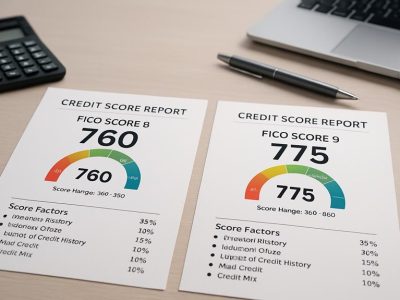
Credit cards can change your credit score directly because they affect your credit utilization and borrowing limits. If you use a lot of your credit, your score can drop. When you pay on time, your score gets better.
BNPL usually does not report to credit bureaus. So, if you miss a payment, it might not hurt your credit right away. But if you keep missing payments, some BNPL companies might report it, which can hurt your score later.
Paying your credit card bills on time is very important. Late payments can quickly lower your credit score and stay on your report for years.
When you apply for a credit card, the bank checks your credit report. This creates a credit inquiry. BNPL does not usually do this, so it doesn’t affect your credit profile as much.
Some people think BNPL is safer because it doesn’t impact your credit if you miss a payment. But others warn that it can lead to overspending, and if your provider reports missed payments later, it can damage your score. Credit cards offer more building blocks to improve your credit if you use them wisely, but they also come with the risk of hurting your score if you don’t pay on time.
Think about your habits. Do you tend to forget payments? Or are you cautious about borrowing? Both options have pros and cons. Just remember, missing credit card payments can do more damage than missing BNPL payments, which might not be reported immediately. So, always pay on time, whether you use a credit card or BNPL.
BNPL and Credit Card Consumer Protections: What You Need to Know
Buy Now Pay Later (BNPL) and credit cards protect consumers differently. Credit cards offer stronger rights backed by federal laws. They provide solid fraud protection and clear ways to solve disputes. If you see unauthorized charges or have payment problems, credit card companies usually have rules to help you.
BNPL services, like Afterpay or Klarna, have fewer rules. They are less open about how they handle problems. This means you might have fewer protections if something goes wrong. For example, if you don’t get what you paid for, it can be harder to get your money back with BNPL. While BNPL companies are trying to improve their rules, they are still behind credit cards in protecting you.
Knowing these differences can save you from surprises. Always read the terms before you buy. Think about what happens if there’s a problem. Do you want the security of a credit card or the simplicity of BNPL? Both have good and bad sides. Be careful and protect your money by choosing the right method.
When to Choose BNPL or Credit Cards
Choosing between Buy Now Pay Later (BNPL) and credit cards depends on your money goals and habits. Here’s what you need to know to make the right choice.
BNPL is best if you want a clear, fixed plan to pay off small purchases. Many BNPL services, like Afterpay or Klarna, let you split payments into equal parts over a few weeks. They usually don’t charge interest if you pay on time, so it’s good for short-term budgeting. If you buy things like clothes, gadgets, or small home items and want to avoid surprise charges, BNPL can be a simple option.
Credit cards are better if you want to build your credit score or need more flexible payments. They let you carry a balance and pay over time, often with interest. Credit cards are also useful for larger or unexpected expenses, like medical bills or travel. Plus, using a credit card responsibly can help you get better loan offers in the future.
Some people prefer BNPL because it feels less risky—no revolving debt or high interest if paid on time. But it can be tricky if you forget to pay or if you use it for big purchases. Credit cards can tempt you to overspend, and high-interest rates can add up quickly if you don’t pay in full each month.
Think about your goals. Do you want to keep your finances simple and avoid interest? BNPL might be best. Are you trying to build credit or need more flexibility? Then a credit card could be smarter. Just remember, no matter what you choose, always read the fine print. Some BNPL options charge late fees, and credit cards can hurt your credit score if misused.
In the end, both tools can work well if you understand their limits. Be honest with yourself about your spending habits and financial goals. That way, you pick what helps you stay on top of your money.
Financial Control Vs. Convenience: What You Trade Choosing BNPL or Credit Cards
Choosing between Buy Now Pay Later (BNPL) and credit cards means deciding if you want quick payments or better control over your spending. Both options have good and bad sides, so understanding them can help you make smarter choices.
BNPL is a way to buy something now and pay later without interest, if paid on time. For example, a store like Afterpay or Klarna lets you split a purchase into smaller payments. It feels easy and quick, but it can make you buy things you don’t really need. If you use BNPL too often, you might forget how much money you really have and overspend. That can hurt your budget over time.
Credit cards give you a record of every payment and sometimes rewards like cash back. They are better for tracking your spending. But if you don’t pay the full balance each month, you get charged high interest. This can lead to debt quickly. Some people find it hard to stay disciplined with credit cards, especially if they’re tempted by rewards or special offers.
Both BNPL and credit cards take away some of your control over money. BNPL makes it easy to buy impulsively, while credit cards can cause overspending if you’re not careful. To stay in control, you should plan your expenses carefully and only use these tools when you know you can pay them off on time.
For example, if you rely too much on BNPL, you might forget about your actual cash flow and end up with bills you can’t pay. On the other hand, if you use credit cards without tracking your spending, you might spend more than you can afford. The key is to balance convenience with discipline. Use these payment options wisely, set reminders for payments, and stick to a budget.
Some people say BNPL is better because it doesn’t charge interest if paid on time. But it can tempt you to buy things you don’t need, leading to debt. Others prefer credit cards for their rewards and clear records but warn that high interest rates can quickly pile up if you’re not careful. Both options can be helpful if used smartly, but they also have risks that can harm your financial health if misused.
To provide the best experiences, we use technologies like cookies to store and/or access device information. Consenting to these technologies will allow us to process data such as browsing behaviour or unique IDs on this site. Not consenting or withdrawing consent, may adversely affect certain features and functions.
Functional
Always active
The technical storage or access is strictly necessary for the legitimate purpose of enabling the use of a specific service explicitly requested by the subscriber or user, or for the sole purpose of carrying out the transmission of a communication over an electronic communications network.
Preferences
The technical storage or access is necessary for the legitimate purpose of storing preferences that are not requested by the subscriber or user.
Statistics
The technical storage or access that is used exclusively for statistical purposes.The technical storage or access that is used exclusively for anonymous statistical purposes. Without a subpoena, voluntary compliance on the part of your Internet Service Provider, or additional records from a third party, information stored or retrieved for this purpose alone cannot usually be used to identify you.
Marketing
The technical storage or access is required to create user profiles to send advertising, or to track the user on a website or across several websites for similar marketing purposes.