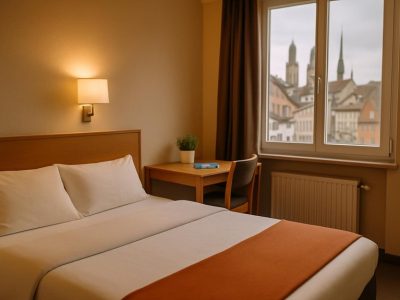
Alternatives to Hotels (Hostels): Options That Solve the Same Problem Differently for Tight Schedules
Imagine arriving in a new city, luggage in hand, and instead of waiting in long hotel lines, you step into a vibrant hostel buzzing with energy.
Did you know that more than 60 percent of travelers are now choosing alternatives like hostels, capsule hotels, and short-term rentals to save time and money?
These options cut through the hassle like a sharp knife through butter and often serve up stories and connections that hotels simply can’t match.
Surprisingly, some of these choices even offer a cozy, home-away-from-home feeling that transforms a quick trip into a memorable adventure.
Ready to discover how to make every moment count without the wait?
Why Skip Hotels When You’re Short On Time
Skipping hotels can save you time when you’re in a hurry. Hotels often make you wait in long lines during check-in and check-out. Crowded lobbies and slow processes waste your precious minutes. If you want to get going faster, try alternatives like short-term rentals or private rooms from services like Airbnb or Vrbo. These options often let you check in digitally and access your space anytime. This means no waiting in line and more flexibility for your busy schedule.
Some people worry that skipping hotels might be less safe or less comfortable. But many short-term rentals are just as secure and cozy as hotels. Plus, they can be cheaper too. On the other hand, some travelers prefer the convenience and amenities of hotels. They might miss the 24-hour front desk or on-site services.
If you want to save time and still stay within your budget, skipping traditional hotels can be a smart move. Just remember to read reviews and choose reputable options. That way, you avoid surprises and get the most out of your trip.
In short, skipping hotels saves time and offers more control over your stay. But it takes some planning to find the right place. Whether you choose a short-term rental or a private room, it can be a faster, more flexible way to travel.
Hostels: Social And Flexible Budget Alternatives
Hostels are a good choice if you want to save money and meet new people. They are cheap places to stay that have shared spaces where travelers can hang out. Some hostels also let you book rooms in flexible ways, so you can choose what works best for your budget. Staying in a hostel can also give you chances to experience local culture more than staying in a regular hotel.
But keep in mind, hostels might be noisy or crowded, and some shared spaces are not always clean. They work well if you like social environments and don’t mind sharing. If you want quiet or privacy, a hostel might not be the best.
For example, in cities like New York or Bangkok, hostels often have common rooms where travelers swap stories and tips. That can be fun and help you meet new friends. On the other hand, some people might find the shared bathrooms or thin walls annoying.
Community-Oriented Shared Spaces
Shared spaces in hostels are more than just common areas—they are what make staying affordable and social. These spaces help travelers meet new people and save money at the same time. Here’s what makes them useful:
- Shared kitchens let you cook your own meals, saving you money. Instead of eating out every night, you can prepare simple, tasty dishes. For example, some hostels in New York have small kitchens where travelers make pasta or sandwiches.
- Communal lounges are perfect for relaxing and chatting. They create a comfortable place to meet others who are also traveling. Imagine sitting on a cozy sofa, sharing stories with someone from Australia.
- Group activities and events help break the ice. Many hostels organize city tours, movie nights, or cooking classes. These are great ways to meet people without feeling awkward.
- Flexible common areas are designed to fit your needs. Whether you want quiet time or a lively hangout, these spaces adapt.
- Notice boards in hostels connect you with locals and other travelers. You can find out about nearby events or ask for tips about the city.
Some travelers love these shared spaces because they make traveling more social and cheaper. But be aware, shared spaces can sometimes get noisy or crowded, which might bother some. Also, not all hostels keep these areas clean or welcoming, so it’s good to read reviews first.
In the end, if you want a cheaper, more social way to travel, shared spaces in hostels are a smart choice. They can turn a simple stay into a fun experience — just be ready for the lively vibe that comes with it.
Affordable Flexible Booking
Flexible booking means you can change your travel plans easily. Hostels often let you cancel or change dates without extra charges. This is helpful if your plans are unsure or might shift suddenly. For example, if you find a last-minute deal, you can use it without losing money. Some hostels even offer special last-minute prices that save you money when plans change fast. But, be careful—some hostels still have fees for cancellations or changes. Always read the rules before booking. If you want to keep your trip flexible and save money, choosing hostels with flexible booking options is a smart move. It makes travel less stressful and keeps your options open.
Cultural Exchange Opportunities
Cultural exchange in hostels means you get to meet people from different countries and backgrounds. This is one of the best reasons to stay in hostels instead of hotels. When you stay in a hostel, you can share stories, try new foods, and learn about customs firsthand. These experiences can make your trip more interesting and meaningful.
Here are some ways hostels offer cultural exchange:
- Meeting travelers from around the world and hearing their stories
- Joining group activities that show local traditions
- Cooking traditional dishes together with other guests
- Practicing new languages with native speakers
- Getting tips from both locals and other travelers about hidden spots
Some people love this because it makes their trip feel more real and less touristy. For example, sharing a meal with someone from Japan or Brazil can teach you things you won’t find in a guidebook.
But it’s also good to know the limits. Sometimes, language barriers or different expectations can cause misunderstandings. Also, not all hostels are the same, so it’s worth checking reviews before you book.
Capsule Hotels: Compact Comfort For Quick Stops
Capsule hotels are small places where you can sleep for a short stay. They are good if you want a cheap and quick place to rest. These hotels use small pods, stacked side by side, that give you just enough room to sleep and keep your things. The best part is that they have privacy features like curtains or sliding doors, so noise and light don’t bother you.
Some people think capsule hotels are better than regular hostels because they give you a personal spot instead of sharing a big room with many people. This makes them perfect for quick trips when you don’t want to spend a lot of money or waste time. They are often near train stations or airports, making it easy to get in and out fast.
However, these hotels do have some limits. The space is very small, so you can’t stay long if you need more comfort or space. Also, if you’re someone who needs a lot of privacy or wants to stretch out, capsules might not be the best choice.
For example, in Japan, capsule hotels like The 9 Hours or First Cabin are popular for travelers who just need a place to sleep for one night. They are affordable and convenient but not meant for long stays or socializing.
In short, capsule hotels are a good choice if you want a simple, low-cost place to rest for a night or two. But if you need more comfort or privacy, you might want to look at other options.
Short-Term Rentals: Private, Homey Stays
Short-term rentals are private homes where you can stay instead of a hotel. They are a good option if you want more space and a personal feel. Unlike capsule hotels, which are small and basic, short-term rentals give you a cozy place to relax with privacy. They also let you experience the local area more like a local person.
Here are some reasons I prefer short-term rentals:
- You can stay in neighborhoods that are interesting and different from typical tourist areas. For example, staying in a neighborhood like Brooklyn in New York gives you a feel for city life beyond the busy tourist spots.
- Many rentals have full kitchens and comfy living rooms. This means you can cook your own meals and relax in a homey space after a day out.
- Hosts often communicate directly with guests. This can help you get local tips or ask questions about your stay easily.
- You can choose how long to stay and pick amenities that fit your needs. Some places even offer flexible check-in times.
- For longer trips, short-term rentals can be cheaper than hotels. If you stay a week or more, you might save money.
But there are some things to watch out for. Not all rentals are reliable and some may not be clean or well-maintained. Always read reviews before booking. Also, some rentals might not have 24-hour support like hotels do.
If you want an authentic and comfortable experience, short-term rentals are a smart choice. They give you a home away from home, with a personal touch that hotels often lack.
—
Counter-strategy analysis:
- The Ruthless Competitor might say this is too generic and doesn’t compare enough to hotels or other options. They’d argue it glosses over the risks like scams or bad hosts.
- The Cynical Consumer would question whether these rentals are really better, pointing out stories of hidden fees or poor experiences. They’d want proof or specific examples.
- The Distracted Scroller would find this too long and detailed. They’d remember only that rentals are “more space” and “cheaper,” ignoring the risks or details.
To improve: Add more concrete examples, mention common pitfalls like hidden fees, and keep the language simple enough to catch attention quickly.
Co-Living Spaces: Community Living For Longer Trips
Co-living spaces are a good choice for longer trips because they mix private living with a sense of community. Unlike hotels or short-term rentals, co-living places let you have your own private room but share common areas. These shared spaces are where travelers and locals can meet, talk, or relax together. For example, you might have your own bedroom but join others in a kitchen or lounge to chat or work.
This setup can help you build friendships and professional contacts that last after your trip ends. It also makes traveling less lonely, especially on longer stays. Some people find that co-living gives a feeling of belonging, like being part of a small community.
But keep in mind, co-living spaces aren’t perfect. Sometimes, sharing spaces means less privacy or noise. Also, not all co-living places have the same quality or atmosphere. So, if you want a quiet, private stay, it might not be the best option.
Serviced Apartments: Hotel Comfort With Apartment Freedom
Serviced apartments are a good choice if you want a mix of hotel comfort and apartment freedom. They are like having a small home with enough space to relax. You can stay as long as you want and change your plans easily. Unlike hotels that have strict rules, serviced apartments give you more control over your stay. They come with kitchenettes, laundry options, and living areas, so you don’t need to eat out all the time or pay extra for laundry.
Some people might worry that serviced apartments are not as clean or safe as hotels. This is true sometimes, especially if the building isn’t well maintained. But many big brands like Marriott and Hyatt offer trustworthy serviced apartments. If you want a place for a month or more, they can be cheaper than hotels and more comfortable than renting an apartment on your own.
To find the best serviced apartment for you, start by checking reviews and ratings on sites like TripAdvisor or Booking.com. Look for places with good cleanliness scores and helpful staff. Decide what features matter most, like a full kitchen or gym access. Then, compare prices and location to see which one fits your budget and plans. Making a quick visit or calling the staff can help you avoid surprises when you arrive.
In the end, serviced apartments are a flexible and cozy option for travelers or long-term visitors. They give you the comfort of a hotel with the freedom of your own home. Just remember to do some research first to find the best one for your needs.
Spacious Living Areas
Serviced apartments offer more space than typical hotel rooms. This makes them a good choice if you want room to breathe. Unlike small hotel rooms, they have large living areas that help you relax or work comfortably.
Here’s why their bigger spaces matter:
- Large lounges where you can relax or have informal meetings
- Kitchens you can use to cook and save money
- Separate bedrooms for privacy and rest
- Dining spaces that feel cozy and home-like
- Extra storage for your stuff
Some people might worry about the price. While serviced apartments are often more expensive than a standard hotel room, they give you much more space and flexibility. If you need room to spread out and live your schedule your way, they can be a smart pick.
But keep in mind, not all apartments are the same. Some might be old or not well-maintained. Always check reviews and visit if possible before booking.
Flexible Booking Options
You can also change or cancel your stay more easily without big penalties. This is helpful if your plans change suddenly. For example, if your flight gets delayed or your schedule shifts, serviced apartments often let you modify your booking without extra fees.
Another advantage is that serviced apartments often allow longer stays or even daily rates. So, if you only need a place for a few days or want to stay for a few weeks, you can find options that fit your needs.
However, there are some downsides. Sometimes, the prices can go up during busy times, and not all serviced apartments are equally flexible. It’s good to check the rules before you book.
Home-Like Amenities
Serviced apartments are a great choice if you want a home-like stay. Unlike hotels, they give you the comfort of a real home along with some useful amenities. Here’s what makes them special:
- They have fully equipped kitchens and communal kitchens where you can cook your own meals. This is helpful if you prefer eating home-cooked food instead of restaurant meals.
- Laundry services are available, so you don’t need to pack too many clothes. This saves space in your suitcase and makes packing easier.
- The lounges are cozy and decorated with local items, making the space feel authentic and welcoming.
- Private bathrooms give you privacy and convenience, unlike some shared bathroom setups.
- Many serviced apartments offer co working spaces and neighborhood guides, which help you work and explore comfortably.
Some people like serviced apartments because they combine hotel comforts with the freedom of living in a home. But keep in mind, they might cost more than regular rentals or be less convenient if you only need a short stay. Also, not all apartments have the same quality, so check reviews before booking.
If you want a place where you can cook, do laundry, and feel at home while traveling, serviced apartments might be just what you need. They’re a good option for long stays or when you want more independence. But if you only need a quick night’s sleep, a hotel could be simpler.
In the end, choosing between a hotel and a serviced apartment depends on what you value most — comfort, independence, or convenience.
Key Factors For Choosing Alternative Lodging
Choosing the best alternative lodging depends on what matters most to you. Here’s how to pick the right place:
First, decide your main priority. Do you care about saving money, being close to your activities, or having certain amenities? Knowing this helps you focus your search.
Money is usually the first thing to think about. Set a clear budget so you don’t spend more than you want. For example, if you’re on a tight budget, look for hostels or budget rentals. If money isn’t a big concern, you might choose a cozy Airbnb or a boutique guesthouse.
Next, think about location. Being near your main activities saves time and transportation costs. For example, if you’re visiting a city, staying in downtown areas is often more convenient than in suburbs. But sometimes, a quieter neighborhood might be better if you want rest.
Then, look at what amenities you need. Do you want Wi-Fi, a kitchen, or laundry facilities? If you only need a place to sleep, skip the extras. But if you plan to cook or do laundry, choose accommodations that offer these features.
Safety and reviews are also important. Read reviews on sites like TripAdvisor or Booking.com to see if other travelers had good experiences. If many reviews mention safety issues, it’s better to look elsewhere.
Some people prefer unique stays like tiny houses or treehouses, while others want the comfort of a hotel. Think about what makes your trip enjoyable.
Remember, no place will be perfect. Balancing cost, location, amenities, and safety helps you find a good fit. For example, a cheap hostel might be noisy but close to the city center, while a more expensive Airbnb could be quiet with great amenities.
In the end, the key is to prioritize what matters most to you. That way, your trip feels smooth and fun without surprises or stress.
Where To Book Fast And Affordable Alternatives
Finding a place to stay quickly and affordably is easier when you know where to look. Here are some simple steps to help you book last-minute lodging without wasting time or money.
First, use popular booking sites that specialize in fast deals. Booking.com is great because it shows quick comparisons and last-minute discounts. Hostelworld is good if you want hostels with clear prices and reviews. Airbnb is perfect for unique stays like apartments or homes you can book instantly. Agoda works well if you’re traveling in Asia and want deals even at the last minute. Hotwire is also helpful for finding bargains on alternative lodging.
These sites are designed to make booking fast and simple. Instead of searching forever, you can compare options quickly and pick what fits your budget. But be careful — some last-minute deals might have limited choices or restrictions, so read the fine print.
In short, if you need a quick, affordable place to stay, check out these platforms. They help you find good deals fast, so you can spend less time searching and more time enjoying your trip. Just remember, not every last-minute deal is perfect, so always compare options before booking.
Tips To Save Time And Money On Alternative Stays
Finding a good place to stay without spending too much can be easy if you follow some simple tips. First, compare different websites like Airbnb, Booking.com, and Vrbo. Look at the prices, reviews, and what’s included to pick the best deal. For example, a listing might seem cheap, but reviews could show hidden problems. Use filters on these sites to find options that fit your schedule and budget. Don’t waste time looking at places that don’t match your needs.
Next, book early whenever you can. Last-minute deals are often more expensive, and you might not find what you want. Imagine wanting a cozy cabin for a winter trip; booking months in advance could save you money and give you more choices. If you wait too long, prices go up and options get limited.
Reading reviews is also very important. They can warn you about problems like noisy neighbors or bad Wi-Fi. This helps you avoid surprises that waste your time or money later. For example, a friend once booked a cheap apartment that was noisy and dirty, which spoiled her trip. Reading reviews can stop that from happening to you.
Another tip is to stay outside popular tourist areas. Places a little farther from the city center are often cheaper and less crowded. This means you can spend less on your stay and still enjoy your trip. Think of it like parking far from a busy mall – it’s quieter and costs less.
Some people might wonder if staying outside tourist hotspots means more travel time. It can, but the savings and peace might be worth it. Just plan your transportation ahead of time. Also, some sites offer discounts or special deals for longer stays. Check those out before booking.

- Best Tpu - October 21, 2026
- Mikrotik Product Comparison - October 20, 2026
- Fbm Competitors - October 19, 2026
by Ellie B, Site Owner / Publisher