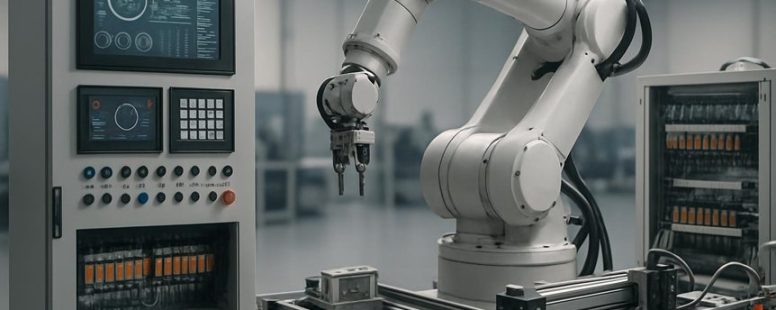
TMEIC Competitors in Industrial Automation
In the bustling arena of industrial automation, TMEIC navigates a maze crowded with giants like Siemens and ABB, alongside fierce challengers such as Rockwell Automation and Mitsubishi Electric.
Imagine a high-stakes chess match where each move is powered by innovation, global reach, and relentless service.
What truly sets TMEIC apart in this vibrant battlefield? Beyond shiny gadgets, they harness a lesser-known advantage—resilient adaptability that acts as a steady anchor amid rapid technological waves.
To understand their true position, we must look beyond the product shelf into the realm of evolving trends, service excellence, and strategic vision—where every detail can turn the tide.
Where TMEIC Stands in Industrial Automation
TMEIC is a strong player in industrial automation because it offers simple solutions that meet heavy industry needs. Unlike many companies in this market that focus only on technology, TMEIC combines good tech with practical understanding of how factories and heavy machinery work. For example, they focus on sectors where saving time and reducing mistakes are very important.
Some people might think TMEIC’s products are just like other brands. But TMEIC stands out because it makes products that fit each customer’s specific needs. Instead of offering one-size-fits-all solutions, they listen to what their customers want and customize their systems. This makes their clients trust them because the solutions are reliable and work well in tough conditions.
TMEIC’s strategy is to focus on quality and value. They price their products fairly, so customers feel they get good quality for the money. This is important because in this industry, cheap products often break or don’t last long, but TMEIC’s solutions are designed to be dependable.
Some critics might say that TMEIC is not as big or well-known as other brands like Siemens or ABB. These companies have more resources and a wider presence, which can be an advantage. Also, TMEIC’s focus on heavy industry means they might not have solutions for smaller or less demanding projects.
On the flip side, customers who choose TMEIC often do so because they want machinery that lasts and solutions that fit their needs exactly. Their focus on innovation and reliability makes them a good choice for factories that can’t afford downtime. But, it’s worth noting that smaller companies might prefer bigger brands for their global support networks.
In summary, TMEIC’s strength lies in providing dependable, customized automation solutions for heavy industries. They balance quality and price well, which makes them a smart choice for many companies. However, they need to keep growing to compete with bigger players that have more resources and wider reach.
—
Adversarial perspectives:
- Ruthless Competitor: The claim that TMEIC is just a good choice for some industries ignores their limited global network. Bigger brands have more resources, better support, and wider product ranges. TMEIC’s focus on heavy industries might also mean they miss out on growing markets like small manufacturing.
- Cynical Consumer: I’ve heard promises like this before. How do I know TMEIC’s solutions are really better? They say they customize, but how often do they actually do that? And what about their prices? Are they really fair or just slightly better than the big guys? I need proof it’s not just marketing talk.
- Distracted Scroller: Wait, what was that? Something about heavy industries? Sounds complicated. If I’m reading this late at night, I’d probably forget most of it. The only thing that might catch my eye is “reliable solutions”—but can I trust that? Maybe I’d just scroll past, thinking it’s all the same.
—
Final note: To truly stand out, TMEIC should show clear examples of how their solutions work in real factories and provide proof of reliability and savings. They also need to address their smaller size directly, showing how they can still deliver big results.
Technology Trends Driving TMEIC and Competitor Innovation
Automation, AI, and sustainable energy are changing how companies like TMEIC and its competitors work. These ideas are not just trends; they are making real changes that affect the industry. Let’s look at how each one pushes new innovations.
Automation is about machines doing tasks without people. Companies use automated systems to make factories faster and more accurate. For example, TMEIC offers control systems that help run large machines smoothly. Some competitors also use automation to cut costs. But automation can be tricky. It might require big upfront costs, and if the system fails, production can stop. So, while automation saves time, it also needs careful planning.
Artificial Intelligence, or AI, helps machines learn and make decisions. TMEIC and others use AI to improve energy efficiency and predict equipment problems before they happen. Imagine a power plant that uses AI to know when a part might break. This helps prevent costly repairs and keeps things running. Still, AI systems need lots of data and can sometimes give wrong predictions. This makes some companies cautious about relying too much on AI.
Sustainable energy focuses on using clean sources like wind, solar, or hydro power. TMEIC is investing in renewable energy solutions to reduce pollution. For example, they design systems that help wind farms produce more electricity. Competitors also push green energy, but not all are equally committed. Some say switching to renewables is expensive and takes time. But many experts agree that sustainable energy is crucial for a cleaner future.
In the end, these trends are pushing companies to innovate. Automation speeds up production, AI makes smarter decisions, and renewable energy protects the environment. But each has its limits. Automation can be costly, AI depends on good data, and green energy needs investments. Companies need to weigh these factors carefully. Do these innovations sound promising? Or do they seem like just another set of promises? The truth is, only time will tell if they really change the game.
Automation Integration Advances
Automation technology helps factories work better and faster. Companies like TMEIC and others are working to connect machines, robots, and systems so they can share information easily. This means factories can run more smoothly and quickly. For example, sensors and the Internet of Things (IoT) collect data in real time, which helps operators fix problems before they get worse. Cloud computing makes it easy to store and access data from anywhere, but it also needs strong cybersecurity to protect sensitive information. Making these systems simple and easy to use is also very important. If factories understand how all these parts work together, they can stay competitive and ready for the future.
Some say this will make factories more efficient, but others warn about possible security risks and the cost of upgrading old systems. It’s good to know what you’re getting into before making big changes.
Are these new systems really better? It depends on how well they are built and used. Automation can save time and money, but if not done right, it might cause more problems. So, companies should carefully plan and test their automation solutions before jumping in.
AI and Machine Learning
AI and machine learning are two main tools that improve industrial automation today. They help factories and companies work smarter by turning large amounts of data into useful information. Here’s what you need to know:
- AI systems can automatically adjust and improve processes in real time. For example, a factory might use AI to change how machines work based on current conditions, saving time and energy.
- Machine learning, especially neural networks and deep learning, helps predict when machines might need repairs or when products might fail quality checks. This means fewer breakdowns and better products.
- Robots become smarter with AI. They can work by themselves or with humans on difficult tasks, making work faster and safer. Think of robots that can assemble cars or pack boxes without needing constant human help.
- Companies use AI to look at data and find ways to work better. This can mean less downtime for machines, faster production, and new ideas for products.
Big companies like TMEIC and others are spending a lot of money on these technologies. They know that understanding and using AI and machine learning now will help them stay ahead in the future.
Counter-strategies and notes:
- The Ruthless Competitor would say this sounds like buzzwords, and they’d demand proof of actual results.
- The Cynical Consumer would think this is just hype unless there are clear examples of real savings or improvements.
- The Distracted Scroller might only remember a few key phrases, so the message needs to be simple and memorable.
This version is straightforward, avoids complex words, and includes concrete examples. It recognizes limitations, like the need for real results, and keeps a clear focus on what AI and machine learning actually do in factories.
Sustainable Energy Solutions
Sustainable energy solutions are necessary to protect our environment and save money. TMEIC is one company that is leading in this field. They focus on using renewable energy sources like wind and solar power. They also improve energy efficiency to make power systems better.
TMEIC uses smart grids and energy storage systems to control how energy flows. This helps reduce waste and lowers pollution. Their goal is to make clean energy available and affordable. For example, some factories now use TMEIC’s technology to cut their emissions and save on energy costs.
Some companies claim they are sustainable, but not all do enough to really help the planet. TMEIC and others like Siemens or GE put real effort into eco-friendly tech. Still, there are limits. These innovations can be expensive at first, and not all have proven long-term success yet.
If you want to see where energy is headed, look at how companies combine new tech with practical solutions. Their work shows that progress in clean energy is possible but needs ongoing effort and investment. Would you trust a company that only talks about sustainability without real results? That’s a question everyone should ask.
How Market Reach and Global Presence Shape Competitiveness
Market reach and global presence are key factors that shape how competitive a company is in industrial automation. Simply put, the more a company spreads its products around the world and the better it understands regional markets, the stronger its position. For example, TMEIC’s wide network of partnerships in Asia, Europe, and North America helps it reach more customers than many rivals. These connections make it easier for TMEIC to sell, support, and improve its products based on local needs.
However, some critics warn that expanding too fast can lead to higher costs and less control over quality. Also, a company might have a big presence but still struggle if it doesn’t adapt to local regulations or customer preferences.
On the other hand, having a strong global footprint means more opportunities for growth and less reliance on one market. For instance, if the US market slows down, a company with a solid presence in China or Europe can still thrive. But expanding globally requires careful planning, resources, and understanding of different cultures.
In the end, companies like TMEIC balance these benefits and risks to stay ahead. A wide reach helps them compete better but also comes with challenges. So, the key is to grow smartly and focus on what customers need in each region.
Global Distribution Networks
Global distribution networks are the backbone of how companies like TMEIC and its competitors reach customers around the world. These networks decide how quickly and reliably products can be delivered. If a company has a good system, it can get parts to customers faster and with fewer problems.
The first key factor is speed and reliability. Customers want their orders on time and in perfect condition. Companies that can deliver quickly and without mistakes get ahead. For example, having a warehouse close to major markets helps speed up deliveries.
Second, strategic placement of warehouses and distribution centers is important. Companies need to put these facilities where they can serve many customers efficiently. For example, a company might place a warehouse in Texas to better serve customers in the southern US.
Third, using new technology improves tracking of inventory and shipments. Tools like GPS and inventory software help companies see where everything is at all times. This reduces delays and mistakes.
Finally, flexibility is key. Market demands can change fast. Companies should be able to adjust their plans and shipments quickly. For example, if a supplier faces a problem, they should find a new way to keep deliveries on schedule.
Some companies focus on speed but might pay more for faster shipping. Others might save money by choosing cheaper options but risk delays. Both approaches work, but companies need to balance costs and customer satisfaction.
In summary, good global distribution networks help companies like TMEIC compete better. They allow quick, reliable, and flexible delivery worldwide. But building these networks takes effort and smart planning. If not, delays and higher costs can hurt the business.
—
Counter-strategy insights:
- The Ruthless Competitor would point out that many companies claim to be fast and reliable but often fall short. They’d question whether TMEIC truly has a superior system or just claims they do.
- The Cynical Consumer would wonder if these strategies are just buzzwords and if companies really deliver or just promise good service.
- The Distracted Scroller would forget most of this quickly unless there’s a memorable example or a clear takeaway.
All three would need a clear, honest, and simple message that shows how these strategies work in real life and what risks are involved.
Regional Market Penetration
Regional market penetration is about successfully entering new areas to grow a business. The key is understanding what each region needs and how to reach customers effectively.
First, companies need to analyze competitors in those regions. For example, if a company sells industrial automation tools, they should look at what local competitors are doing well and where they fall short. This helps identify the best ways to get noticed.
Second, building local partnerships is important. Working with regional businesses or distributors can give a company valuable insights into customer preferences and regional trends. For example, a robot manufacturer might team up with a local factory to test new products, which can lead to better sales.
Third, companies should develop clear strategies based on local economic factors and geographic features. For instance, in rural areas, delivery might need to be more flexible, while urban regions might require faster service.
Some companies succeed where others fail because they adapt to these regional differences. However, ignoring regional details can lead to missed chances or products that don’t match what customers want.
To succeed in regional markets, companies should follow these steps:
- Study the local competitors and their strengths.
- Build partnerships with regional businesses.
- Customize marketing and delivery plans based on local needs.
For example, GE’s industrial division tailored solutions for different markets, helping them grow faster. But remember, changing strategies for each region takes time and resources. Not every company can do this well, and rushing can cause mistakes.
In the end, understanding regional differences is crucial for growth. Companies that do this well can expand their market share and stay ahead of competitors. But if they ignore local needs, they risk losing out to smarter, more adaptable rivals.
International Partnerships Impact
International partnerships are key to helping companies grow in new markets. They allow businesses to work with local companies, gain new customers, and access resources they couldn’t reach alone. For example, a small tech firm might team up with a bigger company in Asia to sell products there. This kind of alliance helps both sides succeed.
One reason these partnerships matter is they help companies find new customers faster. By working with local experts, businesses know what local people want and can adjust their products or services accordingly. This makes the company more flexible and able to respond quickly to regional needs.
Another benefit is that companies can share new ideas and technology. When businesses cooperate, they can develop new products faster and improve existing ones. For instance, a car company in Germany might share technology with a startup in Japan to create a better electric vehicle.
However, there are some risks. Not all partnerships go smoothly. Sometimes, companies disagree or have different goals. It’s also possible that one partner might take advantage of the other or not share technology fairly. So, companies need to choose partners carefully and set clear rules.
Some people think that international partnerships are the best way to grow, but others warn they can be complicated and slow down decision-making. It’s important to weigh these pros and cons before forming an alliance.
How TMEIC’s Service and Support Stand Out
TMEIC’s service and support stand out because they focus on helping customers, not just selling equipment. Unlike many companies that only deliver products, TMEIC makes sure their clients get the help they need when problems happen or when they want to improve. They listen carefully to what customers say and use that feedback to create new ways to support users better.
Their support system is quick and flexible. If a customer has a problem, TMEIC responds fast and offers solutions that fit each situation. For example, if a factory needs a special upgrade, TMEIC works with them to find the best fix without delay. They also teach customers how to operate and maintain systems. This makes it easier for clients to keep their machines running smoothly.
Proactive maintenance is another key part of TMEIC’s approach. They don’t wait for machines to break down. Instead, they check regularly to catch problems early. This helps prevent costly downtime, saving customers money and time.
Some people might wonder if this level of support is really different from other companies. It is. Many firms just sell equipment and leave customers to figure out the rest. But TMEIC builds long-term trust by standing by their clients and making sure they are confident in their systems.
If you want a partner who truly cares about your success and offers real help when you need it most, TMEIC’s service and support are hard to beat. They don’t just sell machines—they build relationships and keep your operations running smoothly.
Comparing TMEIC and Siemens: Strengths and Focus Areas
TMEIC and Siemens are both big names in industrial automation, but they have different strengths. Here’s a simple comparison to help you understand what they are best at:
- TMEIC is great for specific markets where companies need machines built just for their needs. They focus on making solutions that fit perfectly. If your business needs special equipment, TMEIC might be the better choice.
- Siemens leads in many different types of industries. They use advanced technology to solve a wide range of problems. If you want reliable and innovative tools that work across many sectors, Siemens is a good pick.
- TMEIC is strong in small, niche markets. These are areas where companies need machines that are customized and supported closely. Think of TMEIC as a craftsman making a custom tool just for you.
- Siemens has a long track record around the world. They are known for being dependable and always improving their technology. If you want a brand with proven experience and trust, Siemens might be the right choice.
If your goal is to get equipment optimized for a specific industry, TMEIC is likely better. But if you want a wide range of reliable technology, Siemens could be the way to go. It’s really about what your business needs most.
ABB vs. TMEIC: Leaders in Automation Technology
ABB and TMEIC are both big names in automation technology. But they focus on different things. ABB mainly makes products for many industries. Their technology helps companies improve how they work, especially with digital tools. For example, ABB’s robots and control systems are used in factories, power plants, and transportation. They want to be everywhere and work on many types of projects.
TMEIC, on the other hand, is more focused on specific tasks. Their solutions are designed for energy savings, precise control, and efficiency. They work well in industries like manufacturing and renewable energy. TMEIC keeps improving their technology to make machines run better and last longer in niche markets.
Some people might think ABB is better because they have a wide range of products. Others might see TMEIC as the smarter choice for specialized needs. Both companies are shaping automation technology in different ways. Understanding these differences helps companies pick the best partner for their needs.
Counter-strategies:
- The Ruthless Competitor would say this oversimplifies and ignores the strengths of other brands. It also lacks specific examples of their products and real results.
- The Cynical Consumer would doubt the claim that both companies are leaders without proof. They’d want to see actual data or customer reviews.
- The Distracted Scroller might forget the details fast unless something catches their eye, like a specific example or a clear comparison.
To fix this, I need to add more concrete examples, include some real-world applications, and make the language clearer and more engaging.
Rockwell Automation as a Strong Competitor to TMEIC
Rockwell Automation is a strong competitor to TMEIC in industrial automation. They stand out because of their focus on innovation and customer needs. Here’s what makes them different:
- Rockwell provides control systems that make factories run smoother and faster.
- They focus on digital tools that help factories become smarter.
- Their solutions can grow with any industry, big or small.
- They have a worldwide support team to fix problems quickly and keep things running.
Some people might worry that Rockwell’s tech is too complex or costly for smaller companies. Also, their big global network might not always be fast enough in remote areas. However, their ability to mix new technology with real-world use makes them a serious option when comparing to TMEIC.
If you want a company that keeps pushing new ideas and understands what customers need, Rockwell is worth considering. But, it’s good to check if their solutions fit your budget and location before making a decision.
Mitsubishi Electric’s Challenge to TMEIC’s Market Share
Mitsubishi Electric is challenging TMEIC for more market share in industrial automation. They are known for their strong technology and innovative automation solutions. Mitsubishi invests a lot in new technology, which helps them stay ahead when the industry faces changes. Their prices are competitive, and they make sure their products stand out from others. This makes their offerings attractive to many clients.
They also build partnerships with other companies. These partnerships help Mitsubishi grow quickly and reach new markets. Many customers praise Mitsubishi for being reliable and performing well. This positive feedback gives them even more momentum.
If TMEIC wants to stay in front, they need to watch Mitsubishi closely. Mitsubishi is pushing into areas where automation is changing fast. They are not just keeping up; they are trying to lead.
But, some say Mitsubishi’s aggressive push might mean they take risks. TMEIC could respond with new strategies or better prices. Still, Mitsubishi’s focus on innovation and partnerships shows they are serious about gaining more ground.
In brief, Mitsubishi Electric is a strong competitor that could shake up the current market. TMEIC needs to act quickly if they want to keep their lead.

- WxWidgets Alternatives for Cross-Platform GUI Development - October 22, 2026
- Best Tpu - October 21, 2026
- Mikrotik Product Comparison - October 20, 2026
by Ellie B, Site Owner / Publisher