Imagine the crackle of anticipation as friends gather around a table, the clink of tokens, and the scent of fresh cards filling the air. Some game nights feel like serene escapes, while others ignite fierce competition that leaves everyone breathless.
The secret lies in whether you’re playing a board game or a card game—and where their subtle differences weave their magic. These distinctions shape not only how we play but also how deeply we connect, offering unexpected benefits like sharpening strategic thinking without the heavy pressure.
By understanding these nuances, you can craft the perfect atmosphere for any gathering—whether it’s a quiet evening or a lively showdown.
What Are the Main Differences Between Board and Card Games?
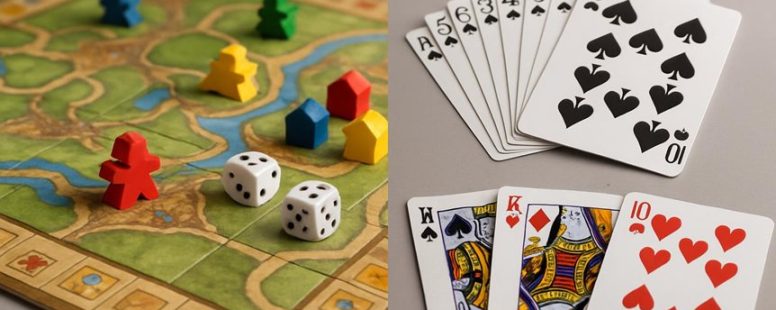
Board games are games played on a flat surface with pieces, tokens, or figures. They often cover a wide range of themes, like fantasy adventures or historical battles. For example, games like Monopoly or Settlers of Catan involve players moving pieces around a board to achieve goals. These games usually need more space and can take longer to finish. They often attract bigger groups and families because they involve multiple players.
Card games are played with a deck of cards, like Poker or Uno. They tend to focus on specific rules and the cards you collect or play. Card games are usually easier to set up and carry around, making them perfect for quick fun at a coffee shop or during a short break. They generally appeal to smaller groups or just two players, making them more portable and simple to learn.
The main difference is that board games offer more variety in themes and longer play sessions, while card games focus on quick, straightforward gameplay. Some people prefer board games for the immersive experience, while others like the easy access and portability of card games. Knowing these differences can help you pick the right game for your mood, whether you want a complex adventure or casual fun.
How Do Setup and Components Vary in Board and Card Games?
Board games typically need more time to set up because they have bigger pieces and larger playing surfaces. For example, games like Monopoly or Settlers of Catan require players to organize many components such as game boards, tokens, and cards. This can take several minutes before playing begins. Card games, on the other hand, are usually quicker to start because they only need a deck of cards or a few small pieces. Think about Poker or Uno—these games only need the cards to be shuffled and dealt.
The materials used for these games also differ. Boards are often made from cardboard or plastic, which makes them sturdy but sometimes bulky to store. Cards are typically made from paper or cardstock, which are lighter and easier to carry but can wear out faster if used a lot. Some card games come with plastic-coated cards that last longer, but they may cost more.
Some players prefer the quick setup of card games because they can start playing almost right away. Others like board games for the bigger experience, even if they take longer to prepare. A warning is that bigger games can be more frustrating if you don’t have enough space or time. Meanwhile, card games are great for quick fun or when you’re on the go.
Setup Complexity Differences
Setting up a board game takes more time and effort than setting up a card game. This is because board games usually need you to organize many parts like the game board, tokens, and pieces. For example, games like Settlers of Catan or Ticket to Ride require players to arrange the board, place tokens, and set up different components before starting. This makes the setup process longer but also adds to the game’s story and theme.
On the other hand, most card games are quicker to prepare. You often just shuffle the deck and deal cards to players, like in Poker or Uno. These games usually don’t need much setup, so players can start playing faster. Card games focus more on strategy during the game, while board games often demand more work upfront but give a more immersive experience.
Some people prefer quick setup games for a fast play, especially if they don’t have much time. Others enjoy the rich stories and detailed setups of board games, even if it takes longer to prepare. Both types have their good and bad sides, so the choice depends on what players want — speed or depth.
Components and Material Variations
Components and material variations are important for both board games and card games because they affect how the game plays and how long it lasts.
Board games use physical pieces like tokens, dice, and game boards. These parts can be made from different materials such as cardboard, plastic, or wood. For example, classic games like Monopoly use cardboard tokens and a cardboard game board, which are cheaper but can wear out faster. On the other hand, some high-end games use wooden pieces that last longer and feel better to hold. Dice in board games add an element of chance. Well-made dice, often made of plastic or metal, need to be sturdy so they roll fairly every time. If dice are cheap or poorly made, they might get chipped or give unfair results.
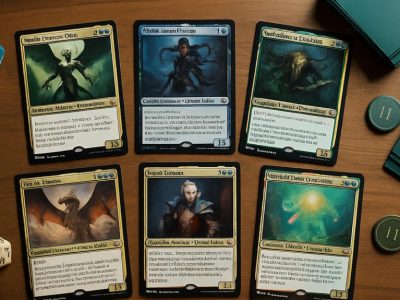
Card games mainly use decks of cards. Most cards are made of paper or plastic. Plastic cards are more durable and easier to shuffle many times, but they tend to be more expensive. Paper cards are lighter and cheaper, but they may tear or bend after a lot of use. A popular example is Magic: The Gathering, which uses plastic cards that can last for years with proper handling.
Some players prefer sturdy game components because they last longer, especially if they play often. But, cheaper materials can make games more affordable for casual players. Be careful though, because poorly made dice or cards can ruin the fun. For instance, a set of dice that chips easily might lead to disagreements about fairness or just become frustrating.
What Key Mechanics Set Board Games Apart From Card Games?
Board games are different from card games mainly because of their physical parts. For example, many board games have detailed game boards, miniatures, and tokens. These items make the game more real and give players something to touch and move around. Imagine playing Monopoly with a colorful board and little paper houses — it feels more like you are building a city than just drawing cards.
Player interaction is also different. In many board games, players make moves that affect everyone directly. It’s like a team sport where you plan and think ahead. Card games, on the other hand, often use hidden cards that only you can see. This makes players guess what others have and react quickly. For example, in Poker, you hide your cards and try to read your opponents’ expressions.
Another big difference is how long it takes to set up. Most board games need more time because you have to arrange the game board, organize pieces, and prepare everything. This can be fun but also frustrating if you just want to start playing fast. Card games tend to be easier and quicker to set up. For example, Uno only needs a deck of cards and a flat surface.
Some people prefer board games because they feel more like an adventure or a puzzle. Others like card games for their quick pace and small size. Both types have their own charm, but knowing what makes them different helps you pick the right game for any occasion.
Physical Game Components
Board games are often more fun because of their physical parts. Unlike cards, board games usually have miniatures, which are small figures that players can move around the board. These miniatures make the game feel more real and exciting. Some miniatures are very detailed and can be collected by fans. The pieces in board games are also made from strong materials like thick cardboard, plastic, or wood. This helps them last through many game sessions without breaking. Cards, on the other hand, are more delicate and can get worn out faster. The physical parts of a board game make playing feel more real and enjoyable. They help players get more involved and make the game look better too.
Player Interaction Styles
Board games are known for encouraging more interaction between players than card games. Unlike card games that often focus on individual choices and luck, board games promote teamwork, competition, and communication. For example, players might work together to build a city or fight against each other to win. This makes playing more lively and exciting because players react to each other’s moves.
Board games often need players to talk, bargain, or cooperate. This helps build friendships and makes the game more social. Imagine playing Monopoly with friends and trying to decide who gets what property. That kind of interaction makes the game more fun and memorable.
There are two views about how much interaction board games should have. Some say that more interaction makes the game more fun and emotional. Others think it can slow down the game or cause arguments. It is good to remember that not all players enjoy a very competitive or talkative game.
In simple words, board games create a more connected experience because they make players communicate and work together. This can make the game more exciting and emotionally engaging. But, it also depends on what players like. Some may prefer games where they play alone or make decisions quietly.
Game Setup Complexity
Board games usually take more time and steps to set up than card games. Card games mostly need players to shuffle the deck and deal cards. With board games, you often have to do more. Here are some common setup steps:
You need to organize all the pieces like tokens, miniatures, and cards. This helps the game run smoothly without searching for parts.
You arrange the game boards so they look good and match the game’s theme. For example, a pirate game might need a map laid out to look like an ocean.
You set up specific game zones. These are areas on the board where players place their pieces. Sometimes, these zones have special rules for where things go.
You think about how to store the game parts. Good storage keeps everything organized so you can play again later without losing pieces.
This setup process makes playing the game more fun because it makes the game feel real and engaging. But it can also take longer to start playing. If a game has many parts or detailed themes, players might spend more time setting up. Some players enjoy this as part of the experience, while others prefer quicker start times.
How Do Social Interactions Differ in Board and Card Games?
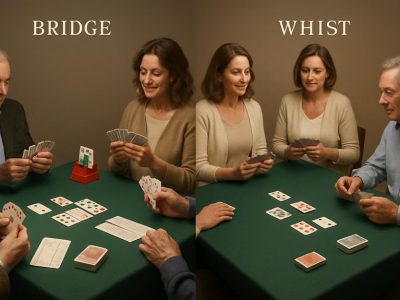
Social interactions are quite different when you play a board game compared to a card game. In board games, players usually sit face-to-face, which makes talking and sharing ideas easy. These games often encourage players to work together or compete openly, like in Monopoly or Settlers of Catan. For example, players might chat about their next move or ask for help, creating a lively group atmosphere.
On the other hand, card games tend to be more secretive. Players hide their hands and strategies, which can lead to bluffing or sneaky moves. Games like Poker or Rummy create a different kind of social scene because players focus on individual tactics and trying to outsmart each other without showing their cards. This secrecy can make the game more tense and personal, sometimes causing more suspicion among players.
Both types of games change how people talk and relate. Board games often promote open discussion and teamwork, while card games encourage players to be more cautious and strategic. For example, in a board game, everyone might cheer when a teammate wins, but in a card game, players might keep quiet, trying not to give away their plans.
However, there are some limits. In card games, the secretive nature can sometimes lead to misunderstandings or conflicts if players feel betrayed. Meanwhile, in board games, the focus on talking and cooperation might slow down the game or make it less exciting for some players who prefer a more competitive or secretive style.
In short, whether you prefer the social fun of sitting around a board or the secretive challenge of a card game depends on what kind of interaction you enjoy most. Both kinds of games shape how people talk, think, and connect during play.
Which Player Types Prefer Board Games or Card Games?
Different types of players usually prefer either board games or card games based on their personalities and what they enjoy. Here are some common examples:
Strategic thinkers prefer board games that have complex rules and take longer to play. They enjoy planning and thinking ahead. For instance, games like Settlers of Catan or Risk challenge players to use strategy and planning. These games are great for players who like to learn and master tough rules.
Casual players usually go for quick and simple card games. They want easy-to-learn games that don’t take much time to set up. Games like Uno or Go Fish are perfect for these players. They are great for friendly, relaxed fun without a lot of preparation.
Social players like games that involve face-to-face interaction. They enjoy meeting new people or playing with friends. Many board games, like Ticket to Ride or Clue, bring people together and encourage talking and teamwork. These players often prefer the social vibe over just winning.
Competitive players often choose fast-paced card games. They like quick decision-making and testing their skills against others. Games like Poker or Spades require sharp thinking and fast moves. These players thrive on the thrill of competition and winning.
Knowing what type of player you are can help you pick the right game. For example, strategic thinkers might enjoy a long game like Chess, while casual players might prefer simpler games like Snap. Some players might enjoy both, depending on their mood or company.
Keep in mind that not everyone fits perfectly into one category. Some players enjoy strategic board games but also love quick card games for a change. It is good to try different types of games to see what you enjoy most.
How Do Strategies Differ When Playing Board Versus Card Games?
Board games and card games require different types of strategies. The main difference is how players plan and react during the game.
In board games like Monopoly or Settlers of Catan, strategy is more about long-term planning. Players have a bigger, fixed space to think about. They can take their time to decide what to do next. For example, in Monopoly, players plan to buy properties early and save money for later. They think ahead about how to build houses or hotels to win. Because the game moves slowly, players can analyze options and try to predict what opponents will do next.
In contrast, card games like Poker or Magic: The Gathering need quick thinking. The cards you get are random, so the game changes a lot each turn. Players have to adapt fast and make decisions based on what cards they have. For example, in Poker, you might bluff or decide when to bet big or small based on your hand and what you think others have. Strategies focus on reacting quickly and changing plans as the game goes on. Flexibility is key, since the game’s pace is faster and more unpredictable.
Some people prefer board games for their deep planning, while others like card games for their quick reactions. Both kinds of games can be fun, but they require different skills. If you like thinking ahead, a board game might be best. If you enjoy quick decisions and surprises, a card game could be more your style.
However, it is worth noting that some games mix both strategies. For example, in a game like Ticket to Ride, players plan routes but also react to what cards they draw. So, understanding both approaches can help you win more often.
What Are the Cost and Accessibility Factors of Both Game Types?
When it comes to cost and accessibility, board games usually cost more upfront than card games. This is because many board games are sold as physical sets with game pieces, boards, and other parts. These sets can be expensive, especially for popular games like Monopoly or Settlers of Catan. Card games, on the other hand, are often cheaper because you just need a deck of standard playing cards or a small card set. Some card games are even free if you use a regular deck or find online versions.
In terms of portability, card games are much easier to carry around. You can easily fit a deck of cards into your pocket or bag and play anywhere. Board games are bulkier and need more space to pack and carry. They might be hard to bring on trips or to friends’ houses.
Storage is another factor. Board games need a lot of space for their big boxes, game pieces, and boards. Card games take up very little space, making them easier to store at home or in small apartments.
Availability is also different. Card games are everywhere. You can buy them in toy stores, supermarkets, or find online versions easily. Board games might be harder to find, especially if you want a specific or newer game. Some popular card games like Uno or Poker are available almost everywhere, while certain board games may need to be ordered online or bought at specialty stores.
Some people prefer board games because they offer more complex and immersive experiences, but they can be costly and less portable. Card games are cheaper and easier to take on the go but might not provide the same level of detail or interaction. Both types of games have their pros and cons, so think about what’s most important for you—cost, portability, or game experience.
When Is It Best to Choose a Board Game or a Card Game?
Choosing between a board game and a card game depends on what you want from your gaming experience. If you want a game with a strong theme and a story that pulls you in, a board game is usually the best choice. Board games often have detailed pieces, colorful boards, and a more physical feel. They work well for longer game nights with friends or family because they can last for hours and keep everyone interested.
On the other hand, if you need a game that is quick to set up and easy to carry around, a card game might be better. Card games are simple and portable, making them perfect for travel or small get-togethers. They tend to focus on strategy and adaptability, so you can play them anywhere without much fuss.
When choosing, think about your group’s preferences. Do you want a game with lots of story and visuals, or something fast and easy? Also, decide how long you want to play. If you want a game that lasts a long time, go for a board game. If you want something quick that you can play anytime, pick a card game.
Some games are better suited for certain situations. For example, Monopoly or Settlers of Catan are great for long sessions, while Uno or Poker work well for quick fun. Remember, both types of games have their pros and cons. Board games can be more engaging but take longer to set up. Card games are quick and portable but might not have as much visual detail.
Ultimately, the best choice depends on what you prefer and the kind of experience you want. Both board games and card games can be fun and memorable, so pick what fits your mood and plans best.
To provide the best experiences, we use technologies like cookies to store and/or access device information. Consenting to these technologies will allow us to process data such as browsing behaviour or unique IDs on this site. Not consenting or withdrawing consent, may adversely affect certain features and functions.
Functional
Always active
The technical storage or access is strictly necessary for the legitimate purpose of enabling the use of a specific service explicitly requested by the subscriber or user, or for the sole purpose of carrying out the transmission of a communication over an electronic communications network.
Preferences
The technical storage or access is necessary for the legitimate purpose of storing preferences that are not requested by the subscriber or user.
Statistics
The technical storage or access that is used exclusively for statistical purposes.The technical storage or access that is used exclusively for anonymous statistical purposes. Without a subpoena, voluntary compliance on the part of your Internet Service Provider, or additional records from a third party, information stored or retrieved for this purpose alone cannot usually be used to identify you.
Marketing
The technical storage or access is required to create user profiles to send advertising, or to track the user on a website or across several websites for similar marketing purposes.