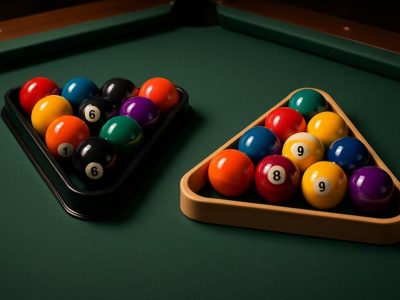
Diving into the world of pickleball, you’ll quickly discover it’s not just about the paddle or the court. The balls themselves play a pivotal role in how the game unfolds, whether you’re rallying indoors or under the open sky. Understanding the difference between outdoor and indoor pickleballs is essential, not only for your gameplay but for the sheer joy of mastering the sport.
Outdoor pickleballs are designed to withstand the whims of nature, with harder, more durable surfaces. Indoor balls, on the other hand, are slightly softer and tailored for the smooth, controlled environment of an indoor court. This distinction affects everything from the ball’s bounce to the way it flies through the air, making your choice crucial for your game strategy. Let’s unravel these differences further, ensuring you’re armed with the knowledge to choose wisely and enhance your playing experience.
Understanding the Importance of Pickleball Type
Ever wondered why slamming a pickleball feels oh-so-satisfying in your favorite outdoor court but somehow less thrilling when you move the game indoors? Well, you’re about to get schooled on the little-known secret sauce behind that: the type of pickleball you’re smacking across the net.
Outdoor vs. Indoor Pickleball: The Showdown
Let’s break it down. Outdoor pickleballs are the tough cookies of the pickleball world. They’re designed to take a beating from the wind, the sun, and that one friend who thinks they’re auditioning for the Pickleball Premier League. These balls are made with harder plastic and they have smaller, more closely spaced holes. This design helps them fly straight as an arrow, even when Mother Nature’s trying her best to throw them off course.
On the flip side, indoor pickleballs are the softies. They’re made with a slightly softer plastic and sport larger holes. Why, you ask? Well, it’s all about the indoor vibe—no wind, less space, and the need for a ball that’s easier on the wooden gym floors. This makes indoor balls bounce a bit less and fly with a tad more caution, like they’re trying not to knock over your grandma’s fine china.
Why It Matters
Picking the right ball isn’t just about following the rules; it’s about making sure you’re playing your best game. Here’s a not-so-fun fact: using an outdoor ball indoors can mess with your precision and power, making you the not-so-proud owner of a wayward shot that was supposed to be a game-winner. And using an indoor ball outside? Good luck battling the wind with that softer, floatier ball.
To put it simply, matching your ball to your court is like choosing the right shoes for an outfit—it can make or break your game. So next time you hit the court, remember—it’s not just a ball, it’s your secret weapon.
Outdoor Pickleballs: Features and Characteristics
Ever wondered why that neon-yellow ball flies straighter outside than the one you borrowed from your buddy’s indoor stash? Here’s the lowdown on outdoor pickleballs and why they’re the real MVPs of the sunny courts.
Durability is Key. The first thing you’ll notice about outdoor pickleballs is they’re tough as nails. Designed to withstand the rough and tumble of asphalt, concrete, and even those pesky metal fences, these balls are made with harder plastic. This means they can keep up with your power shots and won’t disintegrate after a few games.
Let’s Talk Design. Outdoor pickleballs sport a unique 40-hole pattern. This isn’t for looks—those holes are strategically placed to reduce wind interference and maintain a straight flight path. It’s like having your very own guided missile, ensuring that when you aim for that baseline, you hit it.
Feel the Difference. When you smack an outdoor pickleball, it’s going to feel a bit harder on your paddle, thanks to the robust material. This might take some getting used to, but once you’ve adjusted, you’ll start noticing your shots are more consistent. No more blaming the wind for missing that serve!
Bounce Behavior. Ever feel like you’re playing with a super bouncy ball indoors but, outside, gravity takes over? That’s because outdoor pickleballs have a lower bounce. The combination of hard surfaces and the ball’s design keeps the game rapid and exciting, ensuring those volleys keep coming.
Understanding these nuances can turn your game around on outdoor courts. Remember, it’s not just about having the right paddle; your choice of ball can seriously up your game. Next time you head out, grab an outdoor pickleball and feel the difference for yourself. It might just be the secret ingredient you’ve been missing to dominate those outdoor games.
Indoor Pickleballs: Features and Characteristics
Diving into the world of indoor pickleball, you’ll find it’s a whole different ball game—literally. Let’s break down what makes indoor pickleballs stand out from their outdoor counterparts. Trust us, it’s not just about avoiding a sunburn.
Softer and More Forgiving: First off, indoor pickleballs are the softer siblings in the pickleball family. They’re made with a forgiving material that’s kinder to your paddle and your pride. This means when you smack the ball, it feels like it’s asking, “Was that good for you?” rather than retaliating with a vengeance.
Less Bounce, More Fun: Here’s a fun fact: indoor pickleballs have a lower bounce. Why’s that cool? Because it makes the game more about skill and less about chasing a rogue ball that’s decided to explore the farther reaches of the gym. This low bounce keeps the ball in play longer, ensuring the fun (and the competition) stays fierce.
26-Hole Design: Unlike their outdoor counterparts that boast a 40-hole design for battling the wind, indoor balls sport 26 larger holes. This isn’t just a random number picked from a hat. The 26-hole pattern is optimized for indoor play, ensuring a straight and true flight path that won’t leave you guessing where the ball’s headed next.
In the area of indoor pickleball, your game thrives on strategy, quick reflexes, and mastering the unique dynamics of these balls. Whether you’re volleying back and forth in a friendly rally or going all out in a competitive match, understanding these key features and characteristics of indoor pickleballs can significantly enhance your gameplay. Remember, in indoor pickleball, it’s not just about hitting the ball; it’s about outsmarting your opponent in an environment where every serve, volley, and dink can lead to victory.
Impact of Pickleball Type on Gameplay
Ever wondered why those pickleball pros make it look so effortless, while you’re out here sweating buckets trying to keep that elusive ball in play? Guess what? The type of pickleball you’re whacking across the net can seriously make or break your game. Yep, you read that right. Indoor and outdoor pickleballs are not created equal, and this tiny detail can have a massive impact on your gameplay. Let’s break down how.
Indoor Pickleballs: Imagine playing with a ball that forgives your rookie mistakes and doesn’t go flying off into the sunset after a solid smack. That’s your indoor pickleball for you. Made to be softer and with a 26-hole design, these balls are about as predictable as it gets in the wild world of sports. Their lower bounce rate means you’re less likely to be sprinting more than a thoroughbred at the Kentucky Derby, giving you that extra second to strategize your next move. Fancy, right?
Outdoor Pickleballs: Now, shift gears to the outdoor variant—tougher, heavier, and designed with a 40-hole pattern to battle against the whims of Mother Nature. Expect these bad boys to bounce higher and move faster, thanks to their hardy build. They’re made to survive the concrete jungle, with every hit sending them on a potentially wild trajectory. This means you’ve got to be quick on your feet and ready for anything.
The Gameplay Shift
Switching between indoor and outdoor pickleballs isn’t just a matter of adjusting your grip or power; it’s about recalibrating your whole strategy.
Indoor games: Focus on precision and placement. It’s all about outsmarting your opponent in a controlled environment. You’ve got the floor, make your plan.
Outdoor games: Prepare for unpredictability. The elements can turn your perfect shot into a wild goose chase. Speed and adaptability are your best friends here.
Choosing the Right Pickleball for Your Game
When you jump into the world of pickleball, you’ll soon find that not all balls are created equal. It’s like choosing between a latte and an espresso; both come from the same glorious bean but deliver very different experiences. So, how do you pick the right pickleball that’ll mesh with your game as seamlessly as your favorite sneakers?
Know Your Play Environment
First up, where do you plan to unleash your pickleball prowess? If you’re a fan of the great indoors, softer, lighter balls are your new best friends. Indoor pickleballs are designed for the smooth, less abrasive surfaces of indoor courts, making them easier to control and less likely to skid off into the sunset.
Outdoor enthusiasts, on the other hand, need a ball that can take a beating from both the rougher court surface and Mother Nature’s moods. Outdoor pickleballs are the tough kids on the block – heavier, with a hardened exterior that laughs in the face of a stiff breeze.
Consider Your Skill Level and Playing Style
Beginners: If you’re just dipping your toes into the pickleball waters, start with an indoor ball. It’s more forgiving and will let you hone your skills without battling the elements or the ball’s unpredictability.
Advanced Players: Feel confident and ready to take on the challenge? Outdoor balls offer the speed and durability you need to amp up the game.
Speed Lovers vs. Strategy Masters: Love the thrill of the chase? Outdoor balls move faster and can turn the game into a high-speed duel. Prefer a chess match to a sprint? Indoor balls support a strategic, placement-focused game.
Test and Adapt
Remember, the perfect pickleball for your game today might not be the same six months from now. As your skills evolve, so will your preference. Don’t be afraid to experiment with different balls as you grow. Your game will thank you for it.
Conclusion
Choosing the right pickleball isn’t just about preference—it’s about maximizing your performance on the court. Whether you’re just starting out or you’ve developed a keen sense of your playing style, the distinction between indoor and outdoor balls plays a pivotal role. Remember, the softer indoor balls cater to strategic plays in a controlled environment, while the tougher outdoor balls are designed to withstand the elements and rapid action. As you grow in your pickleball journey, don’t hesitate to experiment with both types. This adaptability not only sharpens your skills but also prepares you for any game setting. So grab your paddle, select your ball wisely, and enjoy the game to its fullest.
To provide the best experiences, we use technologies like cookies to store and/or access device information. Consenting to these technologies will allow us to process data such as browsing behaviour or unique IDs on this site. Not consenting or withdrawing consent, may adversely affect certain features and functions.
Functional
Always active
The technical storage or access is strictly necessary for the legitimate purpose of enabling the use of a specific service explicitly requested by the subscriber or user, or for the sole purpose of carrying out the transmission of a communication over an electronic communications network.
Preferences
The technical storage or access is necessary for the legitimate purpose of storing preferences that are not requested by the subscriber or user.
Statistics
The technical storage or access that is used exclusively for statistical purposes.The technical storage or access that is used exclusively for anonymous statistical purposes. Without a subpoena, voluntary compliance on the part of your Internet Service Provider, or additional records from a third party, information stored or retrieved for this purpose alone cannot usually be used to identify you.
Marketing
The technical storage or access is required to create user profiles to send advertising, or to track the user on a website or across several websites for similar marketing purposes.