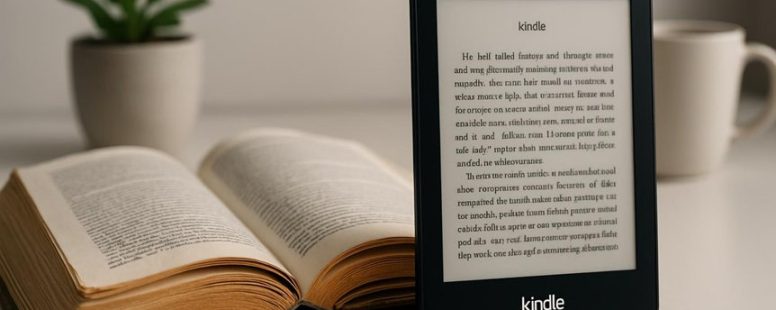
Imagine holding a physical book in your hands, feeling the weight and the texture of the pages as if you’re holding a treasure chest.
Or perhaps you prefer the sleek glow of a Kindle, its screen flickering softly like a whisper in the dark.
Choosing between these two isn’t just about technology; it’s about your daily rhythms and what kind of experience fuels your reading journey.
Like selecting a vintage camera for its nostalgic charm or a modern smartphone for instant access, your choice shapes how stories come alive for you—sometimes unexpectedly revealing a hidden perk, such as the ability to carry an entire library in your pocket.
Deciding which fits best might just be simpler than you think, once you understand what truly resonates with your mood and habits.
Kindle Vs. Physical Books: How to Decide
Choosing between a Kindle and a physical book depends on what you prefer and how you like to read. Here are some key points to help you decide.
If you want convenience and lots of options, a Kindle is a good choice. It is small, lightweight, and can hold thousands of books. You can carry it anywhere and buy new books instantly. This makes reading easier when you are traveling or have limited space. However, be aware that Kindles need batteries and depend on electronic devices. Some people also find it harder to focus on a screen compared to printed pages.
On the other hand, physical books give you a sensory experience that a Kindle cannot match. The feel of paper, the smell of a new or old book, and the look of a bookshelf can make reading special. Many readers say they remember stories better when they read physical books because of the tactile connection. But physical books can be bulky, and finding a specific title might take more time. Plus, they use paper, which can be harmful to the environment if not recycled properly.
Some people prefer physical books for the community aspect. You can lend or share books with friends easily. Kindles do not offer this personal touch, but they do allow you to highlight or make notes digitally. Still, digital distractions such as notifications or other apps can interrupt your reading flow on a Kindle.
Both options have their pros and cons. Think about your lifestyle and what makes reading fun for you. Do you want quick access and portability, or do you enjoy the feel and smell of real books? Sometimes, trying both can help you decide which suits your habits best. Just remember, neither is perfect, and the best choice depends on how you connect with stories and your reading environment.
The Feel and Experience: Why Page-Turning Matters
Turning a page is more than just changing from one part of a book to another. It is actually a key part of how you experience reading. When you flip a physical book, you feel the paper under your fingers. This tactile feeling helps you stay engaged and makes reading feel natural. It’s like the difference between listening to a song on a vinyl record versus a digital file. The physical action of turning pages creates a connection to the story that screens often don’t give.
Some people love the smell and feel of paper. It reminds them of childhood or special moments, making reading more emotional. For example, many readers say that flipping pages slows them down just enough to enjoy the story more. On the other hand, digital books are easier to carry and search through quickly. But they don’t give you that satisfying feeling of turning a page. If you enjoy the sensory experience or emotional connection, then page-turning matters a lot.
Physical books also help you focus. Without notifications or bright screens, you can read with less distraction. This helps you get lost in the story and remember it better. However, some readers find turning pages slow or inconvenient, especially when reading on the go. Also, physical books can be bulky and harder to carry everywhere.
Convenience and Portability: Carrying Your Library
A Kindle or similar e-reader is a device that stores many books in one small gadget. It is very useful because you can carry hundreds of books without needing a big bag or lots of space on your shelf. Imagine having your entire library in your pocket, ready to read anywhere. This makes traveling easier since you don’t have to worry about heavy books or pages getting damaged.
However, some people still prefer physical books. They enjoy the feel of turning real pages and the smell of printed paper. A physical book can be more satisfying than looking at a screen. Plus, you don’t need to worry about battery life with a regular book. If your device runs out of power, you can’t read anymore until you charge it.
There are good and bad sides to both options. Digital books are very portable but rely on battery life and sometimes cause eye strain. Physical books are more durable in some ways but take up more space and are heavier to carry around. If you travel a lot or want to save space, an e-reader like Kindle can be a great choice. But if you love the experience of holding a real book, nothing beats the feel of paper.
In the end, it depends what you value most—convenience and portability or the tactile joy of a physical book. Both have their place, and choosing depends on your lifestyle and reading habits.
Cost and Accessibility: Comparing Prices and Availability
When you compare cost and access to books, both Kindle and physical books have their good and bad points. Kindle books usually cost less upfront. For example, a new Kindle ebook from Amazon might be $9.99, while a printed book could be $15 or more. But physical books can last longer and you can sell or share them later. So, if you like to own books for a long time, physical copies might be better.
In terms of access, Kindle gives you almost instant delivery. You can buy and start reading a book in minutes. If you want a physical book, you have to go to a store or find a library nearby. Sometimes, libraries are far away or have limited copies. So, Kindle is more convenient if you want quick access to many books.
But beware—Kindle books need a device and internet, and some people find reading on a screen tiring. Physical books don’t need batteries or Wi-Fi, but they take up space and can be harder to find if they’re rare or out of stock.
Both options have their limits. Kindle books are cheaper but can’t be shared easily. Physical books last long but cost more and may be hard to find in some areas. Think about what matters most to you: saving money, having instant access, or owning a durable copy.
Would you prefer cheap and quick access or a physical book you can hold? Both ways have pros and cons, so choose what fits your needs best.
Upfront Purchase Price
The upfront purchase price is a key factor when choosing between a Kindle and a physical book. A Kindle usually costs more initially because of the device itself. For example, a Kindle Paperwhite can cost around $130, while a single paperback might be $10 to $20. If you’re on a tight budget and want just one or two books, buying physical books might seem easier since you pay only for what you read. But if you buy eBooks, they are often cheaper than new paperbacks, sometimes half the price or less. Still, remember that the Kindle device is a big one-time expense.
So, if money is tight and you don’t plan to read a lot, physical books could be more affordable at first. But if you read many books, a Kindle could save you money in the long run. Think about how many books you want to read and what your budget can handle. Both options have good and bad points. Physical books don’t need batteries or updates, but they take up space. Kindles are portable and hold many books, but they cost more to start with.
In the end, it’s about what works best for your budget and your reading habits. Just remember, buying a Kindle is like buying a new gadget, while physical books are more like collecting treasures you can hold in your hands.
Long-Term Cost Benefits
Long-term costs are an important factor when choosing between Kindles and physical books. Here’s what you should know.
Physical books can be resold or lent to others. This means you might recover some of your money over time, especially if you buy used books. But they also hurt the environment because of paper use, and they take up space in your home. Plus, physical books only come in one format, so if you lose the book or it gets damaged, you can’t get it back unless you buy it again.
Kindles and other e-readers cost less in the long run if you read a lot. Many e-books are cheaper than printed ones, and Kindle offers subscription services like Kindle Unlimited that let you read many books for a flat monthly fee. This can save you money if you read often. Kindle also lets you carry thousands of books on one device, saving space and avoiding clutter.
But Kindles aren’t perfect. Digital files can be lost if your device breaks or if there are restrictions on downloads. Some people worry about digital rights management or losing access to purchased books. Also, Kindle books don’t have resale value, so you can’t sell them later.
If you read a lot, these savings and convenience might make a Kindle cheaper over time. But if you value owning physical copies you can lend or sell, physical books might be better. Think about how often you read, if resale matters to you, and whether the environmental impact influences your choice.
In the end, both options have pros and cons. Think about what matters most — cost savings, environmental impact, ownership, or convenience. That way, you can pick the best option for your reading habits.
Availability And Convenience
The main difference is that Kindles and physical books offer different levels of availability and convenience. A Kindle lets you access thousands of books instantly through digital libraries. No matter where you are, you can download or read books right away. For example, if you’re traveling, you can keep a whole library on your device. You can also change formats or download books for offline reading easily. But, you need to have power and a working screen, which can be annoying if your battery dies or the screen breaks.
Physical books don’t need batteries or screens. You can read them anytime without technology. They create a special feel, especially when you hold a book in your hands. However, finding a specific book can take more effort. You might have to visit many stores or borrow from friends. Sharing is also harder since physical books aren’t always easy to lend.
Some people prefer instant access that comes with a Kindle, but others enjoy the tactile experience of physical books. If you value quick reading and portability, a Kindle might be best. But if you love the feel of flipping pages and don’t mind searching for a book, physical books are great.
Both options have good points and some limits. For example, Kindles are convenient but depend on power, while physical books are reliable but less portable. Think about what matters most to you — quick access or the feel of a real book.
Eye Comfort: Kindle Screen Vs. Paper Books
When you choose between a Kindle and a paper book, your eyes can tell which one is better for them. Paper books do not have screen glare, so they don’t hurt your eyes during long reading sessions. The text on paper is clear and natural, making it easier to read without straining. On the other hand, a Kindle has adjustable font size and brightness, which helps when reading in the dark. Its e-ink screen looks and feels like paper, so it causes less eye fatigue than regular screens like computers or phones. Plus, Kindle’s battery lasts a long time, so you won’t run out of power in the middle of a good story.
Some people say paper books are better because they don’t have glare and their text is clear. Others say Kindle is easier because you can change font size and read comfortably at night. Both have pros and cons, so it really depends on what your eyes prefer. If you want to avoid eye strain, paper books are simple and natural. But if you like customizing your reading experience and reading in the dark, Kindle might be a better choice. Just remember, no device is perfect, and your eyes might get tired no matter what you use.
Storage: Managing Kindle and Physical Books
When it comes to storage, Kindle books are a clear winner because they take up no physical space. You can carry hundreds of titles on a device that fits in your pocket. This makes traveling or commuting easier since you don’t have to worry about carrying heavy books. But even though digital storage seems simple, there are some things to think about for both Kindle and physical books.
For Kindle, the main benefit is space savings. You can store thousands of books without cluttering your shelves. But sometimes, you might worry about losing access if your device breaks or if the company’s servers go down. You also need to keep your device charged to read your books.
Physical books, on the other hand, are easy to access anytime, no batteries needed. But they take up a lot of space and can pile up quickly. If you have a small apartment, storing many books might become a problem. Plus, physical books can get damaged or lost more easily.
Some people prefer Kindle because it’s lighter and more portable. Others like physical books because they can see their collection and feel more connected to their books. Both options have limits, so think about what matters most for your reading habits.
For long-term storage, digital books are safer from damage, but physical books last longer if taken care of. If you want easy access and space-saving, Kindle is a good choice. But if you love the feel of a real book and don’t mind the space, physical books might be better for you.
Space Efficiency Comparison
Books take up space, and choosing between physical books and e-readers like Kindle depends on what you value most. Here’s a simple comparison to help you decide.
First, a Kindle can store thousands of books in a tiny device. If you like to read a lot but don’t want clutter, a Kindle saves space and keeps your home neat. It’s great for small apartments or if you travel often. But remember, a Kindle needs electricity and can break or become outdated over time. Also, it leaves a digital footprint that some people worry about for privacy or environmental reasons.
Physical books, on the other hand, are tangible. They sit on your shelves, show off your personality, and can last for decades if cared for. Some readers enjoy the feel of turning pages or the smell of a new book. But they take up more space, especially if you build a large collection. And they can make your home look crowded if you’re not organized.
Environmental impact is another factor. E-readers are made with plastic and electronics that require resources, but they reduce the need for paper. Physical books use paper and may be recycled, but producing them takes trees and energy. If you care about the environment, think about how often you buy new books and whether you can borrow or buy used ones.
Finally, think about how long your books last. Physical books can last many years if kept right. Digital files depend on electronic devices that might become outdated or break. So, if you want a collection that stays forever, physical books are better. But if you prefer convenience and space-saving, a Kindle is a smart choice.
In the end, it’s about what fits your lifestyle. Do you want a large, beautiful bookshelf or a small device that holds thousands? Both have pros and cons, so think about what matters most to you.
Portability And Accessibility
Digital books like those on Kindle are often called more portable and accessible than physical books. They are easy to carry because you can store many books on one small device. For example, I can take dozens of books on a trip without carrying heavy bags. Plus, you can download new books instantly from Amazon or other stores, which makes it quick to find something to read. This is especially helpful if you want to read during a short break or while commuting.
Physical books, on the other hand, don’t need batteries or charging. They last forever on your shelf and don’t depend on technology. Some people like the feeling of holding a real book and turning pages, which makes reading more enjoyable for them. However, if you want quick access to many titles or travel light, a Kindle might be better. Keep in mind, if your device runs out of power, you can’t read until it charges again.
Both options have good and bad points. If you want easy, quick access and portability, Kindle is a good choice. If you prefer the feel of paper and don’t want to rely on devices, physical books are best. Think about what matters most to you — convenience or tangibility. For some, a Kindle is like carrying a whole library in their pocket. For others, physical books are like holding a piece of art.
Long-Term Storage Considerations
Long-term storage is important when choosing between a Kindle and physical books. Here are the facts you need to know.
A Kindle keeps your digital books safe from damage. Files are stored electronically, so they do not get torn, stained, or damaged by pests. To keep your Kindle books accessible in the future, you should back up your files regularly and make sure they work with current devices and apps. If you switch devices, you want to confirm your files are compatible, or you might lose access.
Physical books need special care. They can get damaged by moisture, light, or bugs. To keep them in good shape, store them in a climate-controlled space. Use sturdy shelves and avoid places with high humidity or direct sunlight. Archival storage materials, like acid-free boxes or covers, help prevent deterioration. For example, storing old books in a cool, dark closet works better than leaving them in a humid basement.
Organizing your collection also helps with long-term access. For digital books, keep a clear folder system and backup copies on an external drive or cloud service like Dropbox. For physical books, arrange them on labeled shelves so you can find what you want easily later.
Some people prefer digital because it needs less space and can’t get damaged by pests. But digital files might become unreadable if formats change or devices become outdated. Physical books last longer if stored properly but need more effort to protect from damage.
In the end, using both methods can give you a good balance. Digital is quick and easy but needs backups, while physical books are more fragile but can last many years if stored well.
Sources: The Library of Congress says proper storage habits extend the life of physical books. Digital preservation guidelines from the Digital Preservation Coalition recommend regular backups and format checks.
Which Reading Style Fits Your Lifestyle?
Your best reading style depends on your lifestyle and what you enjoy.
If you like quick access and staying connected, a Kindle or other e-reader might be the best choice. These devices let you carry hundreds of books in one place, which is useful if you’re always on the go. They also help reduce paper waste and are easy to use, but some people find them distracting because of notifications or the backlit screens.
On the other hand, physical books give you a rich sensory experience. Many readers enjoy the smell of paper and the feel of pages turning. They can focus better without digital interruptions. But carrying many books can be heavy, and they are less convenient if you travel often.
To find your ideal reading style, think about your daily routine. Do you want quick access and less clutter? Or do you prefer the feel of real pages and fewer digital distractions? Trying both options can help you decide what energizes your reading moments.
To provide the best experiences, we use technologies like cookies to store and/or access device information. Consenting to these technologies will allow us to process data such as browsing behaviour or unique IDs on this site. Not consenting or withdrawing consent, may adversely affect certain features and functions.
Functional
Always active
The technical storage or access is strictly necessary for the legitimate purpose of enabling the use of a specific service explicitly requested by the subscriber or user, or for the sole purpose of carrying out the transmission of a communication over an electronic communications network.
Preferences
The technical storage or access is necessary for the legitimate purpose of storing preferences that are not requested by the subscriber or user.
Statistics
The technical storage or access that is used exclusively for statistical purposes.The technical storage or access that is used exclusively for anonymous statistical purposes. Without a subpoena, voluntary compliance on the part of your Internet Service Provider, or additional records from a third party, information stored or retrieved for this purpose alone cannot usually be used to identify you.
Marketing
The technical storage or access is required to create user profiles to send advertising, or to track the user on a website or across several websites for similar marketing purposes.