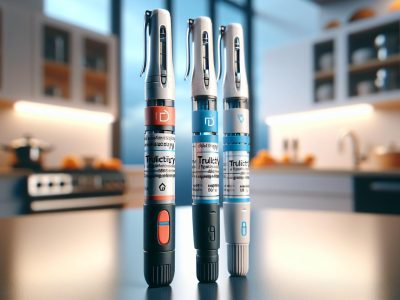
Struggling to shed those stubborn pounds and feeling overwhelmed by quick-fix promises?
Imagine a path to weight loss that feels natural, like a gentle breeze guiding you forward instead of a storm of side effects.
While Ozempic grabs headlines, real transformation emerges from simple habits you can weave into your daily routine—habits that are sustainable and free from hype.
Surprisingly, these practical alternatives not only support lasting change but also boost your confidence and energy, turning the journey into an empowering adventure rather than a daunting chore.
Why Some People Look for Ozempic Alternatives
Some people look for Ozempic alternatives because it does not work for everyone. Ozempic is a medication that helps with weight loss, but some find it causes side effects or doesn’t fit their diet. Others want to avoid becoming dependent on medication or worry about possible risks. For example, someone with a dairy allergy might find Ozempic’s effects unpredictable. Or a person might prefer natural methods over pills.
There are different reasons why people choose other options. Some want to try different medications like Wegovy or Saxenda, which have similar effects but may suit their needs better. Others look at lifestyle changes, like eating healthier or exercising more. But some folks might worry about side effects or costs of these medicines.
It’s good to know that not everyone can or should use Ozempic. Its side effects can include nausea or stomach issues. Plus, it might not be safe for people with certain health problems. That’s why exploring other options makes sense. People want solutions that match their health, preferences, and goals.
Some may think Ozempic is the only answer, but others prefer natural or less invasive methods. It’s a personal choice. The key is to find what works best for you, not just follow what’s popular. Always talk to your doctor before switching or trying new weight loss methods.
Diet Changes That Support Weight Loss Without Medication
Eating the right foods can help you lose weight without using medicine. The key is to focus on choosing healthy foods, eating smaller portions, and avoiding processed snacks. These simple changes can make a real difference in your weight loss journey.
First, eating balanced meals with plenty of vegetables, lean proteins like chicken or fish, and whole grains such as brown rice helps your body stay full longer. For example, replacing potato chips with carrot sticks or whole wheat bread instead of white bread can cut down on empty calories. Some people say it’s hard to stick to healthy eating, but starting small can make it easier. For instance, adding an extra vegetable to your dinner is a good step.
Second, controlling how much you eat is important. Using smaller plates or measuring your portions helps prevent overeating. Many people underestimate how much they eat, leading to weight gain. If you feel hungry between meals, try eating a piece of fruit or a handful of nuts instead of chips or candy. But remember, even healthy foods can add up if you eat too much.
Third, choosing whole foods over processed ones matters. Whole foods like fresh fruit, nuts, and plain yogurt have more nutrients and fewer added sugars and artificial ingredients. For example, swapping sugary cereals for oatmeal with fruit can give you more energy and less sugar. Some folks worry that eating this way can be expensive or time-consuming, but shopping at local farmers markets or preparing meals in advance can help.
Keep in mind, some people see quick results from changing their diet, while others might need more time. Also, these changes won’t work if you don’t stick with them. Always talk to a doctor before making big changes, especially if you have health issues.
Balanced Nutrient Intake
Eating a variety of nutrient-rich foods is one of the best ways to lose weight naturally and keep it off. Nutrients are the vitamins, minerals, proteins, fats, and carbs your body needs to work properly. When you focus on eating foods high in nutrients, you give your body what it needs to burn fat and stay full longer.
Balanced meals include the right amount of proteins, healthy fats, and complex carbs. For example, a meal with grilled chicken, sweet potatoes, and vegetables is full of nutrients. These foods help keep your blood sugar steady and stop cravings. Instead of eating processed snacks or sugary foods, choose whole foods like fruits, nuts, and lean meats.
Some people worry about eating too much fat or carbs, but it’s about choosing the right kinds. Healthy fats, like those in avocados and fish, are good for your body. Complex carbs, like brown rice or oats, give you lasting energy. Too much of the wrong fats or carbs can still cause weight gain, so moderation is key.
There are two sides to this idea. Some experts say that focusing on nutrient-dense foods makes losing weight easier because you feel full and satisfied. Others believe that calorie counting is more important than what you eat. Both ways can work, but eating healthy foods helps your body stay strong and reduces the risk of health problems like diabetes.
Keep in mind, not every food labeled as healthy is good for weight loss. Some granola bars or smoothies have added sugars that can sabotage your goals. It’s best to read labels and choose foods with natural ingredients. Remember, eating well is a long-term habit, not a quick fix.
In the end, making nutrient-dense foods the main part of your diet helps you lose weight gradually and keeps it off. It’s about fueling your body the right way, not just eating less. So, next time you plan a meal, ask yourself if it’s giving your body the nutrients it needs to stay healthy and burn fat effectively.
Portion Control Strategies
Portion control means managing how much food you eat at each meal. It is a simple way to help you eat healthier without needing special diets or medication. Using tools like serving bowls and plates makes it easier to see how much food to put on your plate. For example, filling half your plate with vegetables is a visual cue that keeps your meal balanced and satisfying.
Food journals and apps such as MyFitnessPal can help you track what you eat each day. This makes you more aware of your portions and can show patterns in your eating habits. During family meals, using mindful serving sizes can prevent everyone from overeating and promote healthier routines. For instance, serving small portions and encouraging everyone to take seconds if they are still hungry helps control intake without feeling deprived.
Some people worry that portion control is too complicated or boring. But the truth is, it can be simple and effective. A few small changes, like using smaller plates or measuring snacks, can make a big difference over time. Remember, the goal is to build awareness and consistency. These tools help you stick with portion control long term, which may lead to better health and weight management.
However, keep in mind that portion control alone isn’t a magic fix. It works best when combined with other healthy habits, like choosing nutrient-dense foods and staying active. Also, some people may find that strict portion control feels restrictive or triggers cravings. So, it’s good to find a balance that fits your lifestyle and needs.
Whole Food Emphasis
Eating more whole foods is a simple way to improve your diet and help with weight loss. Whole foods are natural foods like fruits, vegetables, grains, and lean meats that are minimally processed. They give your body more nutrients and help you feel full longer. Here’s how to include more whole foods in your meals:
Focus on fruits, vegetables, whole grains like brown rice or oats, and lean proteins such as chicken or fish. These foods give your body important vitamins and minerals.
Stay away from processed foods like chips, candies, and fast food. They are often high in calories and low in nutrients. Eating too many processed foods can make it harder to lose weight.
Cook your meals at home. This way, you know exactly what’s in your food and can avoid hidden sugars and unhealthy fats. For example, instead of buying frozen dinners, try making a stir-fry with fresh vegetables and lean meat.
Pay attention to your hunger cues. Eat only when you’re hungry and stop when you feel full. Whole foods naturally help your body tell the difference between real hunger and boredom eating.
Some people might say that changing to whole foods takes time and effort, and it can be hard to stick with at first. Others might worry that whole foods can be more expensive or less convenient. It’s true that it takes planning, but the benefits often outweigh the hassle. If you’re busy, try prepping meals in advance or using simple recipes.
On the other hand, some critics argue that a focus on whole foods alone won’t solve all weight problems. For example, eating healthy doesn’t mean you can eat unlimited amounts. Portion control still matters. Also, in some places, access to fresh foods can be limited, and processed options are cheaper.
Think of your body like a car. Filling it with quality fuel like fresh fruits and vegetables keeps it running smoothly. But if you fill it with junk food, it might break down faster. Switching to whole foods isn’t a magic fix, but it’s a solid step toward better health.
In the end, the key is balance. Whole foods can help you lose weight naturally and stay healthy, but they are just one part of a complete lifestyle change. Remember, small steps are better than no change at all.
Exercise Strategies for Safe and Sustainable Weight Loss
Exercise is key to safe and steady weight loss. Here’s what works best. First, combining strength training with cardio helps boost your metabolism and builds lean muscle. For example, lifting weights two or three times a week paired with brisk walking or cycling can make a difference. Flexibility workouts like stretching or yoga are also important because they improve your mobility and help prevent injuries. Don’t skip outdoor activities or active hobbies—things like hiking or playing sports make exercising more fun and easier to stick with. You can do group classes or work out at home—both options are good, so pick what fits your life best. Setting small fitness challenges can keep you motivated, but make sure to include recovery days. Rest days are just as important as exercise because they help your body recover and prevent burnout. Creating a simple, balanced workout plan that matches your schedule keeps you moving and helps you see progress. Remember, this approach supports weight loss that lasts and keeps you healthy, without quick fixes or gimmicks.
Mindful Eating Tips to Control Hunger and Support Weight Loss
Eating mindfully is the best way to control hunger and help lose weight. It means paying close attention to what your body really needs. When you understand true hunger signals, you can avoid eating too much or snacking when you’re not hungry.
Here are some simple steps to start eating more mindfully. First, notice how hungry you feel before eating. Are you really hungry or just bored or stressed? Second, control your portions. Use smaller plates or measure snacks so you don’t accidentally eat more than you need. Third, plan your meals. Eating at regular times helps your body get used to a routine, making it easier to recognize when you’re hungry or full.
Some people find that eating slowly helps. When you take your time, your brain can catch up with your stomach and tell you when you’re full. Others prefer to keep a food journal to see how much they eat and when. This can show patterns and help make better choices.
But beware, not everyone’s body reacts the same way. Some may find that mindfulness takes effort or feels strange at first. It’s also easy to slip back into old habits if you’re stressed or busy. So, try these tips gradually and be patient with yourself.
Hunger Awareness Techniques
Hunger awareness means knowing when you’re truly hungry and when you’re just eating out of habit or emotions. Recognizing these signals helps you eat only when needed and avoid overeating. Here are some simple steps to get better at this:
Listen to your body. Before eating, ask yourself if you’re really hungry or just bored or stressed. If you’re hungry, your stomach might feel growly or empty. If not, wait until you are.
Keep a food journal. Write down what you eat and what triggers your cravings. For example, do you eat more when you’re tired or upset? Seeing patterns helps you understand your habits.
Practice mindful eating. When you snack, slow down. Chew slowly and enjoy each bite. Pause halfway and ask yourself if you still need more food or if you’re full.
Notice how different foods make you feel. Some foods fill you up longer, while others leave you hungry again soon. Learning this helps you choose foods that satisfy your hunger better.
Some people might find these tips helpful to avoid eating mindlessly. But others may think it’s hard to remember to pause or judge true hunger. It takes time to get used to these habits. Also, emotional triggers can be strong, and sometimes hunger is hard to tell from stress or boredom. Still, practicing these steps can help you build a better relationship with food over time.
Counter-strategies and warnings:
The ruthless competitor might say that these tips are just common sense, and many already know them but still struggle. They’d argue real change needs more than awareness, like support from a professional or structured plans.
The cynical consumer would doubt these simple steps work, thinking it’s just another “feel-good” advice. They want proof that these techniques actually lead to weight loss or better health, not just feel better temporarily.
The distracted scroller might forget these tips quickly, so it’s better to keep reminders handy—like notes on the fridge or alarms on your phone. Without regular practice, even good advice can fade away quickly.
In the end, awareness helps, but it’s not a magic fix. Combining these habits with patience and honesty about your triggers makes a real difference.
Portion Control Strategies
Portion control means managing how much food you eat. It is one of the best ways to help with weight loss. The key is to eat enough to satisfy your body without overeating.
One simple step is to use smaller plates. When you put food on a small plate, your brain feels satisfied faster. Another tip is measuring your portions. For example, use a cup or a scale to know exactly how much you’re eating. Food journaling is also helpful. Write down everything you eat and how much. This makes you aware of patterns like snacking on chips or eating seconds without thinking.
Some people find that using tools like measuring cups or pre-portioned snacks from brands like Snack Pack or Nature Valley makes it easier. But beware, if you rely too much on measuring, it can become a hassle, or you might sometimes underestimate what you eat.
There are two sides to this: some say strict portion control helps lose weight faster, while others worry it might lead to wanting to eat more later. It’s not about starving yourself, but giving your body just what it needs.
Remember, controlling portions takes practice. It’s a way to eat smarter, not less. Do it consistently, and you might see better results than with quick-fix diets. But be honest with yourself and watch for habits like mindless snacking or skipping meals.
If you keep these tips in mind, portion control can become a simple and effective part of your healthy eating plan.
Mindful Meal Timing
Eating at the right times can help control hunger and stop you from overeating. Mindful meal timing isn’t just about when you eat. It’s about paying attention to what your body needs. Here are some simple steps:
Eat at regular times. This keeps your energy steady and prevents you from feeling extremely hungry. For example, have breakfast, lunch, and dinner roughly the same time each day.
Pause before eating. Ask yourself if you’re really hungry or just bored or used to eating. Sometimes we eat without thinking.
Space your meals apart. Waiting a few hours between meals helps your body digest food well and reduces the chance of constant snacking.
Avoid eating late at night. Eating late can slow down your metabolism and make it harder to sleep well.
Some people find that eating regularly helps them stay full longer, but others prefer to skip snacks and eat fewer big meals. Both are okay if they work for you. Just remember, eating too late can mess with your sleep and digestion. So, listen to your body and find what timing feels best.
Counter-strategy notes:
The claim that regular eating keeps energy steady is true, but some say skipping meals can also work for weight control. The advice should mention individual differences.
The warning about late-night eating is good, but some people have different schedules. It’s better to suggest moderation rather than strict rules.
Skeptic perspective:
This advice sounds simple, but does it really work for everyone? Many people struggle with hunger and cravings no matter what they do.
The tips seem basic, but how many really stick to a strict schedule? Life is unpredictable.
The emphasis on paying attention sounds nice, but it’s not always easy to remember when you’re busy or distracted.
Distracted scroller:
Won’t remember much of this after a second. Too many details.
What’s the main point? Eat regularly, pause, space meals, avoid late eating.
If it’s boring or complicated, I’ll just ignore it and keep scrolling.
—
Final version:
Mindful Meal Timing
Eating at the right times can help you feel better and stop overeating. It’s not just about when you eat, but paying attention to your hunger and your body. Here’s how to do it easily:
Eat at regular times. For example, breakfast, lunch, and dinner at about the same time each day. This helps keep your energy steady.
Before eating, pause and ask if you’re really hungry or just eating out of habit. Sometimes we eat without thinking.
Give yourself a few hours between meals. Waiting helps digestion and can stop constant snacking.
Try not to eat late at night. Eating late can slow your metabolism and make it harder to sleep.
Some people find that sticking to a schedule helps them, but others prefer to eat fewer big meals and skip snacks. Both ways can work if they fit your lifestyle. Just remember, eating late every night might cause sleep problems, so try to finish eating a few hours before bed.
Listening to your body is key. Find what time works best for you and stick with it.
How Sleep and Stress Management Affect Weight Loss
Getting good sleep and managing stress are key parts of losing weight. If you don’t sleep well or get enough rest, your body produces more cortisol, a stress hormone. High cortisol levels can make your body hold onto fat and make you crave junk food. For example, after a bad night’s sleep, many people reach for sugary snacks to feel better.
When stress is high, your body also releases cortisol. This can lead to emotional eating, especially on busy or stressful days. To fight this, I use simple ways like deep breathing or meditating for a few minutes each day. These relaxation techniques help lower stress and keep cortisol levels steady. That way, my body can burn fat better and I stay more focused on my weight loss goals.
Some people might think that sleep and stress don’t really matter as much as diet and exercise. But ignoring these can make it harder to lose weight, even if you eat healthy and work out regularly. On the other hand, if you push yourself to get enough sleep and find ways to relax, you might see faster results.
However, managing sleep and stress isn’t always easy. Life gets busy, and sometimes it’s hard to change habits. Plus, not everyone responds the same way. Some folks might still struggle with weight loss even if they sleep well and stay calm. So, it’s good to see these as helpful tools, but not magic fixes.
In the end, good sleep and stress control are like the foundation of a house. Without them, other efforts might not hold up. Making small changes, like setting a regular bedtime and taking a few deep breaths during stressful moments, can make a difference — and help you reach your weight loss goals faster.
Natural Supplements to Enhance Weight Loss Efforts
Natural Supplements to Help with Weight Loss
If you’re thinking about using prescription drugs like Ozempic but want to try natural options first, there are some supplements that might help. These can support your weight loss when used along with healthy eating and exercise.
Green tea extract is a popular natural supplement. It gives you a little energy boost and can help speed up your metabolism without making you feel jittery. Some studies say it might help burn more calories throughout the day.
Garcinia cambogia is an herbal supplement that can help control your appetite. It may make you feel less hungry, so you eat less without feeling deprived. But keep in mind, not all research agrees on how well it works.
Fiber supplements are simple but effective. They help you feel full faster and stay full longer. This can make it easier to eat less and stick to your diet. For example, adding a fiber capsule before meals might curb overeating.
CLA (conjugated linoleic acid) is a fat that naturally occurs in meat and dairy. Some people take it as a supplement because it could help burn fat and keep muscle. But some studies show mixed results, so it’s not a guaranteed magic solution.
Remember, natural supplements can help, but they are not magic pills. They work best when combined with good habits like eating healthy and staying active. Also, some supplements may have side effects or interact with medications, so it’s smart to talk to your doctor first.
Some people swear by these options, while others see little change. It’s up to you to decide what works best. Keep in mind that no supplement replaces healthy habits, but they can give you that extra boost you need to stay on track.
Affordable Home Tools to Boost Weight Loss Efforts
Affordable home tools can help you lose weight without spending a lot of money. Here are some simple and effective options.
First, exercise tools like resistance bands or a jump rope are a good choice. They are cheap, take up little space, and work well for burning calories. Resistance bands can help you strengthen muscles at home, while jump ropes are great for cardio. Some people might worry these tools aren’t enough, but combined with regular activity, they can make a difference. Just remember, they won’t do all the work alone. You still need to stay active and eat healthy.
Second, kitchen tools like food scales and portion containers help you control what you eat. Food scales show you exactly how much you’re eating, so you don’t accidentally overeat. Portion containers make it easy to pack healthy meals and snacks. These tools help you stay on track and make better choices. But be careful—using these tools is only helpful if you actually follow through.
Finally, using tracking apps on your phone can help you stay motivated. Apps like MyFitnessPal or Lose It! let you log your food and water intake. They also remind you to drink water regularly, which is important for weight loss. Tracking your progress can keep you accountable. However, some people find tracking tedious or forget to use the apps. If you don’t stick with it, it might not help much.
People have different opinions about these tools. Some say they are enough to see results if used consistently. Others warn that alone they won’t solve everything. It’s best to combine these tools with healthy habits like walking more and eating fruits and vegetables.
When to Seek Professional Weight Loss Support Instead of Ozempic
Getting help from a professional might be the best choice if you’re struggling with weight loss and medications like Ozempic don’t work well for you. Professionals can create plans that fit your specific needs, making it more likely you’ll see results. Here are some signs it’s time to ask for help:
You’ve stopped losing weight even after trying different diets and exercises. That’s called a plateau, and it means your body needs a new plan.
You have health problems like diabetes or thyroid issues that make losing weight harder. A doctor can help you handle these problems safely.
You find it hard to stay motivated or accountable on your own. A support system or coach keeps you on track.
You want to lose weight in a way that lasts. Quick fixes like medications might help short-term, but a professional can guide you to habits that stick.
Sometimes medications like Ozempic can help, but they aren’t magic. They work best with a healthy lifestyle, and they won’t fix underlying health issues or habits that cause weight gain. Consulting a healthcare provider ensures you get safe, personalized advice instead of just relying on pills.
To provide the best experiences, we use technologies like cookies to store and/or access device information. Consenting to these technologies will allow us to process data such as browsing behaviour or unique IDs on this site. Not consenting or withdrawing consent, may adversely affect certain features and functions.
Functional
Always active
The technical storage or access is strictly necessary for the legitimate purpose of enabling the use of a specific service explicitly requested by the subscriber or user, or for the sole purpose of carrying out the transmission of a communication over an electronic communications network.
Preferences
The technical storage or access is necessary for the legitimate purpose of storing preferences that are not requested by the subscriber or user.
Statistics
The technical storage or access that is used exclusively for statistical purposes.The technical storage or access that is used exclusively for anonymous statistical purposes. Without a subpoena, voluntary compliance on the part of your Internet Service Provider, or additional records from a third party, information stored or retrieved for this purpose alone cannot usually be used to identify you.
Marketing
The technical storage or access is required to create user profiles to send advertising, or to track the user on a website or across several websites for similar marketing purposes.