The warm, cozy aroma of pumpkin pie spice instantly evokes the essence of fall, but what happens when your jar runs empty right before baking? Don’t let a missing ingredient derail your culinary plans. You might be surprised to learn that crafting your own substitute is easier than you think—and it could even elevate your recipe.
Pumpkin pie spice isn’t just one flavor; it’s a harmonious blend of spices like cinnamon, nutmeg, ginger, and more. By mixing these pantry staples yourself, you’ll have full control over the balance of flavors, tailoring it perfectly to your taste. Plus, creating a homemade version can save time and money while ensuring freshness in every pinch.
Whether you’re whipping up pies or adding a seasonal twist to coffee or oatmeal, having an alternative on hand means you’re always ready to embrace those comforting autumn vibes without skipping a beat.
What Is Pumpkin Pie Spice?
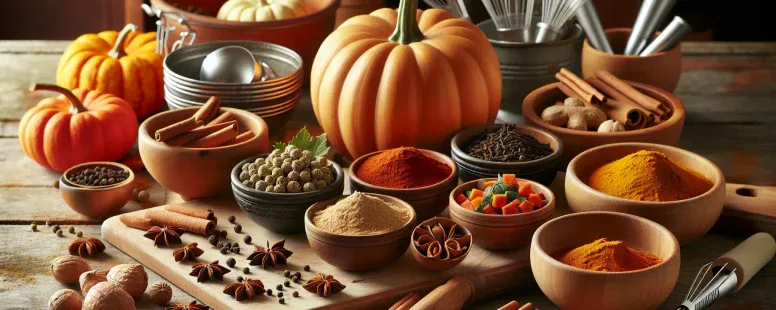
Pumpkin pie spice is a blend of warm, aromatic spices commonly used in fall recipes. It typically includes cinnamon, nutmeg, ginger, and cloves in varying proportions. Some variations also add allspice for a deeper flavor profile. While it’s most popular in pumpkin-based desserts like pies and muffins, people also use it to enhance beverages such as lattes and cocktails.
The primary purpose of this spice mix is to create a comforting balance of sweet and spicy notes. Cinnamon provides warmth; nutmeg adds earthiness; ginger contributes a zesty kick; cloves lend intensity. Together, these spices complement the natural sweetness of pumpkin without overpowering it.
This blend doesn’t contain actual pumpkin—it’s named after its common culinary pairing with pumpkin dishes. Pre-made versions are available in stores but making your own allows you to adjust the ratios according to personal taste or dietary needs (e.g., omitting cloves if they’re too strong).
Why Look For Substitutes?
Running out of pumpkin pie spice disrupts your cooking plans, especially in peak baking seasons. If you’re mid-recipe and notice the spice jar is empty, a substitute becomes essential to keep the process smooth.
Customizing flavors offers another reason to seek substitutes. Store-bought blends may not align with your preferences or dietary needs. By mixing individual spices like cinnamon, nutmeg, ginger, or cloves at home, you gain control over taste and intensity.
Allergies or sensitivities to specific ingredients in pre-made blends also encourage alternative options. Identifying potential allergens lets you create a safer version for everyone enjoying your dishes.
Price and availability sometimes lead you toward substitutes as well. Specialty spice blends can be costly or unavailable in certain areas, making homemade versions more practical for consistent use during fall recipes.
Common Ingredients In Pumpkin Pie Spice
Pumpkin pie spice combines warm, aromatic spices to create its signature flavor. Each component contributes unique notes that enhance fall recipes.
Cinnamon
Cinnamon forms the base of pumpkin pie spice, offering sweet and woody undertones. Ground cinnamon is most common in blends due to its smooth texture. If you’re substituting, consider using Ceylon for a milder taste or cassia for a bolder profile. It’s also rich in antioxidants, which adds nutritional value to your dishes.
Nutmeg
Nutmeg delivers nutty and slightly sweet flavors with earthy warmth. Freshly grated nutmeg intensifies aroma compared to pre-ground options. This spice pairs well with creamy textures like custards or lattes, making it essential in pumpkin-based desserts.
Ginger
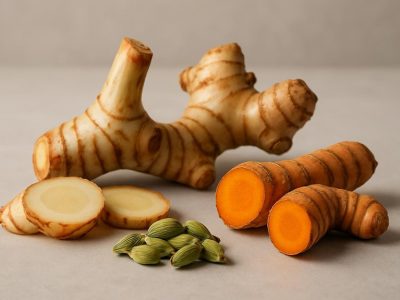
Ginger introduces zesty heat and subtle spiciness into the mix. Ground ginger works best for even distribution in baked goods like muffins and pies. Its pungent kick balances the sweetness of other ingredients while aiding digestion—a bonus during holiday feasts.
Cloves
Cloves bring bold, peppery notes with a hint of bitterness that rounds out the blend’s depth. Use ground cloves sparingly; their potency can overpower other spices if overused. This ingredient is crucial when aiming for an authentic pumpkin spice flavor.
Allspice
Allspice enhances complexity by combining flavors reminiscent of cinnamon, cloves, and nutmeg into one spice. While not always included in traditional mixes, it’s often added for extra richness and warmth—especially in savory-sweet dishes like roasted vegetables or marinades.
Best Substitutes For Pumpkin Pie Spice
When you’re out of pumpkin pie spice, several substitutes can replicate its warm, aromatic profile. Using these alternatives ensures your fall recipes stay flavorful and satisfying.
DIY Pumpkin Pie Spice Blend
Mixing a homemade blend gives you control over flavor intensity. Combine 3 tablespoons cinnamon, 2 teaspoons nutmeg, 2 teaspoons ginger, and 1½ teaspoons ground cloves. Add a pinch of allspice if desired for depth. Store it in an airtight container to use whenever needed.
Apple Pie Spice
Apple pie spice offers a similar warmth with slight variations in ratios. It typically includes cinnamon (dominant), nutmeg, and allspice, making it suitable for most pumpkin-based dishes like pies or lattes. Replace pumpkin pie spice with equal amounts of apple pie spice for comparable results.
Chai Spice Blend
Chai spice blends add an exotic twist to traditional pumpkin recipes. They include spices like cardamom and black pepper along with cinnamon, ginger, and cloves. Use chai spice when you want bolder flavors but adjust quantities since it’s more intense than typical blends.
Individual Spices Combination
Use individual spices to mimic the original blend’s essence if pre-made mixes aren’t available. Combine equal parts cinnamon and nutmeg first; then add smaller quantities of ginger and cloves until the taste matches your preference. This approach lets you experiment while sticking closely to classic profiles.
Other Creative Options
Experimenting with unique spices like mace or star anise creates innovative twists on traditional recipes without straying too far from familiar tastes. Cocoa powder or vanilla bean powder can also complement pumpkin-based desserts when paired thoughtfully with core spices such as cinnamon or nutmeg.
Tips For Using Substitutes Successfully
Measure Accurately
Matching the flavor balance of pumpkin pie spice depends on precise measurements. Use measuring spoons to combine cinnamon, nutmeg, ginger, and cloves in correct proportions. Overusing one spice, such as cloves or nutmeg, may overpower the dish.
Blend Thoroughly
Ensure even distribution by mixing spices well before adding them to your recipe. Uneven blending can lead to isolated bursts of intense flavor instead of a harmonious profile.
Taste and Adjust
After substituting, taste your mixture when possible—like in beverages or no-bake recipes—and adjust quantities for optimal balance. Add more cinnamon for warmth or ginger for zest if needed.
Consider Recipe Context
The substitute should align with the intended flavor profile of your dish. For example, using chai spice adds complexity but might not suit traditional pumpkin pies due to its bold cardamom notes.
Pair With Complementary Ingredients
Enhance substitutes by pairing them with compatible ingredients like vanilla extract, brown sugar, or maple syrup for added depth in baked goods and desserts.
Store Properly
Keep homemade blends in airtight containers away from heat and light to preserve potency. Freshness ensures substitutes remain aromatic and flavorful over time.
Experiment Judiciously
If you’re trying unique spices like star anise or mace as alternatives, start with small amounts to avoid overwhelming the recipe while exploring new dimensions of flavor.
Account For Allergies And Preferences
When preparing substitutions for others, confirm dietary restrictions or allergies related to specific spices such as allspice or cloves before use in shared dishes.
Conclusion
Running out of pumpkin pie spice doesn’t have to derail your fall baking plans. With a few simple ingredients, you can create a versatile substitute that’s just as flavorful and customizable. Whether you mix your own blend or explore alternatives like apple pie spice or chai spice, there are plenty of ways to keep your recipes on track.
By taking control of the flavors, you’ll not only enhance your dishes but also tailor them to suit your preferences or dietary needs. A homemade approach ensures that every bite delivers the warm, comforting taste that defines this beloved seasonal staple.
To provide the best experiences, we use technologies like cookies to store and/or access device information. Consenting to these technologies will allow us to process data such as browsing behaviour or unique IDs on this site. Not consenting or withdrawing consent, may adversely affect certain features and functions.
Functional
Always active
The technical storage or access is strictly necessary for the legitimate purpose of enabling the use of a specific service explicitly requested by the subscriber or user, or for the sole purpose of carrying out the transmission of a communication over an electronic communications network.
Preferences
The technical storage or access is necessary for the legitimate purpose of storing preferences that are not requested by the subscriber or user.
Statistics
The technical storage or access that is used exclusively for statistical purposes.The technical storage or access that is used exclusively for anonymous statistical purposes. Without a subpoena, voluntary compliance on the part of your Internet Service Provider, or additional records from a third party, information stored or retrieved for this purpose alone cannot usually be used to identify you.
Marketing
The technical storage or access is required to create user profiles to send advertising, or to track the user on a website or across several websites for similar marketing purposes.