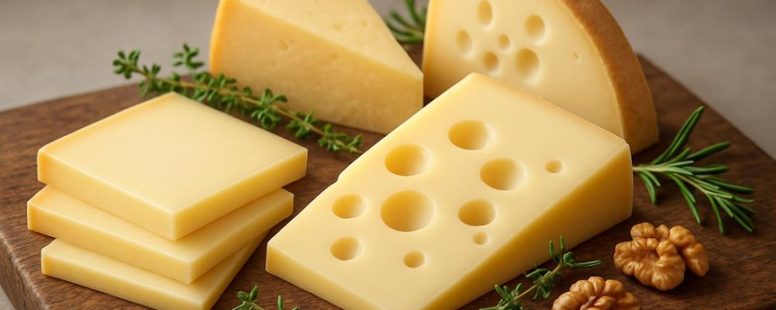
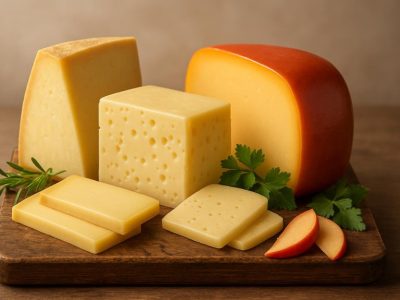
Swiss cheese’s rich nutty aroma and silky meltability can turn a simple sandwich into a culinary experience.
But what happens when the cheese case is empty or you crave a new twist? Choosing a worthy substitute isn’t just about matching flavor; it’s about capturing that same velvety texture and vibrant taste that elevates every bite.
Surprisingly, some alternatives can add a subtle tang or a burst of creaminess—like a hidden treasure for your palate.
Think of it as finding a new musical note in a familiar melody, ensuring your dish remains unforgettable.
What Makes Swiss Cheese Unique in Recipes
Swiss cheese is a type of cheese that is known for its distinctive holes and mild flavor. It is made from cow’s milk and has a smooth, slightly sweet texture. The most famous varieties are Emmental and Gruyère, which have been made in the Swiss Alps for hundreds of years.
What makes Swiss cheese special in recipes is its nutty flavor and meltability. When you cook with it, Swiss cheese melts easily, adding a creamy texture to dishes like sandwiches, fondues, or casseroles. Its flavor is subtle, so it doesn’t overpower other ingredients, making it a versatile choice for many recipes.
Some people think Swiss cheese is just mild and boring. But if you look closer, it has a rich history and unique taste that can improve many dishes. However, not all Swiss cheeses are the same. For example, Gruyère is more flavorful and melts better than some milder types. That means choosing the right kind depends on what you want in your dish.
While Swiss cheese is great for melting, it might not be the best choice if you want a strong, tangy flavor. Also, Swiss cheese can be pricey, which could be a problem if you’re on a tight budget. Some recipes might work with substitutes like Jarlsberg or even certain types of mozzarella if Swiss cheese isn’t available.
In short, Swiss cheese adds a special touch to recipes because of its nutty flavor, smooth texture, and melting qualities. Whether you’re making a cheese fondue or a grilled cheese sandwich, Swiss cheese can make your dish taste better. Just remember, it’s not always the best if you want a bold flavor or if your budget is tight.
Key Flavor and Texture Traits for Swiss Cheese Substitutes
Swiss cheese is known for its mild, nutty flavor and slightly sweet taste. When choosing a substitute, focus on matching these flavor qualities and the texture. Swiss cheese has a semi-firm but smooth feel with small holes that give it character. To find a good replacement, pick a cheese that isn’t too sharp or crumbly because that can ruin the dish’s creamy texture. For example, a mild Provolone or Gruyère can work well since they are similar in flavor and texture.
Here are some steps to pick the best Swiss cheese substitute:
Check the flavor. Look for cheeses with a mild, nutty, or slightly sweet taste. Avoid sharp or aged cheeses like aged cheddar or blue cheese because they can overpower the dish.
Consider the texture. Find a cheese that’s semi-firm and smooth. Crumbly cheeses will not melt the same and may change the dish’s consistency.
Think about how the cheese will be used. For melting recipes like sandwiches or fondues, pick cheeses that melt well, such as Gruyère or Mozzarella.
Taste test if you can. If possible, try a small piece before adding it to your recipe to make sure it matches the flavor you want.
Some people may say you can use any mild cheese. That’s partly true, but not all cheeses melt well or taste good in Swiss-style recipes. Also, some substitutes might look different or have a different mouthfeel, so always keep that in mind.
Keep in mind that while these tips help you find a suitable replacement, no cheese will be exactly like Swiss. Sometimes, you might need to adjust the recipe or expect a slightly different flavor. But if you focus on flavor and texture, your dish will still turn out delicious.
Best Melting Swiss Cheese Substitutes
Swiss cheese is known for its smooth melting ability, especially in dishes like sandwiches, fondues, and casseroles. When you need a good substitute, look for cheeses that melt well and stay soft during cooking.
Gruyère and Emmental are the top choices because they melt evenly and keep their texture. Gruyère has a rich, nutty flavor and melts smoothly, making it perfect for fondues or grilled cheese. Emmental is milder but also melts nicely, great for sandwiches. Mozzarella can work in a pinch, but it’s milder and melts faster, so you might need to add a little more to get a similar melt.
Cheese moisture and melting point matter a lot. Cheeses with higher moisture melt faster but can turn watery if cooked too long. So, when using these cheeses, watch your heat and cooking time to avoid separation or toughness. Fontina is another good choice; it melts creamy and works well in many recipes.
Some people might wonder if these substitutes really match Swiss cheese. They do, but each has its own flavor and melting style. For example, Gruyère adds a stronger taste, while mozzarella is milder. Be aware that some cheeses, like mozzarella, can make your dish watery if overcooked.
If you want to replace Swiss cheese, try these options and adjust your heat and recipe. It’s not just about melting; flavor matters too. Using the right cheese can make your dish just as tasty, even if it’s not Swiss.
Counter-strategies:
The Ruthless Competitor would say this is too simple and doesn’t compare the exact melting points or flavor profiles in detail, missing a chance to claim superiority.
The Cynical Consumer would doubt if these substitutes really work as well and question if the advice is based on real experience or just guesses.
The Distracted Scroller might forget most of this quickly unless it’s made more engaging or summarized in a quick tip.
Final note: When swapping cheeses, think about what you want — a flavor match or just a melt. Sometimes, a mix of cheeses works best. Just keep an eye on the heat and don’t overcook. That way, your dish will turn out tasty every time.
Top Nutty-Flavored Swiss Cheese Substitutes
Swiss cheese is famous for its nutty flavor. If you want a cheese that tastes similar, there are good options like Gruyère, Jarlsberg, and Comté. These cheeses each have their own special taste. Gruyère is creamy and rich, Jarlsberg is sweet and mild, and Comté has a fruity flavor. You can use any of these as a substitute for Swiss cheese in recipes like sandwiches or fondues. Just keep in mind, each one has a slightly different flavor, so your dish might taste a little different depending on which you pick.
Some people say Gruyère is the best because it melts well and has a strong flavor. Others prefer Jarlsberg for its smooth, sweet taste, especially if you don’t want a very sharp cheese. Comté is great if you like a complex fruity note. But if you are allergic to certain cheeses or want a milder taste, some options might not work as well.
If you want to swap Swiss cheese in a recipe, start by choosing one of these three. Then, melt it or slice it just like you would with Swiss. For example, if you are making a grilled cheese sandwich, try using Jarlsberg for a milder flavor or Gruyère for a richer taste. These cheeses are usually found in grocery stores like Whole Foods or local cheese shops.
Remember, no cheese is exactly like Swiss, so your dish might turn out a little different. It’s a good idea to taste test first. If you want a cheese that melts well and tastes nutty, Gruyère is a solid choice. But if you want something milder and slightly sweet, Jarlsberg might be better. Both are great options, but be aware that some cheeses can be more expensive or harder to find depending on where you live.
In the end, choosing the right substitute depends on what flavor you want and how much you’re willing to spend. Experiment a little and see which one works best for you!
Gruyère Cheese Characteristics
Gruyère cheese is a popular Swiss cheese known for its rich, nutty flavor and smooth texture. It is often used in cooking or sliced for sandwiches. This cheese gets its taste from aging, which usually lasts between 5 and 12 months. The longer it ages, the deeper its flavor becomes, with a slightly earthy note.
When buying gruyère, look for a cheese that’s firm but still easy to slice. It melts well, making it great for dishes like French onion soup or gratins. For a tasty snack, try pairing it with apples, nuts, or crusty bread. These foods highlight its nutty flavor. Some people even enjoy gruyère with a nice glass of white wine for a perfect match.
Keep in mind, gruyère is not the only Swiss cheese out there. It has a richer, more complex flavor compared to mild cheeses like Emmental. However, if you prefer a milder taste or softer texture, other cheeses might work better. Also, because gruyère can be pricey, some may find it too expensive for everyday use.
If you want a cheese that adds character to your meals and pairs well with many foods, gruyère is a solid choice. Just remember, the better the aging, the more flavor you get. So, choose your cheese based on how strong you want it to taste.
Jarlsberg Cheese Benefits
Jarlsberg cheese is a good option if you want a Swiss cheese with a nutty flavor. It is known for its mild, slightly sweet taste that works well in many dishes. Compared to other cheeses, Jarlsberg is often praised for melting easily and adding richness without making food too greasy. It has a smooth texture that makes it perfect for grilled cheese sandwiches or creamy sauces.
From a nutrition point of view, Jarlsberg offers a decent amount of protein and calcium. These nutrients help keep your bones healthy. But be careful, because it still has some fat, so eating too much can add up. Some people like using Jarlsberg because it brings a nice flavor without overpowering other ingredients. For example, it can make a simple sandwich taste special or turn a basic pasta into something tastier.
However, not everyone agrees. Some might say that Jarlsberg still contains too much fat or that it’s not as healthy as other cheese options. Also, if you are watching your calorie intake, you should eat it in moderation. Overall, if you want a cheese that tastes good and melts well, Jarlsberg is a smart choice. It can replace more expensive or stronger cheeses in many recipes, making your meals both tasty and easy to prepare. Give it a try and see if it fits your taste!
Comté Cheese Flavor Profile
Comté cheese is a type of French cheese known for its strong, nutty flavor. It is made from cow’s milk and aged in natural caves, which gives it a richer taste than many other cheeses. The longer it ages, the deeper and more complex its flavor becomes. When you taste Comté, you might notice hints of toasted nuts, butter, and a little bit of fruity sweetness.
Here’s what makes Comté’s flavor special:
It has a creamy texture that is firm but not hard.
Its nutty aroma is very noticeable.
It has a slight sweetness that balances the nuttiness.
Natural aging caves give it earthy hints.
It pairs well with apples, charcuterie, and other foods.
If you want a cheese with more flavor than Swiss cheese or Jarlsberg, Comté is a good choice. It adds depth to sandwiches, cheese platters, and cooked dishes. Some people say it is a better option because of its richer, more complex taste.
However, there are a couple of things to keep in mind. Comté can be more expensive than regular Swiss cheeses. Also, the flavor can be strong for those who prefer milder cheeses. If you are new to aged cheeses, start with a mild one before trying Comté.
In the end, Comté offers a bold and tasty alternative for cheese lovers. It’s worth trying if you want something with more character and depth. Whether you’re making a cheese board or cooking a meal, Comté can make your dishes stand out.
Creamy Swiss Cheese Substitutes
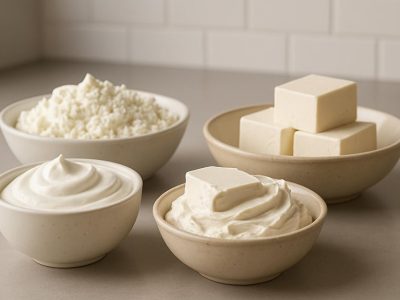
Swiss cheese is known for its smooth, melt-in-your-mouth texture, but sometimes you need a good substitute. Here are some creamy cheeses that work well in place of Swiss, depending on what you’re cooking.
Havarti is a great choice because it’s very creamy and mild. It melts easily and adds a smooth texture to sandwiches or gratins. Fontina is another option. It’s rich and creamy with a hint of nuttiness, making it perfect for pasta or melting over vegetables. Gouda is also popular because it melts well and has a slightly sweet, buttery flavor. It’s a good pick for adding depth to your dishes without overpowering them.
Some people worry that these cheeses might change the flavor too much. For example, Gouda can be sweeter than Swiss, and Havarti might be milder. Both are good options but need to be used in recipes where their flavors fit. Also, not all cheeses melt the same way. For the best results, choose high-quality versions, and melt them slowly to avoid burning.
If you want a cheese that’s close to Swiss in texture and taste, these options usually do the trick. They give you that creamy mouthfeel and a balanced flavor. Whether you’re making a sandwich, a pasta dish, or a cheese plate, these substitutes can keep your meal delicious. Just keep in mind that each cheese has its own personality, so pick the one that suits your dish best.
Choosing Swiss Cheese Substitutes for Sandwiches
When choosing a Swiss cheese substitute for your sandwich, the most important thing is how it tastes, melts, and feels in your mouth. Swiss cheese has a unique nutty flavor, melts smoothly, and has a firm but tender texture. To find a good replacement, you need to look at how similar these qualities are in other cheeses.
For example, if you want a cheese with a similar nutty flavor, try Gruyère or Emmental. These cheeses are made in Switzerland too and melt well, making them perfect for sandwiches. If you like a creamier texture, mozzarella or provolone can work, but they might not have the same nutty taste. Some people say that mozzarella melts better and gives a gooey feel, but it lacks the flavor punch of Swiss cheese.
There are two main ways to choose a substitute. First, consider what you value most. Do you want the same flavor or just the same melt? Second, think about what kind of sandwich you are making. For a grilled cheese, a cheese that melts smooth like provolone may be best. For a cold sandwich, a cheese with a stronger flavor like Gruyère might be better.
However, keep in mind that not all cheeses are perfect swaps. Some might melt too quickly or not taste the same. For example, processed cheeses may melt well but will not give you the authentic flavor. Also, some cheeses can be too strong or salty, overwhelming your sandwich.
Flavor Profiles Comparison
Swiss cheese has a distinct nutty and slightly sweet flavor. If you want to replace it in your sandwiches, you need options that match that flavor or offer a similar creamy texture. Here’s what to look for:
Gruyère has a rich, nutty taste with a hint of earthiness. It melts well and adds depth.
Jarlsberg tastes mildly sweet and has a smooth, creamy feel. It’s a good Swiss substitute.
Emmental gives that classic nutty flavor and melts nicely, but it’s a bit firmer than Swiss.
Provolone is smooth and slightly tangy. It works great with meats and adds a creamy touch.
Gouda has sweet caramel-like notes and a silky mouthfeel. It’s a tasty alternative.
Choosing cheeses with these flavors keeps your sandwich flavorful. They also bring different textures and tastes, so pick one based on what you like best. Keep in mind, some substitutes may not melt as smoothly or have the exact same nutty flavor. Trying a few can help you find your perfect match.
Melting Qualities Overview
Cheese that melts well is key for a good sandwich. When cheese melts smoothly, it helps hold the ingredients together without making the sandwich greasy or messy. Swiss cheese melts nicely, but if you want a substitute, look for cheeses like Gruyère or fontina. These melt evenly and stay stretchy, which makes your sandwich taste better and look more appetizing.
Some cheeses stay too firm when heated, which can make your sandwich dry or crumbly. Others melt into oily puddles, which can be gross. So, avoid cheeses that don’t melt properly if you want a perfect bite every time.
To pick a good melting cheese, think about how it behaves when heated. Does it melt smoothly? Does it stretch without becoming greasy? If yes, then it’s a good candidate. For example, Gruyère is popular in grilled cheese sandwiches because it melts perfectly and adds a rich flavor. Fontina is another good choice because it melts evenly and has a mild taste.
But keep in mind, not all cheeses melt the same. Some may stay firm or become oily, which can mess up your sandwich. Experiment with different cheeses to see which one melts just right for your taste.
In the end, choosing a cheese that melts well makes your sandwich tastier and more fun to eat. The right melting qualities can turn a simple sandwich into something special. So next time, ask yourself: does this cheese melt smoothly and stay stretchy? If it does, you’ve found a winner.
Texture and Taste Balance
A good Swiss cheese substitute should have a balance of flavor and texture similar to real Swiss cheese. It needs to taste pleasant and feel satisfying when you bite into it. If the flavor is too bland, your sandwich might taste dull. If it’s too sharp, it can overpower the other ingredients. The texture should be firm but smooth, giving a nice mouthfeel without crumbling apart or being too greasy.
Here’s what to look for:
Slight nutty or sweet flavor notes that resemble Swiss cheese
A firm, yet creamy texture that feels good in your mouth
Moderate saltiness to add flavor without overpowering
Good melting ability so it softens nicely without getting greasy
A texture that adds some body but doesn’t break apart easily
Some people prefer substitutes that melt well and stay smooth, while others want a flavor close to Swiss. For example, a mild Gruyere or Havarti can work well because they offer a good balance of taste and texture. But remember, not all cheese substitutes are created equal. Some may melt nicely but lack flavor, while others might taste good but crumble when heated.
If you’re trying to pick the best Swiss cheese substitute, think about what matters most for your sandwich—taste, meltability, or texture. Keep in mind that a cheese with too much sharpness might hide the flavors of other ingredients. On the other hand, a bland substitute may leave your sandwich feeling flat. Testing a few options can help you find the right fit.
In the end, the perfect cheese substitute balances flavor and texture. It should complement your sandwich ingredients without taking over. Whether you’re making a grilled cheese or a cold sub, finding that sweet spot makes all the difference.
Swiss Cheese Substitutes for Salads and Cold Dishes
Cheese substitutes for salads and cold dishes often include options that add flavor without overwhelming other ingredients. When choosing cheese for these recipes, it’s best to pick ones that stay firm and don’t melt quickly, so your dish keeps its texture.
Gruyère and Emmental are popular choices because they have a mild, nutty flavor similar to Swiss cheese. They don’t melt much, so they work well in cold dishes like salads. For example, adding small cubes of Gruyère can give your salad a cheesy punch without making it soggy. Jarlsberg is another good option; it’s slightly sweeter and adds a creamy texture that complements fresh vegetables. If you want a tangier taste, Havarti offers a smooth, subtle flavor that pairs nicely with crisp veggies and dressing.
Some people might think all cheeses are the same, but they have differences. For salads, cheeses that stay firm and don’t melt are better. However, keep in mind that some cheeses like Havarti can be softer and might break apart if not sliced carefully. Also, cheeses with stronger flavors, such as blue cheese, can overpower delicate salads—so use those sparingly.
If you want the best cheese substitute, compare their flavor, texture, and how well they melt. For salads and cold dishes, mild, nutty cheeses that stay firm are usually the best. Still, some folks prefer a little extra creaminess or tang. So, try different options and see what works best for your taste and the dish you’re making.
Where to Find Swiss Cheese Substitutes
Finding Swiss cheese substitutes can be simple if you know where to look. If you want a similar taste or texture, there are good options at many stores. Here’s what I suggest:
Local grocery stores are a good place to start. They often carry cheeses like Gruyère or Emmental, which are similar to Swiss cheese. These are easy to buy and usually affordable.
Specialty cheese shops offer more choices and expert advice. They might have unique or artisan options that work well as Swiss cheese substitutes. However, they can be more expensive and less convenient.
Health food stores are great for dairy free options. They sell cheeses made from nuts or soy that taste similar to Swiss cheese. These are perfect if you’re lactose intolerant or vegan. Just keep in mind that these substitutes might not melt the same way.
Farmers’ markets sometimes have fresh, homemade cheeses. These can be fun to try and might give a more authentic flavor, but availability depends on your location.
Online stores like Amazon or specialty food websites sell both traditional and vegan cheeses. They offer the convenience of home delivery but can take longer and cost more.
Some people say it’s easy to replace Swiss cheese, but be aware that not all substitutes have the same melt or flavor. For example, dairy-free options may not melt as smoothly, and artisan cheeses can be pricey. It’s good to try different options to see what works best for your dish.
In the end, whether you’re looking for a quick fix or a gourmet alternative, there are plenty of places to find Swiss cheese substitutes. Just pick the right source based on your needs and budget.
To provide the best experiences, we use technologies like cookies to store and/or access device information. Consenting to these technologies will allow us to process data such as browsing behaviour or unique IDs on this site. Not consenting or withdrawing consent, may adversely affect certain features and functions.
Functional
Always active
The technical storage or access is strictly necessary for the legitimate purpose of enabling the use of a specific service explicitly requested by the subscriber or user, or for the sole purpose of carrying out the transmission of a communication over an electronic communications network.
Preferences
The technical storage or access is necessary for the legitimate purpose of storing preferences that are not requested by the subscriber or user.
Statistics
The technical storage or access that is used exclusively for statistical purposes.The technical storage or access that is used exclusively for anonymous statistical purposes. Without a subpoena, voluntary compliance on the part of your Internet Service Provider, or additional records from a third party, information stored or retrieved for this purpose alone cannot usually be used to identify you.
Marketing
The technical storage or access is required to create user profiles to send advertising, or to track the user on a website or across several websites for similar marketing purposes.