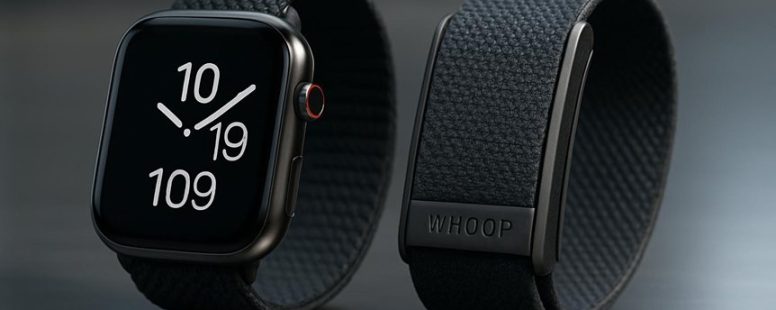
Imagine wearing a device that seamlessly blends into your daily rhythm or one that dives deep into the nuances of your fitness recovery. Choosing between the Apple Watch and the Whoop Band is like selecting between a Swiss Army knife and a precision scalpel—each with its own allure.
The Apple Watch dazzles with its versatility and sleek style, making every glance feel like a personal assistant’s touch. Meanwhile, the Whoop Band offers a treasure trove of detailed insights, turning data into a map for better recovery.
Surprisingly, the Whoop’s silent, unobtrusive design often feels like having a coach whispering secrets to your subconscious. Whichever path you take, understanding their unique strengths will help you unlock your best self.
Which Should You Choose: Apple Watch or Whoop?
Choosing between the Apple Watch and Whoop depends on what you want from a fitness tracker. The Apple Watch is a versatile device that works well if you want a stylish gadget that also tracks your fitness and connects easily with your iPhone. It is great for daily use, notifications, and other smart features. But if you only care about detailed fitness data and recovery insights, Whoop might be better. Whoop focuses on tracking your sleep, heart rate, and how well your body recovers, giving you deep insights for better training.
The Apple Watch is popular for its look and extra features like messaging and apps. It’s perfect if you want a device that does more than just fitness. But some people find it less precise for fitness metrics. Whoop offers more accurate health data, which can motivate serious athletes or those wanting to improve recovery. However, Whoop requires a subscription and doesn’t have many smart features outside fitness tracking.
Think about what motivates you most. Do you want a stylish watch that helps with everyday tasks or a dedicated fitness tracker that gives detailed health info? The Apple Watch is better if you want a multi-purpose device. Whoop is best if your main goal is to improve fitness through accurate data. Both have strengths and weaknesses, so pick what fits your lifestyle best.
Health Tracking Features Compared: Apple Watch vs Whoop
The Apple Watch and Whoop are two popular devices that track health data, but they do it in very different ways. The Apple Watch is a versatile gadget that gives you a lot of health information like heart rate, calories burned, and activity levels. It’s good for everyday fitness and general wellness. It also has tools to help manage stress and tracks your sleep in a simple way. If you want a device that covers many health areas, the Apple Watch is a solid choice.
Whoop focuses more on recovery and rest. It measures how hard your body has worked during workouts and how well you recover from them. It tracks deep sleep and even hydration, which the Apple Watch does not do. If you want detailed data on how your body recovers and how much strain you’re under, Whoop might be better for you. It’s especially good for athletes or people serious about training.
Both devices give useful data, but they serve different needs. The Apple Watch is better if you want a general health tracker that fits into daily life. Whoop is better if you want detailed info on recovery and sleep. Keep in mind that no device is perfect. The Apple Watch can’t track hydration, and Whoop may be too focused on recovery for casual users.
In the end, it depends what you want from your device. Are you looking for broad health insights or deep recovery info? Think about your goals and choose accordingly.
Which Wearable Gives You Better Workout Data?
The best wearable for workout data depends on what you need. If you want detailed recovery insights and precise performance tracking, the Whoop band is a good choice. It measures heart rate and activity levels all day without needing to start a workout. Many users like how it helps plan their training and recover better. But if you want real-time feedback during your exercises and support for different types of activities, the Apple Watch is better. It gives quick updates and works well for running, swimming, or cycling.
However, both have limits. The Whoop is focused on recovery and may not track some activity types as well. The Apple Watch offers more variety in workouts but might not be as detailed in recovery analysis. So, if you care about deep recovery data and performance stats, Whoop gets good reviews. If you want versatility and instant feedback, the Apple Watch is a solid pick.
In simple words, choose the wearable that matches your workout goals. Do you want detailed recovery info or versatile activity tracking? Knowing this helps you pick the right device.
Apple Watch vs Whoop: Ecosystem Integration
The Apple Watch is better if you want your wearable to connect smoothly with your iPhone, Mac, or other Apple devices. It shows notifications, calls, and apps right on your wrist, making it easy to stay connected without pulling out your phone. If you already use Apple products, the Watch feels like an extension of your digital life.
Whoop, on the other hand, is mainly focused on fitness and recovery data. It tracks your workouts, sleep, and how well your body recovers. But it doesn’t connect much outside its own app. If you want a device that keeps you fit but doesn’t bother with notifications or calls, Whoop might be enough.
For people who live in the Apple world, the Watch offers a more integrated experience, syncing everything effortlessly. But if your main goal is getting detailed health insights without extra distractions, Whoop’s focus might fit better.
Keep in mind, the Apple Watch is more versatile, but it can be more expensive and sometimes overwhelming with features. Whoop keeps things simple but may feel limited if you want to stay connected to your phone or other devices. Choosing depends on whether you need your wearable mainly for fitness or for a full-connected experience.
Battery Life and Wearability: Which Fits Your Lifestyle?
Battery life and comfort are big factors when choosing a wearable device. The Whoop Band is a good choice if you want a device that lasts a long time without charging. It runs about five days on one charge, so you don’t need to worry about charging it every day. This is helpful if you hate plugging in your device often or forget to charge it.
The Apple Watch, on the other hand, usually needs a charge every day or two. If you rely on it for sleep tracking or quick notifications, charging it daily can be a hassle. Some people forget or skip charging, which can interrupt their use.
Wearability also matters. The Whoop Band is very slim and light. It feels like wearing nothing on your wrist, so you can wear it all day and night without feeling uncomfortable. The Apple Watch is bigger and heavier, which might be fine for some. But during workouts or sleep, it might feel bulky or annoying.
Pricing and Subscriptions Compared
The main thing to know is that the upfront cost of devices like the Apple Watch or Whoop Band can change how much you pay overall. The Apple Watch costs around $399 for the latest model, while the Whoop Band often comes with a membership fee of about $30 a month. These prices matter because they can add up quickly.
Then, there are subscription plans. The Apple Watch itself doesn’t need a subscription unless you want extra features like Apple Fitness+. which costs about $10 a month. The Whoop Band, however, requires a monthly subscription for its health tracking service. That can be another $30 each month, adding to the device’s initial cost.
Some people might prefer the Apple Watch because it’s a one-time buy and doesn’t need a subscription unless they want more services. Others might choose Whoop if they don’t mind paying monthly and want more detailed health data.
But beware. Subscriptions can add up over time. For example, paying $30 a month for Whoop means $360 a year. If you forget about these costs, you might be surprised at how much they total after a few years. Also, the initial device price can be higher for the Apple Watch, but no ongoing fees are needed unless you want extra features.
In the end, think about what fits your budget and habits. Do you want to pay once and forget it? Or are you okay with paying monthly for ongoing tracking? Both choices have pros and cons. Knowing these costs helps you make a smarter decision.
Upfront Device Costs
The upfront cost of fitness devices varies a lot between the Apple Watch and the Whoop Band. The Apple Watch usually costs between $250 and over $400, depending on the model. You pay this one time when you buy it, and it comes with many features beyond just fitness tracking. It’s a bigger initial expense, but once you buy it, you own it.
The Whoop Band, on the other hand, is much cheaper upfront. Sometimes it costs as little as $30 or even nothing if you sign up for a membership. But it’s not just a one-time buy. You also need to pay a monthly or yearly subscription to use it fully. So, you might pay less at first, but over time, those ongoing costs add up.
If you care most about how much money you pay upfront, the Whoop Band seems easier to start with. But if you want a device that you buy once and forget about, the Apple Watch might be better. Keep in mind, the Apple Watch is more expensive at first but doesn’t require ongoing payments. The Whoop Band can be cheaper to start but could cost more later.
Some people might choose based on their budget. Others might think about how much they want to spend over time. Both options have good points and some downsides. Be sure to consider how much you want to spend now and later before making your decision.
Subscription Plan Options
Subscription plans show how much you’ll pay over time. The Apple Watch does not need a subscription for its main features. This makes it simple and cheaper for most users. You buy it once, and you’re good to go. That’s a big plus if you want straightforward use without extra fees.
Whoop, a fitness tracker, makes you pay a monthly fee to get full features. Some of its best insights and personalized coaching are only available if you subscribe. This can be frustrating if you are on a tight budget. However, if you want detailed health data and coaching to meet your fitness goals, the subscription gives you more value.
Think about it like this: Apple Watch gives you freedom with no ongoing costs, but Whoop’s subscription can make you more engaged and help you improve faster. Both options have good and bad points. If you want simple and low-cost, Apple Watch is better. If you want detailed info and coaching, Whoop might be worth the extra money.
Knowing how these plans work helps you pick the device that fits your needs and wallet. Remember, subscriptions can add up over time, so consider if the extra features are worth the cost.
Long-Term Expense Impact
The long-term costs of owning an Apple Watch or a Whoop band mainly depend on three things: the initial price, ongoing subscription fees, and upgrade costs.
The Apple Watch has a higher starting price. Once you buy it, you own it outright. You can add features through app purchases, but you don’t have to pay a monthly fee to keep using the watch. This makes it easier to plan your expenses. For example, if you buy an Apple Watch Series 8 for about $400, you know that this is your main cost. Some apps might cost extra, but the watch itself is paid off.
The Whoop band costs less at first, often around $30 to $50. But to get full benefits and features, you need to pay a monthly subscription. This fee is usually about $30 per month. Over time, this can add up. If you keep using Whoop for several years, the total cost might be more than buying an Apple Watch. For example, paying $30 a month for 3 years adds up to $1080. That’s a lot more than just the price of the band itself.
Some people prefer knowing exactly how much they will spend each month. If you like predictable bills, the Apple Watch might be better. But if you don’t mind ongoing costs and want the latest features, Whoop could be worth the extra money over time.
However, both choices have their limits. The Apple Watch may require more upfront money and occasional upgrades. The Whoop band’s ongoing subscription can become expensive if you use it long term. Think about what matters most to you—owning outright or paying small monthly fees.
In the end, if you want a clear, one-time cost and no subscription fuss, the Apple Watch might be the smarter choice. But if you don’t mind paying monthly and want continuous updates, then Whoop could suit you better. Just remember, subscriptions add up and could turn into a bigger expense than you expect.
User Experience: Interface, Notifications, and Comfort
The Apple Watch is known for having a simple, easy-to-use interface that shows notifications clearly. It makes it quick to see messages or alerts without extra effort. If you want to get alerts all the time and quickly check your information, the Apple Watch is a good choice. But some people find it distracting if they get too many notifications.
The Whoop Band, on the other hand, is designed to show less information. Its screen is minimal and focuses mainly on health data like sleep and activity. If you prefer fewer interruptions and a simpler display, the Whoop might be better for you. However, it doesn’t give instant alerts like the Apple Watch, which can be a downside if you need quick updates.
Both devices have their strengths and weaknesses. The Apple Watch is great if you want constant alerts and quick access to notifications. But if you want to keep things simple and avoid distractions, the Whoop Band is worth considering. Just remember, the Apple Watch can sometimes become overwhelming, and the Whoop may not keep you as connected.
Interface Design Comparison
The interface design is the most important factor when choosing between devices like the Apple Watch and Whoop Band. A good interface makes it easy to find information and use the device quickly. The Apple Watch has a polished, attractive design that feels smooth to use. Its menus are simple and clear, which makes it easy to find settings or health data. You can also change the watch face and customize features to fit your needs. This makes it friendly for users who want a versatile device.
On the other hand, the Whoop Band has a simpler, more minimal look. It focuses on showing only the most important health data. While it is easy to understand, it does not offer many options to change or personalize the interface. This might be fine for someone who just wants basic info but less helpful if you want control over how the device looks and works.
Some people prefer the Apple Watch because it feels more like a traditional smartwatch with many options. Others like the Whoop Band for its simplicity and focus on health stats. Both devices have strengths and weaknesses depending on what you want from your wearable.
In the end, if you care about quick access, customization, and a smooth experience, the Apple Watch is probably the better choice. But if you want a straightforward device that shows only essential data, the Whoop Band might suit you better. Keep in mind that some users find the Apple Watch too busy, and the Whoop Band may lack enough features for tech lovers. Choosing the right device depends on what matters most to you.
Notification Management Differences
Notification management varies a lot between the Apple Watch and the Whoop Band. The Apple Watch is known for giving you lots of options. You can choose which notifications you want to see, set their importance, and connect with many apps. For example, you can get alerts for emails, messages, or social media, and decide which ones matter most. This helps you avoid missing important info or getting overwhelmed. If you want to stay connected and control every alert, the Apple Watch is the better choice.
The Whoop Band, on the other hand, keeps things simple. It mainly gives you notifications related to your health, like recovery status or how hard you worked out. It limits distractions by not showing app notifications or social alerts. This makes it easier to stay focused on your health without constant interruptions. If you prefer fewer alerts and more peace, the Whoop Band might be better for you.
Some people like the Apple Watch’s flexibility, but it can be too much if you’re easily distracted. The Whoop Band keeps you focused on your health, not your phone. Both have their strengths. The Apple Watch is great if you want full control over your alerts, but it can also be overwhelming. The Whoop Band is simpler but might miss important notifications you care about.
In the end, it depends on what you need. Do you want to stay connected with many alerts, or do you want to focus only on your health? Both options have their limits, so think about what matters most to you before choosing.
Which Wearable Matches Your Fitness Goals Best?
First, think about training focus. The Whoop Band is great if you want to know how well you recover. It gives detailed advice on rest and how much strain you can handle. If you want to improve your training with recovery data, this device might be best.
Second, look at goal setting. The Apple Watch makes it easy to customize workouts and connect with many apps. If you like setting different fitness goals or tracking various activities, the Apple Watch could work better for you.
Third, consider motivation and community. Whoop has a strong community and coaches that keep you motivated. If you like being part of a group or getting encouragement, this could help. The Apple Watch also has social features like sharing your progress, which can push you to do more.
Finally, think about style and design. The Apple Watch looks sleek and fits well with everyday clothes. The Whoop’s simple design is subtle and less noticeable but might not suit all styles.
Choosing the right device depends on what you value most. Do you want to focus on recovery and specific training, or are you looking for a versatile gadget that keeps you motivated and matches your style? Both have pros and cons. For example, the Whoop is better for recovery data but costs more and has fewer features for everyday use. The Apple Watch is versatile and stylish but may not offer as much detailed recovery info.
In the end, your choice should match your fitness goals and lifestyle. Think about what matters most—recovery, motivation, or style—and pick the wearable that helps you stay on track.
To provide the best experiences, we use technologies like cookies to store and/or access device information. Consenting to these technologies will allow us to process data such as browsing behaviour or unique IDs on this site. Not consenting or withdrawing consent, may adversely affect certain features and functions.
Functional
Always active
The technical storage or access is strictly necessary for the legitimate purpose of enabling the use of a specific service explicitly requested by the subscriber or user, or for the sole purpose of carrying out the transmission of a communication over an electronic communications network.
Preferences
The technical storage or access is necessary for the legitimate purpose of storing preferences that are not requested by the subscriber or user.
Statistics
The technical storage or access that is used exclusively for statistical purposes.The technical storage or access that is used exclusively for anonymous statistical purposes. Without a subpoena, voluntary compliance on the part of your Internet Service Provider, or additional records from a third party, information stored or retrieved for this purpose alone cannot usually be used to identify you.
Marketing
The technical storage or access is required to create user profiles to send advertising, or to track the user on a website or across several websites for similar marketing purposes.