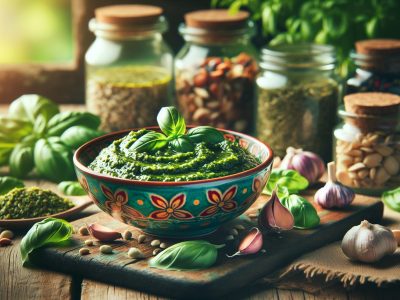
Imagine crafting a vibrant pesto, only to realize pine nuts are nowhere to be found. The creamy texture and delicate flavor they bring are hard to replicate, like trying to catch a whisper of summer in a jar.
But don’t despair—there are hidden gems among substitutes that keep your sauce rich and balanced, without overpowering.
Surprisingly, some options even add a unique crunch or depth you never expected. With a little creativity, you can transform your pesto into a culinary masterpiece that’s just as delightful—nutty, fresh, and full of life.
Why You Might Need a Substitute for Pine Nuts
A substitute for pine nuts is needed when you cannot find them easily, or they are too expensive. Pine nuts are often pricey and hard to get in some areas or during certain seasons. Some people also need to avoid pine nuts because of nut allergies or sensitivities. Using a good alternative can save money, make it easier to find, and fit dietary needs.
To choose the best substitute, think about what you want. If you want a similar flavor and texture, try sunflower seeds or cashews. They are affordable and readily available, and they taste similar. If you prefer a nut-free option, toasted pumpkin seeds can work well. For recipes like pesto, where the nutty flavor is key, these options will keep your dish tasty.
But there are some warnings too. Not all substitutes taste exactly like pine nuts. For example, sunflower seeds are a bit earthier, and cashews are creamier. They might change the flavor of your dish slightly. Also, if you have a nut allergy, sunflower or pumpkin seeds are safer options.
Some people say that sunflower seeds are the best because they are cheap and easy to find. Others prefer cashews for their creamy texture. However, sunflower seeds can sometimes be bitter if not toasted properly. Cashews are more expensive but give a rich, smooth taste.
In the end, it depends on what you need. If you want a quick, budget-friendly option, sunflower seeds or pumpkin seeds are good choices. If you want a richer flavor, go for cashews. Both options will give your dish a nutty flavor and creamy texture without breaking your budget or risking allergies.
How to Choose the Right Pine Nut Substitute
The best pine nut substitute depends on what you want from it. If you need a flavor close to pine nuts, look for options that taste buttery or nutty. For texture, choose something that adds crunch or a similar chewiness.
For example, sunflower seeds or chopped almonds can add crunch, while cashews or macadamia nuts offer a rich, buttery taste. If you want a neutral flavor, toasted bread crumbs or pumpkin seeds might work.
Be careful though. Some substitutes may not match the flavor or texture perfectly. Sunflower seeds are cheaper but can be a little bitter if not roasted well. Almonds are tasty but can be harder to chop evenly.
Two viewpoints matter here. Some cooks say go for the closest flavor match, like cashews, because they stay true to the dish. Others suggest using whatever you have on hand, even if the flavor is different, as long as the texture is right.
Here’s a quick step-by-step to choose the right substitute:
Decide if you want flavor or texture to be the main focus.
Pick a nut or seed that matches your goal. For flavor, try cashews or macadamia nuts. For crunch, go with sunflower seeds or chopped almonds.
Toast or prepare the substitute to enhance flavor.
Add a small amount first and taste before using more.
Flavor Profile Comparison
Pine nuts have a special flavor that is buttery and slightly sweet. If you want to replace them, it helps to know how similar or different the substitutes taste.
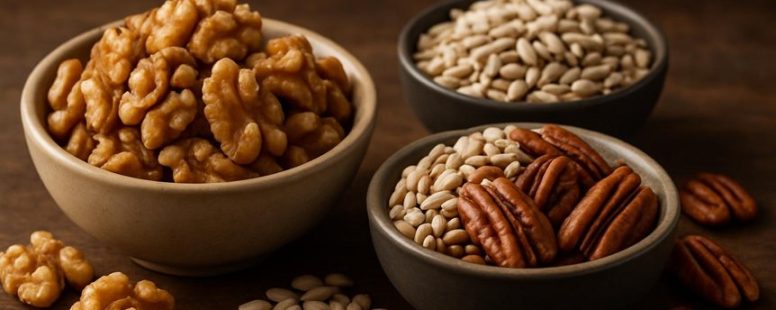
Walnuts have a strong, slightly bitter flavor. When you toast them, they can add a rich taste to your dish. Almonds taste milder and a bit sweeter, making them closer to pine nuts in flavor. Cashews are creamy and neutral. They work especially well in pesto recipes where a smooth texture is needed. Sunflower seeds have an earthy flavor, which is quite different from pine nuts but can add a unique touch.
Choosing the right substitute depends on what you are making. If you want a taste close to pine nuts, almonds or cashews are good options. If you want a stronger flavor or different texture, walnuts or sunflower seeds could work.
Some people might think the flavor of walnuts is too bitter or overpowering, while others find almonds too sweet. Cashews can sometimes be bland if not toasted properly. Keep in mind that substitutes may change the look and texture of your dish too.
Do you want a similar flavor or just a similar texture? That choice will help you pick the best replacement. Remember, trying different options can give you new flavors to enjoy. Would you like to see how each one affects your recipe?
Texture and Consistency
Texture and consistency are key when choosing a substitute for pine nuts in pesto. The main goal is to find nuts or seeds that give the right mouthfeel without making the pesto gritty or too oily. For example, walnuts have a coarser texture that adds crunch, but they can make the pesto less smooth. Cashews, on the other hand, are creamier and blend easily, giving a smooth result. Pumpkin seeds are another good option because they are firmer but still mix well into the pesto. When picking a substitute, think about how the texture will affect your pesto’s creaminess and overall feel. If you want a similar experience to pine nuts, look for options that won’t change the texture too much. Paying attention to these details helps make sure your pesto stays delicious and satisfying, just like with pine nuts.
Nut-Based Pine Nut Substitutes for Pesto
When choosing nut substitutes for pine nuts in pesto, it’s key to compare their flavors and textures. Some nuts, like cashews, make the sauce creamier, while others, like walnuts, add a crunch. Also, consider their nutrition because some nuts are healthier options than others. For example, almonds have more fiber and healthy fats, but they can also change the taste a little.
If you want a smooth, rich pesto, go for nuts like cashews or macadamia nuts. They blend easily and give a buttery texture. But if you prefer a chunkier, more textured sauce, walnuts or even toasted sunflower seeds work well. Keep in mind, some nuts can be bitter or overpower the basil flavor, so taste as you go.
Remember, not all nuts are perfect substitutes. Some, like pistachios, add a unique flavor but can be expensive. Others, like peanuts, are cheaper but might not match the traditional pesto taste. It’s worth trying small batches first so you can find the best flavor and texture for your pesto.
In the end, choosing the right nut depends on what you like and what you have at home. Don’t be afraid to experiment and see what works best for your taste buds.
Flavor Profiles Comparison
Pine nuts have a unique buttery and slightly sweet flavor that makes traditional pesto special. If you want to substitute pine nuts, some nuts work better than others in taste and texture.
Cashews are a good choice because they are mild and creamy. They don’t have a strong smell or taste, so they won’t overpower the pesto. Almonds are another option. They are slightly sweet and have a moderate flavor, making them a balanced substitute. Walnuts have a stronger, earthier flavor that can stand out more and might change the pesto’s overall taste.
Aromas are different too. Walnuts smell woodsy and strong, while cashews and almonds give off softer, nutty scents. When choosing a nut substitute, think about how its flavor and smell will blend with basil, garlic, and cheese. If you want a subtle taste, go with cashews or almonds. If you like a more noticeable nutty flavor, walnuts could work, but be careful they might take over the dish.
Some brands like Wonderful Pistachios or Blue Diamond offer high-quality nuts that can be good for pesto. Remember, trying different nuts is a bit of trial and error. It depends on what flavor you want to highlight and how much you want the nut to stand out in your pesto.
Texture and Consistency
Choosing the right nut to replace pine nuts in pesto depends on how it feels as well as how it tastes. The key is to find a nut that gives the pesto a smooth, creamy texture. This helps the sauce blend well and stay nice and thick.
For example, almonds can add a bit of crunch, which might make the pesto less smooth. If you want a similar creamy feel to pine nuts, cashews are a good choice because they blend into a rich, smooth sauce. Walnuts give the pesto more texture and an earthy flavor, making it heartier.
If you want your pesto to stay thick and not get runny, pick nuts based on how they will feel in the sauce. Cashews are usually the best for creaminess, but be careful not to add too many nuts or it can get too gritty. Almonds are good if you like a little crunch, but they may not be as smooth. Walnuts add a stronger flavor but can also make the pesto more textured.
Some people prefer certain nuts because they add flavor, while others focus on how smooth or chunky the sauce will be. If you want a nut that mimics pine nuts closely, cashews are your best bet. But if you want more crunch and earthiness, almonds or walnuts could work. Just remember, the right nut depends on what kind of pesto you want to make.
Nutritional Benefits Overview
What are nut substitutes for pine nuts and why choose them?
Cashews, almonds, and walnuts are common options. Each has different benefits that can help you decide which to use in your pesto or recipes.
Cashews are known for their creamy texture. They are high in magnesium and iron, which help your muscles and blood. If you want a smooth, rich flavor, cashews are a good choice. But they are also higher in calories, so use them in moderation. Some brands, like Whole Foods 365, make quality cashews that work well in pesto.
Almonds are packed with vitamin E. This vitamin keeps your skin healthy and protects your cells. Almonds are crunchy and slightly sweet, which can add a different taste to your dish. Keep in mind, almonds are also calorie-dense. For a lighter option, try sliced or blanched almonds.
Walnuts are rich in omega-3 fatty acids. These fats are good for your heart and brain. If you want a nut that adds a bit of a bitter, earthy flavor, walnuts are perfect. They do have a strong taste that might overpower some recipes, so use small amounts first. Look for fresh walnuts in bulk stores or brands like Diamond.
All three nuts provide protein, which helps with muscle repair and keeps you full longer. They also contain fiber, aiding digestion and blood sugar control. But remember, nuts are high in calories, so use them wisely.
Some people might prefer one over the others based on flavor or health needs. For example, vegans might choose walnuts for omega-3s, while someone with skin issues might pick almonds for vitamin E. However, nuts can cause allergies in some people, so always check before trying new substitutes.
In conclusion, choosing the best nut substitute depends on what health benefits or flavors you want. Cashews give creaminess, almonds add vitamin E, and walnuts support heart health. Think about your taste preferences and dietary needs when selecting. And always remember to use nuts in moderation because they are calorie-rich.
Sources: Harvard T.H. Chan School of Public Health, “The Nutrition Source,” and USDA FoodData Central.
Seed-Based Pine Nut Alternatives for Pesto
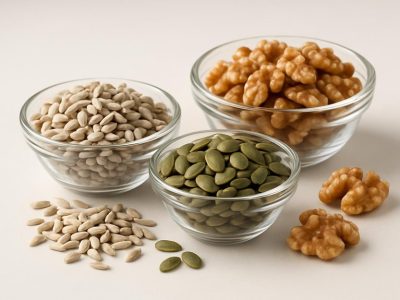
Seeds are a good option when you can’t find pine nuts or need a cheaper alternative for pesto. Sunflower seeds and pumpkin seeds work well because they have a similar texture and a mild, nutty flavor that mixes nicely with basil and garlic. Sunflower seeds taste a bit earthier, while pumpkin seeds add a touch of sweetness. Both seeds toast easily, which makes their flavor even better and gives your pesto a little crunch. They are also easier to find and less expensive than pine nuts. Using seeds keeps your pesto fresh and tasty without sacrificing flavor. You can try mixing different seeds or changing the amounts to fit your taste. Just remember, while seeds are a good substitute, they might not give the exact same richness as pine nuts. Some brands like “David Sunflower Seeds” or “SuperSeed Pumpkin Seeds” can be good choices. Keep in mind, toasted seeds taste better, so take a few minutes to toast them before blending. If you want a richer flavor, you could even roast the seeds a little longer. Overall, seeds are a simple and affordable way to make tasty pesto when pine nuts are not an option.
Cheese Alternatives to Pine Nuts in Pesto
Cheese can be a good substitute for pine nuts in pesto, especially if you want a richer and more flavorful sauce. If you like dairy, Parmesan or Pecorino Romano are popular choices because they add a sharp, nutty taste that pairs well with basil. For vegan options, nutritional yeast or cashew-based cheeses can give your pesto a cheesy flavor without using any animal products. Here are some cheese options you might consider:
Parmesan: It’s sharp and nutty, and it’s the traditional cheese used in pesto.
Pecorino Romano: This cheese is saltier and has a tangy bite that can make your pesto stand out.
Nutritional yeast: This is a vegan ingredient that adds a cheesy flavor to sauces.
Cashew cheese: Made from blended cashews, it’s creamy and mild, making your pesto smooth.
Vegan Parmesan-style blends: These are store-bought or homemade dairy-free options that taste cheesy.
Using cheese in pesto helps make the sauce thick and creamy, even if you skip pine nuts. Some people love the added flavor, but others worry that cheese can make the pesto too heavy or salty if not used carefully. If you’re trying to keep it dairy-free, nutritional yeast and vegan blends are good bets, but they might not give the same richness as traditional cheese. Remember, experiment with small amounts first to find what tastes best for you.
Vegetable and Herb Substitutes for Pine Nuts
Pine nuts are popular in pesto because they add a creamy, nutty flavor. But if you need a substitute, vegetables and herbs can work well. These options can keep your pesto tasty and fresh without nuts.
One good vegetable substitute is zucchini. When you lightly sauté or blanch zucchini, it becomes soft and adds a mild earthy taste. Asparagus is another option. Cooked until tender, it gives a subtle flavor and some texture. Both vegetables are easy to find in most grocery stores and can blend smoothly into pesto.
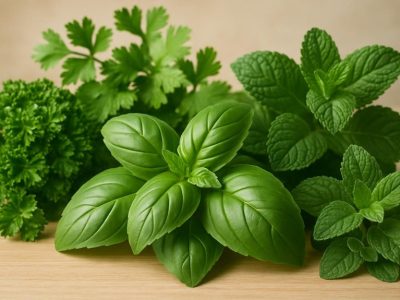
Herbs can also replace pine nuts. Basil is the main ingredient in most pesto recipes, but adding parsley or arugula can boost the flavor. Parsley adds a bright, fresh note, while arugula gives a peppery kick. Mixing these herbs can create a unique taste that still feels like traditional pesto.
Some people worry that vegetables and herbs won’t give the same richness as pine nuts. While they do add flavor, they may lack the creamy texture that nuts provide. To make your pesto more creamy, you can add a little olive oil or a splash of water while blending.
You should know that using vegetables and herbs as substitutes is a good idea if you have allergies or can’t find pine nuts. But keep in mind they may alter the texture and richness of your pesto. Trying different combinations can be fun and help you find your favorite flavor.
Would you like to see a simple recipe with these substitutes? Or tips on how to blend them smoothly? Experimenting with different ingredients can turn a simple pesto into a fresh, tasty dish you’ll love.
Adjusting Texture and Flavor Without Pine Nuts
Pesto without pine nuts can still taste great and have a nice texture. The key is finding simple ways to make it creamy and flavorful without pine nuts. Here’s what I do:
First, use avocado. It adds smoothness and richness without changing the flavor much. Next, try sunflower seeds. They give a mild nutty crunch that works well. You can also add nutritional yeast. It gives a cheesy, umami flavor that boosts the taste. Roasted chickpeas are helpful too. They thicken the pesto and add a subtle earthy flavor. Lastly, change the amount of olive oil you use. More oil makes it creamier, less makes it thicker.
Some people might worry that these tricks won’t taste as good as with pine nuts. It’s true that pine nuts give a unique flavor, but these options are simple and affordable. Avocado and sunflower seeds are easy to find at most grocery stores. Just blend everything well and taste as you go. You might need to adjust the oil or seasonings to get it just right.
A warning: sunflower seeds and chickpeas can sometimes make the pesto a little grainy if not blended properly. Also, some people might not like the strong flavor of nutritional yeast. Try small batches first and see what you prefer.
In the end, making pesto without pine nuts takes a bit of experimenting. But with these tips, you can still get a smooth, tasty sauce that complements fresh basil. It’s a good way to save money and avoid allergies, too. Would you try these swaps next time you make pesto?
Customizing Your Pesto With Pine Nut Substitutes
Pesto can be customized by swapping out pine nuts for other ingredients. The best substitutes depend on what flavor and texture you want. For example, walnuts and almonds are common options. They add crunch and a slightly different taste. Sunflower seeds are a good choice if you want a nutty flavor without nuts. Cashews make the pesto creamier and richer. Pumpkin seeds give a subtle earthy taste and a little crunch.
If you want a milder flavor, try using almonds or sunflower seeds. For a stronger, nuttier taste, walnuts or cashews work well. Keep in mind that some substitutes may change the texture or color of your pesto. For example, sunflower seeds can turn the pesto a little darker. Also, some people with nut allergies might prefer sunflower seeds or pumpkin seeds.
To customize your pesto, start by replacing pine nuts with your chosen ingredient in equal amounts. Blend everything together as usual. If it seems too thick, add a little olive oil or water. Taste and adjust the seasoning if needed.
Some people prefer traditional pine nuts because they have a balanced flavor. Others like experimenting with different ingredients to find what they like best. Just be aware that some substitutes, like sunflower seeds, can be more bitter if overused.
Trying different options can make your pesto unique and fit your dietary needs. For example, if you are allergic to nuts, sunflower or pumpkin seeds are good alternatives. If you want a richer taste, cashews are a great choice.
Where to Find Budget-Friendly Allergy-Safe Alternatives
Finding affordable allergy-safe substitutes for pine nuts is easier than you think. The key is to look for ingredients that are both budget-friendly and safe for people with nut allergies. Here are some simple ways to find these options.
First, check local stores like Walmart or Kroger. They often have bulk bins with seeds like pumpkin or sunflower seeds, which are usually cheaper than nuts. Buying in bulk can save you money too. For example, a big bag of sunflower seeds at a natural food store might cost less per ounce than small packs of pine nuts.
Second, visit discount grocery stores or dollar stores. These places sometimes carry generic seed brands that are more affordable and safe for allergies. Just be sure to read labels carefully to avoid cross-contamination.
Third, try online shops like Amazon or Thrive Market. They offer allergy-friendly pantry staples and often have deals or larger packages that lower the cost. Some brands even specialize in allergy-safe foods, making your shopping easier.
Fourth, farmers’ markets are a great spot for fresh, inexpensive seeds. You can often buy directly from farmers, which cuts out middlemen and lowers prices. Plus, the seeds are fresh and often better quality.
Last, ethnic markets can be hidden gems. Stores selling Middle Eastern, Asian, or Latin foods often have seeds and nuts at lower prices than regular grocery stores. For example, sesame seeds or roasted chickpeas can be good allergy-safe options.
Remember, some people might find these alternatives are not exactly like pine nuts in taste or texture. Also, always check for allergy warnings, especially if someone has severe allergies. It’s a good idea to buy from trusted sources and read labels carefully.
To provide the best experiences, we use technologies like cookies to store and/or access device information. Consenting to these technologies will allow us to process data such as browsing behaviour or unique IDs on this site. Not consenting or withdrawing consent, may adversely affect certain features and functions.
Functional
Always active
The technical storage or access is strictly necessary for the legitimate purpose of enabling the use of a specific service explicitly requested by the subscriber or user, or for the sole purpose of carrying out the transmission of a communication over an electronic communications network.
Preferences
The technical storage or access is necessary for the legitimate purpose of storing preferences that are not requested by the subscriber or user.
Statistics
The technical storage or access that is used exclusively for statistical purposes.The technical storage or access that is used exclusively for anonymous statistical purposes. Without a subpoena, voluntary compliance on the part of your Internet Service Provider, or additional records from a third party, information stored or retrieved for this purpose alone cannot usually be used to identify you.
Marketing
The technical storage or access is required to create user profiles to send advertising, or to track the user on a website or across several websites for similar marketing purposes.