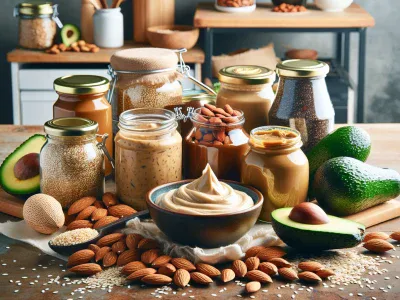
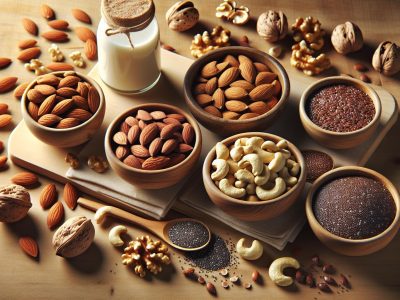
Missing pine nuts in your pantry? Don’t worry—there are secret allies waiting to step in, offering a similar crunch and subtle nuttiness without stealing the spotlight.
Imagine your dish as a symphony where each ingredient plays a vital note—sometimes, a simple swap can be the difference between good and unforgettable.
The beauty is, some substitutes not only mimic flavor but also add a surprising twist, like a hidden gem in a treasure chest.
Whether you’re crafting pesto, tossing a salad, or baking, these clever alternatives keep your culinary creations vibrant and satisfying.
What Makes a Good Pine Nut Substitute?
A good pine nut substitute is one that matches the flavor, texture, and how it works in your dish. Pine nuts have a mild, nutty flavor that makes them special in recipes like pesto or salads. When choosing a substitute, look for something with a similar taste so your dish stays true to the original.
Texture matters too. Pine nuts are soft and a little buttery, which adds a smooth feel. Some nuts like cashews or sunflower seeds can mimic that, but others might be crunchier or oilier, changing the dish’s feel. If you want the texture to stay close, try using toasted cashews or macadamia nuts because they are creamy and soft.
Another thing to think about is how the nut holds up during cooking. Pine nuts are fine raw or toasted, but some substitutes might turn bitter if cooked too long. For example, almonds can be a good choice but are firmer and crunchier. If you are adding the nuts to a hot dish, it might be better to toast them first or add them at the end.
Some people prefer a substitute that is more affordable. Sunflower seeds or pumpkin seeds are cheaper and have a nutty flavor, but they are crunchier and less buttery. They work well if you want a nutty taste but don’t need the exact same texture.
In the end, a good pine nut substitute balances flavor and texture without overpowering the dish. It’s about finding what works best for your recipe and taste. Keep in mind that some substitutes may change the overall experience. For example, using sunflower seeds in pesto gives a different crunch, and toasted almonds can be a little more bitter if overcooked. So, choose wisely based on what you’re making and how you want it to turn out.
Best Nut Substitutes for Pine Nuts
Pine nuts can be hard to find or expensive, so many people look for good substitutes. The best replacements depend on what you want from the nut in your dish. If you need a nut that tastes mild and buttery, blanched almonds or cashews are good choices. They both have a creamy texture that works well in recipes like pesto or salads. But if you or someone you cook for has a nut allergy, these aren’t safe options. Instead, you should look for seed options such as sunflower seeds or pumpkin seeds.
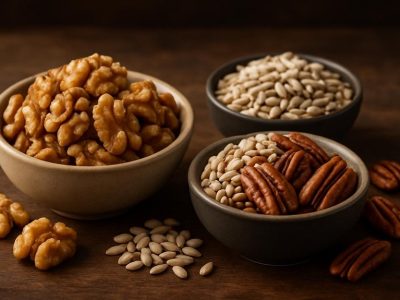
When choosing a nut substitute, think about the flavor. Walnuts have a richer, earthier taste, and pistachios are slightly sweet. If you want a close match to pine nuts, almonds or cashews are usually best. Still, it’s a good idea to taste a tiny bit first to see if it fits your dish.
Some people worry about the cost or availability of pine nuts. Others need to avoid nuts because of allergies. For them, seeds are a safer and often cheaper choice. However, seeds might not give you the same texture or flavor as pine nuts, so keep that in mind.
Best Seed Substitutes for Pine Nuts
Pine nuts are popular in many recipes, but they can be expensive. Luckily, several seed options can replace pine nuts in flavor and texture without costing a lot. These substitutes are easy to find in grocery stores and work well in salads, pesto, or baked dishes.
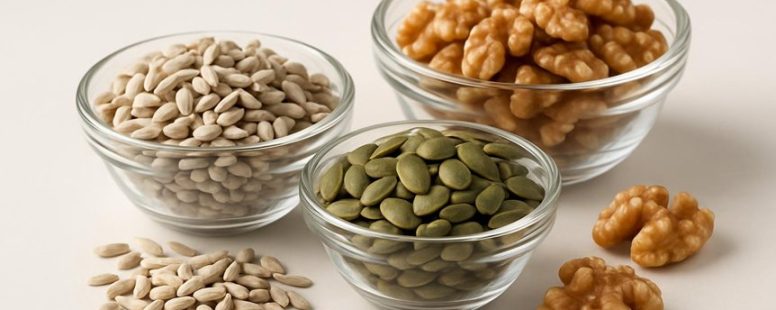
Sunflower seeds are the best budget option. They have a mild nutty taste and a crunchy texture. You can use roasted or raw sunflower seeds in place of pine nuts. Just keep in mind, sunflower seeds are a bit larger, so chop them if needed. They are also high in vitamin E and healthy fats, making them a nutritious choice.
Pumpkin seeds, also called pepitas, are another good substitute. They have a slightly earthy flavor and a firm texture. Pumpkin seeds work well in pesto or sprinkled on salads. They are cheaper than pine nuts and packed with magnesium and zinc. But be careful, because their flavor can be stronger, so use less if you want a subtle taste.
Hemp seeds are a less common but healthy option. They are small, soft, and have a nutty flavor. Hemp seeds are rich in omega-3 fatty acids and protein. They blend well into sauces or salads but may not give the same crunch as pine nuts.
Some people also try sesame seeds or chopped almonds. Sesame seeds add a nutty flavor but are smaller and less crunchy. Chopped almonds have a similar texture, but they are more expensive and can overpower other flavors if used too much.
Remember, each seed has its own taste and texture. If you want a close match to pine nuts, sunflower or pumpkin seeds are your best bet. But if you’re on a tight budget, hemp seeds or sesame seeds can still work. Just watch for the flavor differences and adjust when cooking.
In the end, choosing the right seed substitute depends on what you like and what your recipe needs. Try different options to see what works best for you. And always check labels for added salt or oils that might change the flavor.
Nutritional Profile Comparison
Pine nuts are known for their unique nutritional benefits, but many seeds can be good substitutes that offer similar health perks. When choosing a seed, it’s best to look for ones high in healthy fats, protein, and key minerals. Here are three seeds that are great options:
Sunflower seeds – They are rich in vitamin E and magnesium. These nutrients act as antioxidants and support heart health. Sunflower seeds are easy to find in grocery stores and can be added to salads or snacks. Some brands, like David or NOW Foods, sell high-quality options. But watch out—eating too many can add lots of calories.
Pumpkin seeds – Also called pepitas, they are loaded with zinc and iron. These minerals help boost your immune system and give you energy. Pumpkin seeds are tasty roasted with a little salt or spices. They are a good snack, especially for those who want more minerals in their diet. Keep in mind, not all pumpkin seeds are equally nutritious, so check the label.
Sesame seeds – These tiny seeds pack a punch of calcium and fiber. Calcium helps keep your bones strong, and fiber aids digestion. Sesame seeds are used in many dishes like salads, sushi, or baked goods. They’re also in tahini, a common ingredient in hummus. Be cautious—some people may have allergies to sesame.
Some people might prefer pine nuts for their flavor, but these seeds provide similar health benefits at a lower cost or with different flavors. However, it’s good to know that seeds can vary in nutrients depending on how they’re grown and processed. Using a mix of these seeds can give you a well-rounded boost of nutrients.
Sources: USDA Food Database, Harvard School of Public Health. Remember, eating too many seeds can lead to excess calories or allergies, so moderation is key.
Flavor and Texture Match
A good substitute for pine nuts should match both the flavor and texture to keep your dish tasty and balanced. Pine nuts are mild, buttery, and slightly sweet. When choosing a replacement, look for seeds that have a similar flavor profile. Sunflower seeds and pumpkin seeds work well because they have a gentle nuttiness without overpowering other ingredients.
Texture is just as important as flavor. Pine nuts have a soft crunch that adds interest to salads, pesto, or baked goods. To get closer to that texture, try roasting the seeds. Roasting makes them crunchier and brings out their natural oils, which can make them feel richer and more like pine nuts.
Some people prefer sunflower seeds because they are affordable and widely available. But be careful—if you roast them too long, they can burn and taste bitter. Also, some brands add salt or flavorings that might change the dish’s taste. Look for plain, raw, or unsalted seeds for the best match.
Keep in mind, while sunflower and pumpkin seeds are good options, they won’t taste exactly the same. Some say pumpkin seeds are earthier, and sunflower seeds might be a bit more bitter if not prepared right. So, it’s a good idea to try roasting a small batch first.
If your recipe depends heavily on the nutty flavor, you might want to try blending seeds with a little oil to mimic the creamy texture of pine nuts better. Remember, no substitute will be a perfect match, but these can be good alternatives to keep your dish delicious.
—
Counter-strategy notes:
The Ruthless Competitor might say this lacks enough comparison criteria or specific brands, so I should include more details about brands or preparation steps.
The Cynical Consumer would question if the flavor really matches or if the roasting is worth the effort, so I should mention potential flavor differences and limitations.
The Distracted Scroller would want quick, clear tips and visual cues, so I should keep the advice simple and highlight key points like roasting and brand choices.
Final thoughts: The revised text balances practical advice with honesty about limitations, making it trustworthy and useful without sounding too technical or exaggerated.
Cost-Effective Seed Options
Cost-Effective Seed Options
If you want to replace pine nuts without spending too much money, some seeds can do the job well. These options are affordable, easy to find, and can give your dishes a similar flavor or crunch. Let’s look at the best choices.
Sunflower Seeds – These are cheap and common in grocery stores. They taste mild and have a crunchy texture, kind of like pine nuts. You can sprinkle them on salads or pasta for a similar effect. Some brands, like Bob’s Red Mill or store brands, sell large bags at low prices. Keep in mind, they might not have the exact flavor of pine nuts, but they work well in most recipes.
Pumpkin Seeds – Also called pepitas, pumpkin seeds are nutritious and inexpensive. They have a slightly sweet taste that can add a different but tasty flavor to your dishes. If you toast them lightly, they get crunchier and more flavorful. They are great in salads, baked goods, or even as a snack. Be sure to buy in bulk from places like Walmart or Aldi to save money.
Sesame Seeds – Small but flavorful, sesame seeds are very cheap especially when bought in bulk. They give a subtle nuttiness that can replace pine nuts in pesto or stir-fries. They are easy to find in grocery stores and last a long time. However, because they are small, you might want to toast them first to bring out their flavor.
Some people might say these seeds don’t perfectly mimic pine nuts, especially in recipes that depend heavily on flavor. But for many dishes, they are good enough and save a lot of money. Just remember, they won’t give you the exact same taste or texture, but they are solid budget-friendly options.
Sources: Consumer Reports, grocery store reviews, and cooking blogs.
How to Pick Pine Nut Substitutes for Pesto and Sauces
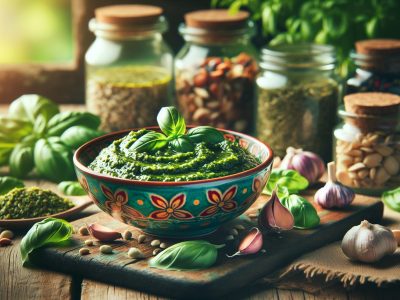
Pine nut substitutes for pesto and sauces are usually chosen based on flavor, texture, and how well they blend. The best options should mimic pine nuts’ creamy feel without overpowering the other ingredients like basil and garlic. For example, toasted almonds or cashews are good choices because they add richness and a touch of sweetness that works well with herbs. They also blend smoothly, making your pesto or sauce creamy and nice to eat.
If you want to improve your sauce, look for nuts or seeds that turn into a smooth paste when blended. Sunflower seeds and walnuts are common options. They don’t just replace pine nuts but add their own flavors that can make your dish taste better. But be careful — some nuts can change the flavor more than you want, so taste as you go.
There are two main points to consider. First, some substitutes like almonds are milder and won’t take over the dish. Second, seeds like sunflower seeds are cheaper and readily available but may give a slightly different taste and texture.
Some people might worry that these substitutes won’t give the same richness or creaminess as pine nuts. While they can be good, they might not be perfect for every recipe. Also, toasted nuts tend to be better because they add extra flavor.
In the end, choosing a substitute depends on what you want—whether a similar texture or a different flavor that still works well. Try a few options and see which one you like best. Sometimes, a little experimentation can turn out a tasty surprise. Just remember, no substitute is exactly the same as pine nuts, so adjust your recipe accordingly.
Crunchy Pine Nut Substitutes for Salads and Dressings
If you want a crunchy alternative to pine nuts in salads and dressings, here are some good options. These substitutes add texture and flavor without the cost or limited supply of pine nuts.
Toasted Pumpkin Seeds – These seeds have a nutty taste and a crispy texture. To make them, spread pumpkin seeds on a baking sheet and toast in the oven at 350°F for about 5 minutes until they turn golden. They give a satisfying crunch that works well with leafy greens and dressings.
Chopped Almonds – Almonds are mild in flavor and provide a nice crunch. To prepare, chop almonds into small pieces and sprinkle them over your salad. They add a subtle nuttiness that complements fresh vegetables and vinaigrettes.
Sunflower Seeds – These seeds are affordable and have a crunchy bite. You can buy them raw or roasted. Simply sprinkle sunflower seeds over your salad or mix them into dressings for extra texture. They bring a slight earthiness that pairs well with many salad ingredients.
Some people worry about these substitutes not tasting as good as pine nuts or changing the overall dish. While pumpkin seeds, almonds, and sunflower seeds work well for crunch, they may alter the flavor slightly. Also, if you’re watching calories or allergies, choose accordingly.
Trying these options can make your salads more interesting and satisfying without relying on pine nuts. Give them a shot and see which one you like best!
Affordable Pine Nut Substitutes for Baking and Desserts
Pine nuts can be expensive and sometimes hard to find, so many bakers look for cheaper substitutes that still work well in desserts. The best alternatives are nuts and seeds that add crunch and flavor without costing too much.
Chopped almonds are a popular choice. They’re affordable and give baked goods a nice texture and mild taste, making them perfect for cookies, cakes, or granola. Walnuts are also good as a topping because they add a slightly bitter flavor that balances the sweetness of desserts. Some people like sunflower seeds too because they’re soft and inexpensive. They won’t change the flavor much and work well in bars or muffins.
But keep in mind, these options aren’t exactly the same as pine nuts. Almonds and walnuts have stronger flavors, and sunflower seeds are softer. If you want the closest taste and crunch, almonds are your best bet. However, if you’re on a tight budget or can’t find certain nuts, sunflower seeds are a good alternative.
Some bakers might worry about how these substitutes will change their recipes. For example, walnuts can make baked goods more bitter, so use less if you don’t want that. Almonds tend to be milder, but they can also be more expensive than sunflower seeds. It’s all about what flavor and texture you prefer and what’s available in your grocery store.
How to Toast and Prepare Pine Nut Substitutes
Pine nut substitutes can be made to taste better if you toast them properly. Toasting brings out the natural nutty flavor and improves texture, making your dishes taste more like they have pine nuts. Here’s how to do it right:
First, use a dry skillet. Put your substitute nuts like almonds or sunflower seeds in a skillet over medium heat. Keep stirring them constantly so they toast evenly. This helps avoid burnt spots and keeps the flavor uniform.
Next, watch closely. Toasting only takes 3 to 5 minutes. As soon as you notice a nice golden smell, take the nuts off the heat. If you wait too long, they can burn and taste bitter, which ruins the dish.
Finally, let the nuts cool before using. Spread them out on a plate and wait a few minutes. Cooling keeps them crunchy and makes their flavor stronger.
Some people prefer using a different method, like baking the nuts in the oven at 350 degrees Fahrenheit for about 10 minutes. This gives a more even toast but takes longer. Just remember to stir or shake them halfway through.
Be aware that toasted nuts can become bitter if overdone. Also, not all substitutes toast the same way. For example, sunflower seeds toast faster than almonds, so timing varies.
If you are trying to mimic pine nuts for a pesto or salad, these tips help make the taste closer. But, keep in mind that toasted substitutes may never perfectly match pine nuts’ unique flavor. Still, they are a good option if you are allergic or want a more affordable choice.
Adjusting Recipes When Using Pine Nut Substitutes
Pine nut substitutes need some recipe adjustments to make your dishes taste just right. Different substitutes like almonds or sunflower seeds have different oil levels, crunch, and flavors. So, you should change your recipe accordingly.
For example, if you replace pine nuts with chopped almonds, you might want to use a little less oil or fat. Almonds tend to be oilier, so adding too much oil can make your dish too greasy. Also, roasting times might need to be shorter or longer to prevent burning. Keep an eye on them when toasting.
Flavor is also important. Sunflower seeds have a stronger taste than pine nuts. If you use them, you might want to cut back on other strong spices or flavors in your recipe. This helps keep the dish balanced and not overwhelming.
Here’s a simple tip: start by using less of the substitute than the recipe calls for. Taste your dish as you go and add more if needed. This way, you keep the flavor harmony and don’t overpower your dish with the substitute.
Some people love the crunch of pine nuts, but others might find the substitutes less crunchy or different in texture. Keep that in mind when choosing your replacement.
Why Pine Nuts Are Popular and When to Use Substitutes
Pine nuts are popular because they add a rich, buttery flavor and a crunchy texture to many dishes. People often use them in pesto, salads, and baked goods because they make food taste better. But they can be expensive or hard to find at stores. That’s when using a substitute might be a good idea.
Some good substitutes for pine nuts include walnuts, sunflower seeds, or cashews. Walnuts have a similar nutty flavor and can work well in pesto or salads. Sunflower seeds are cheaper and have a mild taste, making them a good alternative. Cashews are creamy and can add richness to dishes, especially in sauces or spreads.
When should you swap pine nuts? If you’re making a dish and don’t want to spend a lot of money, or if pine nuts are out of stock, using these substitutes can save your recipe. But keep in mind that each nut or seed has a different flavor and texture. Walnuts, for example, are a bit more bitter than pine nuts, so they might change the taste slightly. Sunflower seeds are less flavorful and might make your dish less rich.
Some people warn that substitutes may not always give the same texture or flavor as pine nuts. For example, using sunflower seeds might make your pesto less smooth. Also, if you have allergies, be sure to pick a substitute that’s safe for you.
In the end, trying different nuts or seeds can be fun and help you save money. Just remember that some substitutes might not taste exactly the same. So, it’s best to choose based on what flavor and texture you prefer and what you have on hand. Would you like a simple step-by-step guide on how to swap them?
Pine Nuts’ Culinary Appeal
Pine nuts are small seeds that come from pine trees. They are known for their rich, buttery flavor and slight sweetness. Many cooks use them in different dishes because they add both flavor and texture. When you toast pine nuts, they release oils that make your food taste even better.
Here’s what makes pine nuts special:
They give a creamy crunch, which pairs well with greens like spinach or arugula, and soft cheeses like mozzarella.
Their mild taste goes well with herbs, garlic, or lemon without taking over the dish.
They blend easily into sauces, helping thicken them naturally and adding a nutty flavor.
Some people love how versatile pine nuts are, but there are a few things to watch out for. They can be expensive, sometimes costing over five dollars a small bag, and they can also go rancid quickly if not stored properly. Also, some people with nut allergies should avoid them.
If you want to use pine nuts, try sprinkling them on salads, mixing them into pesto, or roasting them for a snack. Just toast them in a dry pan over medium heat for a few minutes, stirring often, until they turn golden brown. Be careful not to burn them, or they will taste bitter.
While pine nuts are tasty and versatile, they might not be the best choice if you’re on a strict budget or have allergies. Some people prefer other seeds like sunflower or pumpkin seeds because they are cheaper and less likely to cause allergies.
Situations Needing Alternatives
Pine nuts are small, buttery-tasting nuts often used in dishes like pesto and salads. They add a crunch and rich flavor that many people love. But sometimes, you might need a substitute. Reasons include their high cost, difficulty finding them in stores, or allergies. Some people react to pine nuts, so using an alternative is safer.
The best substitutes should taste similar and have a similar texture. For example, sunflower seeds or chopped walnuts can work well. Sunflower seeds are affordable and easy to find, while walnuts give a different flavor but still add crunch. Keep in mind, sunflower seeds might be a little softer, and walnuts are richer in flavor.
If you are allergic to pine nuts, using sunflower seeds or pumpkin seeds can be a good choice. They are safe for many allergies and often cheaper. However, some people might be allergic to these as well, so always check if you are unsure.
Some cooks like to toast the substitute nuts or seeds to bring out more flavor. Just spread them on a baking sheet and cook at 350 degrees Fahrenheit for a few minutes. Be careful not to burn them.
In summary, if you need a pine nut substitute, choose based on flavor, texture, and safety. Sunflower seeds are a popular, budget-friendly choice. Walnuts and pumpkin seeds are other options but have different tastes. Remember, trying different substitutes can help you find what works best for your dish and allergies.
Counterpoints from the three personas:
The Ruthless Competitor might say: “This advice is too generic. What about specific brands or recipes that guarantee success? It’s not enough to just say sunflower seeds work.”
The Cynical Consumer might think: “Are these substitutes really similar? Do they taste good enough or just pass as a cheap replacement?”
The Distracted Scroller could think: “Wait, what nuts again? Sunflower seeds? I’ll forget that in 10 seconds.”
To make this better, I should include exact measurements, more detailed flavor comparisons, and maybe a quick step-by-step on preparing the substitutes.
To provide the best experiences, we use technologies like cookies to store and/or access device information. Consenting to these technologies will allow us to process data such as browsing behaviour or unique IDs on this site. Not consenting or withdrawing consent, may adversely affect certain features and functions.
Functional
Always active
The technical storage or access is strictly necessary for the legitimate purpose of enabling the use of a specific service explicitly requested by the subscriber or user, or for the sole purpose of carrying out the transmission of a communication over an electronic communications network.
Preferences
The technical storage or access is necessary for the legitimate purpose of storing preferences that are not requested by the subscriber or user.
Statistics
The technical storage or access that is used exclusively for statistical purposes.The technical storage or access that is used exclusively for anonymous statistical purposes. Without a subpoena, voluntary compliance on the part of your Internet Service Provider, or additional records from a third party, information stored or retrieved for this purpose alone cannot usually be used to identify you.
Marketing
The technical storage or access is required to create user profiles to send advertising, or to track the user on a website or across several websites for similar marketing purposes.