When you’re stirring a sizzling pan and realize you’re out of peanut oil, the scramble begins. The mild, nutty aroma and high smoke point that make peanut oil a kitchen favorite are hard to match.
But what if allergies or availability throw a wrench in your plans? Finding a substitute is like searching for a hidden gem—something that keeps your dishes flavorful and your health in check.
Surprisingly, some options not only mimic peanut oil’s performance but also add a unique twist to your recipes, turning everyday cooking into an exciting culinary adventure.
Why Peanut Oil Is Great for Cooking
Peanut oil is a popular cooking oil because it resists burning at high temperatures. Its smoke point is around 450°F, which makes it good for frying and sautéing. This means it can handle hot oil cooking without breaking down and creating harmful fumes. For example, many restaurants use peanut oil for deep-frying because it stays stable and keeps food crispy.
Peanut oil also has health benefits. It contains mostly monounsaturated fats, which can help lower bad cholesterol. It also has vitamin E, an antioxidant that protects cells from damage. However, some people with peanut allergies should avoid it since it might cause allergic reactions. Also, while peanut oil is healthy, it is still high in calories, so eating too much can lead to weight gain.
Some cooks prefer peanut oil because it has a mild flavor that does not overpower dishes. It’s versatile and works well with many cuisines, like Asian stir-fries or Southern fried chicken. But, it can be a little expensive compared to other oils like vegetable or canola oil. Plus, if you cook at very high temperatures often, you might want to compare different oils to find the best one for your needs.
Why You Might Need to Substitute Peanut Oil
Peanut oil might need to be replaced if someone has a peanut allergy. Peanut allergies can cause serious reactions, so using peanut oil could be unsafe for some people. Also, peanut oil can be hard to find at certain stores or in some areas. Having good substitutes means you can still cook tasty food without it. If you’re trying to avoid certain fats or follow specific diets, swapping out peanut oil can also help you stay on track. For example, many cooks use vegetable oil or canola oil instead. Just remember, not all oils are the same. Some have stronger flavors or different smoke points. So, pick a substitute that works best for your recipe and your health needs.
Allergy Concerns
What is peanut oil and why should you avoid it with nut allergies?
Peanut oil is a cooking oil made from peanuts. Some people who are allergic to nuts can have reactions even if they just come into contact with peanut oil. It may cause symptoms like hives, stomach pain, or worse in sensitive individuals. Even highly refined peanut oil, which goes through processing to remove proteins, can still sometimes cause problems for some people. That’s why many experts suggest avoiding peanut oil if you or someone you’re cooking for has a nut allergy.
How to choose safe oils for nut allergy sensitivities
If you want to cook safely, pick oils that are less likely to cause reactions. Good options include canola, sunflower, and safflower oils. These oils don’t come from nuts and are generally safe for people with nut allergies. When swapping out peanut oil, pick oils that have similar smoke points and flavors. For example, if you usually cook with peanut oil because of its high heat tolerance, canola oil works well because it can also handle high temperatures.
Why avoiding peanut oil is important
Nut allergies can be serious. Even a small amount of peanut oil could trigger a reaction. Some people might experience mild symptoms like itching or stomach ache, but for others, it could be life-threatening. So, it’s better to be cautious. Always read labels carefully and ask about ingredients when eating out. Making these simple switches helps ensure everyone can enjoy the meal without worry.
Counterpoints and warnings
Some argue that highly refined peanut oil is safe because the refining process removes most allergy-causing proteins. However, others say it’s better to avoid it altogether because reactions can still happen. Plus, not all oils are labeled clearly, and cross-contamination is possible. So, it’s safer to stick with oils that are definitely nut-free.
In the end
Being aware of these facts helps you cook meals that are safe for everyone. Choosing the right oils can make a difference. Remember, when in doubt, ask or choose alternatives. It’s better to be safe than sorry, especially with nut allergies. Would you risk a reaction, or play it safe with sunflower or safflower oil? The choice is yours.
Availability Issues
Peanut oil can be hard to find sometimes, and it’s not always easy to keep it in stock. Many people notice that stores in some areas don’t carry it regularly, especially outside places where peanuts are common, like Georgia or Texas. Also, peanut harvests change with the seasons, so there might be shortages during certain times of the year. Countries that import peanut oil might face restrictions or tariffs that make it harder to buy. During holidays or festivals, stores often sell out quickly because many people want to cook special dishes.
Knowing these reasons helps explain why peanut oil isn’t always available when you need it. Having a good substitute ready can save you time and frustration in the kitchen. For example, you might use vegetable oil or canola oil instead. These oils have a mild taste and can stand up to frying or baking just like peanut oil. However, some substitutes may not have the same flavor or heat tolerance, so it’s good to know their limits.
Some folks swear by avocado oil as a healthy alternative, but it can be more expensive and harder to find. Others might use sunflower oil, which is usually cheaper and easier to find. Remember, each oil has its own strengths and weaknesses. If you’re allergic to peanuts, it’s especially important to choose a substitute that’s safe for you.
In the end, understanding why peanut oil is sometimes hard to get helps you prepare better. Keep a backup oil in your pantry so you’re ready for any supply issues. Whether you choose vegetable, canola, or another oil, knowing what works best for your recipes and health needs makes cooking easier and less stressful.
Dietary Preferences
When choosing a cooking oil, it’s good to know what works best for your dietary needs. For example, if you want a healthier option or have allergies, you might need to switch from peanut oil. Peanut oil is popular because it has a high smoke point and adds a rich flavor, but some people avoid it. Those with peanut allergies should never use it because it can cause serious reactions.
Some people pick oils based on health goals. For example, olive oil is known for heart health because it has good fats. Others want oils with fewer calories or less saturated fat, like sunflower or canola oil. Knowing the nutritional value helps you pick the right one. For instance, avocado oil is great for high-heat cooking and has healthy fats, while flaxseed oil is better for dressings since it has a nutty flavor but doesn’t handle heat well.
Different cooking methods need different oils. For frying, oils with high smoke points work better because they won’t burn or smoke too much. For example, avocado oil or sunflower oil are good choices for frying. Olive oil is best for sautéing or drizzling on salads. Picking the right oil depends on what you’re cooking and your taste preferences.
Some people think all oils are the same, but they aren’t. Each oil has different flavors, smoke points, and health benefits. Be careful about choosing oils just because they are cheap or popular. For example, some low-quality oils may have additives or be processed heavily, which can reduce their health benefits.
Choosing the Right Peanut Oil Substitute
Choosing the right peanut oil substitute depends on a few key things. First, look at the smoke point. This is the temperature where the oil starts to smoke and break down. If you’re frying, you need an oil with a high smoke point so it doesn’t burn. For example, avocado oil and refined canola oil have high smoke points and work well for frying.
Second, think about the flavor. Some oils have a strong taste that can change how your dish tastes. Olive oil has a distinct flavor, while vegetable oil is more neutral. If you want your dish to taste the same, pick an oil that won’t add a lot of flavor.
Third, consider the health benefits. Some oils are healthier because they contain good fats or antioxidants. For example, extra virgin olive oil is known for its heart health benefits, but it isn’t good for high-heat cooking because it has a lower smoke point. On the other hand, peanut oil is good for frying but has more saturated fat.
Some people prefer using coconut oil because it adds a mild sweetness, but it can be too strong for some dishes. Others might choose sunflower oil because it’s light and neutral. Always check the label and see if the oil fits your health needs and cooking style.
Keep in mind, no one oil is perfect for all cooking. If you want a neutral oil for high heat, go with refined canola or sunflower oil. If you want flavor and health benefits, extra virgin olive oil can be a good choice, but only for low to medium heat. Remember, every oil has limits, so pick the one that best matches what you’re cooking and your dietary needs.
Smoke Point Comparison
What is the smoke point of oil?
The smoke point is the temperature when oil starts to burn and smoke. It tells us how hot the oil can get before it breaks down and causes a burnt taste. Knowing the smoke point helps you pick the right oil for frying.
Which oils handle high heat best?
Here are some common oils and their smoke points:
Avocado oil: Around 520°F. It’s perfect for high-heat frying and searing because it can handle very hot temperatures without burning.
Canola oil: About 400°F. It’s a good all-around choice for most frying methods.
Sunflower oil: About 450°F. It’s great for deep frying since it can reach high temperatures without smoke.
Light olive oil: Near 465°F. It works for medium to high heat cooking but isn’t the best for very hot frying like deep frying.
Why does smoke point matter?
If you use oil with too low a smoke point, it can burn and give your food a bitter flavor. For deep frying, you need oils that can handle very high heat, or your food might taste burnt and look darker than it should.
What are the limitations?
Not all oils are perfect for every cooking style. For example, olive oil has a decent smoke point but is better for sautéing than deep frying. Always choose an oil that matches your cooking method for the best taste and safety.
Example:
Imagine frying chicken. If you use oil with a low smoke point, the oil will smoke and burn before the chicken is done. That’s why choosing an oil like avocado oil or sunflower oil makes a difference—they can handle the heat and keep your food tasting good.
Counterpoints:
Some people say you shouldn’t cook with oils above their smoke point because it can form harmful compounds. Others argue that as long as you don’t burn the oil, it’s fine. It’s a good idea to keep an eye on the temperature and choose oils suited for your cooking method.
In simple terms:
Pick oils based on how hot you plan to cook. High smoke point oils like avocado or sunflower are best for frying. Use oils with lower smoke points for salads or light sautéing. Knowing the smoke point helps you cook better and avoid burnt taste or health risks.
Flavor Profile Differences
Flavor profile differences are just as important as smoke point when choosing a peanut oil substitute. A good substitute should match the flavor you want in your dish. For example, sesame oil has a strong, nutty taste that can make Asian stir-fries more flavorful. Canola oil, on the other hand, has a neutral flavor that won’t distract from the other ingredients. Knowing these differences helps you pick the right oil for your recipe.
Some oils work better with certain spices and herbs. Sesame oil enhances flavors like garlic and ginger, while a neutral oil lets other seasonings stand out. If you want a subtle taste, go with oils like canola or vegetable oil. If you want a bold, nutty flavor, sesame or peanut oil are better choices. Always think about how the oil’s flavor will change or improve your dish.
However, there are limits. Some oils may taste great but have lower smoke points, which means they could burn easily. For example, extra virgin olive oil has a strong flavor but isn’t good for high-heat cooking. Reading labels and understanding each oil’s flavor and smoke point helps you avoid mistakes.
Health Benefits Overview
Health benefits are a big reason to pick the right peanut oil substitute. If you cook often or care about your diet, understanding the health aspects helps you make a smarter choice. Here are four main things I look at:
Fat Composition: Choose oils with healthy fats like monounsaturated or polyunsaturated fats. These fats can help keep your heart healthy. For example, olive oil is known for this. Some oils, like coconut oil, have more saturated fat, which might not be as good for your heart if eaten in large amounts.
Smoke Point: An oil’s smoke point is the temperature where it starts to burn and produce harmful compounds. Oils with higher smoke points, such as avocado oil or refined canola oil, are better for high-heat cooking like frying. If you cook at high heat and use an oil with a low smoke point, you could end up with harmful chemicals in your food.
Allergen Risk: Some oils can cause allergic reactions. For example, peanut oil might trigger allergies for some people. If you have food sensitivities or allergies, pick oils that are safe for you. Always check labels when trying new oils.
Nutrient Content: Some oils contain extra vitamins or antioxidants. For instance, extra virgin olive oil has antioxidants that can help protect your cells. These nutrients can give your body extra support and boost wellness.
There are different opinions too. Some say that even healthy oils should be used sparingly because they are calorie-dense. Others think that choosing a good oil can improve your diet if used correctly. Be aware that some oils might have additives or be highly processed, which can reduce their benefits.
In the end, no oil is perfect. It’s best to pick one based on your cooking style, health needs, and taste. Always read labels and consider how you prepare your food. Remember, moderation is key, and variety isn’t a bad idea either.
Peanut-Free Oils for Allergy-Friendly Cooking
Peanut-free oils are the best choice when cooking for someone with a peanut allergy. These oils help keep meals safe and tasty. Oils like sunflower oil, safflower oil, and canola oil are good options because they have neutral flavors and can be used in most recipes that call for peanut oil.
To choose the right oil, check labels carefully. Some oils are processed in facilities that handle nuts, which can cause cross-contamination. For example, even if a bottle says it’s pure sunflower oil, it might be processed in a plant that also processes nuts. So reading labels is a must.
When frying or sautéing, pick oils with high smoke points. Oils like safflower and canola stay stable at high heat, which helps prevent burnt flavors and keeps meals safe. Using the right oil makes a big difference.
Some people might think all oils are safe, but that’s not true. Always verify the labels and choose oils labeled as peanut-free. Also, remember that some oils, like toasted sesame oil, have strong flavors that may not suit all dishes.
If you want to be extra careful, you can use oils from brands like Spectrum or Bragg, which often label their products clearly as nut-free. But even then, double-check the processing info to avoid surprises.
Top High Smoke Point Peanut Oil Substitutes
Peanut oil is popular because it can handle high heat cooking like frying or stir-frying. But if you want to replace peanut oil, there are good options that can do the same job without changing your dishes too much. These oils have high smoke points, meaning they won’t burn or smoke at high temperatures. Here are some of the best substitutes:
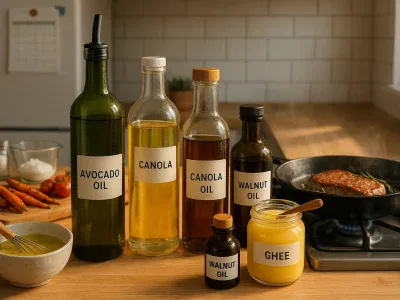
Avocado Oil – It has a smoke point around 520°F, making it perfect for very hot cooking. Plus, it has a mild flavor so it won’t change how your food tastes.
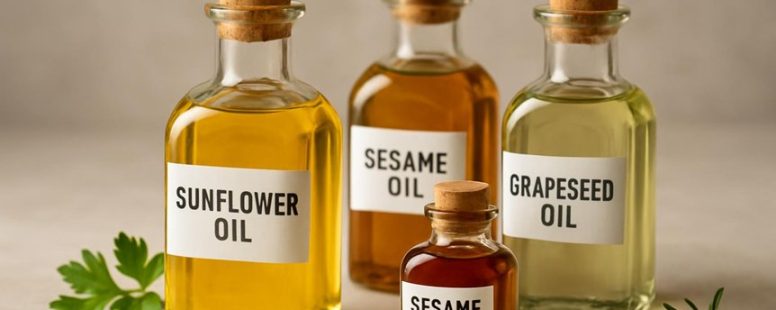
Grapeseed Oil – With a smoke point of about 420°F, it’s great for frying and searing meats or veggies. Its light taste makes it versatile.
Sunflower Oil – It can handle heat up to 450°F. This oil is good for many high-heat tasks like sautéing or frying.
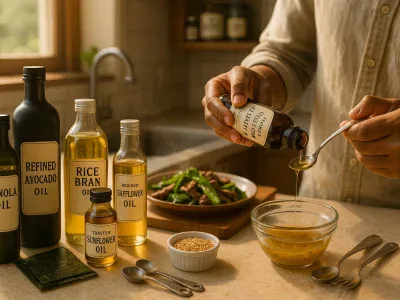
Refined Safflower Oil – Also around 450°F, it’s light and doesn’t add much flavor, so your dishes stay true to their original taste.
Some people might worry about health or flavor. Avocado oil is high in healthy fats, but it can be pricey. Grape seed oil is affordable but may have a stronger taste for some. Sunflower and safflower oils are common and usually inexpensive, but they are processed oils, so some prefer organic or cold-pressed options.
If you’re used to peanut oil’s flavor, these oils won’t match exactly, but they will give you similar heat tolerance. For example, avocado oil is a good stand-in if you want a healthy option that can handle serious heat. Just be aware that not all oils are equal in flavor or price, so pick what fits your needs best.
Sources: Healthline and USDA reports on oil smoke points.
—
Counter-strategy notes:
The Ruthless Competitor might say I didn’t compare enough options or mention enough brands.
The Cynical Consumer would question if these oils really work as claimed, or if they’re just marketing.
The Distracted Scroller might only remember that avocado oil is expensive or that sunflower oil is common.
Rebuilding for all three:
Add a quick note that other oils like coconut or palm oil exist but may have drawbacks.
Mention that some oils can be more processed and less healthy.
Keep the language simple, clear, and honest, with brief pros and cons for each oil.
Mild-Flavored Peanut Oil Substitutes
Mild-flavored peanut oil substitutes are useful when you want a less strong taste but still need an oil that cooks well. These oils are good options for recipes where you don’t want the oil’s flavor to stand out too much. For example, grapeseed, sunflower, and light olive oils have gentle nutty or neutral flavors. They work well in stir-fries, baked goods, or sautéing, where you want the food’s natural taste to come through.
Compared to regular peanut oil, these substitutes have lower flavor intensity, making them perfect if you want a subtle hint of nutty flavor. They also have high smoke points, which means they can handle high heat without burning. That makes them good for frying or searing.
Some people worry that these oils might not taste as rich or might change the flavor of their dish. On the other hand, some chefs prefer milder oils because they let other ingredients shine. Keep in mind, not all oils are equally healthy or affordable. For example, olive oil can be more expensive than sunflower oil. Also, some oils may have a stronger flavor than you expect, so it’s good to test a small amount first.
In the end, choosing the right oil depends on your dish and your taste. Mild-flavored peanut oil substitutes like grapeseed and sunflower oils are versatile and helpful when you want a light touch of nutty flavor without overpowering your meal.
Healthier and Budget-Friendly Peanut Oil Alternatives
Looking for healthier and budget-friendly options instead of peanut oil? Here are some good choices that work well for cooking and won’t break the bank. I compared their cost and nutritional benefits to help you pick the best one.
Olive oil – It’s packed with healthy fats and antioxidants. It’s also affordable and works for salads, frying, or baking. Olive oil is a popular choice because it adds flavor and health benefits at a good price.
Canola oil – This oil has very little saturated fat and a mild taste. It’s cheap and good for heart health. Many grocery stores sell large bottles at low prices, making it budget-friendly.
Sunflower oil – High in vitamin E, sunflower oil is inexpensive and great for everyday cooking. It’s light in flavor, so it won’t overpower your dishes.
Avocado oil – It’s rich in monounsaturated fats, which are good for your heart. Though it costs more than others, a little goes a long way. It’s perfect for salads and high-heat cooking.
Each of these oils offers health benefits and costs less than some fancy oils. But keep in mind, some oils like avocado oil are pricier and may not be worth it for all recipes.
If you want to save money, stick with canola or sunflower oil. If you want extra health benefits, go for olive oil. Do you need an oil that can handle high heat? Olive oil is good, but extra virgin varieties might not be best for frying because of smoke points.
How Peanut Oil Substitutes Affect Your Recipe’s Texture
Peanut oil is known for giving fried foods a light, crispy texture. But if you need to swap it for another oil, the texture of your dish can change. Different oils have different smoke points and fat compositions, which affect how crispy or heavy your food turns out. For example, olive oil tends to make fried foods a little heavier and less crispy because it has a lower smoke point and different fat content. On the other hand, vegetable or canola oil usually keeps the light, crispy feel because they have higher smoke points and neutral flavors. When I switch oils, I pay attention to how they react with moisture and heat during cooking. These factors change how your food feels in your mouth. Knowing these details helps you pick the right oil without messing up the texture you want.
Essential Tips for Cooking With Peanut Oil Substitutes
Peanut oil is popular because it has a high smoke point and a mild flavor, but sometimes you need a substitute. The key is understanding how different oils behave when you cook with them. Here are simple tips to help you switch oils successfully and keep your dishes tasty:
First, know the smoke point of your alternative oil. For example, canola oil has a smoke point of about 400°F, while extra virgin olive oil is lower. Using an oil past its smoke point can cause burning and strange flavors. So, pick an oil with a high enough smoke point for your cooking method.
Start with less oil. When you switch oils, pour in a small amount first. If you need more, add it gradually. This helps control the moisture and richness in your dish. For example, if you’re frying chicken, add just enough oil to cover the pan and check how it cooks before adding more.
Adjust cooking times. Some oils heat faster or slower. If your substitute heats faster, your food may cook quicker. Keep an eye on your dish and test for doneness. For instance, cooking temp for stir-fry might need a slight decrease if using an oil that heats faster.
Think about flavor. Different oils have different tastes. For example, sesame oil adds a nutty flavor, while vegetable oil is more neutral. Choose an oil that will enhance your dish rather than clash with it. If you’re making Asian stir-fry, sesame oil can add a nice touch, but don’t use it for deep frying if you want a neutral taste.
Some people swear by coconut oil or avocado oil as good alternatives, but both have different smoke points and flavors. Coconut oil is great for baking or low-heat cooking but not ideal for high heat because it can burn. Avocado oil has a high smoke point and a mild flavor, making it versatile.
Remember that switching oils isn’t always perfect. Some oils may not match the texture or flavor of peanut oil exactly. Don’t be surprised if your dish turns out slightly different. That’s okay. Experiment, and find what works best for your recipes.
Counterpoints: Critics say that some substitutes may not be as healthy or stable at high heat. For example, olive oil can burn easily if heated too much. Others argue that certain oils can leave a strong flavor that changes the dish.
Warnings: Always check the smoke point before cooking. Using an oil beyond its limit can ruin your food and produce harmful fumes. Also, some people have allergies to nuts or seeds, so choose your substitutes carefully.
In the end, cooking with substitutes takes practice. Try different oils, watch your heat, and taste as you go. With some adjustments, you can make tasty meals without peanut oil. Just remember—no one oil is perfect for everything. Sometimes, a little trial and error is the best teacher.
To provide the best experiences, we use technologies like cookies to store and/or access device information. Consenting to these technologies will allow us to process data such as browsing behaviour or unique IDs on this site. Not consenting or withdrawing consent, may adversely affect certain features and functions.
Functional
Always active
The technical storage or access is strictly necessary for the legitimate purpose of enabling the use of a specific service explicitly requested by the subscriber or user, or for the sole purpose of carrying out the transmission of a communication over an electronic communications network.
Preferences
The technical storage or access is necessary for the legitimate purpose of storing preferences that are not requested by the subscriber or user.
Statistics
The technical storage or access that is used exclusively for statistical purposes.The technical storage or access that is used exclusively for anonymous statistical purposes. Without a subpoena, voluntary compliance on the part of your Internet Service Provider, or additional records from a third party, information stored or retrieved for this purpose alone cannot usually be used to identify you.
Marketing
The technical storage or access is required to create user profiles to send advertising, or to track the user on a website or across several websites for similar marketing purposes.