Imagine reaching for that rich, dark molasses only to find the jar emptier than expected. In moments like these, a clever substitute can save the day.
Molasses adds a deep, almost moly-tasting complexity to baked goods and sauces, but sometimes you need a quick alternative. Choosing the right replacement isn’t just about sweetness; it’s about balancing texture and flavor like tuning a delicate instrument.
Interestingly, some substitutes can even enhance your dish’s depth or provide unexpected health benefits.
Whether you’re baking or simmering, knowing your options transforms a kitchen mishap into a culinary triumph.
What to Look for in a Good Molasses Substitute
Molasses is a thick, dark syrup with a strong, slightly bitter, and very sweet flavor. If you don’t have it, finding a good substitute can be tricky because you want to match both the taste and the texture. A good molasses substitute should be similar in flavor intensity, nutritional value, and thickness. For example, if you’re baking cookies and want the same richness, using something too mild or too watery could ruin the taste or change the texture.
When choosing a substitute, consider these points. First, flavor matters. Some substitutes like dark corn syrup or honey can mimic molasses’s sweetness, but they don’t have the slight bitterness. If you want a closer match, brown sugar dissolved in water or maple syrup can work. Second, think about nutrients. Molasses provides iron, calcium, and antioxidants. Most substitutes don’t have these, so your dish might lose some health benefits. Third, the texture should be thick and syrupy. Thin liquids like fruit juice or sugar syrup won’t work well because they’ll change your recipe’s consistency.
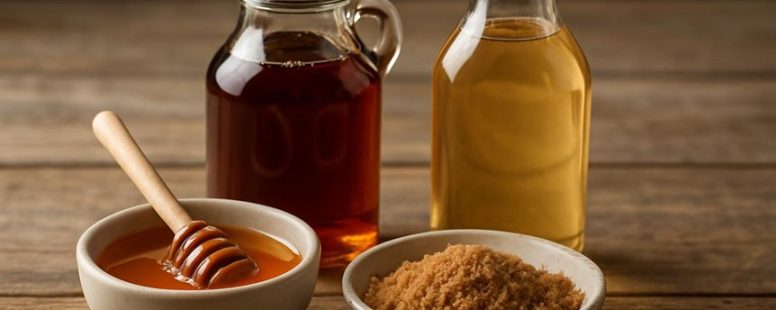
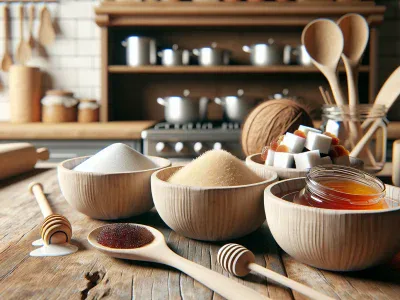
Some people use honey or maple syrup as a substitute. Honey is sweet and thick but lacks the bitterness of molasses. Maple syrup is similar in texture but less intense in flavor. Brown sugar mixed with water can give a syrupy feel and some flavor, but it’s not as bitter. Be warned, using these might change the flavor or health benefits of your dish.
There are two ways to look at substitutes. One is to pick something that closely matches molasses in flavor and health perks. The other is to choose what’s easiest to find in your kitchen, even if it’s not perfect. Both methods work, but keep in mind that no substitute will be exactly the same. For example, if you’re making gingerbread, a substitute that’s too sweet or not bitter enough might throw off the taste.
Top Molasses Substitutes and How to Use Them
Molasses is a thick, dark syrup with a sweet and slightly bitter flavor. It adds moisture and richness to baked goods. But if you need a substitute, here are some good options and how to use them.
Dark corn syrup is a common replacement. It is sweeter and milder than molasses, so it works well in recipes like cookies and cakes. Use the same amount as the molasses called for, but keep in mind it won’t add the same depth of flavor or iron content.
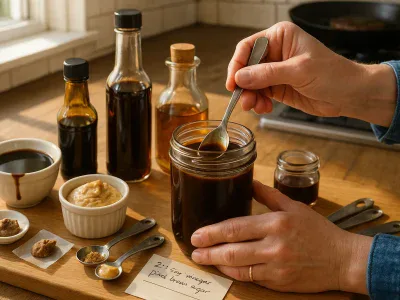
Brown sugar mixed with water can also work. Mix about one cup of brown sugar with one-third cup of water until smooth. This adds moisture and sweetness similar to molasses. However, it lacks the strong flavor and health benefits of molasses, so it’s better for everyday baking.
Maple syrup is another option. It has a lighter flavor and adds antioxidants. Use the same amount as molasses, but expect a different taste. Maple syrup works well in pancakes and muffins, but might change the flavor of certain recipes.
Some people prefer not to use substitutes because they change the taste. Others want healthier options. When choosing a replacement, think about what matters most: flavor, health, or moisture. For example, if you want the dark, rich taste of molasses, brown sugar and water might fall short. But if you want something healthier, maple syrup could be better.
Keep in mind, each substitute will change the final flavor a little. It’s a good idea to adjust the amount you use to match your taste. Also, remember that substitutes like corn syrup do not have the iron and minerals found in real molasses. So, if those health benefits matter, be careful.
Using Honey as a Molasses Substitute
Honey is a good substitute for molasses in many recipes. It is a natural sweetener with a mild flavor that can change how your baked goods taste. Honey is sweeter and thinner than molasses, so you should use less of it. You also might need to add a little more liquid to your recipe because honey is less thick.
When choosing honey to replace molasses, pick darker types like buckwheat or chestnut. These have a stronger, more earthy flavor that’s closer to molasses. Lighter honeys, like clover or acacia, are milder and may make your food taste sweeter but less intense.
Some people like to use honey because it adds a floral note that molasses does not. But keep in mind that honey’s sweetness can be overpowering if you add too much. Also, honey is less viscous, so it spreads more easily in recipes.
There are two sides to consider. First, honey works well as a natural sweetener, but it may not give the same thick, rich flavor as molasses. Second, using honey could change the texture of your baked goods or sauces. If you want a closer flavor match, you might prefer other substitutes like dark corn syrup or pure maple syrup.
Using Maple Syrup as a Molasses Substitute
Maple syrup is a good substitute for molasses in cooking and baking. It is easier to find and has a milder flavor. Maple syrup is made from the sap of sugar maples, mainly in places like Vermont and Canada. It contains antioxidants and minerals such as manganese and zinc, which can be healthier than molasses. But it is not as strong or bitter as molasses. Instead, it adds a soft caramel taste that works well in cookies, glazes, and sauces.
When you use maple syrup instead of molasses, keep in mind that the flavor will be different. If a recipe depends a lot on molasses’s deep, bittersweet taste, you might need to change the amount of maple syrup or add a little brown sugar to make it taste right.
Some people like the idea of using maple syrup because it has some extra nutrients, but others warn it might not give the same thick, dark richness that molasses offers. Be careful if your recipe needs the bold flavor of molasses — using maple syrup might make it sweeter and lighter. So, it works best when you want a softer, caramel flavor instead of a strong, bittersweet one.
Brown Sugar and Corn Syrup as Molasses Substitutes
Molasses is a thick, sweet syrup often used in baking to add flavor and moisture. If you don’t have molasses on hand, brown sugar and corn syrup can be good substitutes.
Brown sugar is a strong option because it has a rich, caramel-like flavor and keeps baked goods moist. It’s made from sugar with molasses added back in, so it closely resembles molasses in taste and texture. Using brown sugar in recipes can give you that deep sweetness you want.
Corn syrup is another substitute. It is milder in flavor but has a smooth, syrupy consistency. It helps prevent sugar from crystallizing and makes sauces or glazes shiny. When you mix brown sugar with a little corn syrup, it can mimic the thickness and dark flavor of molasses pretty well.
Some people warn that corn syrup is milder in taste, so you might want to add a tiny bit of molasses or brown sugar to boost the flavor. Combining these two ingredients is easy and cheap, making it a handy trick if you run out of molasses.
Would you like step-by-step instructions on how to make this substitute? Or maybe some tips on when it might not work as well? Keep in mind, this mix works best in baked goods or sauces, but it might not give the exact same depth of flavor as real molasses.
Molasses-Free Substitutes to Try
Molasses-free substitutes are useful when you want to avoid molasses but still want your baked goods to stay tasty and moist. The best alternatives depend on what flavor and texture you’re aiming for.
One popular choice is maple syrup or honey. These sweeteners add a pleasant taste and keep baked items tender because they have moisture. For example, honey works well in cookies, making them soft and sweet. Maple syrup is good too, especially in pancakes or muffins.
If you want a flavor close to molasses but without the stickiness, you can try blackstrap molasses extract. It’s less common but gives a similar dark flavor without the heaviness of full molasses. Just a small amount can add depth to your recipes.
Another option is mixing brown sugar with a little dark corn syrup. This combo mimics the richness of molasses without the strong flavor. For instance, in bread recipes, this mixture can keep your dough moist and flavorful.
Different substitutes offer different flavors. Maple syrup has a light, fruity taste, while honey is more floral. Brown sugar and corn syrup give a darker, richer flavor. Experiment with these to see which one fits your recipe best.
Keep in mind, not all substitutes work perfectly in every recipe. For example, honey is sweeter than molasses, so you might need to cut back on other sugars. Also, some options like corn syrup can make baked goods a little too sweet or sticky if used in large amounts.
How to Adjust Your Recipe When You Swap Molasses
When you swap molasses in a recipe, you need to know a few key things. First, molasses is quite sweet, so replacing it means you might need to change the amount of sugar you use. Some substitutes like honey or dark corn syrup are sweeter, while others like brown sugar are less sweet. So, if you use honey instead of molasses, you might want to reduce the sugar a little to keep the dish balanced.
Second, molasses adds moisture to baked goods. If you switch it out, you may need to add more liquid to keep your batter or dough from turning out too dry or too runny. For example, if your recipe calls for one cup of molasses and you replace it with a thicker syrup, add a little water or milk to get the right consistency.
Third, think about the flavor. Molasses has a deep, slightly bitter taste. If you swap it with something sweeter or milder, like maple syrup, your dish could taste different. Sometimes, you might want to add a splash of vanilla or cinnamon to make up for the flavor loss.
Some cooks say that using different substitutes can work well, but others warn that it may change the final taste and texture. For example, honey is sweeter and more floral, so it can overpower the dish if you’re not careful. Always start with a smaller amount and taste as you go.
In short, when swapping molasses, adjust sweetness, add more liquid if needed, and consider flavor changes. Knowing these steps can help you avoid surprises and make your baked goods turn out just right. Do you want to try a quick recipe with a molasses substitute? It’s easier than you think!
Adjusting Sweetness Levels
Sweetness levels matter a lot when using molasses in recipes. Since molasses has a strong flavor and sweetness, I adjust the sugar to keep the dish balanced. Different substitutes have different sweetness and flavor strength, so I taste and change the sugar as needed. For example, honey or maple syrup are sweeter than molasses, so I use less sugar when I swap them. If I pick a less sweet option like brown sugar, I might add a little more to get that rich, full flavor. The goal is to find the right balance where no single flavor overpowers the others. Paying attention to sweetness helps the dish stay true to what I want it to taste like. This way, the final result will taste just right.
Modifying Liquid Content
Molasses is a thick, sticky syrup that adds sweetness and moisture to baked goods. When you swap it with other liquids like honey or maple syrup, the consistency matters a lot. Some substitutes are thinner, which can make your baked items wetter or drier than you want.
To keep the right texture, follow these steps: first, reduce other liquids in your recipe slightly. For example, if the original recipe calls for a cup of water, try using a little less. Second, you can add a small amount of thickener like flour or cornstarch to help balance the moisture. This prevents your baked good from turning out too wet or too crumbly.
Think of it like filling a sponge: if the sponge gets too soaked, it will fall apart. If it’s not soaked enough, it feels dry. Adjusting liquids and thickeners is how you keep the sponge just right.
Some people prefer honey or maple syrup because they are thinner and sweeter. But if you don’t adjust other ingredients, your baked goods might come out too moist or dense. Others believe sticking with molasses is better because it’s thicker and adds a richer flavor.
Be cautious, though. If you reduce liquids too much, your batter might be too stiff, making baking difficult. If you add too much thickener, it can affect the taste and texture. Always test small changes first.
In the end, matching the liquid content helps your baked goods stay moist and tender, even when using substitutes. It’s all about balancing the moisture so your dish turns out just right.
Balancing Flavor Profiles
Replacing molasses in recipes is not just about adjusting how much liquid you use. It’s also about making sure the flavor stays just right. Molasses has a strong, slightly bitter taste that’s hard to copy exactly. Some people try to replace it with honey or maple syrup, but these need a little extra help to taste similar. For example, adding a small amount of brown sugar or a pinch of cinnamon can help mimic the deep, slightly bitter flavor of molasses.
Sometimes, a splash of vinegar or a few drops of molasses-flavored extract can balance out the sweetness and acidity, making your dish more complex. It’s smart to taste your food as you go since each substitute can react differently with your other ingredients. If you don’t, you might end up with a dish that’s too sweet or not flavorful enough.
Some cooks say that using a mix of honey and brown sugar works well. Others warn that substitutes may never fully match molasses, so you should expect some differences. Experimenting is key, but be careful not to overdo it. Too much vinegar or spice can overpower the dish.
In short, when swapping molasses, think about both how much liquid you add and how the flavor will change. Adjust gradually and taste often. This helps you keep the original character of your recipe, even when you don’t have molasses on hand.
Where to Find Easy Molasses Alternatives Near You
Looking for easy molasses substitutes near you? Here’s what you need to know. Instead of hunting for specialty stores or rare ingredients, you can often find simple alternatives at local spots or online.
First, many farmers’ markets sell raw honey or sorghum syrup. Both work well as molasses replacements because they add sweetness and moisture to recipes. Plus, they often taste close to molasses. Have you seen those farmers’ markets on Saturdays? They’re perfect for quick finds.
In grocery stores, look for dark brown sugar or maple syrup. These are common and usually stored right on the baking aisle. Dark brown sugar gives a rich, caramel flavor similar to molasses. Maple syrup is sweeter and more liquid, so you might want to adjust your recipe a little.
Health food stores often carry date syrup or blackstrap molasses alternatives. Date syrup has a mild, fruity flavor, while blackstrap molasses is a strong, bittersweet substitute. If you prefer something closer in flavor, check the labels carefully.
Online stores like Amazon or specialty food sites have plenty of options too. If you want to explore beyond local options, shopping online can give you a wider choice. Just keep in mind shipping times and costs.
Some people might think finding a molasses substitute is hard, but these options are usually easy to find. Just pick what fits your taste and what you have on hand. Want a quick fix? Try dark brown sugar or honey first. Looking for a more authentic flavor? Go for blackstrap molasses or date syrup.
But be careful. Some substitutes are sweeter or thinner than molasses. You might need to adjust your recipe a little. Also, not all substitutes taste exactly the same. So, experiment to find what works best for you.
In short, whether you shop at your local farmers’ market, grocery store, or online, there are plenty of molasses alternatives ready for you. It’s simpler than you think to keep your baking going without a trip to a specialty shop.
To provide the best experiences, we use technologies like cookies to store and/or access device information. Consenting to these technologies will allow us to process data such as browsing behaviour or unique IDs on this site. Not consenting or withdrawing consent, may adversely affect certain features and functions.
Functional
Always active
The technical storage or access is strictly necessary for the legitimate purpose of enabling the use of a specific service explicitly requested by the subscriber or user, or for the sole purpose of carrying out the transmission of a communication over an electronic communications network.
Preferences
The technical storage or access is necessary for the legitimate purpose of storing preferences that are not requested by the subscriber or user.
Statistics
The technical storage or access that is used exclusively for statistical purposes.The technical storage or access that is used exclusively for anonymous statistical purposes. Without a subpoena, voluntary compliance on the part of your Internet Service Provider, or additional records from a third party, information stored or retrieved for this purpose alone cannot usually be used to identify you.
Marketing
The technical storage or access is required to create user profiles to send advertising, or to track the user on a website or across several websites for similar marketing purposes.