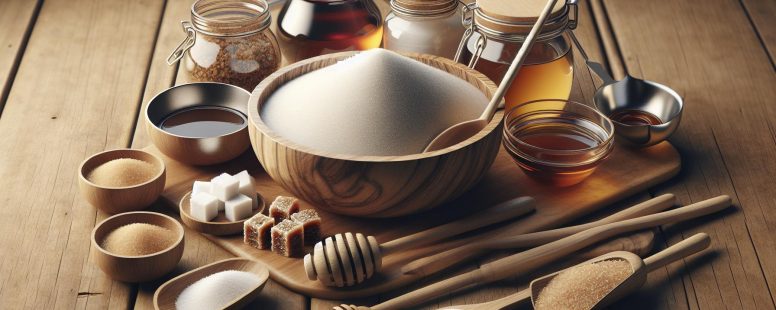
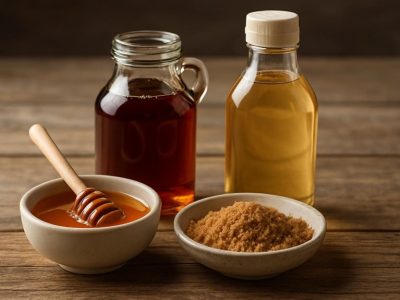
Picture this—you’re halfway through baking your favorite cookies, and the recipe calls for brown sugar. You reach into the pantry, only to find an empty container staring back at you. Panic sets in, but it doesn’t have to. There are plenty of creative and delicious substitutes that can save your recipe and maybe even elevate its flavor.
Whether you’re out of brown sugar or looking for a healthier, more natural option, the alternatives might surprise you. From pantry staples to unique sweeteners, you’ve got a range of choices that can mimic the caramel-like richness and moisture brown sugar brings to your dishes. Ready to discover the perfect swap for your next culinary creation? Let’s immerse.
What Is Brown Sugar?
Brown sugar is a type of sweetener made from refined white sugar mixed with molasses. The addition of molasses gives it its characteristic brown color, moist texture, and a richer flavor profile compared to white sugar. Light and dark brown sugar are the two common variations, differing in the molasses content.
Light brown sugar, with approximately 3.5% molasses, is commonly used in baking cookies and cakes. Dark brown sugar, containing about 6.5% molasses, provides a deeper, more caramel-like taste, making it ideal for recipes like gingerbread or barbecue sauces.
Unlike white sugar, which is dry and granulated, brown sugar’s moisture can impact baking outcomes. It adds moisture to baked goods, creating a softer and denser texture. Its flavors pair well with ingredients like butter, spices, and chocolate. If stored improperly, though, brown sugar can harden due to moisture loss, requiring rehydration methods like using a damp paper towel or airtight containers.
The nutritional content of brown sugar is nearly identical to white sugar: 1 teaspoon delivers about 15 calories with no significant amounts of vitamins or minerals. Its differences are mainly flavor and texture, making it valuable for specific culinary purposes rather than dietary benefits.
Why Look For Alternatives To Brown Sugar?
Using brown sugar in recipes, while delicious, can sometimes present challenges or limitations. Exploring alternatives offers flexibility and practicality in your cooking or baking endeavors.
Availability Issues
Brown sugar may not always be on hand when needed. Missing ingredients can disrupt preparation, especially when baking, where precision matters. Substitutes like honey or maple syrup, which are commonly stocked, can save you time during these moments.
Dietary Adjustments
Many individuals prefer sugar substitutes for health reasons. Brown sugar has few unique nutritional benefits, but alternatives like coconut sugar or stevia provide lower glycemic index options, making them more suitable for certain diets.
Flavor Diversity
Brown sugar provides a rich, molasses-heavy sweetness, but it’s not always the best choice. Alternatives like date sugar or agave nectar add unique flavors to dishes, enhancing creativity in recipe development.
Texture Preferences
Baking with alternatives like applesauce delivers moisture, similar to brown sugar, but contributes fewer calories. These variations can also improve texture for those preferring lighter, fluffier baked goods.
Storage Challenges
Brown sugar hardens when exposed to air due to its molasses content. When this occurs unexpectedly, substitutes like muscovado sugar provide an immediate workaround without affecting the quality of the recipe.
Top Alternatives To Brown Sugar
Running out of brown sugar doesn’t have to halt your recipe. Several alternatives deliver similar sweetness and depth while adapting to various dietary and flavor preferences. Below are some of the best substitutes to consider:
White Sugar And Molasses
Using white sugar with molasses closely mimics brown sugar. Combine 1 cup of granulated white sugar with 1 tablespoon of molasses for light brown sugar or 2 tablespoons for dark brown sugar. Blend thoroughly to ensure even flavor distribution. This option works well in baking cookies, cakes, or sauces due to the added moisture from molasses.
Coconut Sugar
Coconut sugar provides a lower glycemic index and a subtle caramel-like flavor. Use it in a 1:1 ratio when replacing brown sugar in recipes. For instance, in oatmeal cookies, its granulated texture maintains a desirable chewiness. This option suits people monitoring blood sugar levels but avoid it if the dish relies on molasses-like moisture.
Maple Syrup
Maple syrup offers a natural, liquid alternative rich in flavor. Use 3/4 cup of syrup for every cup of brown sugar, and reduce other liquids in your recipe by 2–3 tablespoons to compensate for added moisture. It’s perfect for marinades, baking, and pancakes. Ensure you choose pure maple syrup, as pancake syrups often contain additives.
Honey
Honey adds sweetness and a dense texture to recipes. Substitute 2/3 cup of honey for every cup of brown sugar while reducing other liquids by 1/4 cup. Its floral undertones complement muffins, granola bars, or even marinades. Raw honey can also provide extra antioxidants, enhancing its appeal in health-focused recipes.
Muscovado Sugar
Muscovado sugar resembles brown sugar but contains a higher molasses content, offering more intense flavor. Use it in a 1:1 ratio in recipes requiring rich, moist textures like gingerbread or barbecue sauces. Its coarser grains may need additional blending but can elevate complex flavor profiles.
Demerara Sugar
Demerara sugar, with its large golden crystals, delivers a mild molasses flavor and a crunchy texture. Use it as a topping for baked goods like muffins or pies, or combine it with warm liquids to dissolve for sauces. Replace brown sugar in a 1:1 ratio but note its texture may alter the final consistency.
Date Sugar
Date sugar, made from dried dates, is a granular, nutrient-rich substitute. Use it in a 1:1 ratio for recipes requiring natural sweetness, such as smoothies or brownies. Since date sugar doesn’t dissolve well, it’s unsuitable for beverages or recipes needing a smooth texture. Its fiber content may enhance the nutritional value of baked goods.
Baking And Cooking Tips With Brown Sugar Substitutes
Use substitutes effectively by matching their properties to your recipe’s needs. Alternatives like white sugar with molasses maintain similar moisture, ensuring soft cookies or cakes. For a crunchier texture, demerara sugar enhances toppings or crusts.
Adjust the liquid content when using syrups like honey or maple. Their added moisture can affect the batter’s consistency, so slightly reduce other wet ingredients. For instance, in muffins, balancing the liquid keeps the texture light.
Choose substitutes based on flavor profiles. Coconut sugar delivers earthy tones, pairing well with banana bread or oatmeal cookies. Maple syrup intensifies sweetness in pancakes or dressings. Experiment to find the best complement for your dish.
Account for sweetness levels to avoid overpowering recipes. Stevia, being sweeter, works better in small amounts. If you’re replacing brown sugar in a one-to-one ratio, options like muscovado sugar provide equivalent intensity, making it ideal for chewy desserts.
Test substitutes in smaller batches for consistent results. Variations in their moisture, sweetness, and caramelization rates can alter outcomes. Documenting adjustments helps refine future bakes or dishes while maximizing the substitute’s benefits.
Health Benefits Of Using Alternatives To Brown Sugar
Using alternatives to brown sugar can support diverse health goals. Many substitutes offer lower glycemic index values, meaning they cause slower blood sugar rises compared to regular brown sugar. For instance, coconut sugar has a glycemic index of 35, while brown sugar averages around 64, making it beneficial if you manage blood sugar levels.
Alternatives like honey and maple syrup provide more nutrients than brown sugar. Honey contains small amounts of vitamins, enzymes, and antioxidants, while pure maple syrup offers manganese and riboflavin. These natural sweeteners enhance your diet with traces of essential nutrients unavailable in refined sugars.
Some substitutes promote better digestion. Date sugar, derived from dried dates, retains fiber content, which supports digestive health. Using date sugar in baking adds not just sweetness but also dietary fiber, fostering gut health.
Replacing brown sugar can align with dietary restrictions. Stevia and monk fruit sweetener are great for reducing calorie intake or managing diabetes, as both are non-glycemic sweeteners. These options let you enjoy sweet recipes without impacting calorie counts or blood glucose.
Alternatives expand flavor possibilities while contributing to health benefits. Molasses, used alone or mixed with white sugar, enhances iron and calcium intake without losing the classic brown sugar taste. Such options introduce minerals into your baking while preserving the desired rich flavor.
Creative substitutes enhance your recipes’ nutritional profile when swapped wisely. Balancing sweetness with nutrient content helps you move beyond brown sugar’s limited scope, enriching both the flavor and health value of your meals. Choose substitutes thoughtfully, prioritizing natural sources with added health benefits.
Conclusion
Exploring alternatives to brown sugar opens up a world of possibilities for enhancing your recipes. Whether you’re looking to match its rich flavor, improve nutritional value, or experiment with new textures, there’s a substitute that fits your needs. From pantry staples to natural sweeteners, these options offer flexibility and creativity in your cooking and baking.
The key is to choose substitutes thoughtfully, considering their flavor, sweetness, and how they interact with your recipe. With a little experimentation, you can find the perfect alternative that not only replaces brown sugar but also elevates your culinary creations.
To provide the best experiences, we use technologies like cookies to store and/or access device information. Consenting to these technologies will allow us to process data such as browsing behaviour or unique IDs on this site. Not consenting or withdrawing consent, may adversely affect certain features and functions.
Functional
Always active
The technical storage or access is strictly necessary for the legitimate purpose of enabling the use of a specific service explicitly requested by the subscriber or user, or for the sole purpose of carrying out the transmission of a communication over an electronic communications network.
Preferences
The technical storage or access is necessary for the legitimate purpose of storing preferences that are not requested by the subscriber or user.
Statistics
The technical storage or access that is used exclusively for statistical purposes.The technical storage or access that is used exclusively for anonymous statistical purposes. Without a subpoena, voluntary compliance on the part of your Internet Service Provider, or additional records from a third party, information stored or retrieved for this purpose alone cannot usually be used to identify you.
Marketing
The technical storage or access is required to create user profiles to send advertising, or to track the user on a website or across several websites for similar marketing purposes.