Best Substitute for Milk in Cereal
Imagine starting your morning with a bowl of cereal that sparks your senses—crisp, creamy, and bursting with flavor.
When I first ventured beyond traditional milk, I discovered a world of vibrant alternatives like almond, oat, and soy that transform each bite into a new adventure.
These substitutes do more than just change taste—they can boost your energy and support your dietary needs, making breakfast feel like a personalized masterpiece.
Choosing the right one is like finding the perfect brushstroke for your culinary canvas, turning an ordinary morning into a delightful experience.
Why Choose a Milk Substitute for Your Cereal
Choosing a milk substitute for your cereal is often about health and flavor. A milk substitute is a drink made from plants or other non-dairy sources instead of cow’s milk. People pick these options for different reasons and get different benefits from each.
Some milk substitutes, like almond or oat milk, are good if you’re lactose intolerant or allergic to dairy. They also tend to have fewer calories, which can help if you want to watch your weight. For example, almond milk has a nutty flavor that can make cereal taste richer, while oat milk adds a smooth, creamy texture. These options can make your breakfast more interesting and enjoyable.
Another reason to pick a milk substitute is if you want to avoid dairy due to allergies or sensitivities. Dairy can cause stomach problems for some people. Using a plant-based milk can help you stay healthy while still getting the same texture and creaminess you like in cereal.
However, some drawbacks are worth noting. Not all milk substitutes are equally nutritious. For example, some brands may have added sugars or fewer vitamins. Always read the label before buying. Also, some people might not like the taste or texture of certain options. It can take some experimenting to find the one that works best for you.
Two viewpoints are worth considering. Some say that traditional dairy milk has more natural nutrients like calcium and vitamin D, making it better for bone health. Others argue that many plant-based milks are fortified with these nutrients and are just as good, especially if you are lactose intolerant or vegan.
In the end, choosing a milk substitute depends on your health, taste, and dietary needs. It can be a simple change that makes your breakfast more suited to your lifestyle. Just remember to check the labels and try different options until you find what fits best.
Choosing the Best Milk Substitute for Your Taste and Diet
Choosing the best milk substitute depends on your taste, nutrition needs, and any allergies. The key factors to compare are flavor, nutritional content, and ingredients.
Some milk substitutes taste creamy and sweet, like almond or coconut milk. Others are more neutral, such as rice or oat milk. Nut milks, like cashew and almond, often have a nutty flavor. Soy milk is usually richer and more protein-packed.
When picking a milk alternative, check the nutrition labels. Look for options with added calcium and vitamins. Some brands, like Silk or Califia Farms, add extra nutrients. Be aware of added sugars — some flavored versions can be quite sweet, which might not be good if you’re watching intake.
Think about allergies too. If you have a nut allergy, avoid nut milks. Lactose intolerance is common, so milk substitutes can help. But some alternatives, like soy, may cause reactions in some people.
There are two main viewpoints. One says you should pick the milk that tastes best for you, even if it has more sugar or calories. The other warns to read labels carefully because some options have unnecessary additives or less nutrition.
A quick tip: try small amounts of different milks first. Taste test to see which one you like best. Also, consider how you’ll use it — some work better in coffee, others in baking.
In the end, the best milk substitute is the one that fits your taste and dietary needs. Don’t just trust fancy labels. Read the nutrition facts and ingredients. That way, you’ll make a choice that keeps both your taste buds and health happy.
Flavor Profiles Comparison
Many people want to find the best milk substitute for cereal, but not all taste the same. To pick the right one, you need to understand their flavor differences.
Almond milk is a good choice if you want a mild taste. It has a slightly nutty smell and a thin texture. Its subtle sweetness makes it go well with most cereals. Some brands, like Califia Farms, make almond milk that’s light and fresh. But, if you like a richer, creamier feel, almond milk might seem too thin.
Oat milk is thicker and creamier than almond milk. It has a natural sweetness that can make cereals taste richer. Oat milk works well if you want your cereal to feel more filling. However, it can feel heavier in your stomach, especially if you drink a lot.
Coconut milk has a strong aroma and bold flavor. It gives a tropical twist to your cereal. But, its intense taste might overpower delicate cereals like plain flakes. If you love the smell of coconut, brands like So Delicious make good options. Just be careful if you don’t like strong flavors because coconut milk can be too bold for some.
Temperature also affects how these milks taste. Chilled milk often tastes smoother and fresher, while warm milk can bring out different flavors. For example, some people prefer cold almond milk on hot mornings, but warm coconut milk might seem too intense.
Finally, aftertaste matters. Some milks leave a pleasant finish, while others can clash with your cereal’s flavor. For example, almond milk leaves a light nutty aftertaste, but coconut milk might linger with a bold coconut flavor that not everyone enjoys.
In the end, choosing the best milk substitute depends on what you want—whether it’s a light taste, creamy texture, or bold aroma. Try small amounts of each to see which one suits your cereal best. Keep in mind, some might not taste good warm or cold, so experiment to find your favorite.
Nutritional Benefits Overview
Milk substitutes vary in their health benefits, so choosing the right one depends on what matters most to you.
Almond milk is a good choice if you want a low-calorie option. It is rich in vitamin E, which helps protect your skin from damage. But it has less protein than other options, so it might not keep you full for long.
Soy milk has more protein. It’s a good pick if you want to feel full longer or if you’re trying to add more plant-based protein to your diet. Some people worry about soy because of concerns about hormones, but research shows it’s safe for most people in normal amounts.
Oat milk provides fiber. Fiber helps digestion and can support your heart health. It’s a good choice if you want something creamy and nutritious.
Coconut milk is higher in saturated fats, which some health experts warn about. But it has medium-chain triglycerides, which might give you a quick energy boost. If you’re watching your fat intake, it’s best to use coconut milk in moderation.
Knowing these differences can help you pick a milk substitute that fits your diet. For example, if you want more protein, soy might be best. If you prefer fewer calories, almond could work. Sometimes, combining options gives a better balance.
Dietary Restrictions Considerations
Managing dietary restrictions means choosing milk substitutes that meet your health needs and taste. If you are lactose intolerant, options like almond or oat milk are good because they don’t cause stomach issues. For vegans, plant-based milks such as soy or coconut milk work well since they don’t come from animals. If you are allergic to nuts, avoid almond or cashew milk and try rice or hemp milk instead. Some brands, like Silk or Pacific Foods, add vitamins or protein to make the milk more nutritious.
There are two sides to consider. Some people find that almond milk tastes better and is lower in calories, but it might not have as much protein. Others prefer soy milk because it has more protein but has a stronger flavor. Be careful with flavored or sweetened options, as they can have added sugars. Always read the labels to make sure the milk fits your needs.
Choosing the best milk depends on what you need most. Do you want more protein? Go for soy or pea milk. Want fewer calories? Try almond or cashew milk. Allergies are a big deal, so double-check ingredients. Some brands like Elmhurst or Califia Farms offer many options with added benefits.
In the end, picking the right milk is about balance. Think about your health, taste, and any allergies. Trying a few different kinds can help you find the one that works best for you. Would you like to see a comparison chart of popular plant-based milks? That way, you can make a smarter choice.
Creamy Plant-Based Milks That Work Well With Cereal
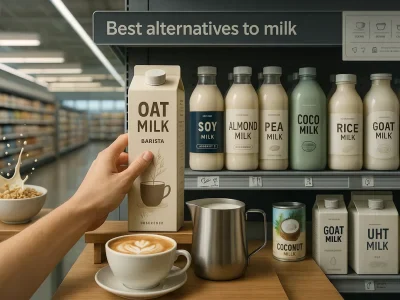
Plant-based milks can make cereal just as creamy as dairy milk. If you want a milk that adds richness to your breakfast, here are four options to consider.
- Oat Milk – This milk is naturally thick and slightly sweet. It makes cereal feel smooth and creamy, especially with crunchy flakes or softer granola. Some brands like Oatly are popular because they taste good and blend well.
- Soy Milk – Thick and velvety, soy milk has a neutral flavor but still adds a creamy texture. It’s also high in protein, so it can help you stay full longer. Brands like Silk and Eden are trusted choices.
- Pea Milk – Made from yellow peas, this milk is very creamy and has a mild taste. It won’t overpower your cereal’s flavor, making it a good all-around choice. Ripple is a well-known brand for pea milk.
- Rice Milk – Lighter than others, rice milk is still creamy but thinner. It works if you prefer a lighter cereal experience. It’s also naturally sweet, which can add a good flavor to sweet cereals.
Some people might find that certain plant milks don’t match the creaminess of real dairy or may have added sugars. Try different kinds to see what you like best. Remember, the best milk depends on your taste and dietary needs. Would you prefer something richer or lighter? That choice will help you pick the right one.
Nut-Based Milks: Almond, Cashew, and Hazelnut Options
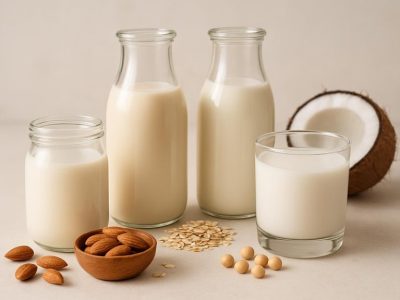
Plant-based milks include options like almond, cashew, and hazelnut milk. These nut milks are popular because they add different flavors and textures to cereal.
Almond milk is one of the most common nut milks. It has a light, nutty flavor that goes well with many cereals. It does not overpower the taste, making it a good choice if you want a simple, subtle flavor. Some brands like Blue Diamond or Silk are popular and widely available in grocery stores.
Cashew milk is known for its creamy texture. It makes cereal feel richer and more indulgent. If you like your cereal to feel extra smooth and thick, cashew milk might be the best option. But be aware that some brands can be a little more expensive or less widely available than almond milk.
Hazelnut milk has a natural sweetness and a slightly dessert-like flavor. It can make your cereal taste more interesting if you enjoy a hint of sweetness without adding sugar. Nut brands like Elmhurst or Califia Farms offer good hazelnut milk options. But some people might find the flavor too strong or sweet for their taste.
Some people prefer nut milks because they are dairy free and lower in calories or saturated fat. Others worry about added sugars or preservatives in flavored versions. If you want the healthiest choice, look for unsweetened versions with few ingredients.
In the end, the best nut milk for cereal depends on what you like. If you want light flavor, go for almond. For rich creaminess, choose cashew. If you like a touch of sweetness, hazelnut might be perfect. Try different kinds to see which one makes your cereal taste best. Remember, not all nut milks are the same, so check labels and pick what suits your taste and needs.
Sources:
- Healthline: Benefits of nut milks
- Consumer Reports: Best plant-based milks
Grain-Based Milks: Oat, Rice, and Quinoa Alternatives
Grain-based milks like oat, rice, and quinoa are good options for people looking for dairy-free drinks. Unlike nut milks, these come from grains and may offer unique tastes and textures. Here’s what makes each one special:
First, oat milk is known for its creamy texture and gentle sweetness. It’s great if you want a smooth, comforting bowl of cereal. Many brands, like Oatly, make oat milk that’s perfect for pouring over breakfast. But some store-bought options can be high in sugar, so check labels if you want a healthier choice.
Second, rice milk is light and mild. It doesn’t have a strong flavor, so it won’t hide the taste of your cereal. It’s a good pick if you want a simple, neutral milk. However, rice milk is often less creamy and may have more added sugars, so read the ingredients carefully.
Third, quinoa milk has a nutty flavor and a bit of graininess. It adds a unique taste to your breakfast, making it different from usual dairy or nut milks. Quinoa is also high in protein, which is a plus. But since it’s newer on the market, some brands might not be as widely available or may be more expensive.
All three grain milks are generally free from common food allergies like nuts or soy. This makes them good choices for people with allergies or sensitive stomachs. But keep in mind, some brands might contain added sugars or preservatives, so always read the label.
In the end, grain-based milks offer a different experience for cereal lovers. They might not be as popular as almond or soy milk, but they give you new flavors and textures to try. Do you like a creamy, light, or nutty taste? Picking the right one depends on what you want from your breakfast drink.
Protein-Packed Substitutes: Soy Milk and Pea Milk
Protein-rich plant milks like soy milk and pea milk are good choices if you want more protein in your cereal. Soy milk is known for having a lot of protein, similar to cow’s milk. This makes it a great option if you want to stay full longer. It also mixes smoothly with most cereals and doesn’t change the taste much.
Pea milk is made from yellow peas. It has a creamy feel and a slightly nutty flavor that works well with both sweet and savory cereals. Both soy and pea milks give you plant-based protein without sacrificing flavor or nutrition. Some people worry about soy because of hormonal concerns, but most studies show it is safe in normal amounts. Pea milk is newer and might be harder to find, but it is a good choice if you want variety.
If you’re thinking about trying these, remember that some brands add extra sugars or flavors. Always check the label to find unsweetened and natural options. Using soy or pea milk in your breakfast can help you start your day energized and full. Would you prefer the taste of soy or the creaminess of pea milk? Either way, they’re better than grain milks if you want more protein.
Surprising Milk Substitutes: Coconut Water and Fruit Juices
Coconut water and fruit juices can be used as milk substitutes in cereal, but they have different strengths and weaknesses. Coconut water is naturally low in calories and contains electrolytes like potassium, which can be good for hydration. Fruit juices add a sweet flavor and vitamins, making your cereal more flavorful and colorful.
However, they also have some downsides. Coconut water might not be creamy enough for some people, and fruit juices can be high in sugar. If you want a healthier option, look for unsweetened coconut water or 100% fruit juice. Keep in mind that fruit juices often have more sugar than milk, so they may not be the best choice if you watch your sugar intake.
Some people like coconut water because it gives their cereal a tropical twist, like a mini vacation in every spoonful. Others prefer fruit juices for a sweeter, more fruit-forward taste. But both options may change the texture of your cereal—less creamy than milk, more liquidy, which could make your cereal soggy faster.
If you decide to try these alternatives, start with small amounts to see if you like the flavor and texture. Remember, these drinks are not a perfect replacement for milk in every way. For example, they don’t have the same protein or calcium content. Some brands of coconut water or fruit juice may also contain added sugars or preservatives, so check the labels.
Nutritional Benefits Comparison
What are the best milk substitutes for cereal based on their nutritional benefits? Here is a simple comparison of coconut water and fruit juices, focusing on their key advantages and limitations.
First, coconut water is a great drink for hydration because it contains electrolytes like potassium. These minerals help your body stay balanced, especially after exercise or on hot days. Coconut water is low in calories and sugar compared to some fruit juices, making it a healthy choice for staying refreshed without gaining weight.
Second, fruit juices are packed with vitamins and antioxidants. They can give you a quick boost of vitamin C and other nutrients that support your immune system. For example, orange juice is rich in vitamin C, which helps fight colds. However, many fruit juices have high sugar levels, so drinking too much can lead to weight gain or blood sugar spikes.
Third, these drinks provide natural sugars that give you quick energy. Unlike some plant-based milks, they don’t have protein or fiber, so they aren’t filling. If you want more nutrients like protein and fiber, options like almond milk or oats are better, but if you’re looking for a refreshing drink with vitamins, coconut water and fruit juices are good choices.
Finally, keep in mind that while coconut water and fruit juices offer unique benefits, they should not completely replace traditional milk or fortified plant milks. Each has its strengths and weaknesses. For example, plant milks like soy or almond milk often have added calcium and protein, which are good for bones and muscles.
Flavor Profiles and Pairings
Coconut water and fruit juices can be good options to mix with cereal, even though they are not traditional choices. They add different flavors that can make your breakfast more interesting.
Coconut water is a natural drink from coconuts. It has a light, slightly sweet taste with tropical notes. Some people like it because it gives a fresh, revitalizing feeling without taking over the flavor of the cereal. Fruit juices like apple juice or orange juice are popular because they are tangy and bright. They can make sweet cereals taste even better. For example, pouring orange juice over your cereal can give it a citrus kick.
In many tropical places, coconut water is a common drink, so using it with cereal feels natural. Fruit juices are also common worldwide for breakfast. They are familiar and can turn a plain bowl of cereal into a tasty treat.
But keep in mind, not everyone will like these options. Coconut water might be too light for some, and fruit juices can sometimes make the cereal too sweet or soggy if poured too much. It’s good to try small amounts first.
Best Cereal Compatibility
Cereal pairings with coconut water and fruit juices can add new flavors and textures to your breakfast. Here are some simple facts and tips to help you choose the best options:
- Flakes and coconut water: Coconut water keeps flakes crisp longer. If you want your cereal to stay crunchy without milk, coconut water is a good choice. It has a light, refreshing taste that pairs well with crispy flakes.
- Granola and fruit juices: Fruit juices add a tangy flavor that can make granola more interesting. But be careful—juices can soften granola faster. If you eat quickly, you can enjoy the fruity taste without losing the crunch.
- Puffed cereals and coconut water: Puffed cereals like Rice Krispies stay crunchy in coconut water. Their mild sweetness matches well with the subtle flavor of coconut water, making a fun, crunchy breakfast.
- Oat-based cereals and fruit juices: Fruit juices can overpower the soft, mild flavor of oats. But if you like a fruity smoothie feel, mixing oats with fruit juice can be a tasty alternative to milk. Just remember, it might not stay as thick and creamy.
Choosing the right pairing depends on what you like best in texture and flavor. Milk is still the easiest and most versatile option, but trying coconut water or fruit juices can give your breakfast a new twist. Give these a try and see what you like best. Just be aware that some options might soften your cereal faster or change the flavor too much—so experiment and find your favorite!
Adjusting Your Cereal for Thinner Milk Substitutes
Adjusting Your Cereal for Thinner Milk Substitutes
Thinner milk substitutes, like almond milk or rice milk, can make your cereal soggy faster and reduce flavor. To fix this, you should change how you prepare your cereal to keep it crunchy and tasty.
First, pour just enough milk to coat the cereal flakes. Don’t drown them because the thinner milk absorbs quickly. For example, if you pour too much, your cereal will turn soggy in seconds. Instead, add small amounts as you eat. You can also add the cereal right before you start eating to keep that nice crunch.
Flavor is also important. Since some milk substitutes are milder than regular milk, try adding a splash of vanilla or a pinch of cinnamon. These little touches boost the flavor and make your cereal more enjoyable.
Some people say you should prepare your cereal with milk first, then add toppings or fruit. Others prefer putting cereal in the bowl last, so it stays crunchier longer. Both ways work but remember, the key is to balance texture and taste.
Keep in mind, thinner milk substitutes work differently depending on the brand. Some are thicker than others. So, experiment to see which one keeps your cereal crunchier and tastier.
While these tips help, they might not work perfectly all the time. If you want your cereal to stay crispy longer, you can try adding the milk gradually or using less milk at first. But be warned, these tricks might not fix sogginess if the milk is very thin.
Nutrition Tips to Boost Your Cereal With Milk Substitutes
Eating cereal with milk substitutes can be healthy and tasty if you add the right ingredients. Here are four simple ways to boost your cereal’s nutrition and flavor:
First, adding fresh fruit like berries or sliced bananas gives your bowl vitamins and natural sweetness. Fruits are packed with nutrients and can make your breakfast more colorful and appealing. For example, strawberries and blueberries are rich in antioxidants, which help protect your body.
Second, sprinkle nuts or seeds on top. They add healthy fats and protein, which keep you full longer. Almonds, walnuts, and chia seeds are good choices. Just be careful not to add too many because they are high in calories.
Third, use flavor enhancers like cinnamon or vanilla extract. These spices make your cereal taste better without adding extra sugar. Cinnamon can also help control blood sugar levels, according to some studies.
Finally, mix in a spoonful of nut butter like peanut or almond butter. It makes your cereal creamy and adds extra nutrients such as protein and healthy fats. Just remember, nut butters are calorie-dense, so use them in moderation.
Some people might think these tips are too complicated or take too much time. But adding a little fruit or nuts is quick and easy. Others might worry about calories or allergies. If you have nut allergies, choose seeds instead. These simple steps can turn a basic bowl of cereal into a balanced breakfast that keeps you energized all morning.
Keep in mind, not every tip works for everyone. For example, adding too much nut butter might make your cereal too heavy or high in calories. Try different options to see what tastes best and keeps you full longer. Making small changes can have a big impact on your health.
Where to Find and Buy Quality Milk Alternatives for Cereal
If you want good milk alternatives for your cereal, the best place to start is your local grocery store. Most stores carry popular options like almond, oat, and soy milk. These are easy to find and usually affordable. But if you’re looking for something more unique or organic, try checking online specialty shops. They often have a wider variety, like coconut milk, hemp milk, or brands such as Califia Farms and Elmhurst.
Some people find that combining options from both stores helps them discover new favorites without much trouble. For example, you might buy almond milk at the store and try a small bottle of cashew milk online. This way, you get convenience and variety.
However, be careful. Online options can sometimes be more expensive or have longer delivery times. Also, always check labels to see if the milk is organic or free from added sugars. Not all brands are the same, so reading reviews or asking friends for their favorites helps too.
In the end, the best milk alternative depends on your taste, budget, and what you care about most. Trying a few different kinds from both local stores and online shops can help you find the perfect fit.
Local Grocery Store Options
Many people wonder what the best milk alternatives are for cereal. The key is to look for options that taste good, are affordable, and support local businesses. Local grocery stores often carry a variety of these milks, giving you a better choice than big chains that might only have the most common brands.
Some of the most popular options include almond milk, which is a classic choice and often made by small local companies. Oat milk is creamy and becoming more popular because it tastes good and works well with cereal. Coconut milk adds a tropical flavor that can make your breakfast special. During holidays or harvest seasons, you might find seasonal nut or seed milks like pumpkin seed milk in fall, adding fun flavors to your bowl.
If you want to pick the best milk for your cereal, consider these factors. Taste is important, but also look at whether the milk is made locally, which helps small producers. Price is another factor since some options cost more than regular cow’s milk. Some brands may have added sugars or preservatives, so reading labels helps.
Different people have different favorites. Some prefer oat milk because it’s thick and creamy, while others like almond milk for its light taste. Keep in mind that some milk options might not be suitable for allergies or dietary needs. For example, coconut milk has a strong flavor that might not suit everyone.
Using local brands for your milk can be a small way to support local farmers and small businesses. You might find unique flavors or seasonal options that aren’t available in bigger stores. Just remember, not all plant-based milks are created equal. Some might have added ingredients that you don’t want.
If you’re unsure, try a few different kinds. Taste test them with your cereal to see which one you like best. Checking the labels for added sugars or preservatives is smart too. Overall, exploring local options can make breakfast more interesting and support your community.
Would you like tips on how to choose the best milk or recipes that use these plant-based alternatives?
Online Specialty Retailers
Knowing the best milk alternatives depends on what you look for, like taste, nutrition, or ingredients. Comparing options is key. For example, some oat milks have added probiotics, which are good for digestion, while some nut milks are enriched with vitamins. When choosing, consider how each tastes, how healthy it is, and if it fits your diet. Online stores like Thrive Market or Amazon let you see detailed descriptions and reviews from people who have tried them. This can help you decide which one might work best for your cereal.
If you want to find the top choice, start by making a list of what matters most—like flavor or added nutrients. Then, look at brands like Oatly, Califia Farms, or Silk. Check their ingredients and reviews to see what others say. Some brands even offer subscription plans, so you don’t run out. But be careful—sometimes the online options are more expensive or have ingredients you might not want.
Two sides exist: Online stores give more options and info, but it can be hard to know if the product will taste good or suit your needs without trying it first. Also, not everything online is the best deal or the freshest. Sometimes local stores have quick options, but they might not carry the most unique brands.
In the end, if you are serious about finding the right milk substitute, exploring online specialty brands is helpful. Just read reviews carefully and compare ingredients to make sure you get what fits your cereal and your health.

- Alternatives x100vi - September 14, 2026
- Best Alternative to Knipex Pliers Wrench - September 14, 2026
- Where to Find the Best Bak Kut Teh in Johor Bahru - September 14, 2026
by Ellie B, Site Owner / Publisher