A single plastic straw can turn a pristine beach into a sea of debris, a stark reminder of how small choices can snowball into enormous problems.
Imagine walking along that shoreline, hearing the crunch of tiny plastic pieces underfoot, each one a silent testament to our everyday habits.
But what if there were alternatives that truly make a difference—materials that are not just eco-friendly on paper but actually perform and decompose gracefully back into nature?
Discovering these options reveals a surprising benefit: some sustainable materials can even improve soil health and foster local ecosystems.
Navigating the world of plastic replacements isn’t simple, but choosing wisely could transform our impact from destructive to restorative.
Why We Should Cut Back on Plastic
Plastic is a common material used in many products, but it causes big problems for our planet. Plastic pollution is filling up oceans and hurting animals like turtles and whales. Imagine plastic bottles and bags floating in the water, making it hard for fish and birds to survive. Also, some chemicals in plastic can get into our food and drinks, which might harm our health over time. Recycling plastic helps, but most plastics are not recycled well enough, so they still end up in landfills or oceans.
To fix this, we need to change how we use plastic. We should choose products made from biodegradable materials that break down faster. For example, using paper straws instead of plastic ones or shopping with reusable bags. Educating everyone about why plastic waste is a problem can make more people want to help. Schools, TV shows, and community programs can teach us how plastic harms the environment.
Some people say that reducing plastic is hard because it’s everywhere and cheap to make. They worry about the cost of switching to eco-friendly options. But if we don’t act now, the damage could be worse. We might lose beautiful beaches, marine life, and even our own health.
In the end, reducing plastic use is like cleaning up after a messy room. If everyone does a small part — like using less plastic and recycling better — we can keep our planet clean and safe for future generations. Are you ready to make smarter choices about plastic?
Natural Materials That Replace Plastic
Natural materials can be great alternatives to plastic. Here are some of the best options and what you should know about them.
Bamboo is a top choice for utensils. It replaces plastic cutlery because it is strong, lightweight, and grows fast. Bamboo products last a long time and are renewable, making them a smart swap. But keep in mind, bamboo still needs proper treatment to be safe for food use.
Hemp bags are a good alternative for plastic shopping bags. They are strong, washable, and break down naturally. Some hemp bags may be more expensive than plastic, but they last longer and are better for the environment. Be careful to buy from trusted brands to avoid low-quality products that tear easily.
Cork items, like coasters and bottle stoppers, are lightweight and versatile. Cork is harvested from the bark of cork oak trees without harming the tree. It is durable and biodegradable, but some cork products can be pricey. They are a good eco-friendly choice if you want stylish, reusable options.
Mushroom packaging is an interesting alternative for foam containers. It is made from mycelium, the root-like part of fungi. This packaging is compostable and breaks down quickly, unlike plastic foam that can last hundreds of years. However, mushroom packaging might not be as widely available in stores yet.
Seaweed straws are an ocean-friendly replacement for plastic straws. Made from edible seaweed, they are biodegradable and do not harm marine life. Some people find the taste unusual or prefer traditional straws, so they might not be suitable for everyone. Also, they are often more fragile than plastic and can break easily.
Palm leaf plates are disposable and eco-friendly. They are made from fallen palm leaves, which are cleaned and pressed into plates. They are sturdy enough for hot and cold foods and look natural. But some brands might use chemicals during processing, so look for those labeled as chemical-free.
Glass containers are a longer-lasting option for food storage. They do not leach chemicals like some plastics and can last for many years. The downside is they can break easily and are heavier to carry around. They are good for home use but less practical for busy outdoor activities.
Beeswax wraps are reusable covers for food that replace plastic wrap. They are made from beeswax, cotton, and resin. They breathe and keep food fresh. They are a great eco-friendly option but need to be washed carefully and can’t be used with hot foods or liquids.
Types of Biodegradable Plastics
Biodegradable plastics are materials that can break down more easily in the environment. They are made from renewable resources like plants. For example, polylactic acid (PLA) is a common biodegradable polymer made from corn starch. These plastics are designed to decompose faster than regular plastics, which can last hundreds of years in landfills.
Another type is compostable plastics. These are made to fully break down in industrial composting facilities within a certain period, usually 90 to 180 days. Think of them like food scraps that turn into compost to help plants grow. But it’s important to know that compostable plastics need specific conditions to decompose properly. If you throw them in a regular trash bin, they might not break down as intended.
Biodegradable plastics have some advantages. They use renewable resources and can reduce waste and pollution. For instance, some companies like NatureWorks produce PLA products that are marketed as eco-friendly packaging options. However, they also have limitations. They often require specific conditions to decompose and may not break down in a typical landfill. Also, not all biodegradable plastics are truly environmentally friendly if they need industrial composting to break down.
Some people see biodegradable plastics as a good step toward reducing plastic pollution. But others warn that they might give a false sense of security and still contribute to litter if not disposed of correctly. It’s worth asking, are they really better for the planet, or just a better marketing story?
Everyday Products Using Plastic Alternatives
Using plastic alternatives in everyday products is a simple way to cut down plastic waste. Here are some popular options and what makes them good choices.
Bamboo toothbrushes are a great alternative to plastic ones. They are just as effective at cleaning teeth but decompose faster after you throw them away. Some brands like Brush with Bamboo offer sturdy brushes that last as long as plastic versions. Just make sure to check if the bristles are plastic or biodegradable.
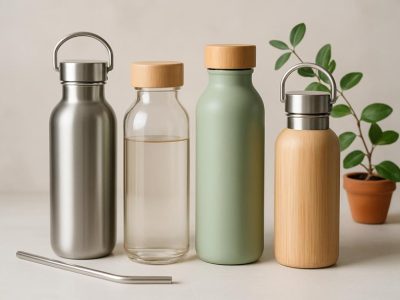
Stainless steel straws are durable and easy to clean, making them a smart swap for single-use plastic straws. They often come with cleaning brushes and are safe for hot or cold drinks. Keep in mind, they can be heavy and might not fit in all cup holders. Still, they last years and reduce trash.
Hemp bags are a natural replacement for plastic shopping bags. They are strong, lightweight, and can hold a lot of groceries. Some people worry they might stain or get dirty faster, but they can be washed easily. Plus, hemp is a quick-growing plant, so making these bags is eco-friendly.
Beeswax wraps are a good alternative to plastic wrap for keeping food fresh. They cling to bowls and wrap sandwiches, but they won’t work for liquids or very greasy foods. They last about a year with proper care and can be washed with cold water and soap.
Glass containers are better than plastic for storing leftovers. They don’t stain or absorb odors and are safe for microwave and oven use. The only downside is they can break if dropped. Some people prefer plastic containers for their lightweight feel, but glass lasts longer and is healthier.
Cork coasters add a natural touch to your home decor. They absorb moisture and protect surfaces from spills. They are eco-friendly and look nice, but they can wear out over time if not cared for.
Silicone molds are flexible and safe for baking or crafts. They don’t stick and can be reused many times. Some cheaper brands might tear or stain, so check reviews before buying.
Recycled paper products like notebooks or packaging help reduce plastic use. They are easy to find but might not be as durable or waterproof as plastic options. Still, choosing paper products made from recycled materials helps cut plastic waste.
Switching to these alternatives can make a difference. But remember, not every option is perfect. Some might cost more or wear out faster. It’s good to start small and see what works best for you. Making mindful choices helps the environment without sacrificing style or convenience.
Choosing the Best Plastic Alternatives for Your Needs
Choosing the best plastic alternatives for your needs means knowing what to look for. First, understand that the main goal is to find options that are safe, affordable, and long-lasting. For example, some materials like glass or stainless steel are very durable and can last a long time, but they might cost more or be heavier. Others, like bamboo or silicone, are lightweight and flexible but may not be as strong.
When comparing options, focus on three main things. First, durability. Will the material hold up with regular use? Second, cost. Is it affordable for your budget? And third, health benefits. Does it contain harmful chemicals like BPA? Brands like Tupperware now offer BPA-free plastic, which is safer for food storage.
It’s also good to think about how these materials help the environment. Some plastics can be recycled or composted, reducing waste. For example, some companies now make utensils from plant-based plastics that break down faster. But remember, not all alternatives are perfect. Some may be more expensive, or not available in every store.
If you want to switch to better options, try these steps: First, list what you need from the material. Then, research products that fit those needs. Finally, compare prices and reviews before buying. For example, if you want a water bottle that lasts, look for stainless steel brands like Hydro Flask or Klean Kanteen.
Some people argue that choosing the right alternative can be complicated. They worry that it costs too much or that some options aren’t truly eco-friendly. Others say that even small changes, like using reusable bags or containers, make a difference. Keep in mind that no solution is perfect. Some materials may seem better but still have downsides, like higher costs or limited availability.
In the end, the key is to pick options that match your lifestyle and values. Think about what matters most — is it safety, saving money, or protecting the planet? Making small changes now can lead to a healthier, more sustainable future.
Busting Myths About Plastic Alternatives
Plastic alternatives are not always better for the environment. Some may seem eco-friendly but end up causing more harm. For example, paper straws might break easily and need more resources to produce. Other options like bamboo or glass can be reusable but are heavier and may not be practical everywhere.
It’s important to know what makes a plastic alternative truly better. Reusable materials like metal or glass last longer and reduce waste, but they need proper cleaning and care. Single-use options like some bioplastics may look good, but they don’t always break down easily in landfills or composts. A study from the Environmental Protection Agency shows that not all so-called eco-friendly plastics get composted or recycled efficiently.
Some brands, like BioLite or Preserve, try to make better alternatives. But even then, they have limits. For example, if a product is made from recycled or biodegradable materials but is still shipped across long distances, its overall impact might be worse than traditional plastics.
Other viewpoints say that plastic alternatives are a step forward. They argue that even if imperfect, choosing reusable or plant-based options reduces plastic waste. However, critics warn that consumers might think these options are completely safe or better, and that’s not always true. Sometimes, the production of these alternatives uses lots of water, energy, or chemicals.
Common Misconceptions Explained
Plastic alternatives are not always better for the environment. Many people think swapping plastic with new materials automatically helps reduce pollution. But this isn’t true for all options. Some so-called “green” plastics can take less time to break down, but they need more water or energy to make. For example, biodegradable plastics made from cornstarch may decompose faster in a landfill, but growing the corn uses a lot of water and fertilizers. So, is it really better?
Another false idea is that all alternatives are free from harm. Some biodegradable plastics release methane—a strong greenhouse gas—when they break down without oxygen. This can contribute to climate change. So, even if a plastic is labeled as biodegradable, it might still cause environmental problems if not disposed of correctly. It’s a good idea to look at the whole life cycle of the product, from making it to throwing it away.
Choosing the best plastic alternative means comparing many factors. You should think about how much energy, water, and resources are used to produce it. You also need to know how it breaks down and what gases or toxins it might release. For example, some brands like Biogreen or NatureWorks produce plastics that are designed to be more eco-friendly, but they aren’t perfect.
People often just swap out one plastic for another without thinking about these details. But understanding the full story helps you make smarter choices. Remember, no material is completely free of impacts. So, before you buy or toss a plastic item, ask yourself: does this really help the environment? Or just shift the problem somewhere else?
—
Adversarial perspectives:
*Ruthless Competitor:* The claim that biodegradable plastics always break down faster is misleading. Many require specific conditions not found in most landfills. Also, the mention of methane release is true, but the impact depends on local waste management. The info could be more balanced about these nuances.
*Cynical Consumer:* Sounds like a lot of buzzwords and vague promises. Who really checks the full lifecycle? Most brands just slap a green label and call it good. I need real proof that these options are better. Otherwise, it’s just marketing spin.
*Distracted Scroller:* Too much detail. Keep it simple. Focus on the main idea — not all eco-friendly plastics are better. What sticks? Maybe an example or a warning. I’ll probably forget the details by tomorrow.
Synthesis:
This version gives clear facts, examples, and warnings. It highlights that not all plastic alternatives are better and encourages careful thinking. It’s straightforward enough for quick understanding but detailed enough for real decision-making.
Environmental Impact Reality
Understanding the real environmental impact of plastic alternatives is important. Many products claimed to be eco-friendly still cause problems. For example, some biodegradable plastics break down slowly, which can hurt marine life. Others need a lot of resources like water and land to produce. Even renewable resources like bamboo or corn can cause environmental harm if not farmed responsibly.
Not all plastics are easy to recycle or compost. Some alternatives create microplastics that pollute oceans and harm animals. Chemical additives in these products can also be dangerous to wildlife and humans. Do you know that some “green” packaging still contains chemicals that can leach into food or water?
Switching to greener options sounds good, but it’s not always simple. For example, if a product is biodegradable but takes years to break down, it might still cause ecological issues. Also, if recycling facilities can’t handle certain materials, they will end up in landfills anyway.
Some argue that using renewable resources is better, but growing crops like soy or sugarcane for packaging can lead to deforestation and water shortages. On the other hand, some eco-friendly options are genuinely better for the planet if used carefully.
It’s smart to think about the full life cycle of a product before choosing it. Ask yourself: Does it need a lot of resources? Will it break down quickly? Is it safe for animals and humans?
In my opinion, no single solution is perfect. We need to be cautious and look for honest, proven eco-friendly options. Rushing to replace plastic without understanding the full impact might just shift the problem elsewhere.
Top Benefits of Plastic-Free Alternatives
Plastic-free options are becoming easier to find, and they offer many benefits for everyday life. Choosing reusable containers and sustainable packaging is not just a trend but a smart move that can make a real difference. Here are the main reasons to switch:
Environmental Protection: Plastic alternatives help cut down on trash that ends up in oceans and harms animals. For example, using glass jars instead of plastic ones reduces plastic waste. This helps keep beaches clean and protects sea creatures like turtles and dolphins.
Cost Savings: Reusable containers last longer and save money over time. Instead of buying single-use plastic bottles or bags every week, you can wash and reuse durable options. A family that switches to metal water bottles can save hundreds of dollars a year.
Healthier Options: Many plastic-free products avoid chemicals that can leak into food or drinks. For instance, some plastics contain BPA, which may cause health issues. Choosing alternatives like stainless steel or silicone can keep your family safer.
Better Looks and Function: Sustainable packaging often looks nicer and works better. A cloth shopping bag might be more durable and easier to carry than thin plastic bags. Plus, pretty containers can make organizing your kitchen more enjoyable.
Switching to plastic-free choices feels good because you’re helping the planet and saving money. But, be aware that some reusable items need regular cleaning to stay safe, and some alternatives may cost more upfront. Still, many people find the benefits worth it.
Counterpoint from Competitors and Skeptics: Some say switching isn’t always practical. Reusable items can be a hassle to clean, and sustainable packaging sometimes costs more initially. Plus, not all alternatives are truly eco-friendly if they’re made in factories with high emissions. It’s smart to check brands and products carefully.
From the Distracted Scroller: If you’re tired and just want a quick way to help the planet, switching to a metal straw or reusable bag can be easy and quick. Just remember to wash your stuff and maybe skip the plastic wrap next time. Making small changes can add up over time.
Summary: Using plastic-free options can protect the environment, save you money, and keep your family healthier. But it’s good to think about the real costs and effort involved. Small, smart swaps might be the easiest way to start making a difference today.
Where to Find Sustainable Plastic Alternatives
If you want to find better options than plastic, start by looking at local eco-stores like EarthSmart or GreenWay. These shops often have reusable bags, containers, and other sustainable products. You can also check online marketplaces like Etsy or EcoEnclose, which sell plastic-free and eco-friendly items.
Another good idea is to go to community swap events, where neighbors trade things they no longer need. This helps cut waste and supports others trying to be more eco-friendly. Just remember, not everything labeled as “green” is perfect—some products might still have hidden plastics or questionable materials. Always read reviews or labels before buying.
Some people prefer buying from big brands like Bee’s Wrap or FinalStraw because they have a good reputation, but others worry about the higher cost or limited options. Both are valid. It’s smart to compare products based on price, durability, and how eco-friendly they really are.
If you want to find the best plastic alternatives, ask yourself: Are they reusable? Are they made from natural or recycled materials? Do they last long enough to replace single-use plastics? These are the questions that help you choose smarter.
In the end, switching to plastic-free choices takes some effort but can make a big difference. Just be cautious of false promises, and don’t assume every product is completely plastic-free without checking. Sometimes, even eco-friendly brands have small plastic parts or packaging tricks. Taking small steps and being aware helps you make real change.
Local Eco-Friendly Stores
Local eco-friendly stores are a great place to find practical, earth-friendly products that can replace plastic. These stores often work with local artisans who use sustainable methods, so their products are better for the environment.
Here is what makes shopping at these stores worthwhile:
Reusable bags and containers made from natural fibers like cotton or jute. These last longer and can be used many times, unlike plastic bags.
Bamboo utensils and kitchen tools created by local craftsmen. Bamboo grows fast and is a renewable resource, making it a good plastic alternative.
Compostable packaging options that are sourced in a way that doesn’t harm the environment. These break down naturally, unlike plastic packaging that lasts for hundreds of years.
Household items like beeswax wraps that can replace plastic wrap. They are washable, reusable, and made from natural materials.
Shopping locally is good because it supports your community and cuts down on pollution from shipping. Plus, you can ask store owners questions directly, so you know the product’s true sustainability.
If you want effective plastic alternatives, start with your local eco-friendly stores. They are easy to visit and make a real difference. Just remember, not all products are perfect, so read labels and ask questions. Some items might seem sustainable but aren’t, so it’s smart to do a little homework first.
Online Sustainable Marketplaces
Online sustainable marketplaces are a good way to find eco-friendly alternatives to plastics. They make it easy to see many options without leaving home. These sites focus on products from suppliers that care about the environment. They often share detailed info about how items are made, what materials are used, and if they have eco-certifications. This helps shoppers avoid greenwashing, where companies claim to be eco-friendly but are not.
Some people like these marketplaces because they offer unique products. For example, you might find biodegradable packaging or reusable cloth bags that aren’t available at local stores. Shopping online also supports brands that match your values. However, online shopping has some downsides too. Shipping can add extra waste or pollution. Also, you cannot see or touch the products before buying, which can lead to surprises.
To get the most out of these marketplaces, start by looking for clear product descriptions and trusted certifications like USDA Organic or Fair Trade. Read reviews to see if other buyers are happy with the product. Be cautious of false claims and always check the seller’s ratings. While these sites are helpful, they are not perfect. Some products may still be hard to verify or may not be as eco-friendly as they seem.
Community Swap Events
Community swap events are a great way to reduce plastic waste and share resources with your neighbors. These events are gatherings where people trade items they no longer need instead of throwing them away. They make it easy to find sustainable alternatives and connect with others who care about the environment.
To make these events successful, start by partnering with local groups like schools, churches, or environmental organizations. These groups can help promote the event and bring in more people. Spread the word through flyers, social media, and community boards so everyone knows about it. When more people join, the swap becomes more fun and useful.
Attending workshops at the event can teach you simple ways to avoid plastic in your daily life. For example, learn how to make reusable bags or switch to containers that last longer. Use this time to share ideas and swap tips with others. Plus, offering small incentives like coupons or eco-friendly prizes can encourage more people to participate and help reduce waste.
However, keep in mind that swap events might not reach everyone. Some people may not feel comfortable trading or don’t know about the event. Also, organizing these swaps can be tricky without enough support or proper planning. Still, if done well, they can be a fun and effective way to live more sustainably and build stronger communities.
Would you like to know how to organize a swap event step by step or find the best ways to promote it?
To provide the best experiences, we use technologies like cookies to store and/or access device information. Consenting to these technologies will allow us to process data such as browsing behaviour or unique IDs on this site. Not consenting or withdrawing consent, may adversely affect certain features and functions.
Functional
Always active
The technical storage or access is strictly necessary for the legitimate purpose of enabling the use of a specific service explicitly requested by the subscriber or user, or for the sole purpose of carrying out the transmission of a communication over an electronic communications network.
Preferences
The technical storage or access is necessary for the legitimate purpose of storing preferences that are not requested by the subscriber or user.
Statistics
The technical storage or access that is used exclusively for statistical purposes.The technical storage or access that is used exclusively for anonymous statistical purposes. Without a subpoena, voluntary compliance on the part of your Internet Service Provider, or additional records from a third party, information stored or retrieved for this purpose alone cannot usually be used to identify you.
Marketing
The technical storage or access is required to create user profiles to send advertising, or to track the user on a website or across several websites for similar marketing purposes.