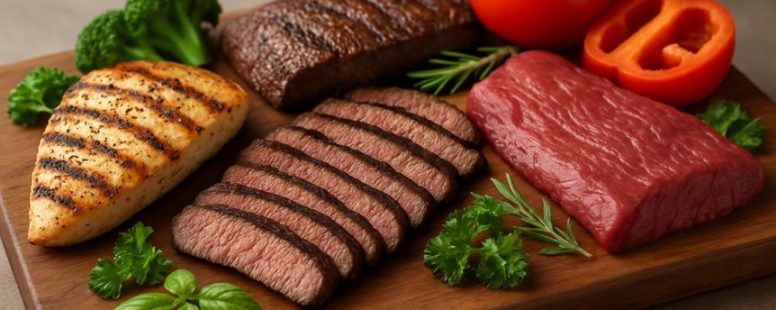
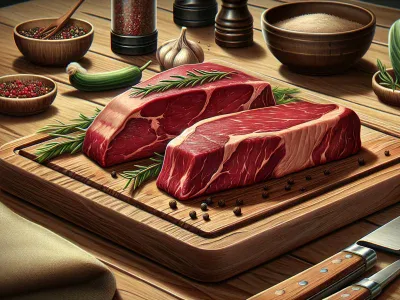
When a recipe calls for flank steak, but the butcher’s case is empty, it’s like hitting a roadblock in your culinary journey.
Luckily, choosing the right substitute can transform your dish into a symphony of flavor and tenderness. Imagine a cut that soaks up marinades like a sponge, cooks quickly, and delivers a juicy, beefy punch with every bite.
Some options come remarkably close to flank steak’s rich taste and chewy texture, offering a surprising bonus — they can often be more budget-friendly without sacrificing quality.
Think of these alternatives as secret weapons that turn everyday ingredients into a flavorful masterpiece.
Why Flank Steak Is Special in Recipes
Flank steak is a popular beef cut known for its flavor rather than tenderness. It is a long, flat piece of meat with a distinct grain, which makes it stand out in recipes. Many cooks prefer it because it absorbs flavors well and adds a beefy punch to dishes.
One reason flank steak is special is how versatile it is. You can cook it on a grill, under a broiler, or stir-fry it in a hot skillet. Each method brings out a different taste and texture, making it useful for many types of meals. For example, grilling gives it a smoky flavor, while stir-frying keeps it tender and quick.
Another reason people love flank steak is how easily it takes marinades. Whether you use lemon and chili or soy sauce and garlic, the meat soaks up those flavors quickly. This makes it perfect for dishes like fajitas, stir-fries, and salads. It can be marinated for just 30 minutes or overnight, depending on the recipe.
However, some warn that flank steak can be tough if not cooked properly. It’s best to cook it quickly at high heat and slice it thinly against the grain to make it easier to chew. Also, because it is less tender, it might not work well in slow-cooked recipes that need soft meat over hours.
In the end, flank steak is a favorite because of its bold flavor and adaptability. It isn’t the most tender cut, but with the right cooking and marinades, it can become a star in many dishes. Do you prefer grilling or stir-frying your flank steak? Either way, it’s a cut that can boost your cooking in many ways.
Key Qualities That Make a Great Substitute
When looking for a good substitute for flank steak, the most important thing is how it feels and tastes. A good replacement should have a similar texture, meaning it should be tender yet slightly chewy, just like flank steak. The flavor should also be close enough so the dish doesn’t lose its original taste.
It’s also key that the substitute can be cooked the same way. For example, if you usually grill flank steak, your replacement should be good on the grill too. If you cook it in a stir-fry, it should stay tender during quick cooking. Some cuts like skirt steak or hanger steak can work well because they share these qualities. But be careful, not all substitutes will work perfectly. Some might be too soft or too tough, or they might not taste similar enough.
For example, when I made a beef stir-fry once, I tried using sirloin instead of flank. It was tender, but the flavor was a little different. So, always think about how you plan to cook it and what flavor you want.
Some people say you don’t need a perfect match, just something close enough. But others argue that you should aim for the cut that’s most similar to get the best results. Keep in mind, substitutes can sometimes be more expensive or harder to find, so weigh if it’s worth it.
In short, look for a cut with a similar texture, flavor, and cooking style. This way, your dish will turn out just as tasty as you want it to be.
Texture and Flavor Match
Flank steak has a unique texture and flavor that makes it popular in many dishes. If you want to find a good substitute, it’s important to know what makes flank steak special.
First, flank steak has a lean, firm texture with a clear grain. It gives a nice chew without being tough. When choosing a substitute, look for cuts that have a similar texture—lean with a bit of chew. For example, skirt steak is often compared to flank steak because it’s also lean and has a similar grain. Another option could be sirloin tip side steak, which can work well if sliced thinly.
Flavor is just as important. Flank steak has a strong, beefy taste that holds up well against marinades and spices. If you pick a cut that is milder or less beefy, your dish might taste flat. To keep the flavor strong, choose cuts that have a similar beefy taste or are good at absorbing seasonings.
Some people might try to use cheaper or softer cuts, but these often lack the firm texture or bold flavor needed to match flank steak. On the other hand, some cuts might be tougher and require longer cooking times, which can change how the dish turns out.
Cooking Method Compatibility
Cooking methods really matter when choosing a substitute for flank steak. The right cut should handle heat well so your dish turns out tender and tasty. Here’s what to look for:
Good for grilling or pan-searing – The cut needs to get a nice crust without drying out. If it’s too thin or tough, it won’t sear properly or might become chewy.
Absorbs quick marinades – Some cuts soak up flavors fast, making them tastier without becoming tough. Meat that resists marinating can lead to bland results.
Easy to slice against the grain – Slicing against the muscle fibers makes the meat easier to chew and more enjoyable.
If a cut meets these points, it can give you similar flavor and texture as flank steak. Just remember, not all substitutes will work perfectly in every recipe. Always test a small piece first if you can. Some cuts might look similar but behave differently under heat. For example, sirloin can be a good alternative, but it might need a different cooking time or method.
So, when choosing a substitute, ask yourself: Will it develop a good crust? Will it soak up flavors fast? Can I slice it easily? If yes, you’re on the right track. If not, it might change your dish in ways you don’t want.
In the end, picking the right cut depends on how you plan to cook it and what you want from the final bite. Sometimes, you might find a cut that works better than flank steak in certain recipes. Just be ready to adjust your cooking technique or marinating time to get the best results.
Best Beef Cuts to Substitute Flank Steak
If you want to replace flank steak with other beef cuts, here are the best options based on flavor and tenderness. Skirt steak is known for its rich, beefy taste. It’s a good choice if you want strong flavor in dishes like fajitas or stir-fries. Flat iron steak is tender and cooks quickly, making it easy for weeknight meals. Hanger steak has a bold, unique flavor that makes it stand out. It’s perfect for grilling or pan-frying.
Some people say these cuts are good substitutes because they share similar textures or flavors with flank steak. However, each cut has its own quirks. For example, skirt steak is tougher if overcooked, so it needs quick, high-heat cooking. Flat iron steak is more forgiving but can be a little pricier. Hanger steak is flavorful but can be hard to find at some stores.
If you’re trying to decide, think about how you plan to cook your meat. Skirt and hanger steaks work best when sliced thin after cooking, while flat iron can be served as a whole steak. Keep in mind that all these cuts taste great but may need different cooking times or techniques.
In the end, choosing the right substitute depends on what you like best and what you have available. Trying out these options can give you new flavors and textures for your favorite recipes.
Skirt Steak Benefits
Skirt steak is a good alternative to flank steak. It is known for its strong beefy flavor. When cooked properly, it can be tender and juicy. Here’s what makes skirt steak a popular choice:
Bold Flavor: Skirt steak has a rich, beefy taste that makes your dishes stand out. It’s perfect if you love a strong meat flavor that hits the palate.
Quick Cooking Time: If you cook it on high heat for just a few minutes, you get a tasty and tender piece of meat. This makes it convenient for busy weeknights.
Versatile Use: You can use skirt steak in many recipes. It works well for fajitas, stir-fries, and grilled dishes, similar to flank steak.
Some people say skirt steak is not as tender as other cuts. To avoid tough meat, don’t overcook it. Also, it has a lot of connective tissue, so slicing it thin against the grain is best to keep it tender.
Skirt steak is a dependable choice if you want a flavorful beef option. But keep in mind it needs proper cooking and slicing. It might not be as forgiving as sirloin or tenderloin for beginners. Still, with the right technique, it can become a favorite for many home cooks.
Flat Iron Steak Qualities
Flat iron steak is a great choice if you want a beef cut that is tender and full of flavor. It is often compared to flank steak because it is easy to cook and tastes rich. The flat iron gets its good qualities from its marbling, which means it has thin streaks of fat that keep it juicy and flavorful. Unlike flank steak, which can become tough if not cooked carefully, flat iron stays tender when cooked quickly over high heat. It is cut from the shoulder of the cow, giving it a good balance of meatiness and tenderness. When you grill or sear it, it forms a nice crust on the outside while staying juicy inside.
Some people might worry that flat iron can be a little more expensive or harder to find than flank steak. Also, if you cook it too long, it can still get tough, so quick cooking is best. But if you want a cut that delivers a bold beef flavor and is easier to prepare, flat iron is a smart pick.
Think of flat iron like a steak that’s both flavorful and forgiving. It’s not as thin or tricky as flank, but it still gives a satisfying chew. If you ask around, many chefs recommend it for stir-fries, tacos, or quick grilled dinners. However, some skeptics might say it’s not as widely available or could be pricier than other options. Still, for those who want a reliable, tasty cut that’s easy to cook, flat iron is worth trying.
Hanger Steak Characteristics
Hanger steak is a cut of beef known for being very flavorful and tender. It is sometimes called the “butcher’s steak” because butchers used to keep it for themselves, knowing how good it tastes. This steak has a loose grain, which means it’s easy to cut and cook quickly. It’s a great choice if you want a beef steak that is full of flavor and responds well to high heat.
Here’s what makes hanger steak special:
It tastes richer and more beefy than flank steak, making it a favorite for many meat lovers.
Its texture is tender but still has some chew, giving a satisfying bite.
It cooks fast with methods like grilling or pan-searing, locking in the juices and flavor.
If you want a beef steak that is flavorful and easy to cook, hanger steak might be the best choice. Just remember, it can be a little tricky to find at some stores because it’s not as common as other cuts. Also, be sure not to overcook it, or it might get tough. Some people compare it to a hidden gem in the meat world, but others warn it’s not as widely available or consistent in size as sirloin or ribeye.
Affordable Tender Flank Steak Alternatives
Affordable Flank Steak Alternatives
If you want a tasty meal without spending too much, there are good options to replace flank steak. These cuts can be just as tender and flavorful, but they cost less. Skirt steak and flat iron steak are popular choices. They respond well to quick cooking methods like grilling or searing. That means you don’t need fancy equipment or long hours in the kitchen.
Chuck eye steak is another good option. When cooked right, it can be soft and juicy. Look for cuts with good marbling, which means the fat is spread evenly. That helps make the meat tender and tasty. Also, try to find cuts with grain similar to flank steak. This makes slicing easier and improves flavor.
Some people might say that these substitutes aren’t exactly the same as flank steak. That’s true. But if you’re on a budget, they’re a great way to enjoy flavorful meals without breaking the bank. Just remember, some cuts need proper cooking to be tender. For example, slow cooking chuck might make it more tender, but too much heat can dry it out.
In the end, these affordable options prove you don’t have to pay a lot for a satisfying steak. With a little know-how, you can enjoy meals that taste just as good as more expensive cuts. Would you give them a try for your next barbecue?
Non-Beef Meats That Work as Flank Steak Substitutes
Non-beef meats can work well as substitutes for flank steak in many recipes. They can provide good flavor and texture, making your meals just as tasty. Here are three options you might want to try:
Chicken thighs – These are juicy, flavorful, and hold marinades well. They work great in stir-fries, grilled dishes, or fajitas. Sometimes, people overlook chicken because they think it’s boring, but when cooked right, it can be just as satisfying as beef.
Pork tenderloin – This meat is lean and tender. It has a mild taste that absorbs spices easily. That makes it a flexible choice for different flavors. Be careful not to overcook it, or it can become dry.
Turkey breast – Lean and tender, turkey breast is a healthy choice. When cooked properly, it stays moist and pairs well with bold seasonings. Some folks worry turkey is bland, but with the right spices, it can be just as flavorful as beef.
These meats add variety to your meals without sacrificing taste or texture. They are good options if you’re looking to switch things up or avoid beef. Give them a try and see how they work in your favorite recipes. You might find a new favorite!
Adjust Cooking for Flank Steak Substitutes
Adjusting your cooking method is key when using meats other than flank steak. Different cuts have unique textures and fat levels, so how you cook them matters. For example, leaner meats like skirt steak cook quickly over high heat to avoid toughness. Thicker or fattier cuts need a bit more time at moderate heat to melt the fat and make the meat tender.
Seasoning also needs attention. Some meats soak up marinades differently, so you might want to add a little more seasoning or marinate longer to get good flavor. Think about it like this: if you don’t adjust, the meat could come out dry or tough, and nobody wants that.
There are two ways to look at this. One is that following these tips will help you get the best results every time. The other is that some cuts might still be tricky, and it takes practice. So, be ready to experiment a little.
Flavor Tips to Match Flank Steak Taste
Matching the flavor of flank steak isn’t hard if you know what to do. It’s all about adding the right seasonings and marinades to bring out the beefy taste. Here’s how to do it:
First, use a savory marinade. Mix soy sauce, garlic, and a little lime juice. This combo tenderizes the meat and makes it taste richer. For example, a marinade with soy and garlic is like giving the steak a flavor boost before cooking. Let the meat sit in this mixture for at least an hour so it can soak up the flavors.
Next, pick seasonings that add a smoky, earthy flavor. Smoked paprika, black pepper, and cumin work well together. They give the steak a taste similar to grilled meat. If you prefer less smoky flavor, you can skip the paprika. Just remember, seasoning is about balancing flavors, not overpowering the meat.
Lastly, always let the steak rest after marinating. This step helps the meat absorb all the flavors and stay juicy when cooked. If you cut into it right away, the juices will run out and the flavor won’t be as strong.
Some people might think these steps are too simple or that they don’t make a big difference. But even small changes in seasoning or marinating time can really improve the flavor. Just be careful not to marinate too long, especially with acidic ingredients like lime juice, or the meat could get mushy.
Trying these tips will help you get that classic flank steak taste, even if you use a different cut of beef. Do a little experiment and see how much better your steak can taste.
Where to Buy Flank Steak Substitutes
If you want to find good substitutes for flank steak, knowing where to buy them is key. The best places to look are local butcher shops and specialty meat markets. These spots often carry cuts like skirt steak or hanger steak that are similar in flavor and texture. They are usually fresh and high quality, so they make good replacements.
Online stores are also a solid choice if you want convenience. Trusted companies like Omaha Steaks or ButcherBox offer a variety of meat cuts you can order right to your door. Comparing prices and quality is easier online, and the meat arrives fresh. Just make sure to check reviews to avoid low-quality options.
Grocery stores with strong meat departments can also be helpful. Many big supermarkets stock flank steak substitutes such as sirloin or bavette. Sometimes they even have specialty cuts that work well in recipes calling for flank steak. It’s a quick option if you’re in a hurry.
Some people might think these options are limited or unreliable. But if you focus on well-reviewed stores or local butchers, you’ll find good substitutes that keep your meals tasty. Keep in mind that not all cuts are exactly the same, so some trial and error might be needed.
In the end, choosing where to buy depends on your needs. Whether you want the best quality or just a quick fix, these sources give you options. Just don’t forget to compare and read reviews — that way, you’ll get the best substitute without wasting time or money.
To provide the best experiences, we use technologies like cookies to store and/or access device information. Consenting to these technologies will allow us to process data such as browsing behaviour or unique IDs on this site. Not consenting or withdrawing consent, may adversely affect certain features and functions.
Functional
Always active
The technical storage or access is strictly necessary for the legitimate purpose of enabling the use of a specific service explicitly requested by the subscriber or user, or for the sole purpose of carrying out the transmission of a communication over an electronic communications network.
Preferences
The technical storage or access is necessary for the legitimate purpose of storing preferences that are not requested by the subscriber or user.
Statistics
The technical storage or access that is used exclusively for statistical purposes.The technical storage or access that is used exclusively for anonymous statistical purposes. Without a subpoena, voluntary compliance on the part of your Internet Service Provider, or additional records from a third party, information stored or retrieved for this purpose alone cannot usually be used to identify you.
Marketing
The technical storage or access is required to create user profiles to send advertising, or to track the user on a website or across several websites for similar marketing purposes.