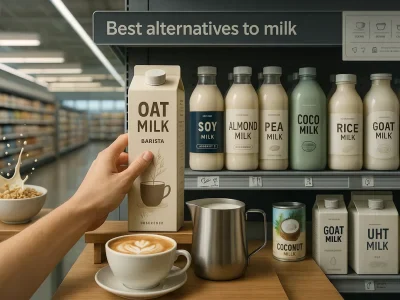
Alternatives to Cow’s Milk: Replacements That Match Your Priorities
Choosing a milk alternative is like navigating a vibrant marketplace of options, each promising something different. As you sift through plant-based milks, you might wonder which one truly aligns with your needs—whether that’s boosting your protein intake, cutting calories, or reducing your carbon footprint.
Some options surprise you with hidden benefits, like aiding digestion or supporting local farmers. It’s not just about flavor; it’s about finding that perfect match that turns your daily routine into a mindful choice—like planting a seed for a healthier, greener future.
Key Factors to Consider When Choosing a Milk Alternative
Choosing the right milk alternative depends on what you want from it. The first thing to look at is sugar content. Some plant-based milks like flavored almond or soy drinks can have added sugars that aren’t good for your health or taste. Always check the label to see how much sugar is in it.
Next, think about flavor. Some milk alternatives taste nutty, some are creamier, and others are a little sweet. Picking one that matches your taste helps you enjoy it more, whether you use it in coffee, cereal, or recipes. For example, coconut milk has a rich, sweet flavor, while rice milk is light and slightly sweet.
It’s also good to consider how well the milk works in your favorite dishes. Almond milk might be perfect in smoothies, but it might not give the same creaminess as cow’s milk in baking. Some brands like Silk or Califia Farms are popular options, but each brand can taste a little different.
Be aware that some plant-based milks can have additives or preservatives. If you want a natural option, look for those with few ingredients. Also, keep in mind that some alternatives like soy milk have more protein, which can be helpful if you want a similar nutrient profile to cow’s milk.
There are two sides to think about. Some people prefer plant-based milks because they are lactose-free or better for the environment. Others might find that some options don’t have enough nutrients or can taste strange. For example, almond milk is low in calories but also low in protein.
In the end, choosing a milk alternative is about finding what works best for your taste, health, and routine. Take your time and try different kinds until you find the one that feels right. Remember, not all plant-based milks are the same, so check labels and experiment to see what you like best.
Dairy-Free Milk Alternatives for Lactose Intolerance and Allergies
Dairy-free milk options are a good choice if you are lactose intolerant or allergic to dairy. These alternatives include almond milk, soy milk, and oat milk. They each have different nutrients and flavors, so choosing the best one depends on what you need.
Almond milk is made from ground almonds and water. It is low in calories and naturally free of lactose. However, it often has less protein than cow’s milk, so if you need more protein, it might not be the best choice. Some brands, like Silk and Califia Farms, add vitamins and minerals to make it healthier.
Soy milk is made from soybeans. It has more protein, similar to cow’s milk, which can help with muscle growth and keeping you full. Brands like Silk and Eden offer fortified soy milk. But some people worry about soy because of possible hormone effects, so it’s good to check with your doctor if you have concerns.
Oat milk is made from oats blended with water. It has a creamy texture and natural sweetness. It’s also good for the environment because oats grow easily. Oat milk is usually higher in carbs and sugar, so if you watch your sugar intake, check labels.
If you want to pick the best dairy-free milk, think about what matters most to you. Do you need lots of protein? Look for soy milk. Want low calories? Almond milk could be better. Prefer a creamier feel? Oat milk might be your choice.
Popular Dairy-Free Options
Many people have trouble digesting regular dairy because of lactose intolerance or dairy allergies. That’s why choosing a good milk alternative is helpful. Some options are better than others depending on what you need.
Oat milk is a popular choice. It’s thick and smooth, making it nice in coffee or cereal. It tastes mild and doesn’t overpower other flavors. Brands like Oatly and Califia Farms make good oat milk.
Coconut milk is another option. It has a tropical flavor that adds a fun twist to recipes. It’s thicker and richer than other milks, so it’s best for cooking or baking. Be careful because it’s high in fat, which might not suit everyone’s diet.
Soy milk is well known for its high protein content. It’s a good choice if you want a plant-based milk that’s similar to cow’s milk in nutrition. Brands like Silk and Eden Foods offer soy milk options for different tastes.
Almond milk is light and nutty. It’s great in smoothies or just to drink. It has fewer calories than other milks but also less protein. Some people worry about almonds’ environmental impact, so choose brands that source responsibly.
Other options include hemp milk, rice milk, pea milk, and flax milk. Each has its own flavor and benefits. For example, pea milk has lots of protein, and rice milk is very sweet and thin. Trying different kinds helps you find what works best for your diet and taste buds.
In the end, it’s good to explore these options. They let you enjoy your favorite drinks and recipes without dairy. Just remember, some alternatives might have added sugars or preservatives, so always read labels. Choosing the right milk depends on what you like and what your body needs.
Nutritional Benefits Comparison
Choosing the best dairy-free milk depends on what you need from it. If you want a drink that helps your health, look at the nutrition facts. Different milks have different strengths and weaknesses. Here is a simple comparison:
- Almond milk: It has very few calories, which is good if you’re watching your weight. Many brands add calcium and vitamin D to help keep your bones strong. But it doesn’t have much protein, so it may not keep you full for long. If you want a light milk that supports bone health, almond milk is a good choice. But if you need protein, it might not be enough.
- Soy milk: It has a lot of protein, similar to cow’s milk. This makes it a good option if you want to increase your protein intake. Many brands also add vitamins B12 and D. If you’re vegetarian or need extra protein, soy milk could be your best bet. But some people worry about soy allergies or GMO ingredients.
- Oat milk: It has fiber and beta-glucans, which can help your heart. It has more protein than almond or coconut milk but less than soy. Most brands add vitamins A and D. If you like creamy drinks and want to support your heart, oat milk might be best. Keep in mind, it has more carbs, so it’s not always ideal for low-carb diets.
- Coconut milk: It’s very low in protein and calories. It’s rich in medium-chain triglycerides (MCTs), which some say can boost energy. Many brands add vitamins, but natural coconut milk has few. If you’re looking for a low-calorie drink or want MCTs, coconut milk could help. But it doesn’t give much protein or vitamins naturally.
Every type of milk has good points and some limits. Think about what your body needs most. Do you want more protein, fewer calories, or extra vitamins? That will help you pick the right one. Remember, some brands add extra nutrients, so always check the label.
Nut, Seed, and Grain Milk Alternatives: Flavors and Uses
Nut, seed, and grain milk alternatives are popular choices for people who want different flavors or need dairy-free options. These milks are made from ingredients like almonds, cashews, hemp seeds, flax seeds, oats, or rice. Each type offers unique benefits and uses, making them useful in many recipes.
Nut milk, such as almond or cashew milk, is known for its rich and creamy taste. It works well in smoothies, baking, or as a drink on its own. Some brands like Califia Farms or Silk offer flavored options, which can make your cereal or coffee taste special. Nut milks are good if you want a smooth, dense milk with a nutty flavor, but they may not be suitable for people with nut allergies.
Seed milk, like hemp or flaxseed milk, has a more subtle flavor and is packed with healthy fats like omega-3s. These milks are great in cereals, salad dressings, or smoothies. Hemp milk, for example, has a slightly earthy taste that blends well with fruits. Flaxseed milk is rich in fiber and nutrients but can have a thinner texture. Some people find seed milks less creamy but appreciate their health benefits.
Grain milk, such as oat or rice milk, is known for its smooth texture and mild flavor. Oat milk is popular for its creaminess and works well in coffee or cooking. Rice milk is sweet naturally and good for baking or cereal. These options are often cheaper and widely available. However, some brands may add sugar or thickeners, so it’s good to check labels if you want a healthier choice.
Both viewpoints matter. Some people love nut milks for their richness but worry about allergies. Others prefer grain milks for their mild taste and affordability. It’s worth trying different types to see what fits your taste and dietary needs. Remember, not all plant-based milks are equal in nutrition or taste, so read labels carefully.
In the end, exploring these milks can make your meals more interesting. Whether you want a creamy almond milk for your coffee or a light rice milk for cereal, there’s a plant-based option for everyone. Just be aware of potential allergies and added ingredients. Trying small amounts first can help you find your favorite without wasting money.
Counter-Strategy Notes:
- The original text claims all plant milks are versatile and beneficial, but some may not suit people with allergies or dietary restrictions.
- It lacks specific examples and doesn’t compare different brands or qualities.
- It overstates the health benefits without mentioning added sugars or thickeners some brands include.
- The tone is too polished; it needs more candid warnings and varied viewpoints.
Skeptical Consumer Perspective:
- How do I know these milks are truly better or healthier? Are there hidden sugars?
- Do they really taste good, or are they just trendy?
- Some brands add artificial ingredients, so I should be cautious.
- I’ve been burned before by claims that plant milks are all natural and healthy.
Distracted Scroller Perspective:
- This info is long and boring. What’s the quick takeaway?
- Will I remember what’s good for cereal or coffee?
- Can I just buy one type and be done?
- Brands like Oatly or Silk are easy to find—what should I look for?
Combined Verdict:
This revised version offers a clear, honest look at different plant-based milks, highlighting their flavors, uses, and limitations. It includes examples, warns about allergies and added ingredients, and presents multiple viewpoints. It keeps the tone straightforward and relatable, making it more likely to catch the reader’s attention and help them decide what to try.
Low-Calorie Milk Alternatives That Taste Great
Low-calorie plant-based milks are a good choice if you want a tasty drink without extra calories. They come in different flavors and textures, so you can find one that suits your taste and needs.
Almond Milk is a popular option. It has a light feel and a subtle nutty taste. Usually, it has less than 40 calories per cup, making it a great low-calorie choice. Some brands add sugar, so check labels if you want the lowest calories.
Cashew Milk is creamy but still low in calories. It tastes mild and slightly sweet, similar to a dessert but lighter. It’s perfect if you want a richer feel without the extra calories.
Oat Milk (Light versions) offers a smooth texture and a gentle sweetness. It has about 60 calories per cup. It’s a good choice if you like a thicker milk but want fewer calories than regular oat milk.
Coconut Milk in cartons gives a tropical flavor and about 45 calories per cup. It’s a good alternative if you like a hint of coconut without the heavy fattiness of canned coconut milk.
Each of these options has its own taste and calorie count. If you want something light and not sweet, almond milk might be best. If you prefer creamy and slightly sweet, try cashew or light oat milk. Remember, some brands add sugar or flavorings that increase calories, so read labels carefully.
Some people say low-calorie milks taste just as good as regular milk. Others miss the creaminess or flavor. So, try different kinds and see what works for you. Just keep in mind that some low-calorie options might have additives or less nutrition. Always check the ingredients list to make sure you’re getting what you want.
Sources like the USDA show that most plant-based milks are lower in calories than cow’s milk but may lack some nutrients found in dairy. If you rely on these milks daily, consider fortified options with added vitamins.
In summary, low-calorie plant-based milks are a smart choice if you want to cut calories but still enjoy your drinks. They’re not perfect for everyone, especially if you need extra nutrients or dislike certain flavors. Trying a few brands can help you find your favorite.
High-Protein Milk Alternatives for Active Lifestyles
If you want a high-protein milk alternative for an active lifestyle, pea and soy milk are good choices. They provide more protein than many other plant-based drinks. But which one is better? Here are the facts.
Pea milk usually has about 8 grams of protein per cup. It comes from yellow peas, similar to what farmers grow for food. Soy milk also has about 7 to 9 grams of protein per cup. It’s made from soybeans, a common crop used in many foods. Both options help your muscles recover after workouts and support muscle growth.
Some people prefer pea milk because it tastes mild and has fewer allergens. It’s also environmentally friendly since peas need less water than some other crops. Soy milk is popular and widely available, but it can cause allergies in some people and contain phytoestrogens, which some worry about.
One thing to remember is that not all brands are equal. Some added sugars or artificial flavors can make them less healthy. Always check labels and choose unsweetened versions when possible.
Plant-Based Protein Options
Plant-based protein drinks are a good choice if you want to stay active and eat healthy. They can replace cow’s milk and give your body the protein it needs. Here are some popular options, explained simply:
- Pea milk: This milk is high in protein and has a creamy texture. It tastes neutral, so it works well in cereal or coffee. Companies like Ripple make good pea milk brands.
- Soy milk: Soy milk has all the essential amino acids your body needs. It has a slightly nutty flavor and is often used in cooking or on cereal. Brands like Silk and Eden Foods sell soy milk.
- Hemp milk: Made from hemp seeds, this milk has omega-3 fatty acids that are good for your heart. It has a mild, earthy taste. Nutiva and Manitoba Harvest are popular brands.
- Almond and cashew blends: These drinks are lower in protein but taste great and add nutrients. They work well in smoothies or with cereal. Brands like Silk and Califia offer these options.
Some people prefer plant-based proteins because they are lower in calories and saturated fats. However, they might have less protein than cow’s milk or some other dairy products. Always check the nutrition label if you want high protein content.
If you’re trying to choose the best plant milk, think about what taste you like, how much protein you need, and if you have allergies. For example, soy milk is a good all-around choice for protein, but some people are allergic to soy. Hemp and pea milks are great if you want more omega-3s or fewer allergens.
In the end, you can try different kinds to see which one fits your taste and nutritional needs best. Remember, no single drink is perfect for everyone, so pick what makes you feel good and keeps you energized.
Nutritional Benefits Comparison
If you’re looking for a milk alternative with good protein, soy and pea milk are the best options. They give around 8 grams of protein per cup, which is similar to regular cow’s milk. These options also often have added calcium, so they help support strong bones. Brands like Silk and So Delicious offer soy and pea milk that are fortified with calcium and vitamin D, making them a healthy choice.
Almond and oat milk are popular too, but they usually have less protein. They mostly rely on added vitamins like D and B12 to make up for it. If you want a drink that helps with muscle and energy, soy milk provides a better balance of nutrients. It’s a good choice if you want a plant-based milk that’s rich in protein and nutrients without drinking cow’s milk.
However, some people should be careful. Soy and pea milk can contain additives or allergens. Always check labels if you are sensitive. Almond and oat milk are often lower in protein but might work better if you have nut allergies or prefer a milder flavor.
In the end, if you need a milk that packs a punch in protein and nutrients, soy or pea milk are solid options. They are especially good for active people who want to stay energized. Just remember to read labels and pick what fits your needs best.
Best Choices For Recovery
Choosing the best milk alternatives for recovery depends on how much protein they have. Protein helps your muscles heal after exercise. If you’re making recovery smoothies or protein drinks, picking the right milk substitute makes a difference.
Here are the top options:
- Pea protein milk: It has a lot of protein, which helps repair muscles quickly. It’s dairy-free and good if you are lactose intolerant. Brands like Ripple make popular pea protein milks.
- Soy milk: It provides a complete protein, meaning it has all the essential amino acids your body needs. It’s a good choice for building muscle. Some brands include Silk and EdenSoy.
- Hemp milk: This milk has healthy fatty acids and some protein. It’s good for overall health but has less protein than soy or pea options.
- Oat milk with added protein: Usually tasty and creamy, oat milk is nice on its own. If it has added protein, it can help balance carbs and protein for recovery.
Some people might worry about soy or hemp milk because they contain plant compounds that can affect hormones or cause allergies. It’s good to check labels and see what works best for you.
Remember, not all milk alternatives are equal. If you want more protein, choose options with extra added protein. But if you prefer taste or fewer calories, some might be better suited for you.
Think about your needs and taste. Trying different options can help you find what makes your muscles feel better after workouts.
Sources: Healthline and NCAA sports nutrition guidelines suggest mixing protein-rich drinks after exercise for best recovery.
Fortified Milk Alternatives to Support Bone Health
Fortified milk alternatives are a good way to support strong bones without drinking cow’s milk. They are often enriched with calcium and vitamin D, which are important for bone health. Calcium helps build and keep bones strong, while vitamin D helps your body absorb calcium better. Brands like Silk, Almond Breeze, and Oatly often add these nutrients to their products.
If you want to choose a good fortified milk alternative, look at the label. Make sure it lists enough calcium and vitamin D. Some brands put more nutrients than others, so compare labels to find the best one for your needs. Keep in mind that some products might have added sugars or other ingredients you don’t want too much of.
There are two sides to consider. Some people prefer plant-based milks because they are dairy-free and may suit allergies or dietary choices. Others worry that these drinks might not always have enough calcium or vitamin D unless they are fortified. Also, some brands may not add as much of these nutrients as cow’s milk does.
In the end, fortified milk alternatives can be a healthy choice for your bones if you pick the right ones. They let you enjoy a milk-like drink while still getting the nutrients your bones need. Just check labels carefully, and remember that eating other calcium-rich foods like leafy greens or beans is also good. It’s a simple way to keep your bones strong without sacrificing taste or lifestyle.
Plant-Based Milk Alternatives With the Best Environmental Impact
Plant-Based Milk Alternatives That Are Good for the Environment
If you want to help the planet and stay healthy, choosing the right plant-based milk matters. Some milks are better for the environment than others. Here are the top options based on how much water they use, how much land they need, and their carbon emissions:
- Oat milk: It uses less water and land and produces less pollution. It’s a good choice if you want to reduce your environmental impact. For example, brands like Oatly and Califia Farms make tasty oat milks that are eco-friendly.
- Almond milk: It makes less carbon dioxide than other milks, but it needs a lot of water, especially in dry places like California where many almonds are grown. If you drink almond milk, look for brands that use water-efficient farming practices.
- Pea milk: Made from peas, this milk is popular because it has a lot of protein and doesn’t harm the environment much. It’s a good alternative if you want a protein boost without hurting the planet.
- Rice milk: It needs more water than some other options, but it produces less greenhouse gases. If you care about sustainability, look for brands that grow rice responsibly.
Choosing these milks can help you support farms and companies that care about the environment. But remember, no milk is perfect. Some brands might use lots of water or not farm sustainably. It’s good to read labels and choose products from companies that are making efforts to be eco-friendly.
Would you like to switch to plant-based milk for your health and the environment? It’s a small change that can make a difference. Just pick the one that fits your taste and values best.
How to Choose the Right Milk Alternative for Your Recipes
Choosing the right milk alternative for your recipes depends on what you want to achieve. Different kinds of milk work better for certain dishes based on flavor and texture.
For baking, almond or oat milk are good options. They have a mild, neutral taste that won’t change how your baked goods turn out. For example, if you’re making muffins or pancakes, these milks won’t overpower the flavors. But if you want a richer baked item, coconut milk adds creaminess without curdling.
When making creamy soups or sauces, coconut or cashew milk are better. They bring richness and a smooth texture. Just be careful, because some plant milks can curdle if heated too fast or combined with acidic ingredients like lemon juice.
For drinks like coffee or cereal, soy or pea milk are popular choices. They have a neutral flavor and a smooth, milk-like texture. If you love your morning coffee, these milks won’t change the taste too much. However, some brands of soy milk can have a bean taste or sometimes cause a reaction with certain coffee flavors.
Always think about how the milk interacts with heat and acidity. For example, almond milk may curdle if heated too quickly, while coconut milk holds up well. It’s good to test different milks in small batches first to see what works best.
Some people might prefer one type over another because of taste or dietary needs. Keep in mind that no plant-based milk is exactly the same as dairy milk. Some brands are creamier, some are sweeter, and some have added flavors. For example, Silk and Califia Farms offer popular options, but read labels to avoid added sugars if you’re watching your intake.
Don’t be afraid to experiment. Try swapping different milks in your recipes and see what you like best. Sometimes a small change can make your dish taste better or give it a new twist. Just remember that each milk has limits—what works in coffee might not be best for baking or soup.
In the end, choosing the right milk alternative is about matching the flavor and texture you want with the recipe’s needs. Test different options and find what makes your dishes taste just right.

- Vitamix Product Comparison: Which Blender Should You Buy? - September 15, 2026
- MGS6 Competitors: Top Stealth & Action Games - September 15, 2026
- HBM Competitors in High-Bandwidth Memory Tech - September 15, 2026
by Ellie B, Site Owner / Publisher