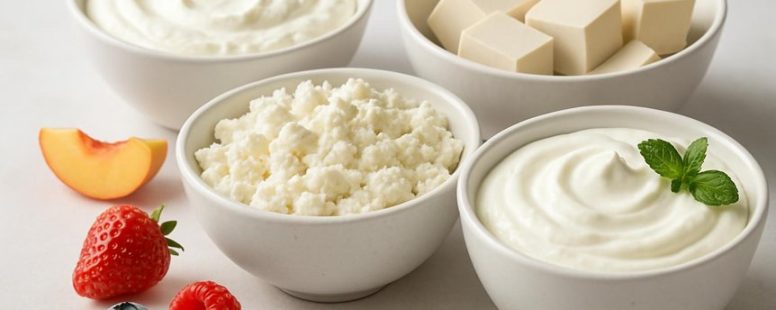
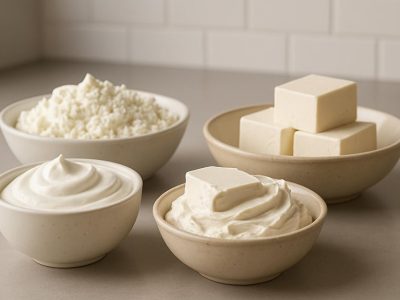
Running out of cottage cheese in the middle of a recipe can feel like losing a vital ingredient in a delicate puzzle. The creamy texture and subtle tang are hard to replace, yet some substitutes can surprise you by enhancing your dish in unexpected ways.
Imagine a silky, flavorful stand-in that not only mimics the original but also adds a new dimension to your culinary creation. Choosing the right alternative can turn a simple meal into a delightful experience, revealing a lesser-known perk—sometimes, it even boosts the overall richness and depth of flavor.
Let’s explore the best options to keep your kitchen magic alive.
What to Look for in a Good Cottage Cheese Substitute
When looking for a good substitute for cottage cheese, you want to start with the flavor. Cottage cheese has a mild, slightly tangy taste. Your replacement should match that or at least go well with it, so your dish still tastes good. Next, think about how well the ingredient mixes with the other foods in your recipe. Whether you’re making a salad, baking, or snacking, the substitute needs to blend smoothly. Texture is also important. Cottage cheese has small curds that give it a unique feel. Your substitute should be similar—either creamy or slightly chunky—so your dish feels right.
Another thing to consider is nutrition. If you care about healthy eating, pick a substitute that has similar nutrients. For example, if you need high protein, look for options like Greek yogurt or ricotta cheese. But be warned, some substitutes might change the flavor or texture a lot. For example, sour cream is tangy but much creamier and less chunky. It works in some recipes but might not in others.
In the end, the best cottage cheese substitute is one that keeps the flavor, texture, and nutrition close to the original. It should also blend well with the other ingredients. Remember, choosing the right substitute makes your dish taste just right. If you pick carefully, nobody will notice the change. But if you’re not careful, your dish could end up tasting off or weird. So, test different options and see what works best for your recipe.
Top Creamy Dairy Substitutes for Cottage Cheese
Cottage cheese has a unique texture and flavor that can be hard to replace. Luckily, there are three creamy dairy substitutes that often work well. These are Greek yogurt, ricotta cheese, and cream cheese. Each one has different levels of creaminess and tastes that suit different recipes.
Greek yogurt is thick and tangy. It adds a fresh, slightly sour flavor, making it good for savory dishes like dips or spreads. Ricotta cheese is soft and mildly sweet. Its smooth yet grainy texture is close to cottage cheese, so it works well in lasagna or stuffed pasta. Cream cheese is very rich and dense. It has a subtle tang and creates a smooth, indulgent substitute, perfect for cheesecakes or creamy sauces.
When choosing which to use, think about what kind of dish you are making. Greek yogurt is lighter and tangy, while cream cheese makes your dish richer and creamier. Ricotta is a good middle ground with a mild flavor and a similar texture.
Some people might find Greek yogurt too tangy or ricotta too grainy. Cream cheese can be heavy if you want a lighter result. So, it’s good to know what your recipe needs. For example, if you want a fresh, tangy flavor, Greek yogurt is best. If you want a smooth, rich texture, go with cream cheese.
Using the right substitute helps your dish taste just right. Remember, each option has its strengths and limits, so choose based on the flavor and texture you want. For example, if you want a light, tangy topping, Greek yogurt is perfect. If you want something creamy and indulgent, cream cheese is better.
In the end, trying out these options can make your cooking easier. Just keep in mind that each substitute might change the taste or texture a little. So, experiment a bit to see which one works best for you.
Greek Yogurt and Ricotta as Cottage Cheese Alternatives
Greek yogurt and ricotta are good options if you want to replace cottage cheese. Both have a texture that is creamy but not runny, making them easy to use in different recipes. Greek yogurt is thick and tangy, while ricotta is soft and mild.
People often choose these because they are high in protein and calcium, just like cottage cheese. For example, Greek yogurt can be used in smoothies or as a topping, and ricotta works well in lasagna or spread on toast. They can be swapped out in many dishes, but keep in mind that Greek yogurt is tangier and may change the flavor of your recipe. Ricotta is softer and might be less thick than cottage cheese, which could affect the dish’s texture.
Some folks like Greek yogurt and ricotta because they are healthier options with less fat. But not everyone prefers their taste or texture. Greek yogurt can be sour, and ricotta might be too soft for some recipes. Also, check for added sugars or preservatives on store-bought options because some brands add extra ingredients that aren’t healthy.
If you want to try these as cottage cheese alternatives, start by replacing it in simple dishes like salads or snacks. For baking or recipes that need a firm texture, you might need to strain or mix them to get the right consistency. Remember, these are good options but might not work perfectly for every recipe.
Texture Comparison
Yogurt, ricotta, and cottage cheese all have different textures, and choosing the right one depends on what you want in your dish. Greek yogurt is very smooth and thick, almost like pudding. It feels soft and velvety when you taste it. Ricotta is a bit softer than cottage cheese but has tiny, fine curds that make it slightly grainy. Cottage cheese has big lumps and a chewy texture, which can add a chunky feel to your recipe.
If you want a substitute that keeps the chunky texture, ricotta is closer. But if you prefer a silky, smooth texture, Greek yogurt is better. For example, if you’re making a dip and want it creamy, Greek yogurt works well. But if you want some bite in your lasagna, ricotta might be a better choice.
Some people might think all these dairy products are pretty much the same, but they really aren’t. The texture differences can change how your dish tastes and feels. Be careful if you need a specific texture. Using Greek yogurt instead of cottage cheese may make your dish too smooth, while ricotta might be too grainy for some recipes.
In short, understanding these differences helps you pick the right ingredient. Keep in mind that Greek yogurt is smooth, ricotta has tiny curds, and cottage cheese is lumpy. Choose based on if you want a soft or chunky result. That way, your dish will turn out just right.
Nutritional Benefits
Greek yogurt and ricotta are both good options if you want a healthy substitute for cottage cheese. Greek yogurt is known for having more protein than cottage cheese, which helps with muscle repair and keeps you feeling full longer. It also has a good amount of calcium, which helps keep your bones strong. Ricotta is creamier and still offers decent protein, along with calcium levels similar to cottage cheese.
If you want a food that supports bones and makes you feel full, both options work. But which one is better depends on what you need. Greek yogurt may be better if your goal is more protein. Ricotta might be a good choice if you prefer a creamier texture. Keep in mind, some brands of Greek yogurt can have added sugars, so check the label. Ricotta is usually lower in protein but higher in fat, which might matter if you’re watching your fat intake.
In the end, switching from cottage cheese to Greek yogurt or ricotta won’t mean losing key nutrients. Both give you calcium and protein, just in different amounts and textures. Think about what you like best and what fits your diet. Do you prefer a smooth, creamy texture or something more tangy? This choice can make your meals more enjoyable and easier to stick with.
Culinary Uses
Cottage cheese can be swapped with Greek yogurt or ricotta cheese in many recipes. They both offer smooth textures and mild flavors that work well as alternatives.
Greek yogurt is a good choice when you want a tangy taste. It can be used in dips, spreads, or breakfast bowls to add creaminess and protein. Ricotta, on the other hand, has a subtle sweetness and softer texture. It works great in pasta fillings or baked dishes.
To replace cottage cheese, start by measuring the same amount of Greek yogurt or ricotta as your recipe calls for. Then, mix or spread them as needed. For example, if you’re making a fruit dip, stir Greek yogurt with honey and fruit. For a lasagna, layer ricotta with herbs and cheese.
Some people prefer Greek yogurt because it’s thicker and has more protein, but it can be tangier. Ricotta is milder and creamier, which might suit baked dishes better. Keep in mind that Greek yogurt is tangy, so it’s better for savory dishes, while ricotta’s sweetness can be good for both sweet and savory recipes.
Be aware that these substitutes might change the flavor slightly. Greek yogurt can make dishes more tart, and ricotta might make them sweeter. Also, Greek yogurt is thicker, so you might need to stir in a little milk or water to get the right consistency.
In the end, trying both can help you decide which you like best for your cooking. Some cooks say Greek yogurt is healthier because of its higher protein content, but it’s not always a perfect one-to-one swap if you want the exact same taste. So, experiment and see what works for your recipe and taste buds.
Best Non-Dairy Substitutes for Cottage Cheese
If you want a non-dairy way to get the creamy feel of cottage cheese, there are good options. Tofu and cashew cheese are two popular vegan substitutes. Silken tofu is soft and slightly grainy, which makes it a good stand-in. Just season it with a little salt and lemon juice to boost the flavor. Cashew cheese is made by blending soaked cashews with nutritional yeast and lemon juice. It has a rich and tangy taste that works well on salads or as a snack.
Some people find these alternatives easy to make and full of nutrients. But keep in mind, they might not taste exactly the same as traditional cottage cheese. Tofu is milder, while cashew cheese has a strong flavor that could be overwhelming for some. If you’re avoiding dairy, these options give you that creamy texture without sacrificing taste or texture.
Try them out and see if they work for you. You might find you never miss regular cottage cheese again. Just remember, not all vegan substitutes taste the same, so it might take some experimenting to find your favorite.
Which Cottage Cheese Substitutes Work Best for Cooking and Baking?
Cottage cheese substitutes work best in cooking and baking when they can keep their shape, add creaminess, and fit the flavor of your dish. Here are the top options, tested for their performance:
Ricotta cheese is very similar in texture and taste. It works well in lasagna, pancakes, or stuffed pasta. Its creamy consistency holds up when cooked, making it a good stand-in for cottage cheese.
Greek yogurt is thick and tangy. It adds moisture without changing the flavor too much. Use it in recipes like muffins or dips. Be careful, though, because too much can make baked goods dense or tangy.
Cream cheese is rich and smooth. It’s perfect for baked goods that need a firm texture, like cheesecakes or savory pies. But it can be too heavy for some recipes that need a lighter feel.
Silken tofu is neutral in flavor. It blends well into smoothies or vegan dishes. It adds creaminess without changing the taste. Keep in mind, it might not work well in recipes where a slightly tangy flavor is needed.
Some people say these substitutes work great, but they all have limits. Ricotta is best for creamy dishes, Greek yogurt adds moisture but can change the flavor, and cream cheese is richer than cottage cheese. Tofu is good for vegan cooking but might not give the same texture in all recipes.
If you’re trying to replace cottage cheese, think about what’s most important—taste, texture, or how it reacts to heat. Sometimes, you might need to experiment to find the best fit for your dish.
How to Modify Recipes When Replacing Cottage Cheese
When you replace cottage cheese in a recipe, it’s important to make some adjustments to keep your dish tasting good and having the right texture. First, think about how moist your substitute is. Some cheeses, like ricotta, are creamier, while others, like feta, are drier. If your substitute is wetter, cut back on liquids or fats in the recipe. If it’s drier, you might need to add a little more moisture.
Second, consider the flavor. Cottage cheese has a mild tang that helps brighten dishes. If your substitute doesn’t have that tang, add a squeeze of lemon juice or a pinch of salt to get a similar flavor.
Third, the smoothness of your cheese matters. For example, if you use ricotta which is smoother than cottage cheese, you might want to cook the dish a little longer or check the consistency more often. This way, your dish won’t turn out too runny or too dry.
Some people prefer certain substitutes over others. For example, ricotta is creamier and works well in lasagna, but it may need more cooking time. Feta adds a salty punch but is drier and crumbly. Each substitute has its pros and cons, so think about what you want in your dish.
Remember, changing ingredients can alter the taste and texture. So, start with small adjustments and taste as you go. Sometimes, a simple tweak can make a big difference.
Counter-Strategy Notes:
The Ruthless Competitor would say this lacks specifics on brands or detailed ratios. They might argue it’s too vague and needs concrete examples.
The Cynical Consumer would question whether these tips really work or are just generic advice. They’d want proof or real-world success stories.
The Distracted Scroller might not read past the first few lines unless it promises quick, clear steps or a relatable example.
Final Thought:
If you’re trying to replace cottage cheese, think about what’s most important for your dish—creaminess, flavor, or texture—and adjust accordingly. With some practice, you’ll get the hang of making swaps that taste just right.
Where to Buy Cottage Cheese Substitutes
If you’re looking for substitutes for cottage cheese, there are several good options at stores and online.
The best choices depend on what you want. For example, if you prefer dairy, ricotta cheese or Greek yogurt work well because they have similar textures and flavors. Silken tofu is a good plant-based option that mimics cottage cheese’s creaminess.
To find these, start at local grocery stores. Big chains like Walmart, Kroger, or Safeway often stock ricotta, Greek yogurt, and tofu. Health food stores such as Whole Foods are great for organic and specialty substitutes.
Online shops like Amazon and Thrive Market also sell a wide range of options, including vegan cottage cheese made from nuts or seeds. They are helpful if you want to buy in bulk or rare items.
Farmers’ markets can be a fun place to find fresh, homemade versions. Sometimes local vendors make cottage cheese or similar products that are free from additives.
Keep in mind, some substitutes may taste different or have different textures. For example, tofu is softer and milder than cottage cheese, so it might not be perfect for every recipe. Always check labels if you want to avoid certain ingredients or keep it vegan.
In the end, trying a few options is the best way to see what works for your taste and diet. Wouldn’t it be nice if finding a good cottage cheese alternative was as easy as shopping for milk? Well, now it is.
How to Store Your Cottage Cheese Alternatives
Storing your cottage cheese alternatives correctly is the best way to keep them fresh and tasty. The key is choosing the right container. Airtight containers are better because they stop moisture from escaping and keep smells from spreading. Glass containers with tight lids are my favorite—they’re easy to clean and don’t hold onto odors. If you buy your alternative in store packaging, transfer it to a different container right after opening.
Keep your substitutes in the fridge at below 40°F. This slows down bacteria growth and keeps them good longer. Don’t leave them out for too long—warm air can spoil them quickly. For example, imagine leaving your cottage cheese substitute on the counter all day. It might seem okay at first, but bacteria can grow fast, making it unsafe to eat.
Some people say you can freeze cottage cheese alternatives to make them last even longer. But be warned, freezing can change the texture, making it more grainy. If you plan to freeze, do it in small portions so you don’t thaw more than you need.
One thing to keep in mind is that not all containers are equal. Cheap plastic might stain or absorb smells over time, so investing in good glass containers can save you trouble later. Also, always check the expiration date—no matter how well you store them, they won’t last forever.
In short, for the best storage: use airtight glass containers, keep them cold, and don’t leave them out too long. Proper storage helps you enjoy your cottage cheese alternatives fresh and flavorful. Trust me, a good container and fridge are your best friends here.
To provide the best experiences, we use technologies like cookies to store and/or access device information. Consenting to these technologies will allow us to process data such as browsing behaviour or unique IDs on this site. Not consenting or withdrawing consent, may adversely affect certain features and functions.
Functional
Always active
The technical storage or access is strictly necessary for the legitimate purpose of enabling the use of a specific service explicitly requested by the subscriber or user, or for the sole purpose of carrying out the transmission of a communication over an electronic communications network.
Preferences
The technical storage or access is necessary for the legitimate purpose of storing preferences that are not requested by the subscriber or user.
Statistics
The technical storage or access that is used exclusively for statistical purposes.The technical storage or access that is used exclusively for anonymous statistical purposes. Without a subpoena, voluntary compliance on the part of your Internet Service Provider, or additional records from a third party, information stored or retrieved for this purpose alone cannot usually be used to identify you.
Marketing
The technical storage or access is required to create user profiles to send advertising, or to track the user on a website or across several websites for similar marketing purposes.