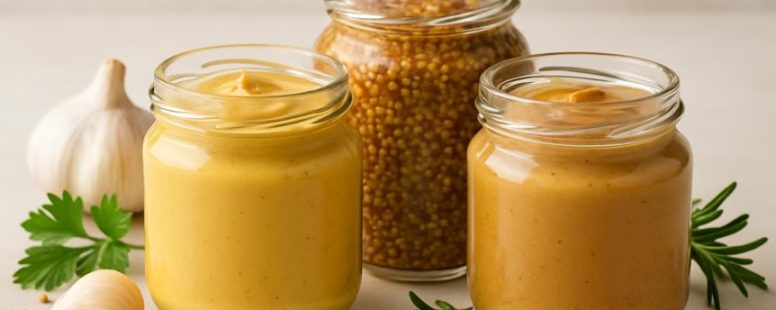
When a recipe calls for Dijon mustard and your jar is empty, do you ever wonder if there’s a secret ingredient or trick to replace that distinctive tang and silky texture? Dijon’s unique blend of zesty sharpness and smoothness is like a culinary signature—hard to replicate exactly.
Yet, with a little ingenuity, you can find substitutes that come surprisingly close, adding a burst of flavor that elevates your dish. Choosing the right alternative isn’t just about flavor; it’s about balancing texture and how it melds with other ingredients—like a conductor guiding an orchestra.
One lesser-known perk of some substitutes is that they can even enhance the dish’s complexity, bringing new layers to your palate. It’s like swapping a familiar tune for a fresh remix—still delightful, but with an exciting twist.
What Makes Dijon Mustard So Special?
Dijon mustard is a type of mustard known for its sharp, tangy flavor and smooth texture. It gets its name from the French city of Dijon, where it was first made. The key to its taste is the way mustard seeds are mixed with white wine or verjuice, a sour juice from unripe grapes. This gives Dijon mustard its distinctive bite and rich flavor.
Many people love how Dijon mustard can make dishes taste better without taking over. It is very versatile and can be used in many ways. For example, you can add it to salad dressings, marinades, sandwiches, and sauces. Some brands like Grey Poupon are famous for their Dijon mustard and are often found in grocery stores.
What makes Dijon mustard so special is its perfect balance of heat and acidity. This combination adds depth to recipes and helps bring out other flavors. However, some people find it too sharp or tangy for their taste. That is why it is good to try different brands to find the one you like best.
Some cooks say that Dijon mustard is a must-have in the kitchen because of its history and flavor. Others warn that not all Dijon mustards are the same, so reading labels carefully helps you pick the best one. Whether you like it mild or spicy, Dijon mustard can add a touch of elegance to many meals. Next time you cook, think about how this small jar can make your food taste better with just a little squeeze.
How to Choose the Best Dijon Mustard Substitute
The best way to find a good Dijon mustard substitute is to understand what makes Dijon special. Dijon mustard is known for its tangy, sharp flavor that adds a punch to dishes. When choosing a replacement, you should look for something that matches this tangy kick. For example, yellow mustard is milder but can work in a pinch, while whole grain mustard offers a similar texture and flavor.
Next, think about what ingredients you have at home. Do you have honey, vinegar, or horseradish? These can help mimic Dijon’s tang. For instance, mixing yellow mustard with a little vinegar and honey can create a similar taste. If you want a more intense flavor, horseradish or spicy brown mustard might be the way to go.
Some people prefer to use different options depending on what they’re cooking. For salads or sandwiches, mild mustard might be fine. But for recipes like vinaigrettes or marinades, you might want something with a stronger, sharper taste.
Remember, no substitute will be exactly like Dijon. Some might be milder or spicier, so you might need to adjust the amounts. Also, keep in mind that some substitutes may change the texture or appearance of your dish. For example, whole grain mustard will add a bit of crunch, unlike smooth Dijon.
In the end, choosing a Dijon mustard substitute depends on what flavor you want, what ingredients you have, and how the dish will turn out. Sometimes, experimenting a little is the best way to find what works for you. Would you like to try several options to see which one you like best?
Flavor Profile Comparison
Mustard varieties can taste quite different, even if they all have that tangy kick. When choosing a substitute for Dijon mustard, it’s key to compare their flavors. Some mustards work better in certain dishes than others. For example, spicy brown mustard has a rougher texture and a stronger, slightly smoky flavor, which makes it good for hearty meals like roasted meats. Yellow mustard is milder and simpler, perfect for sandwiches or salad dressings. Regional mustards like German or English types have more heat and tang, which can change the flavor of your recipe.
Knowing these differences helps you pick the right substitute. If you want a similar flavor but a different texture, spicy brown might be best. If you need something mild, yellow mustard will do. But beware — not all substitutes taste the same, and some can overpower a dish if you’re not careful. For example, English mustard can be very hot, so use less of it if you’re sensitive to spice.
In short, comparing flavor profiles helps you choose the best mustard substitute for your recipe. Think about what kind of taste and heat level you want. Sometimes, a simple swap can change your dish completely, so it’s worth testing small amounts first.
Ingredient Availability Considerations
Mustard substitutes mainly depend on what you can find easily in stores. If you don’t have Dijon mustard, choose an alternative that’s available nearby. Yellow mustard and spicy brown mustard are good options because they are usually in every supermarket all year round. They work well in most recipes. If you want a tangy flavor, horseradish or wasabi might be good choices, but check if you can buy them easily first.
Some ingredients, like special mustards or fresh herbs, might only be available during certain seasons. For example, fresh horseradish is hard to find in winter. Using ingredients that are always in stock makes cooking simpler and less frustrating.
However, some people prefer certain mustards for their taste. Yellow mustard is milder, while spicy brown has more heat. If you need a stronger flavor, spicy brown or horseradish could be better. But keep in mind, not all substitutes taste exactly the same. Sometimes, you may need to try a few options before finding the one you like best.
Using ingredients that are easy to find saves you time and stress. It also helps keep your recipe simple. Do you have mustard in your pantry right now? If not, pick what’s available and experiment to see what works best for your dish.
Best Vinegar-Based Dijon Mustard Alternatives
Vinegar-based Dijon mustard alternatives are a good choice if you want a similar tangy flavor without using actual Dijon. These substitutes are easy to make and give you control over the level of sharpness in your food.
White wine vinegar, apple cider vinegar, and sherry vinegar are popular options. They have a bright acidity that mimics Dijon’s tang. For example, you could mix a small amount of vinegar with mustard powder or horseradish to get a flavor close to Dijon. This way, you can adjust the acidity to match your taste and avoid overpowering your dish.
Some people worry that these alternatives might not taste exactly the same. While they work well for many recipes, they might lack the complex flavor of Dijon mustard. Also, using too much vinegar can make your dish too sour. It’s best to start small and taste often as you mix.
If you want a quick fix, try blending equal parts vinegar and mustard powder. Let it sit for a few minutes so flavors combine. This is a simple way to get that sharp, tangy taste without Dijon.
However, keep in mind that vinegar-based alternatives don’t always have the same creamy texture or depth as Dijon. Some cooks prefer actual Dijon for its smoothness and unique flavor. But for many recipes, vinegar substitutes can give a fresh zing and save you a trip to the store.
In the end, experimenting with different vinegars can help you find a good match for your dishes. Just be careful not to add too much and ruin the balance. Whether you’re making a salad dressing or a marinade, these vinegar options can keep your meal flavorful and interesting.
Yellow Mustard as a Dijon Substitute
Yellow mustard can sometimes replace Dijon mustard in recipes, but it doesn’t taste the same. Yellow mustard is a common, inexpensive condiment that has a bright, tangy flavor. It’s milder and less spicy than Dijon, making it a quick fix when you don’t have Dijon on hand. For example, if you’re making a salad dressing or a sandwich, yellow mustard can add a nice zing without overpowering other flavors.
However, yellow mustard lacks the smooth, slightly spicy, wine-infused notes that make Dijon special. So, it won’t give you the same depth of flavor. If your recipe needs that subtle complexity, yellow mustard might fall short. Sometimes, using yellow mustard can change the taste of your dish unexpectedly. It’s good for a simple, tangy kick but not for dishes that rely on the fancy, layered flavor of Dijon.
If you want a similar flavor but don’t have Dijon, consider mixing yellow mustard with a splash of white wine or vinegar. That can help mimic some of Dijon’s unique taste. Keep in mind, yellow mustard is great when you want a quick, easy substitute, but it’s not a perfect match. For the best results, use Dijon if you can, especially in recipes where flavor matters a lot.
Creamy Dijon Mustard Substitutes That Mimic Texture
Dijon mustard is known for its smooth, creamy texture along with its sharp flavor. If you don’t have Dijon on hand, you can use other ingredients to get a similar feel. Here are some good substitutes that mimic both the flavor and texture.
Yellow mustard can replace Dijon in a pinch, but it often doesn’t have the same silky smoothness. To fix this, try mixing yellow mustard with mayonnaise or Greek yogurt. This creates a creamy texture that feels similar to Dijon. The tangy taste stays, but the mouthfeel becomes richer and smoother. For example, in salad dressings or dips, this combo works well. It’s simple and quick to make.
Another good option is blending prepared spicy brown mustard with a little sour cream. This mix gives you the bold flavor of spicy mustard with a creamy texture. It’s perfect for sauces or sandwiches where Dijon’s smoothness is needed. Just mix equal parts and adjust to taste.
Some people warn that these substitutes may not work in every recipe. For example, if a dish needs the exact tang of Dijon or a very smooth texture, these might fall short. Also, keep in mind that adding mayonnaise or sour cream can change the flavor slightly, so taste as you go.
On the other hand, some say these are the best quick fixes when you’re out of Dijon. They’re easy to prepare and can save a recipe from being ruined. Just remember, they won’t be exactly the same, but they come close enough for most everyday cooking.
Next time you run out of Dijon, try these options and see which one fits your dish best. They’re simple, flexible, and can save you from a last-minute grocery run.
When Should You Use Horseradish or Wasabi as Dijon Mustard Replacements?
Horseradish and wasabi are not the same as Dijon mustard. They are both spicy roots that add heat and tang, but they do it differently. Horseradish has a sharp, pungent flavor that works well in sauces or dressings, especially with beef or roasted vegetables. Wasabi has a cleaner, more intense heat that pairs perfectly with sushi or seafood.
People use these roots as replacements when they want more spice and tang but do not need the smooth, mellow flavor of Dijon mustard. For example, if you want a bold kick in your salad dressing, horseradish is a good choice. If you’re making a Japanese-inspired dish, wasabi can give it that authentic spicy note.
However, both horseradish and wasabi are stronger and more direct in flavor than Dijon mustard. They can overpower dishes that need a milder, smoother taste. So if your recipe calls for Dijon to add a subtle, creamy flavor, these roots might not be the best substitute.
In summary, use horseradish or wasabi when you want to boost spice and tang in your recipes. But be careful, because they don’t mimic Dijon mustard’s smoothness. They are best for adding sharp heat, not for replacing the mellow character of Dijon.
Sources like the American Heart Association suggest that horseradish can be a healthy addition to meals because it contains antioxidants. But remember, too much of these spicy roots can overwhelm your dish, so start small and taste as you go.
Flavor Boosters to Enhance Mustard Substitutes
If your mustard substitute tastes dull or flat, there are simple ways to make it better. First, adding a splash of vinegar or lemon juice can brighten the flavor, giving it a sharper, fresher taste. For example, a teaspoon of apple cider vinegar can make a big difference.
Next, spices and fresh herbs like black pepper, paprika, or chopped parsley can give your mixture a little extra flavor punch. Imagine stirring in a pinch of garlic powder or fresh dill—these small touches can turn plain into flavorful.
Sometimes, a little sweetness helps balance the acidity and spice. Adding a small spoon of honey or sugar can smooth out the flavor and make it taste more rounded. This trick works well if your substitute feels too tangy or bitter.
However, be careful not to overdo it. Too much vinegar or sugar can overpower the other flavors, making your mix taste off. It’s best to add small amounts, taste, and then adjust.
Some people prefer a more intense flavor, like adding mustard powder or hot sauce, while others like it mild and simple. Trying different combinations can help you find what works best for your taste buds.
Adding Acidic Elements
Acidic elements are a simple way to make a mustard substitute taste closer to real Dijon mustard. These acids add a bright, tangy flavor that cuts through rich ingredients and makes the dish more flavorful.
Vinegar and lemon juice are the most common acids used. Different types of vinegar give different tastes. For example, apple cider vinegar has a mild, fruity flavor, while white wine vinegar adds a subtle, wine-like taste. Lemon juice gives a fresh, zesty punch that can lift the whole dish. Lime juice is another option if you want a slightly tropical twist.
Here’s how to use these acids effectively. Start with a small amount, taste, and then add more if needed. For example, squeeze a teaspoon of lemon juice into your mustard or mixture and see how it tastes. Repeat until you get the bright flavor you want. Be careful not to add too much at once because acids can quickly overpower the dish.
Some people prefer vinegar because it adds acidity without changing the texture much. Others like lemon juice for its fresh flavor. But remember, too much acid can make your dish too sour or bitter. A good rule is to start slow and adjust.
If you want a quick boost, just mix a little apple cider vinegar or lemon juice into your mustard substitute. It’s a simple trick that can make a big difference. But if you’re aiming for a very close match to Dijon mustard, you might need to experiment with different acids to find the right balance.
Some folks say acids are the secret to making a good substitute, but others warn they can easily ruin the flavor if overdone. So, try small amounts first and taste often. Remember, acids are helpful but need to be used carefully.
In the end, acids like vinegar and lemon juice are easy ways to improve your mustard substitute and make it taste more like the real thing. Just keep in mind that too much can ruin the flavor, so go slow and taste as you go.
Incorporating Spices And Herbs
Mustard gets its strong flavor from a mix of spices, so adding herbs and spices can turn a bland substitute into something tasty. If you want a Dijon-style flavor without actual Dijon mustard, start with spices like turmeric, paprika, and a little cayenne pepper. These give warmth and a tangy taste similar to Dijon. You can also add dried herbs like tarragon or thyme to bring in a fresh and complex flavor that Dijon usually has.
To do this well, follow a few simple steps. First, taste your mixture as you go. Add small amounts of spices and herbs so you don’t overpower the mix. For example, start with one teaspoon of turmeric and paprika, then add a pinch of cayenne. Stir well and taste again. If it needs more depth, add a little dried tarragon or thyme. Keep experimenting until the flavor is just right.
Some people worry about getting the balance wrong. Too much spice can make the substitute too spicy or bitter. Too little and it won’t taste like Dijon at all. The key is to layer flavors carefully and taste often. This way, your homemade mustard substitute will taste rich and vibrant, almost like the real thing.
Using Sweeteners For Balance
Sweeteners are a simple way to make your mustard substitute taste better. If you add a little sweetness, it can balance out the sharpness and acidity. Using the right type of sweetener makes a big difference. Here are some common choices:
Honey: Adds natural sweetness and a light floral flavor. It’s a good pick if you want a gentle, natural taste.
Maple syrup: Brings a rich, earthy sweetness that can deepen the flavor.
Agave nectar: Offers a mild, neutral sweetness that doesn’t overpower other flavors.
Brown sugar: Gives a caramel-like taste, making your mustard richer and warmer.
Some people say experimenting with these sweeteners can turn a bland mustard into something lively and tasty. A small amount often makes a big difference, so start with a little and add more if needed. Remember, too much can make it too sweet or mask other flavors. So, taste as you go. Would you prefer something more natural or more neutral? Both options work, but each has its own effect. Try different sweeteners to find what you like best.
How to Make a Quick Homemade Dijon Mustard Substitute
Dijon mustard is a tangy, smooth yellow condiment often used in recipes and sandwiches. If you don’t have it, you can make a quick substitute at home with simple ingredients.
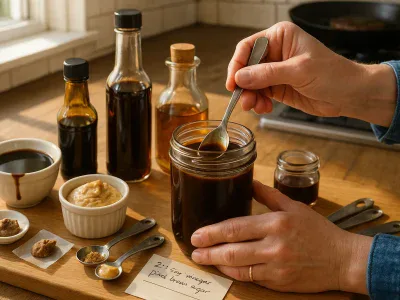
To do this, mix yellow mustard powder with a splash of white wine or white wine vinegar. This helps mimic Dijon’s sharp flavor. Add a pinch of garlic powder for extra flavor and a little water to make it smooth. Stir everything together until it looks like the real thing. You can change the amount of vinegar or wine to make it more or less tangy, depending on what you like.
This homemade mustard comes together really fast and is a good option when you need Dijon quickly. It’s not exactly the same but close enough for most recipes. Just keep in mind that it might be a little less creamy or a bit more vinegar-tasting than store-bought Dijon. Some people say it works well in dressings, marinades, or on sandwiches.
If you want a stronger flavor, add a little more mustard powder. If it’s too sharp, a tiny bit more water can help. But remember, this is a quick fix — it won’t replace the real thing if you need authentic Dijon for fancy dishes.
This simple trick is great for busy days or when you’re out of Dijon. Give it a try next time you want a quick mustard boost!
Best Dijon Mustard Substitutes for Salad Dressings
Dijon mustard is popular for salad dressings because it adds tang, spice, and a smooth texture. But if you run out of Dijon, you need good substitutes that can give similar flavor without overwhelming the other ingredients. Here are some options that work well:
Yellow Mustard: This is the most common substitute. It’s milder than Dijon but still gives a tangy flavor. It’s a good choice if you want a simple mustard taste without too much heat.
Honey Mustard: Mixing honey with mustard makes a sweet and tangy combo. It’s perfect for creamy dressings, especially if you want a touch of sweetness to balance the acidity.
Spicy Brown Mustard: This mustard has a grainy texture and a spicy punch. It’s a good pick if you want a bolder flavor that’s a little more complex than Dijon.
Wasabi Paste: If you like heat, wasabi can mimic the spicy kick of Dijon. Use only a small amount because it’s strong and can quickly overpower your dressing.
Some people like to experiment with these options, but keep in mind they might not taste exactly like Dijon. Yellow mustard is milder, so it’s safe for those who prefer less spice. Honey mustard adds sweetness, which can change the dressing’s flavor profile. Spicy brown is more intense, so use sparingly. Wasabi gives a different kind of heat that’s sharper and more pungent.
If you’re making a salad dressing, start by adding a small amount of your substitute and taste as you go. That way, you can adjust and find what works best for your taste buds. Remember, some substitutes might change the color or texture, so pick the one that best fits the look and feel you want.
Sources like food experts and cooking websites agree that these substitutes can work well in most salad dressings. But always test first, especially with strong flavors like wasabi. Some people love the spicy burst, while others find it too overpowering for their delicate salad flavors.
How to Tweak Recipes When You Swap Out Dijon
When you swap out Dijon mustard in a recipe, you should adjust the flavor to keep your dish tasting good. Dijon is known for its strong, tangy flavor, so other mustards or substitutes might be milder or more sour. To get it right, start by tasting the new ingredient and see how it compares to Dijon.
Next, think about the acidity. Some substitutes, like yellow mustard, are less tangy, so you might want to add a splash of lemon juice or vinegar to match the brightness. If your recipe calls for a lot of Dijon, you may need to use a little more of the substitute to get the same flavor punch.
You also need to tweak the texture. Dijon is smooth and creamy, so if you’re using a different mustard or substitute, check if it’s thick or thin. You can adjust by adding a bit of water, oil, or even honey to match the original consistency.
Some people swear by honey mustard as a good replacement, while others prefer spicy brown mustard. Keep in mind that different brands like Grey Poupon or French’s can have slightly different flavors, so choose your substitute accordingly.
In the end, tasting as you go is the best way to make sure your dish turns out just right. Remember, small adjustments can make a big difference, so don’t be afraid to experiment a little. Just watch out for overdoing it — sometimes, too much of a substitute can change the dish more than you want.
Adjusting Flavor Intensity
Adjusting Flavor Intensity
Dijon mustard can be swapped with other options, but it might change how your dish tastes. To keep the flavor just right, you can adjust the amount and add other ingredients. Here’s how to do it:
Start with a small amount of the substitute and add more little by little. This helps prevent the flavor from becoming too strong.
Add a pinch of spices like cayenne pepper or smoked paprika if you want more heat.
Mix in a small spoon of honey or sugar to soften sharp or sour flavors.
Combine your substitute with a little mild vinegar or lemon juice to get a similar flavor to Dijon mustard.
Some people prefer milder substitutes, while others want a spicy kick. Both choices work, but keep in mind that changing the amount or ingredients can affect the taste. For example, adding too much cayenne can make the dish too spicy, and too much sugar might make it too sweet. So, taste as you go and find what works best for you.
Remember, adjusting flavors takes practice. Don’t be afraid to experiment a little. If you want a recipe that keeps its original flavor, sticking with Dijon is best. But if you’re looking for a different twist, these tips can help you make the swap work nicely.
Counter-strategies and notes:
The Ruthless Competitor might argue that this advice is too generic and doesn’t specify which substitutes work best or how to measure them accurately.
The Cynical Consumer might think this sounds like just guesswork without real examples or proven results.
The Distracted Scroller will want quick, clear tips without too much detail, maybe even just a one-liner.
Revised version:
Adjusting flavor intensity when swapping Dijon mustard is easy once you know the trick. The key is to start small and taste often. For example, if you use spicy mustard or horseradish instead, add a little at first and then taste before adding more. If the flavor is too sharp, mix in a tiny bit of honey or sugar to balance it out. Want more tang? Mix in a splash of vinegar or lemon juice. Remember, too much spice or sugar can change your dish fast, so go slow. Some people like their food mild, others like it fiery. Try different amounts and see what you prefer. It takes a little practice, but soon you’ll get the hang of adjusting flavors to suit your taste.
Balancing Acidity Levels
Dijon mustard adds a sharp, tangy flavor to dishes. If you want to replace it, you need to adjust other ingredients that are acidic, like vinegar or lemon juice. First, think about how much acidity is in your recipe. To keep the flavor balanced, you can cut back on vinegar or lemon juice when swapping out Dijon.
Sometimes, adding a small amount of milder acid, like white wine vinegar, can help mimic the sharpness without making the dish too sour. A quick trick is to add a tiny splash at a time and taste as you go. Another way to soften acidity is to add a little honey or sugar. These sweeteners help balance out harsh flavors and make the dish taste smoother.
A good tip is to taste often while adjusting. Remember, the goal is to keep the dish bright and flavorful without letting the acidity take over. Be careful not to add too much of anything at once, or you might end up with a dish that’s too sour or too sweet.
Some cooks prefer to skip Dijon altogether and use other ingredients like mayonnaise or yogurt, which are less tangy. But keep in mind, these may change the texture or overall flavor. So, whether you choose to replace Dijon or adjust your acid levels, do it gradually and taste frequently. This way, you can create a dish with a nice, balanced tang that’s just right.
Modifying Texture Consistency
Balancing acidity is only one part of replacing Dijon mustard. Texture also matters a lot because it affects how the dish tastes and feels. When you change Dijon, adjusting the texture can help keep the right mouthfeel and make ingredients blend well.
Here are some steps you can follow: First, if your substitute is chunkier than Dijon, try blending or chopping it very fine so it feels smooth. If it’s too thick, add a little water or vinegar to make it runnier. To make it creamier, stir in some oil or mayonnaise. Sometimes, changing how long you cook the dish can help ingredients come together better if the texture is different.
For example, if you use a thicker mustard, cooking a minute longer can help it mix in smoothly. If your substitute is more liquid, add a bit more thickening agent like breadcrumbs or a small spoon of honey. These small tweaks help keep your dish tasting balanced and looking just right, even without Dijon mustard.
Some people might prefer a chunkier texture for more bite, but it can make the dish seem less smooth. Others might find thin substitutes too watery and need extra thickening. Both ways work, but remember, small changes can make a big difference.
Just be careful. Too much water can make your dish watery, and too much thickener can change the flavor. Experiment a little and taste as you go. This way, you can enjoy a dish that has the right feel and flavor even without Dijon.
To provide the best experiences, we use technologies like cookies to store and/or access device information. Consenting to these technologies will allow us to process data such as browsing behaviour or unique IDs on this site. Not consenting or withdrawing consent, may adversely affect certain features and functions.
Functional
Always active
The technical storage or access is strictly necessary for the legitimate purpose of enabling the use of a specific service explicitly requested by the subscriber or user, or for the sole purpose of carrying out the transmission of a communication over an electronic communications network.
Preferences
The technical storage or access is necessary for the legitimate purpose of storing preferences that are not requested by the subscriber or user.
Statistics
The technical storage or access that is used exclusively for statistical purposes.The technical storage or access that is used exclusively for anonymous statistical purposes. Without a subpoena, voluntary compliance on the part of your Internet Service Provider, or additional records from a third party, information stored or retrieved for this purpose alone cannot usually be used to identify you.
Marketing
The technical storage or access is required to create user profiles to send advertising, or to track the user on a website or across several websites for similar marketing purposes.