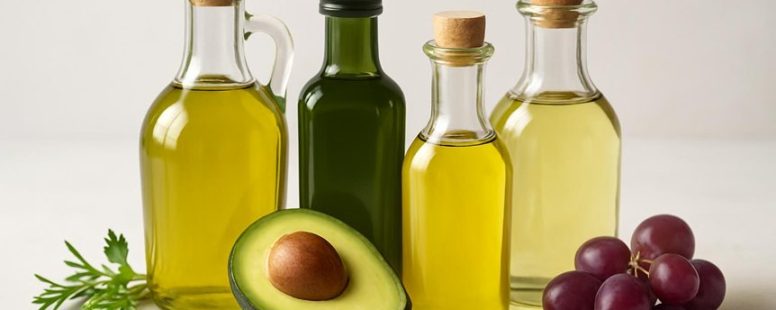
Imagine your kitchen as a stage, and coconut oil as the flamboyant star shining with tropical flair. Its rich aroma and silky texture make every dish feel like a vacation.
But beneath the glamour lies a question: what’s the best substitute when you want a healthier or more heat-tolerant option?
Swapping ingredients isn’t just about replacing—it’s about finding a match that complements your flavor, boosts your health, and suits your cooking style.
Surprisingly, some alternatives can even enhance your dish’s nutritional profile while adding new layers of taste and aroma.
Choosing the right substitute transforms your culinary adventure into a journey of discovery.
Key Qualities to Consider in Coconut Oil Substitutes
Coconut oil is popular because it offers health benefits and works well in many recipes. But if you need a substitute, you must pick one that matches what coconut oil does best. The most important qualities are nutrition, heat tolerance, and flavor. A good substitute should have healthy fats, antioxidants, and be able to handle cooking at high temperatures. For example, if you bake or sauté, the oil needs a high smoke point so it doesn’t burn or smoke too much. Also, the flavor should not change your dish too much. Some oils taste very different from coconut oil, so think about whether you want a neutral or stronger flavor.
There are different options for coconut oil substitutes. For healthy fats and antioxidants, options like olive oil or avocado oil are good choices. They have similar health perks and are good for dressings, sautéing, or baking. But, olive oil has a lower smoke point, so it’s better for cold dishes or low-heat cooking. Avocado oil can handle higher heat, making it a solid choice for frying or roasting. On the other hand, butter or ghee can be used if you want a richer taste, but they lack some of the health benefits of oils with healthy fats. Keep in mind that these substitutes may change the flavor of your dish, so it’s good to test small amounts first.
Some people might say, “Why not just stick with coconut oil?” Well, if you have allergies, dislike the taste, or want a different nutritional profile, choosing the right substitute is key. Others may worry about smoke points; for example, using unrefined oils at high heat can cause smoking and flavor changes. It’s also worth noting that no substitute will match coconut oil exactly in flavor or health benefits. So, know what matters most for your recipe—whether it’s health, taste, or heat resistance—before picking your alternative.
Sources: Harvard School of Public Health recommends using oils with healthy fats for cooking, and the American Heart Association suggests considering smoke points when choosing oils. Testing different options helps find the best fit for your needs and recipes.
Best Plant-Based Coconut Oil Substitutes
When you need a plant-based alternative to coconut oil, the best choices are olive oil, avocado oil, and sunflower oil. These oils are popular because they each have unique health benefits. To pick the right one, think about what you need—like flavor, cooking method, or nutritional value.
Olive oil is a good option because it is rich in healthy fats and antioxidants. It’s great for salad dressings and low-heat cooking. But if you need an oil for high-heat frying, avocado oil might be better because it can handle higher temperatures without breaking down. Sunflower oil is also good for frying and baking, and it has a mild flavor that won’t change your dish much.
Some people worry about the health of these oils. For example, extra virgin olive oil is very healthy but can spoil if not stored properly. Avocado oil offers more stability at high heat, but it can be more expensive. Sunflower oil is affordable but sometimes highly processed, which reduces its nutritional value.
Think about your cooking style. Do you want a neutral flavor or something more robust? Are you cooking at low or high heat? These questions can help you choose the best oil. Remember, no oil is perfect. Every substitute has some limitations, so it’s good to use a variety.
In the end, the best plant-based coconut oil substitute depends on what you value most—whether it’s flavor, health benefits, or cooking needs. Just keep in mind that reading labels and understanding the smoke point can help you pick the right oil for your kitchen.
Popular Plant-Based Alternatives
Coconut oil is popular, but many plant-based oils can work just as well for cooking and baking. These oils are often healthier and better for the environment.
Olive oil is a good choice because it has antioxidants that support heart health. Avocado oil is also healthy and has a mild flavor that fits many recipes. Sunflower oil is light and versatile, making it a great all-purpose oil.
Compared to coconut oil, these oils usually have a smaller environmental impact. Growing coconuts can cause ecological issues in tropical areas, while olives, avocados, and sunflowers grow in different regions with less concern.
If you want to switch from coconut oil, these plant-based options are smart and sustainable. They do not sacrifice flavor or health benefits. However, keep in mind that some oils have different smoke points. For example, olive oil is best for low to medium heat, while sunflower oil can handle higher temperatures.
In the end, choosing the right oil depends on your recipe and health goals. These options can help you cook well while being kind to the planet.
Nutritional Comparison Highlights
Coconut oil is high in saturated fat, which many health experts suggest limits. If you’re thinking about switching to other plant-based oils, here are some good options to consider.
Olive oil is known for being rich in monounsaturated fats. These fats can help support your heart health. People often use olive oil in salad dressings or for sautéing vegetables. It’s a versatile oil that adds flavor and nutrients.
Avocado oil also has healthy fats, including omega fatty acids. It’s great for high-heat cooking because it has a high smoke point. You can use it for frying or roasting, and it gives your food a mild, buttery flavor.
Grapeseed oil has a neutral taste, so it won’t change the flavor of your dishes. It contains antioxidants that may be good for your health. This oil works well for baking or salad dressings, especially if you want a subtle taste.
Compared to coconut oil, these options usually have less saturated fat. That can be better for your heart in the long run, but some oils may be more expensive or have a stronger flavor.
Choosing the right oil depends on what you’re cooking and your health goals. For example, if you want a light flavor and high heat cooking, avocado oil might be best. If you prefer a mild taste for salads, grapeseed oil could be a good pick.
Switching oils isn’t just about fats — it’s about finding options that fit your needs. Remember, even healthy oils add calories, so use them wisely. Think about what your meals need and pick the oil that suits your taste and health best.
Nut and Seed Oils as Coconut Oil Substitutes
Nut and seed oils are good options if you want a coconut oil substitute. They often have similar textures and can add richness to your recipes.
Nut oils like almond or walnut have a mild, nutty flavor and are creamy. These oils are healthy because they contain good fats and can make baked goods or sautés taste richer. For example, almond oil can give cookies a subtle nutty flavor, just like coconut oil. But they may be more expensive and have a stronger taste, so think about if that fits your dish.
Seed oils such as sunflower or sesame oil are lighter but still add moisture. They are high in vitamin E and antioxidants, which are good for your health. These oils work well in dressings, stir-fries, or baked items. For instance, sesame oil can add a nutty flavor to Asian dishes, but it might be too strong if you use too much.
Some people prefer nut and seed oils because they are more natural and less processed than coconut oil. However, a drawback is that they may not firm up like coconut oil does when cooled, which could be a problem for certain recipes like frosting or pie crusts. Also, nut allergies are a concern for some folks, so always check labels.
If you want to try these oils, start by replacing coconut oil in small amounts and see how the flavor and texture turn out. Experiment with different types to find what works best for your cooking style. For example, use sunflower oil for a light, neutral option or walnut oil if you want a stronger nutty taste. Keep in mind that some oils can go rancid faster, so store them in a cool, dark place.
Butter and Animal Fats as Coconut Oil Substitutes
Butter and animal fats are good options if you want to replace coconut oil in cooking and baking. They often have a richer flavor and can help give your dishes the right texture.
Butter, whether salted, unsalted, or clarified (ghee), is versatile. It adds flavor and works well in many recipes. Animal fats like lard or tallow are also great because they have high smoke points, which means they can handle high heat without burning. They can make baked goods feel creamy and add a deep, savory taste.
Some people like these fats because they contain natural fats and vitamins that are good for the body. But they can also be high in saturated fat, so eating too much might not be healthy. If you’re trying to choose between coconut oil and animal fats, think about what flavor and texture you want and how healthy you want your dish to be.
A quick tip: melt the animal fat before mixing it into recipes, especially for baking. If you want a neutral flavor, clarified butter or ghee is a good choice because it has less milk solids.
Keep in mind, some fats may change the taste of your dish or may not be suitable for all recipes. For example, lard gives a flaky crust for pies, but some people find it too greasy. Always check your recipe needs and your own taste preferences before replacing coconut oil with these fats.
How Coconut Oil Substitutes Affect Flavor and Texture
When you replace coconut oil in your cooking or baking, it changes how your dish tastes and feels. Different substitutes bring different flavors and textures, so choosing the right one depends on what you want to achieve.
Olive oil is a popular choice. It adds a fruity flavor that works well in savory dishes like salads or roasted vegetables. However, it can make baked sweets less sweet because it doesn’t have the natural sweetness of coconut oil. If you want a more neutral taste, vegetable oils like canola or sunflower oil are good. They won’t change the flavor much but might make baked goods less tender or flaky than coconut oil.
Butter is another substitute. It adds richness and makes baked items nice and creamy. But keep in mind, butter gives a dairy taste that might not fit every recipe. Some people prefer to avoid dairy for health reasons or allergies, so butter isn’t always the best choice.
Understanding these differences helps you pick the best substitute for your dish. For example, if you want a slightly fruity flavor, olive oil works well. If you need a neutral taste, vegetable oils are a good option. If you want richness and creaminess, butter is ideal. But remember, each substitute can change how your dish turns out, so think about what flavor and texture you want before swapping.
Some cooks might find that using the wrong substitute can ruin a recipe. For instance, using butter instead of coconut oil in a vegan recipe can be a problem. Or, using a very strong-flavored oil might overpower the other ingredients. So, it’s smart to test small amounts first. This way, you won’t waste ingredients or end up with a dish you don’t like.
In short, choosing the right coconut oil substitute depends on what you want to taste and how you want your dish to feel. Think about flavor, texture, and dietary needs to make the best choice.
Cooking Methods and Choosing the Right Substitute
Coconut oil substitutes vary based on how you cook. The first thing to think about is the smoke point. That’s the temperature where oil starts to burn and smoke. Choosing an oil with the right smoke point helps prevent burnt food. For example, if you are frying or roasting at high heat, pick an oil that can handle those temperatures without smoking.
Next, matching the flavor is key. Coconut oil has a mild, sweet taste. If you want a similar flavor in your dish, look for substitutes like butter or palm oil. But if you prefer a neutral taste, vegetable or canola oil work well. They won’t change the flavor of your dish much.
Here are two common ways to use substitutes:
For baking or cooking at medium heat, use oils like light olive oil or avocado oil. They have higher smoke points and won’t burn easily.
For frying at high heat, choose oils like peanut oil or refined sunflower oil. They can handle the heat better and keep your food from burning.
If you want to mimic the flavor of coconut oil, try adding a small amount of coconut flavoring or toasted coconut flakes. But remember, not all oils taste the same, so think about what matches your dish best.
Some people say coconut oil is the only choice because of its unique flavor and health benefits. Others warn that it’s expensive and not suitable for all cooking methods. It’s good to know the limits of each oil before you pick one.
In the end, picking the right substitute depends on your cooking style and what you want to taste. Are you frying, baking, or sautéing? What flavor do you want? Knowing these will help you pick the best oil for your meal.
Smoke Point Considerations
Coconut oil has a low smoke point, which means it can burn easily when heated too much. This makes it less ideal for high-heat cooking like frying or sautéing. When an oil reaches its smoke point, it breaks down and can produce bad flavors and harmful chemicals. So, if you cook at high temperatures, you should choose an oil with a higher smoke point. Refined oils, like refined avocado or canola oil, are better because they can handle more heat without burning or losing their flavor.
Some people like coconut oil for its taste and health benefits, but if you want your food to stay tasty and safe, pick an oil that can stand up to the heat. For example, using unrefined coconut oil for baking or low-heat cooking is fine, but for frying, go for a refined oil. This way, your food will turn out better and be safer for your health.
Flavor Profile Matching
Coconut oil has a strong, mildly sweet flavor that affects how a dish tastes. If you want a substitute, think about the flavor you need. For example, olive oil has a peppery taste, and avocado oil is buttery. These oils work well if you want similar cooking options but with different flavors. If you don’t want any flavor change, use neutral oils like grapeseed or refined vegetable oil. They keep the original taste of your dish while offering healthy fats.
When choosing a substitute, ask yourself if the coconut flavor is a main part of the recipe or just a cooking tool. If the coconut flavor is important, pick an oil that shares that sweet, tropical taste. If not, neutral oils are best. Matching the flavor profile helps keep your dish tasting good without losing nutrition or versatility.
Using Coconut Oil Substitutes in Skincare
Coconut oil isn’t the best for every skin type. The good news is that there are better options to keep your skin healthy. Natural moisturizers like jojoba oil, almond oil, or shea butter work well as substitutes. They are gentle and can be better suited for sensitive or acne-prone skin compared to coconut oil.
If you have oily skin, lighter oils like grapeseed or sunflower oil may help because they don’t clog pores. Dry skin might benefit more from richer options like shea butter or cocoa butter that give more moisture without causing irritation.
To find the right moisturizer, first think about your skin type. Then, try small amounts of different oils or creams to see how your skin reacts. Remember, not all oils work for everyone. For example, some people find coconut oil makes their skin greasy or break out, while others love it.
Using the right moisturizer can make your skin look healthy and glow naturally. But be careful — some oils can cause breakouts or irritation if you’re allergic. Always test a small amount first and see how your skin feels after a day or two.
In short, switching from coconut oil to natural options can be a smart move. It helps keep your skin clean, hydrated, and happy. Think about what your skin needs most and choose wisely. Just remember, what works for one person might not work for another.
Where to Find Common Coconut Oil Substitutes
Finding where to buy common coconut oil substitutes is key when cooking or baking. Knowing the best places to find these oils can make your kitchen chores easier.
First, check your local grocery store. Brands like Olive Garden, Avocado Valley, or store brands often carry olive, avocado, or sunflower oils. These are easy to find and work well as coconut oil substitutes. For example, I buy olive oil from my local Safeway or Kroger. They usually keep different types, and I can pick what I need without waiting.
Second, visit health food stores. Stores like Whole Foods or Sprouts often stock specialty oils such as almond or grapeseed oil. These oils have extra health benefits and are great options if you want something different. But be aware, these oils can be more expensive and might not be as common in every store, so check ahead.
Third, shop online. Websites like Amazon or Thrive Market give you access to a wide range of organic or specialty oils. You can compare prices and read reviews before buying. Online shopping is super convenient if you don’t have a health food store nearby or if you want a specific brand.
Some people might say, “Why bother looking everywhere? Just stick with olive oil.” That is true, but others might prefer the taste or health benefits of different oils. Be aware that not all oils are suitable for high-heat cooking, so check the label before use.
In short, finding coconut oil substitutes is easier when you know where to look — local stores, health food shops, or online. Each option has its benefits and limitations, so choose what works best for your needs.
Tips for Storing and Using Coconut Oil Substitutes
Coconut oil substitutes need proper storage to stay fresh and work well in recipes. The first tip is to keep them in airtight containers. This helps prevent air from causing spoilage or making the oils go rancid. For example, glass jars with tight lids work great.
Second, store these oils in a cool, dark place. Sunlight and heat can break down oils like olive or avocado, making them spoil faster. Think of it like keeping your food away from sunlight in the fridge or pantry. If you leave them in the sunlight, they might smell bad or taste different.
Third, label your containers with the date you bought or opened the oil. This helps you know how long they’ve been sitting around. Usually, oils stay good for a few months after opening, but it’s better to check and use them before they get old.
When you cook with these substitutes, remember each one behaves differently. Olive oil, for example, is good for low to medium heat cooking but can burn if heated too high. Butter adds richness but can also burn easily. Some substitutes are stronger or thinner than coconut oil, so you might need to adjust how much you use. For example, if a recipe calls for coconut oil, you might need less of a more potent substitute.
A common mistake is not storing oils properly. Oils can go bad quickly if exposed to heat or air. Also, using too much of a substitute can change your recipe’s taste or texture. So, experiment carefully and keep an eye on freshness.
Remember, some people prefer certain substitutes over others. Olive oil is healthier but not ideal for frying at high heat. Butter adds flavor but burns faster. Try different options and see what works best for your cooking.
To provide the best experiences, we use technologies like cookies to store and/or access device information. Consenting to these technologies will allow us to process data such as browsing behaviour or unique IDs on this site. Not consenting or withdrawing consent, may adversely affect certain features and functions.
Functional
Always active
The technical storage or access is strictly necessary for the legitimate purpose of enabling the use of a specific service explicitly requested by the subscriber or user, or for the sole purpose of carrying out the transmission of a communication over an electronic communications network.
Preferences
The technical storage or access is necessary for the legitimate purpose of storing preferences that are not requested by the subscriber or user.
Statistics
The technical storage or access that is used exclusively for statistical purposes.The technical storage or access that is used exclusively for anonymous statistical purposes. Without a subpoena, voluntary compliance on the part of your Internet Service Provider, or additional records from a third party, information stored or retrieved for this purpose alone cannot usually be used to identify you.
Marketing
The technical storage or access is required to create user profiles to send advertising, or to track the user on a website or across several websites for similar marketing purposes.