Best Beginner Bikes: How To Choose The Right One And Top Picks
Choosing the best beginners bike shapes how you learn, how far you’ll ride, and how much joy you get from being on two wheels. Picture a steady, confidence-building frame beneath you, tires that grip predictable on wet pavement, and a simple drivetrain that stops your focus from being eaten by shifting chaos. That clarity, less fuss, more forward motion, is what a good beginner bike delivers. In this guide you’ll learn which features matter, how to test ride with purpose, and which models tend to help new riders progress fastest. Expect practical trade-offs, honest warnings, and real-world examples so you can pick a bike that gets you out the door and keeps you coming back.
Who A Beginner Bike Is For And What To Expect
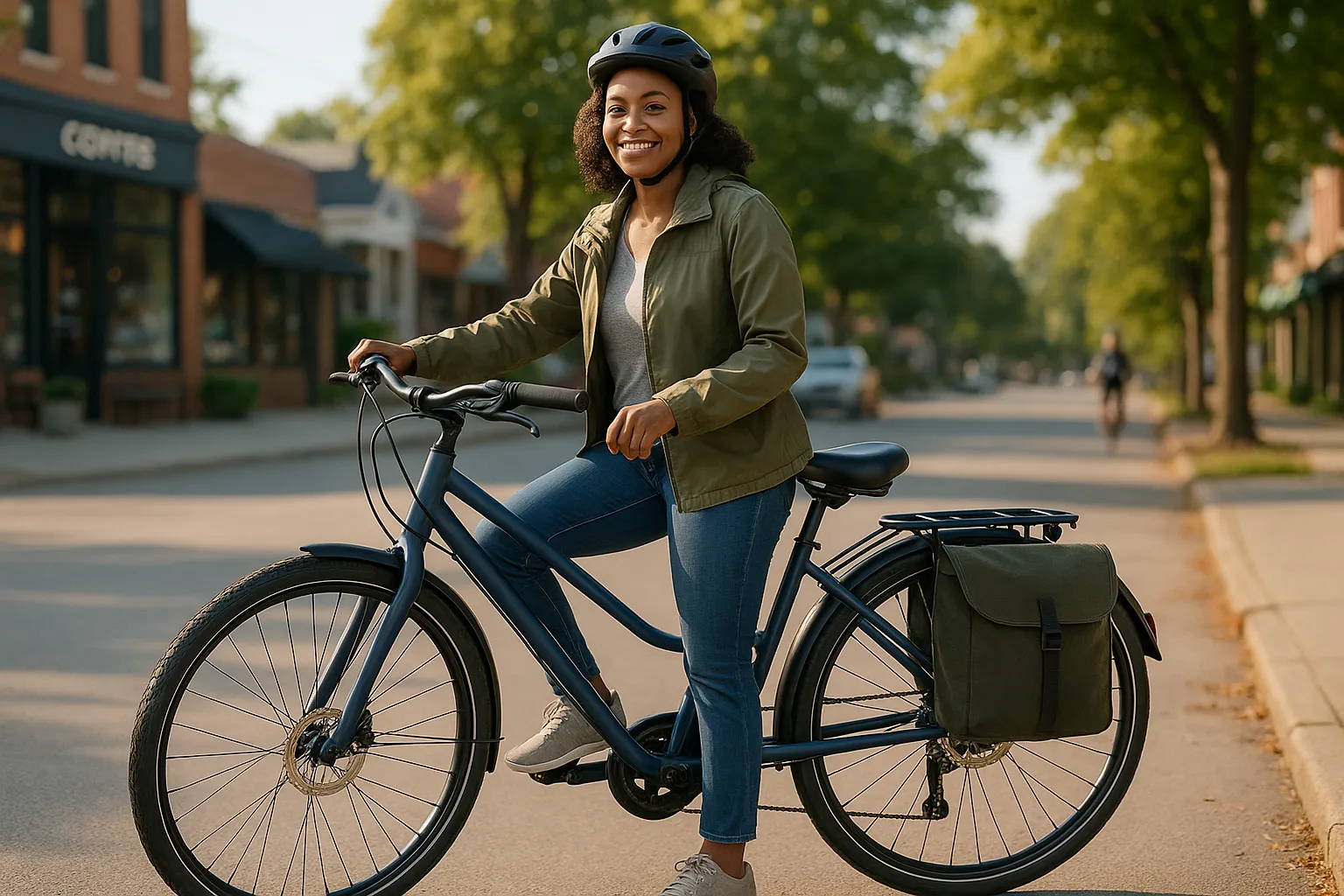
Fact: A beginner bike prioritizes stability, simplicity, and confidence over race-level weight or complex components.
A beginner bike is for someone who is new to regular cycling, returning after a long break, or who wants a low-stress machine for commuting and fitness. You should expect predictable handling, easy gear ranges, comfortable geometry, and components that are durable rather than lightweight. Brands like Trek, Giant, Specialized, and Decathlon all make entry-level lines that focus on these traits.
What to expect in everyday use: smoother starts, fewer mechanical surprises, and a learning curve that rewards time in the saddle. A beginner bike won’t win Strava segments. Instead it will get you to work, around town, and out on weekend rides without frequent trips to the shop. That reliability matters more than flashy specs when you’re learning.
Key Factors To Consider When Choosing A Beginner Bike
Fact: The right beginner bike balances frame type, fit, and simple components to suit your planned rides.
Frame Type And Intended Use
Start by naming your main use. Road riding needs a road frame (drop bars, narrower tires). Commuting benefits from a hybrid or commuter frame with an upright posture. Mountain trails demand a hardtail or entry-level full suspension. Gravel/adventure calls for clearance for 35–45mm tires and mounting points for racks and bottles. The frame determines posture, control, and which roads you can ride safely.
Sizing, Fit, And Standover Height
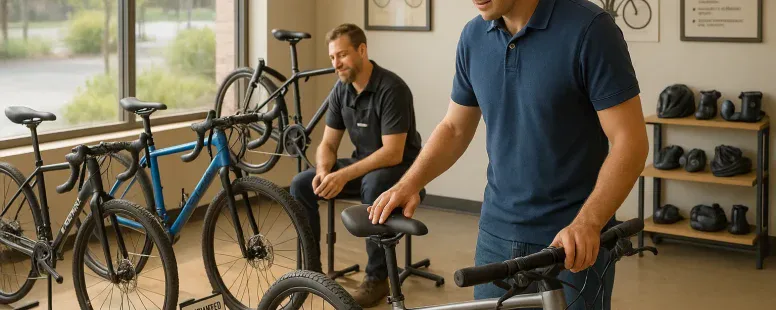
Fit matters more than brand. Check standover height: you must stand over the frame with 1–2 inches (road) or 2–4 inches (mountain) clearance. Adjust saddle height so your knee has a slight bend at the bottom of the pedal stroke. If you buy at a shop, ask for a quick fit, reach, saddle height, and handlebar position, and do a short ride.
Brakes, Gearing, And Drivetrain Simplicity
Disc brakes offer consistent stopping in wet weather: mechanical discs are cheaper to maintain than hydraulic. For gearing, a simple 1x drivetrain reduces shifting complexity and lowers maintenance. A 2x drivetrain gives smoother cadence control for road climbers. For beginners, prioritize reliability: fewer gears but consistent shifting beats a high-end groupset with frequent adjustment needs.
Suspension, Tires, And Ride Comfort
On roads and light gravel you don’t need suspension. For rough trails, a front suspension fork with 80–120mm travel works well. Wider tires (28–45mm depending on the bike) add comfort and traction: they also slow you slightly but improve confidence. Tire choice influences comfort far more than a carbon frame will.
Weight, Materials, And Durability
Aluminum frames give a strong value, light enough for casual riding and tough for knocks. Steel is heavier but offers a forgiving ride and repairability. Carbon is usually overkill for a true beginner. Focus on durability: thicker tube sections and reliable welds matter when you’re still learning bike handling.
Budget, Value, And Long‑Term Costs
Set a realistic budget. For most adults, $500–$1,200 covers solid beginner bikes from Decathlon, Giant, or Trek. Expect additional costs for a helmet, lights, lock, and basic service. Buying slightly better components can save money later because you won’t need frequent replacements. Warranties and local shop support add value too.
Best Beginner Bikes By Category (Top Picks With Why They Work)
Fact: Different categories demand different bikes: these picks match typical beginner needs and budgets.
Best Road Bikes For Beginners
- Giant Contend or Specialized Allez: both offer stable geometry, reliable Shimano Claris or Sora groupsets, and a comfortable ride. They let you learn efficient pedaling without punishing posture.
Best Hybrid/Commuter Bikes For Beginners
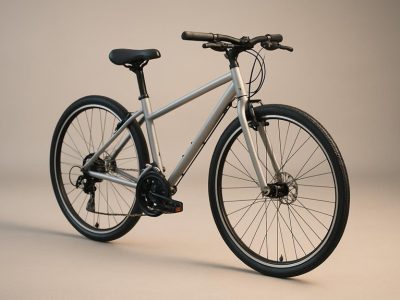
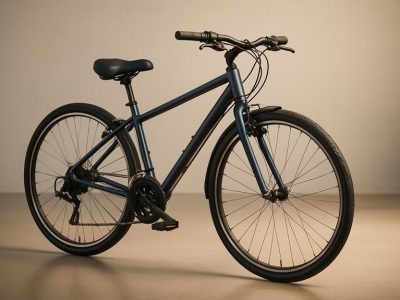
- Trek FX series and Cannondale Quick: upright riding position, mounts for fenders and racks, and durable drivetrains. You get practicality and low-maintenance operation for daily use.
Best Mountain Bikes For Beginners
- Trek Marlin, Giant Talon, or Specialized Rockhopper: hardtails with 100mm forks, wide tires, and strong frames. They teach trail skills without the weight and maintenance of full suspension.
Best Gravel/Adventure Bikes For Beginners
- Canyon Grail AL or Giant Revolt: clearance for wider tires, relaxed geometry, and disc brakes. These bikes let you mix paved and unpaved roads while keeping controls simple.
Best Kids And Youth Bikes For Beginners
- Woom, Islabikes, and Specialized Hotwalk/Boy/Crush lines: lightweight frames, child-friendly gearing, and easy-stopping brakes. Kids learn faster on a bike sized and weighted correctly: brand matters here because poor fit discourages practice.
How To Test Ride, Fit Properly, And Make The Final Choice
Fact: A purposeful test ride reveals fit, comfort, and handling more than a spec sheet ever will.
What To Check On A Test Ride
Ride for at least 10–15 minutes on mixed surfaces. Check standing over the bike, shifting across the full gear range, and braking from moderate speed. Notice whether handlebars feel too low or too far: pay attention to saddle comfort after five minutes. Try some quick turns and light sprinting to test responsiveness.
Simple Fit Adjustments To Try At The Shop
Raise or lower the saddle in 5–10 mm steps. Slide the saddle forward/back 5 mm to adjust reach without changing handlebar position. Try a shorter stem if you feel stretched. Test grips and bar tape, small changes affect comfort a lot.
Red Flags To Avoid When Buying A Beginner Bike
Avoid bikes with flexing frames, grinding noises, or wobble at speed. Watch for mismatched components (cheap frame with very expensive brakes but cheap wheels). If the shop can’t do a proper test ride or fit, walk away. Also be wary of used bikes with bent frames, rusted chains, or trashed wheels, these can hide costly repairs.
First‑Year Care, Basic Maintenance, And Useful Upgrades
Fact: Routine maintenance prevents most failures and keeps the bike feeling new through your first year.
Essential Setup And Safety Checks Before Your First Ride
Check tire pressure against the sidewall recommendation. Tighten quick-releases or thru-axles. Test brakes with a firm pull and confirm lights work. Install a helmet that fits snugly. Add a bell and reflective gear if you plan to ride near traffic.
Routine Maintenance New Riders Should Learn
Learn three tasks: cleaning and lubing the chain, checking tire pressure, and adjusting brake pads. Cleaning the drivetrain every 200–300 miles improves shifting and extends component life. Keep spokes tensioned and check for loose bolts monthly.
Cost‑Effective Upgrades To Improve Comfort And Performance
Swap a stock saddle for a padded, lighter model if you have soreness. Upgrade to wider tires for comfort and better grip, this often changes your ride more than new brakes. Consider clipless pedals only after you master freepedals: they add efficiency but a steeper learning curve.
Where To Buy: New Vs Used, Local Bike Shop Vs Online
Fact: Buying new from a reputable shop offers fit and support: used bikes can give value but require scrutiny.
Pros And Cons Of Buying New Versus Used
New bikes give warranty protection and a fresh setup: used bikes lower upfront cost and can provide higher-tier components for less. Used bikes can hide wear: check chain stretch, bearing play, and frame damage. If you choose used, budget for immediate service, new chain, cables, and tune-up.
Choosing Between A Local Bike Shop And Online Retailers
Local bike shops (LBS) provide fitting, assembly, and ongoing service. Online shops often undercut prices and may offer a wider selection. If you buy online, plan a paid tune-up at a local shop unless the online retailer offers thorough setup. Brands like Canyon sell direct-to-consumer, but they require careful setup after delivery.
Warranties, Return Policies, And Aftercare Options To Consider
Check frame warranty length and component coverage. Retailers such as REI and some local shops include short-term returns or satisfaction guarantees. Ask about free first tune or discounted service packages, those can save you money and keep the bike roadworthy.
Quick Buying Checklist For A Beginner Bike
Fact: A short checklist speeds up decision-making and reduces buyer’s remorse.
- Purpose: Define road, commute, trail, gravel, or kids use.
- Fit: Confirm standover clearance and test ride comfort.
- Brakes: Prefer discs for wet-weather stopping.
- Gearing: Simple 1x for trails, 2x for varied road climbs.
- Tires: Wider for comfort: tubeless optional for gravel.
- Weight/Material: Aluminum or steel for value and durability.
- Budget: Include helmet, lights, lock, and first service.
- Support: Buy from seller that offers fitting and a tune-up.
- Red flags: Frame damage, noisy bearings, bent rims, or poor shop support.
Use this checklist at the shop or when evaluating listings. It helps you focus on what truly affects your riding experience and not get dazzled by specs that don’t matter for beginners.

- Equitybee Competitors - October 17, 2026
- Nutanix Competitors - October 16, 2026
- Best Alternative for Hdfc Infinia Credit Card - October 16, 2026
by Ellie B, Site Owner / Publisher