Imagine your favorite spicy dish missing its fiery kick—disappointing, right? When a recipe calls for cayenne pepper, finding the perfect substitute is like searching for that elusive spark to ignite your creation.
The right alternative can add a smoky whisper or a gentle warmth, transforming your dish into a culinary symphony. Surprisingly, some substitutes not only mimic heat but also bring unique flavors that enhance the overall experience.
Choosing wisely ensures your meal stays vibrant without overpowering, turning simple ingredients into a memorable feast.
Why Substitute Cayenne Pepper in Your Recipes
Cayenne pepper is a spice that gives food a hot, fiery taste. But sometimes, you need a substitute because cayenne can be too strong or hard to find. Using a different spice can help control the heat and keep the flavor just right.
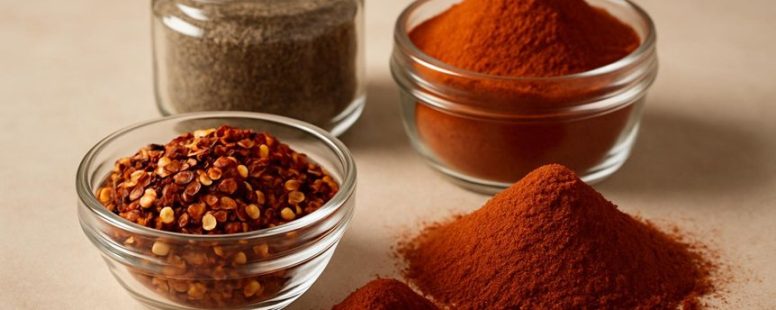
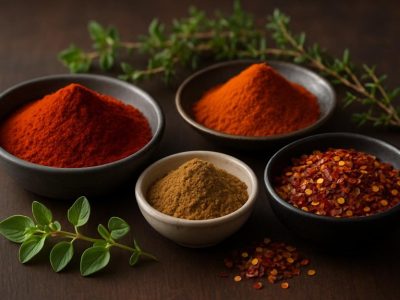
One good alternative is paprika. It has a mild heat and adds a smoky flavor that works well in many dishes. If you want more heat, cayenne can be replaced with crushed red pepper flakes. Be careful, though, because they can be just as spicy. For a milder option, black pepper can give a little warmth without overwhelming the dish.
Some cooks like to mix chili powder with cayenne to get the perfect balance of spice and flavor. If you are cooking something specific, like chili or barbecue, using the right substitute can make a big difference. For example, if you want a smoky taste, smoked paprika is a good choice. If you want to keep things simple, just use a pinch of black pepper or red pepper flakes.
But there are some things to watch out for. Not all substitutes taste the same or have the same heat level. For example, paprika is milder and won’t make your dish as spicy as cayenne. Also, using too much of a substitute can change the flavor too much or make it too hot. So, start with a small amount and taste as you go.
Some cooks prefer to stick with cayenne because it gives a unique heat and aroma. Others like to experiment with different spices to find new flavors. Both ways work. Just remember that substitutes might not give you the same exact taste, but they can help you create a dish that fits your mood or what you have in your spice cabinet.
In the end, choosing a substitute depends on what you want from your dish. If you need a milder flavor or can’t find cayenne, try paprika or red pepper flakes. If you want something smoky, go for smoked paprika. And always taste your food as you cook to get the perfect balance. Cooking is about experimenting and making your own tasty creations.
Mild Substitutes for Cayenne Pepper’s Heat
Cayenne pepper can add a spicy kick to your food, but sometimes you want that flavor without the intense heat. Mild substitutes like paprika or ancho chili powder are good options. They give a warm, smoky taste without making your mouth burn. These ingredients help keep the flavor balanced so other tastes in your dish can stand out. Mild chili flakes are also helpful if you want just a little bit of spice. Using these options, you get that lively, spicy flavor similar to cayenne but with less heat. This way, you can enjoy flavorful meals that everyone can handle, even if they don’t like spicy food. Remember, trying different mild peppers can help you find the perfect heat level for your taste.
Spicy Alternatives to Replace Cayenne Pepper
If you want to keep the heat but try something different, there are good alternatives to cayenne pepper. These options can add flavor and spice without relying on the same fiery taste.
Ground chili powders are a popular choice. For example, smoked paprika gives a smoky flavor, while sweet paprika adds a milder, sweeter kick. Both can make your dishes interesting without overpowering heat. Be sure to choose the right one based on what flavor you want. Some brands like McCormick or Spice Islands offer these options.
Hot sauces are another easy way to spice things up. Brands like Tabasco, Sriracha, or Cholula can boost flavor and heat at the same time. Just a few drops can change the whole dish. But watch out – some hot sauces are very spicy, so start small if you’re not used to them.
Some people prefer paprika because it adds color and mild flavor, but it doesn’t pack as much heat as cayenne. Others like crushed red pepper flakes for a little more bite. Keep in mind that some alternatives may not be as spicy as cayenne, so if you need a serious punch, you might need to mix or layer your options.
Now, what are the drawbacks? For instance, hot sauces can get messy and might overpower delicate flavors. Ground chili powders can vary in heat depending on the brand. Sometimes you might not get the same fiery kick, so experiment beforehand.
Popular Chili Powder Options
Chili powder options can be a good substitute for cayenne pepper when you want to add heat to a dish. Different chili powders bring their own flavors and heat levels. Here are some popular choices you can try:
Ancho chili powder: This one is mild and has a smoky, fruity flavor. It’s great if you want some spice but not too much heat. For example, if you’re making chili or tacos and don’t want it too fiery, ancho works well.
Chipotle chili powder: This has a smoky taste and medium heat. It adds depth and a little smokiness to stews, marinades, or grilled meats. If you like a smoky kick, chipotle is a good pick.
Hot chili powder blends: These mixes often include cayenne, paprika, and other spices. They usually have a balanced heat, not too mild or intense. They are useful if you want a little extra spice in chili, soups, or rubs.
Each of these options brings a unique flavor profile. If you want more smoke, go for chipotle. If you prefer a milder, fruity taste, ancho is better. But keep in mind, some blends can be very spicy, so start with small amounts and taste as you go.
Some people might prefer sticking to cayenne for its pure heat, but these alternatives can add new flavors to your dishes. Just remember, not all chili powders are equal in heat or flavor. Always check the label if you want to control how spicy your food gets.
Sources: Food Network, Serious Eats.
Ground Paprika Variations
Ground paprika is a popular spice used in many dishes. It is made from dried peppers and comes in different varieties. Each type offers a different flavor and heat level, making it easy to choose the right one for your recipe.
The most common type is sweet paprika. It has a mild, sweet flavor and adds a nice color to dishes without adding much heat. It works well in soups, stews, or sprinkled on roasted vegetables. Smoked paprika is another popular option. It is made by drying peppers over wood smoke, which gives it a deep, earthy flavor. It’s great for adding a smoky taste to meats or casseroles. If you like a little more spice, hot paprika is a good choice. It has a moderate heat, similar to cayenne but less fiery. You can use it to add a little kick without overwhelming the dish.
Some people prefer smoked paprika for its rich flavor, while others stick with sweet paprika for milder dishes. One warning is that hot paprika can be too spicy for some people, so use it carefully. Also, smoked paprika can change the flavor of a dish quite a bit, so it’s best to start with small amounts and taste as you go. Trying different paprika types lets you control how spicy or smoky your food becomes. It’s a simple way to add color and flavor without using cayenne or hot peppers.
In the end, choosing the right paprika depends on what you want in your dish. Do you want just a hint of warmth or a smoky punch? Knowing these options makes it easier to spice up your cooking confidently.
Hot Sauce Alternatives
Hot sauce alternatives are a great way to add spice to your food when you don’t have cayenne pepper. They can give your dish a similar heat and flavor. Here are some of the best options:
Sriracha: This sauce has a medium heat and a slightly sweet, garlic flavor. It’s good for many dishes and easy to find at most grocery stores. If you like a mild to medium spice, Sriracha is a safe choice.
Tabasco: Known for its sharp, vinegar taste, Tabasco has a higher heat level. It works well if you want a bold, spicy flavor that really wakes up your meal.
Cholula: This sauce offers a balanced heat with a smoky taste. It’s perfect if you want some spice without overwhelming heat, and it adds a nice smoky depth.
Using hot sauce instead of cayenne pepper lets you control how spicy your food gets. Keep in mind that hot sauces are often more liquid and flavorful than dry cayenne powder. So, you might need to adjust the amount based on your taste. Some people might find hot sauce too strong or too mild, so experiment to find what works best for you.
While hot sauces are great quick fixes, they aren’t always a perfect match for cayenne in recipes that need dry spice. For example, if you are baking or making spice blends, dry cayenne is better because it mixes evenly. Hot sauces work best for drizzling, marinades, or soups.
In the end, both hot sauce brands and cayenne have their place. Hot sauces are quick and flavorful, but they can be messy and sometimes overpower the dish if you’re not careful. Cayenne powder gives you more control over spice levels and blends smoothly into recipes. So, consider what your dish needs most before choosing your substitute.
Flavorful Non-Spicy Substitutes for Cayenne Pepper
Cayenne pepper is known for adding heat to dishes, but if you want to avoid spicy food, there are good flavorful substitutes you can try. These options give your food rich and interesting flavors without the burn.
One popular choice is smoked paprika. It has a smoky, earthy taste that makes dishes taste deeper. Sweet paprika is milder and adds a fruity, mild flavor. If you want a warm, aromatic touch, ground cumin and coriander work well together. They create a complex flavor that feels similar to cayenne but without the spice.
You can also add a tiny pinch of ground ginger or cinnamon. These spices bring a subtle warmth that can surprise your palate in a good way. For example, adding smoked paprika to chicken or roasted vegetables can give a smoky flavor without the heat. Mixing cumin and coriander with a little paprika can make soups and stews more flavorful.
Some people love these substitutes, but others might find they don’t give the same fiery punch as cayenne. If you are cooking for someone who loves spicy food, these options might not satisfy their craving for heat. Also, some might find the flavors too mild or not similar enough.
In the end, using these ingredients can be a fun way to add flavor without spice, but it’s important to test small amounts first. That way, you’ll know how the flavors work with your dishes before making big changes.
Adjusting Quantities for Cayenne Pepper Substitutes
When replacing cayenne pepper in a recipe, the most important thing is to match the heat level of the substitute. Some peppers are spicier than others, so if you use too much, your dish might become painfully hot, or if you use too little, it might taste bland. For example, if you usually use cayenne but want a milder option, consider using paprika or chili powder, but start with less than the recipe calls for. Taste as you go to make sure it doesn’t get too spicy.
If you want a spicy kick similar to cayenne, look for hot peppers like Thai chili or crushed red pepper flakes. These have different heat levels, so read the label or ask at the store. Some people prefer a little more flavor from the substitute, while others just want the heat. It’s a good idea to add small amounts, taste, then decide if you need more.
Keep in mind that some substitutes change the flavor beyond just heat. For example, smoked paprika adds a smoky taste, which might change your dish’s flavor profile. So, think about what kind of taste you want before making the switch.
If you’re not sure how much to use, start with half the amount you normally use of cayenne. For example, if a recipe calls for a teaspoon, use half a teaspoon of your substitute. Then taste and add more if needed. This way, you control the heat and flavor.
Some people say that you can’t perfectly replace cayenne because each pepper has its own unique heat and flavor. And if you’re cooking for others, it’s good to ask how spicy they like their food. Too much spice can ruin the meal for some, but not enough can make it dull.
Matching Heat Levels
Cayenne pepper gives a strong heat, but when you use substitutes, you need to adjust the amount carefully. Different spices have different heat levels and flavors. To match the fiery kick of cayenne, follow these steps:
Start with half the amount of the substitute the recipe calls for. Taste the dish, then add more if needed.
Check the heat scale of the spice. For example, habanero powder is much hotter than cayenne, so use less. Paprika is milder, so you might need more.
Think about the flavor too. Some spices, like smoked paprika, add a different taste that can change the dish.
Some people prefer a milder spice, while others want it very hot. Be careful not to add too much at once. It’s better to increase slowly and taste as you go. Remember, different brands can vary in heat, so measure carefully.
A quick tip: if you accidentally add too much heat, try adding a splash of milk or a little sugar to balance it out. This helps reduce the heat without changing the flavor too much.
Keep in mind that not all substitutes are the same. Habanero powder is very hot and should be used with caution. Paprika is milder but adds a smoky flavor. So, choose the right one based on how spicy and flavorful you want your dish to be.
Some cooks prefer using fresh chili peppers, while others stick to powders. Both work, but powders can be easier to measure. Whichever you pick, always start small and taste often. That way, you won’t end up with a dish that’s too spicy or flavorless.
Adjusting Flavor Intensity
Adjusting flavor intensity is about controlling how spicy or smoky a dish tastes. When you swap ingredients like cayenne pepper, you need to think about how much heat and flavor each substitute adds. For example, smoked paprika is milder but gives a smoky flavor. If you use it, you might want to add a little more to get enough smoky taste without making the dish too mild. On the other hand, chili flakes are hotter. If you use them, start with less so your dish doesn’t become too spicy. A good trick is to begin with half the amount the recipe calls for and taste as you go. This way, you can stop before it gets too hot or overpowering.
Some people prefer to adjust slowly, tasting after each addition. Others might find it easier to measure carefully and then decide if they need more. Keep in mind that different substitutes bring different flavors and heat levels. So, adjusting carefully helps keep your dish balanced and tasty.
Where to Find Cayenne Pepper Replacements Easily
If you run out of cayenne pepper or want a milder or different flavor, there are easy substitutes you can find nearby. Cayenne is a hot chili pepper, but many common spices can stand in for it in recipes. Here’s where to look for good alternatives:
Local grocery stores are a quick stop. They often carry spices like paprika, chili powder, or crushed red pepper flakes. For example, paprika adds color and a mild sweetness, but chili powder has a similar heat level. Keep in mind, paprika isn’t as spicy as cayenne, so you might need more of it.
Farmers’ markets are a great place to find fresh chili peppers. You can ask for hot varieties like cayenne or Thai chili peppers. These fresh peppers can give your dish the heat you want without needing to buy processed spices. Plus, they’re usually more flavorful.
Specialty spice shops have a large selection of chili powders and blends. They might have smoked paprika or hot chili blends that match cayenne’s heat. These stores are perfect if you’re looking for a specific flavor profile or a higher quality spice.
Some people prefer substituting with paprika for a milder taste, but be aware it won’t pack the same heat. On the other hand, crushed red pepper flakes or chili powder can give you a similar spicy kick. Just remember, using more chili powder can make your dish spicier, so start small.
If you want a quick fix, try mixing paprika with a pinch of cayenne or hot sauce. This way, you get both color and heat. However, be careful not to overdo it, especially if you’re sensitive to heat.
In the end, finding a cayenne substitute depends on what flavor and heat level you want. Exploring local stores and markets makes it easy to find a good replacement. Just keep in mind, some substitutes may change the taste a little, so it might take a bit of trial and error to get it just right.
Blending Substitutes to Match Cayenne Pepper’s Kick
Cayenne pepper is known for its strong, fiery heat that can spice up any dish. If you don’t have it, you can create a similar kick by blending other spices. Here are simple steps to do that:
First, mix paprika with a small amount of red chili flakes. This combo gives you smoky flavor with a good amount of heat. Next, add a dash of black pepper to add a little extra complexity. You can also try using ground chipotle or hot paprika as substitutes. These spices have similar spicy profiles and won’t overpower your dish.
When cooking, add these blends in small amounts and taste as you go. This helps you control the heat and flavor. For example, if you want more spice, sprinkle in a little more chili or black pepper. If it’s too hot, add a bit more paprika or even a touch of sugar to balance it out.
Some people warn that blending substitutes won’t exactly match cayenne’s fiery punch. It might be milder or slightly different in flavor. Others say it’s a good trick for saving money or making your own spice mix. Try experimenting to find what works best for your taste buds.
In the end, blending spices can help you get close to cayenne’s kick, but it may not perfectly replicate its fiery punch every time. Keep tasting and adjusting, and you’ll get a spicy flavor that’s just right for your meal.
To provide the best experiences, we use technologies like cookies to store and/or access device information. Consenting to these technologies will allow us to process data such as browsing behaviour or unique IDs on this site. Not consenting or withdrawing consent, may adversely affect certain features and functions.
Functional
Always active
The technical storage or access is strictly necessary for the legitimate purpose of enabling the use of a specific service explicitly requested by the subscriber or user, or for the sole purpose of carrying out the transmission of a communication over an electronic communications network.
Preferences
The technical storage or access is necessary for the legitimate purpose of storing preferences that are not requested by the subscriber or user.
Statistics
The technical storage or access that is used exclusively for statistical purposes.The technical storage or access that is used exclusively for anonymous statistical purposes. Without a subpoena, voluntary compliance on the part of your Internet Service Provider, or additional records from a third party, information stored or retrieved for this purpose alone cannot usually be used to identify you.
Marketing
The technical storage or access is required to create user profiles to send advertising, or to track the user on a website or across several websites for similar marketing purposes.