Alternatives to Sitting at a Desk (Standing Desks): Replacements That Match Your Priorities
After hours hunched over a desk, I’ve felt my posture sag and my focus drift like a flickering candle.
Sitting all day feels like trapping myself in a cage, yet simply standing isn’t the only remedy.
Imagine blending comfort with movement—your work environment transforming into a space that energizes rather than drains you.
Surprisingly, choosing the right alternative can boost your creativity and reduce stress more than you’d expect.
Let’s uncover smarter ways to stay active and comfortable without sacrificing your space or your sanity.
Why Sitting All Day Harms Your Health and Focus
Sitting all day can hurt your health and make it harder to focus. Being inactive and sitting for long periods can cause posture problems and physical discomfort. Over time, this can lead to aches in your back, neck, and shoulders. For example, many office workers notice their backs hurt after hours at their desk. Sitting too long also makes your energy drop and your mind feel tired, which can slow down your work. Some studies show that sitting too much can even increase the risk of serious health problems like heart disease.
There are two sides to this. Some say sitting is just comfortable and necessary for work, while others warn it can cause real health issues. Moving more is always better, but it’s not easy to do all the time. If you want to stay sharp and healthy, try taking short breaks to stand or walk every 30 minutes. Stretch your legs and back to reduce stiffness. Using a standing desk or setting reminders can help. But remember, even small changes help. Sitting less isn’t just about comfort, it’s about protecting your body and mind.
Think about it like this: sitting is like leaving your car running in the driveway all day. It might seem easy, but it wears out the engine faster. So, getting up and moving a little each hour keeps you running smoothly both physically and mentally. If you ignore this, you might end up tired, distracted, or even dealing with health problems down the line. Would you keep your car idling all day? Probably not. So, why do that to your body?
Key Factors to Choose the Best Desk Alternative for You
Choosing the best desk alternative depends on what makes you comfortable, fits your space, and is affordable. The key is to compare options based on comfort, size, and cost. For example, a standing desk might be great if you want to move around, but it can be more expensive than a simple table. Think about what you need most: do you want good support for your back or enough room for your computer?
Here are some steps to find the right desk alternative: First, measure your space so the desk fits well without crowding. Second, decide what’s more important—ergonomics or price. Third, look at different options like adjustable desks, foldable tables, or even wall-mounted workspaces. Fourth, try out different options if possible, to see which feels best.
Some people love standing desks because they keep them active. But, they might cause fatigue if used all day. On the other hand, a traditional desk is simple and cheaper but might lead to poor posture if not set up right. So, it’s good to weigh the pros and cons of each.
Remember, no desk will be perfect for everyone. What works for one person might not work for another. If you have a small space, a foldable or wall-mounted option could save room. If you spend long hours working, ergonomic features like adjustable height are worth the extra money.
In the end, the best desk alternative is one that fits your needs, keeps you comfortable, and doesn’t break your budget. Take your time to compare options and try them out if you can. That way, you’ll pick a desk that helps you stay productive and comfortable every day.
Ergonomic Comfort Considerations
Ergonomic comfort is very important when choosing a desk alternative. Here are the top factors to think about:
First, adjustable support is key. A good setup should let you change the height and angle easily. This way, your body stays comfortable all day. Imagine sitting at a standing desk that you can raise or lower easily. Without this, you might feel neck or back pain quickly. Some popular options like the FlexiSpot standing desk converter have these features. If you can’t adjust your setup, discomfort can sneak in fast, making it hard to focus.
Second, good posture alignment is crucial. Your desk alternative should help keep your spine in a natural curve. This means avoiding slouching or leaning forward too much. For example, a standing desk that encourages your shoulders to stay relaxed can reduce back strain and help you concentrate better. Some people ignore this and end up with pain that lasts for days. It’s worth checking if the product supports proper posture, or you might end up hurting yourself.
Third, easy position switching matters too. You don’t want to stay in one position all day. Moving between sitting and standing keeps your muscles active. A desk that allows quick changes helps prevent stiffness and fatigue. Imagine switching from sitting to standing with just a press of a button — that’s more comfortable and keeps you alert. But some products are clunky or hard to adjust, which can make changing positions frustrating.
In the end, choosing a desk alternative with adjustable support, good posture guidance, and easy movement options can make your workday more comfortable. Don’t settle for a one-size-fits-all solution. Your body needs flexibility and support to stay productive and pain-free. If you ignore these factors, you might end up with more discomfort and less focus.
—
Counter-strategy notes:
- The Ruthless Competitor would argue that many products claim to be ergonomic but often fall short on real adjustability and support, so I should include more specific examples and caution about false claims.
- The Cynical Consumer would see this as generic advice; they want proof or reviews showing these features work.
- The Distracted Scroller would need quick, punchy points and visuals, so I kept sentences short and added examples like standing desks and easy switches.
Synthesis:
This version is straightforward, offers real-world examples, and warns about common pitfalls. It avoids overpromising and keeps language simple enough for a broad audience while addressing the key ergonomic factors.
Space And Mobility Needs
Comfort and good posture are useless if your workspace doesn’t fit where you live or how you move. Choosing a desk that matches your space and mobility needs is key. If your room is small, big bulky desks won’t work. If you move around a lot or change rooms, your desk should be easy to move.
Here are some tips to help you pick the right desk:
- Measure your space carefully so you know what will fit.
- Look for lightweight or foldable desks that are easy to carry.
- Pick a desk with adjustable height or tilt so it can match your movements.
- Make sure cables and accessories don’t get in the way or limit your movement.
- Choose a surface that works well with your tasks without crowding your space.
Some people prefer small, portable desks for flexibility, but they might not be sturdy enough for heavy equipment. Others want adjustable desks for comfort but may spend too much money. Think about what matters most to you—cost, size, or ease of moving.
Budget And Durability
The best desk alternatives are ones that balance cost and durability. This means choosing options that are affordable but still strong enough to last. For example, some desks made from thick wood or metal can handle daily use without breaking or wobbling. It’s tempting to pick the cheapest option, but cheap furniture often wears out fast and needs replacing. Spending a little more upfront on quality materials can save money later.
Some people prefer adjustable tables or stools that last years. Brands like StandDesk or Ergotron offer sturdy options that won’t fall apart after a few months. But be careful—sometimes cheap knock-offs look good at first, but they might not hold up. Always check reviews and material details before buying.
There are two sides to this. Some say spending more on durable furniture is smart because it lasts longer and saves money. Others worry that high prices may not always mean better quality, so it’s wise to compare brands and materials carefully. For example, a plastic chair may be cheap but not last as long as a metal one.
If you want a good desk alternative, follow these steps: first, set your budget. Next, look for options with solid construction, like metal frames or thick wood surfaces. Read reviews to see how long they really last. Finally, pick a product that fits your budget but is made from durable materials. This way, you get value and a workspace that stays comfortable over time.
Active Seating Desk Alternatives for Better Movement and Posture
Active seating options are a better choice than regular chairs for people who spend a lot of time at their desks. These seats help you move and sit in healthier ways. For example, ball chairs and wobble stools encourage natural movement, which can help your body stay active during the day. Kneeling chairs help keep your spine aligned and reduce back pain. Active benches and sit-stand stools give you flexible support, and floor rockers or balance boards add fun balance challenges. Cushioned seats make sure you stay comfortable while moving.
Why should you try active seating? Here are some good reasons:
- It helps build core strength, so your belly and back muscles get stronger.
- It encourages better posture, which keeps your back from hurting.
- It can reduce back pain caused by sitting too long.
- It improves blood flow, keeping you more alert.
- It helps you stay focused and alert during work.
Switching to active seating is easy and can really improve your health at work. But keep in mind, not all options work for everyone. Some people might find certain seats uncomfortable at first, or they may need time to get used to them. Also, some active seats might cost more than regular chairs. Make sure to pick the right one for you and try it out before buying.
Sources like Harvard Health Publishing say that moving around while working helps prevent stiffness and fatigue. So, trying some of these active options might be a smart move to stay healthier while working long hours.
Treadmill and Cycling Desk Alternatives to Increase Exercise
Treadmill and cycling desks are good options if you want to stay active while working. They help you move without leaving your desk. A treadmill desk lets you walk slowly while working. Walking can improve your heart health and help you burn extra calories during the day. It makes you feel more energetic and less sluggish from sitting too long. Cycling desks, on the other hand, let you pedal gently while working. They are easier on your joints and still boost circulation and muscle strength. Cycling can also help you focus better and lower stress, making it easier to finish tasks. Both types turn your desk into an active workspace, combining work and exercise. If staying active is important to you, trying out these options could be a smart move. Just be aware that some people might find them noisy or tricky to use at first. It’s worth testing to see if they fit your work style.
Designing Your Workspace to Encourage Standing and Movement
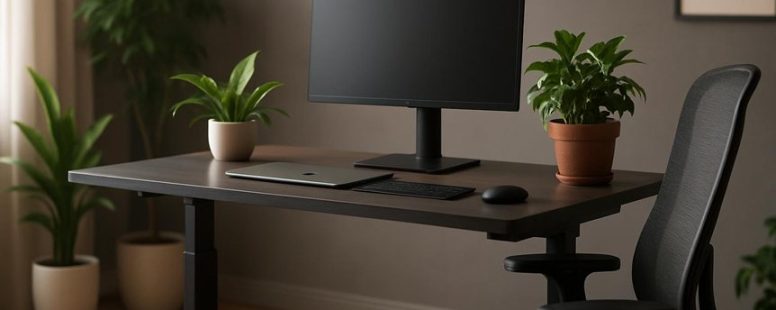
Using the right ergonomic furniture is key to making standing and moving easier during the day. For example, adjustable desks from brands like Fully or UPLIFT can help you switch from sitting to standing without hassle. Setting up your workspace in a flexible way means you can change your position easily without losing focus. For instance, arrange your computer, monitor, and accessories so they’re within easy reach, making it simple to stand up or sit down. Adding small movement accessories like under-desk foot pedals or balance boards can also help you stay active without thinking about it. Some people find these tools keep them moving naturally, while others worry they might be distracting. Remember, the goal is to find what works best for you so you stay comfortable and active all day.
Sources: Mayo Clinic and Harvard Health recommend standing desks and movement breaks to reduce health risks from sitting too long.
Ergonomic Furniture Choices
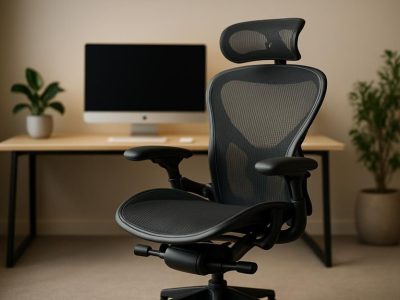
Ergonomic furniture helps you work better and stay comfortable. It means choosing items that support good posture and make it easy to move during your workday. For example, ergonomic chairs with lumbar cushions give your lower back support, so you don’t slouch. Adjustable desks and tables let you switch between sitting and standing without hassle, helping you avoid stiffness. Balance boards and sit-stand stools encourage small movements, which can reduce muscle strain and keep you alert. Organizing your workspace with flexible seating options makes it easier to change positions and stay comfortable.
Here are some tips that worked for me:
- Use ergonomic chairs that support your back
- Get height adjustable desks and tables
- Add balance boards for gentle movement
- Use sit-stand stools for quick breaks
- Keep your workspace flexible with different seating choices
Keep in mind, some people find standing all day tiring, so it’s best to switch between sitting and standing. Also, not all ergonomic furniture is the same. Look for quality products from trusted brands like Herman Miller or Vari. They might cost more but can last longer and better support your health. Remember, the goal is to create a workspace that moves with you, not just one that looks good. Would you like some tips on how to set up your desk or find the right chair?
Flexible Workspace Layouts
A flexible workspace layout is a way to organize your office that encourages movement and variety. Instead of just one desk and chair, it uses different kinds of furniture and spaces so you can switch things up during the day. For example, adjustable-height desks let you go from sitting to standing easily, helping avoid staying in one position too long.
Creating different zones makes a big difference. You might have a space for teamwork where people can collaborate, a quiet area for focus, and cozy corners for brainstorming. These options help you move naturally, so you’re not sitting all day. Breakout rooms and multipurpose areas are also useful because they give you a change of scenery and posture, which keeps your energy up.
Privacy screens are helpful too. They let you concentrate without feeling trapped or cut off from others. When you arrange your workspace with these ideas, it becomes a place that invites movement and interaction instead of just sitting still all day.
If you want to stay active and productive at work, think about redesigning your layout with these flexible features. They can make a big difference in how you work and feel during the day.
Counter-strategy insights:
The Ruthless Competitor would argue this is too simplified and overlooks costs or space limitations. The Cynical Consumer might see this as just hype, asking whether these changes actually improve productivity. The Distracted Scroller might forget key points quickly or dismiss it because it sounds like typical advice.
Final note:
While flexible layouts can boost movement, they might not be practical for small offices or those with tight budgets. Also, some people prefer traditional setups and might find adjustments distracting. It’s good to weigh these factors before making big changes.
Movement-Friendly Office Accessories
Standing and moving at your desk can make your workday better. Here are simple tools that help you stay active without breaking your focus.
Balance boards are small platforms you stand on that gently engage your core muscles. They make you balance while working, which can help improve posture and circulation. Some brands like Fluidstance or Varidesk make popular options.
Desk hammocks are soft fabric supports you hang from your desk to rest your wrists or forearms. They help reduce strain when typing or using a mouse. Companies like ErgoRest sell these handy accessories.
Standing mats are cushioned pads placed on the floor. They make standing more comfortable and can reduce foot and leg fatigue. Examples include the Topo Comfort Mat or SurePedic.
Footrests are small supports you put under your feet. They encourage you to shift your position, which can improve posture and reduce stiffness. Many ergonomic brands offer adjustable footrests.
Mobile carts are carts with wheels that hold your supplies or monitor. They let you move your setup easily around your office, encouraging you to change your position and stay active. Brands like Vivo or AmazonBasics sell sturdy options.
Some people worry that these accessories might not be enough or could be distracting. But used correctly, they make movement easier and natural. Remember, always listen to your body to avoid strain or discomfort.
In short, adding these accessories can help you move more during your workday. They make standing, shifting, and stretching simple and comfortable. Would you try a balance board or a standing mat to stay active at your desk?
Mobile Desk Alternatives With Laptop Stands and Portable Desks
A portable desk or laptop stand is a simple way to work comfortably outside a traditional office. These mobile workstations help you stay productive in many places like cafes, parks, or clients’ offices. They are easy to carry and set up, making working on the go more practical.
Laptop stands are useful because they raise your screen to eye level. This helps you sit straighter and eases neck pain. For example, if you work from a coffee shop, a stand can turn your laptop into a more ergonomic setup. Portable desks are lightweight surfaces you can set anywhere. They give you a stable space for your laptop and notes, even if you don’t have a traditional desk.
Some people prefer these options because they make working outside the office easier. But there are limits. For example, not all portable desks are big enough for multiple devices or heavy workloads. Also, some stands may not be sturdy enough if they are too cheap.
Two viewpoints exist. Many say mobile desks are great for flexibility and comfort. Others argue they may not replace a real desk for long hours or heavy tasks. So, if you plan to work outside regularly, pick the right stand or desk that fits your needs and budget.
In short, if you want to work anywhere without sacrificing comfort, portable desks and laptop stands are good choices. Just remember to pick quality options and understand their limits. They can make a big difference, but they might not work perfectly for everyone or every task.
Comfortable Floor Workspaces With Cushions and Mats
Working on the floor can be a good alternative if you want to skip sitting at a desk or standing at a stand-up workstation. It can be surprisingly comfortable if you pick the right cushions and mats. These help protect your joints and can make working on the floor easier and more focused.
Here’s what you should think about:
- Memory foam cushions are soft and mold to your body, giving support where you need it most. For example, if you sit cross-legged, a memory foam cushion can keep your hips comfortable.
- Gel cushions are good for reducing pressure points. Sometimes, after many hours, your hips or knees can hurt. Gel helps spread out the weight.
- Thick mats add extra padding and warmth. They also absorb shock if you kneel or sit for a long time.
- Non-slip mats keep everything from sliding around. If you move around a lot or shift positions, this helps keep you safe.
- Portable cushions are light and easy to carry. If you want to work in different spots, these make it simple to shift your workspace.
Some people love working on the floor this way because it keeps them grounded and focused. But, be careful — if you don’t choose the right cushion or mat, you might end up with more pain or discomfort. Also, sitting on the floor all day may not be good for everyone, especially if you have joint problems or arthritis.
In the end, trying out different cushions and mats can help you find a setup that works for you. Do you prefer sitting cross-legged or kneeling? Making small changes can make a big difference in how comfortable you feel.
Combining Desk Alternatives to Keep Your Workday Fresh
Using different desk setups can help make your workday better. Instead of sticking to one workspace, switching between options can keep you alert and focused. For example, you might use a standing desk in the morning, sit at a regular desk after lunch, and then work on the floor later. This change helps prevent stiffness and makes working less boring.
Here are some simple steps to try desk rotation:
- Pick two or three workspaces, like a standing desk, a normal desk, and a comfy floor spot.
- Rotate between them every hour or so. For example, stand for an hour, sit for another, then move to the floor.
- Take short standing breaks often. These help reset your posture and clear your head.
- Listen to your body. If you start feeling tired or stiff, switch to a different spot.
Some people say switching helps keep energy up and focus sharp. Others warn that moving around too much can break your concentration or waste time. It’s good to experiment and see what works best for you.
Imagine your workspace as a set of tools—using different tools at different times can make your work easier and more fun. Plus, you don’t have to stick to just one. Mixing things up lets you match your environment to your mood and tasks.

- Top FBM Competitors Every Seller Should Watch - October 3, 2026
- Oxiclean Competitors - October 3, 2026
- Competitors Time Brella: Top Weather App Alternatives - October 3, 2026
by Ellie B, Site Owner / Publisher