Potatoes are the comforting heartbeat of many kitchens, their warm, earthy aroma inviting us in.
But what if you crave a twist—something crisp, creamy, or just lighter on your plate? Navigating the sea of alternatives can feel like searching for a hidden gem.
Choosing the right substitute not only sparks culinary curiosity but can also boost your health in surprising ways.
Imagine transforming a familiar dish into an exciting new experience, where every bite bursts with flavor and possibility.
Choosing the Right Potato Substitute
Choosing the right potato substitute depends on what you’re making and your tastes. Here’s what you need to know.
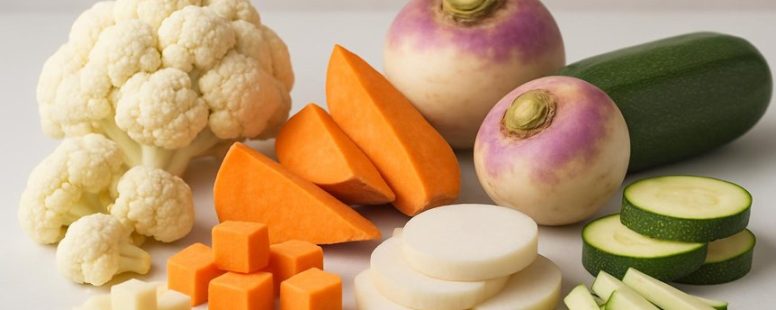
If you want to roast potatoes or similar veggies, sweet potatoes or turnips work well. They get crispy on the outside and have a sweet, caramelized flavor that’s similar to roasted potatoes. For boiling or mashing, cauliflower or parsnips are good choices. They become soft and creamy without taking over the dish’s flavor. Some substitutes, like rutabagas, have a stronger, earthier taste. They can add depth but might not suit every recipe.
When picking a substitute, think about how it will mix with seasonings and cooking methods. For example, cauliflower has a mild flavor that blends easily, while sweet potatoes add sweetness. Also, consider texture. Sweet potatoes are starchy like regular potatoes, but cauliflower is more crumbly. Matching the texture and flavor to your dish helps it turn out tasty.
Remember, some substitutes work better for certain recipes. For example, if you’re making mashed potatoes, go for cauliflower or parsnips. If you want crispy roasted veggies, sweet potatoes or turnips are your best bet. Each has pros and cons. Sweet potatoes can be a little sweeter than regular potatoes, which might change the flavor of your dish. Rutabagas can be earthy, but they take longer to cook and might be too strong for some tastes.
In short, think about the flavor and texture you need. Pick your substitute based on what you’re cooking and what you like. That way, your dish will still be satisfying, even without potatoes.
When and Why to Substitute Potatoes
Replacing potatoes with other ingredients can be helpful when you have specific dietary needs or want to save time. Potatoes are versatile, but sometimes a different ingredient works better for a recipe. For example, if you are watching your carbs, cauliflower can be a good substitute because it has fewer. If you need a quick side dish, sweet potatoes might take longer to cook, so parsnips or turnips could be faster options.
Some people use substitutes because they prefer the flavor or texture of another vegetable. For instance, mashed cauliflower can mimic mashed potatoes but adds a different taste. It’s also useful to swap potatoes if you want to avoid certain ingredients, like gluten or nightshades.
However, there are limits. Substitutes might change the taste or texture of your dish. For example, sweet potatoes are sweeter than regular potatoes, which can affect recipes that rely on a neutral flavor. Also, some substitutes may not cook the same way or hold up in certain dishes.
In the end, swapping potatoes depends on what you need. If you want a healthier option, want to save time, or just want a new flavor, trying different ingredients can be a good idea. But always consider how your substitute will change the dish before making the switch.
Dietary Restrictions Considerations
Potatoes are common in many diets, but sometimes you need to replace them. For example, people with diabetes might need to avoid potatoes because they have a high glycemic index, which can cause blood sugar spikes. Others on low-carb or paleo diets look for better options too.
A good substitute depends on what you want. If you want a similar texture, roasted sweet potatoes or cauliflower can work well. Roasting these vegetables can make them taste and feel like roasted potatoes without breaking your diet rules.
When choosing a substitute, think about how you cook it. For instance, boiling or roasting can change how well the replacement works. Sweet potatoes tend to be sweeter, so they may not be right for savory dishes. Cauliflower is mild and can take on flavors well, making it a flexible choice.
Some people might prefer a certain substitute because it’s easier to prepare or tastes better. Others might find that some options don’t work in all recipes. For example, mashed cauliflower is good for mashed potato recipes but might not be best for crispy fries.
There are also some warnings. Not all substitutes are perfect for every diet. Sweet potatoes still have carbs, so they might not be suitable for very strict low-carb plans. Cauliflower is low in carbs but can cause bloating in some people.
In the end, choosing the right potato substitute depends on your health needs and what you enjoy eating. Experiment with different options and cooking methods to find what works best for you. It’s about balancing taste, nutrition, and your dietary goals.
Cooking Time Differences
Choosing the right substitute for potatoes depends a lot on how long they take to cook. Different options need different cooking times, so adjusting your timing is important. For example, sweet potatoes usually take longer to roast than regular potatoes, so you might need to cook them a bit longer. Cauliflower, on the other hand, cooks much faster when steamed or microwaved, so you should watch it closely to avoid overcooking. If you’re replacing potatoes with turnips or rutabagas, these vegetables have a firmer texture, so you may need to boil them longer or roast at a higher temperature.
To get your dish just right, plan your cooking based on these time differences. For instance, if you are roasting sweet potatoes and regular potatoes in the same oven, put the sweet potatoes in first or cut them smaller so they finish at the same time. When steaming cauliflower, check it after just a few minutes to prevent it from turning mushy.
Some people might think all vegetables cook in the same time, but that’s not true. For example, a whole head of cauliflower can cook in about 10 minutes when steamed, but a large sweet potato might take 45 minutes to roast. Knowing these differences helps you avoid ending up with undercooked or burnt food.
There are two ways to look at adjusting cooking times. One is to follow recipes carefully, but sometimes you need to experiment based on your oven or microwave. The other is to keep an eye on your food and test for doneness with a fork or knife.
Just be careful with firmer vegetables like turnips or rutabagas. They can be stubborn and need more time, but if you increase the temperature too much, they might burn on the outside before softening inside. So, it’s good to check frequently.
In the end, understanding how long each vegetable takes helps you make tasty meals without surprises. Whether you are roasting, boiling, or steaming, thinking about timing makes all the difference. Remember, cooking is partly about patience and partly about watching your food as it cooks.
Flavor and Texture Needs
When choosing a substitute for potatoes, it’s best to focus on flavor and texture. Potatoes have a mild, earthy taste and a fluffy texture, so your replacement should match these qualities. For example, if you want a similar fluffiness in mashed dishes, cauliflower is a good choice because it becomes light and airy when mashed. On the other hand, sweet potatoes can add a creamy, sweet flavor that pairs well with spices like cinnamon or nutmeg.
Texture is also key. Some substitutes work better with certain cooking methods. For instance, carrots roast well and keep their shape, making them good for stews or roasting. Steaming or mashing works better for things like zucchini or parsnips. Think about how you plan to cook your dish, and pick the substitute that fits best.
Regional dishes can also guide your choice. If you’re making a Southern-style dish, sweet potatoes might be a natural fit. For a creamy, neutral base in a European recipe, cauliflower or turnips work well. Plus, consider nutritional benefits. If you want a healthier version, look for options high in fiber or vitamins, like carrots or sweet potatoes, but keep in mind they might change the flavor or texture slightly.
Some people prefer certain substitutes over others, but no single choice is perfect for every dish. Remember, flavor and texture are what make a substitution successful. If you pick the wrong one, your dish might taste off or feel weird to eat. So, test a little first, and see what works best for you.
Best Low-Carb Potato Substitutes
Many people want to cut back on carbs but still enjoy potato-like dishes. Here are some low-carb substitutes that work well and taste good.
What are low-carb potato substitutes?
They are foods that look and feel like potatoes or fries but have fewer carbs. These options can help you eat healthier without losing the comfort of a familiar meal.
Rutabaga puree and turnip mash:
These vegetables make creamy, low-carb mash that feels similar to mashed potatoes. Rutabaga and turnips are naturally lower in carbs and have a mild flavor. They can be boiled and mashed just like potatoes. Some people say they are a great way to enjoy comfort food without the added carbs.
Parsnip fries:
Parsnips can be sliced into strips and baked or fried for a crunchy side dish. They have a slightly sweet flavor and are lower in carbs than regular fries. They are a good option if you want a crispy snack or side.
Zucchini noodles and cabbage steaks:
Zucchini noodles, often called “zoodles,” are made by spiralizing zucchini. They can be cooked quickly and serve as a light, filling meal. Cabbage steaks are thick slices of cabbage baked or grilled until tender. Both are lighter choices that still satisfy your hunger.
Eggplant slices and butternut squash:
Roasted or grilled eggplant can imitate the texture of roasted potatoes. Butternut squash is sweeter and can be cooked similarly, but it has more carbs than some other substitutes. Use these if you want to try new flavors.
Jicama sticks and celery root:
Jicama is a crunchy root vegetable with a slightly sweet taste, great for snacks or salads. Celery root adds crunch and flavor to dishes, making it a good alternative for chips or sides.
Are these options good for everyone?
Most people will find these low-carb choices tasty, but some may prefer the taste of real potatoes. Also, some substitutes like butternut squash have a bit more carbs than others. Always check your daily carb limits if you’re on a strict diet.
In conclusion, these substitutes help keep meals delicious while keeping carbs in check. Try different options to see what you like best. Just remember, not all are perfect for every recipe, and some may need extra seasoning to taste just right. Would you give these a try?
Gluten-Free Potato Substitutes
Gluten-free potato substitutes are foods that can replace regular potatoes for people who avoid gluten. The best options are nutrient-rich root vegetables like sweet potatoes and parsnips because they add flavor and nutrition. For those watching carbs, cauliflower is a good low-carb vegetable that works well as a potato substitute. Quinoa is a gluten-free grain that can give dishes more texture and taste.
Some people might worry about flavor or texture differences. Sweet potatoes are sweeter and softer than regular potatoes, so they change the dish’s taste. Cauliflower has a milder flavor but can be mashed or roasted just like potatoes. Quinoa adds crunch and a nutty flavor, but it might be more filling and different in texture.
Two viewpoints exist: some say these substitutes are perfect for gluten-free diets, but others say they might not taste exactly the same or be as filling. Always check labels because some products can still have gluten or be processed in facilities that handle gluten.
If you want to try these substitutes, start by swapping them in a favorite recipe. For example, use sweet potatoes instead of potatoes in fries or mash. Rinse quinoa before cooking to remove bitterness. Remember, each substitute has its own flavor and cooking time, so follow recipes carefully.
Wouldn’t it be easier if there was one “best” substitute? Sadly, it depends on what you need — flavor, texture, or carbs. Be aware that some alternatives might not be as hearty or might change the taste of your dish. Always read reviews or ask at local stores for trusted brands.
In short, there are many gluten-free potato substitutes like sweet potatoes, parsnips, cauliflower, and quinoa. They each bring something different, so pick based on what you want in your dish. Trying them out can help you discover new favorites, but keep in mind each has its own quirks and limitations.
Nutrient-Rich Root Alternatives
Root vegetables are a great gluten-free alternative to potatoes. They are often more nutrient-dense and can be just as versatile in cooking. Sweet potatoes, parsnips, and turnips are good examples. These roots are full of vitamins, fiber, and antioxidants. They can be roasted, mashed, or fried, giving you different flavors and textures. For example, roasted sweet potatoes are sweet and tender, while turnips can be crispy when fried. You can find these roots in stores almost all year long. They are used in many dishes around the world, making your meals more interesting.
Some people worry that these roots may not taste the same as potatoes. While they do have different flavors, they still work well in many recipes. However, some roots like parsnips can be a bit bitter if not cooked properly. Also, if you have allergies or digestive issues, check with your doctor before trying new roots.
Trying these vegetables can make your diet more colorful and healthy. They add fiber, vitamins, and minerals that help digestion and boost your health. But keep in mind, they are not exactly the same as potatoes, so you might need to adjust your recipes. Overall, these root vegetables are a tasty way to add variety and nutrients to your meals.
Low-Carb Vegetable Options
Low-Carb Vegetable Options
If you want to cut carbs but still enjoy a tasty side, there are vegetables that work well as potato substitutes. These vegetables are lower in carbs and can give your meal good texture and flavor.
Zucchini noodles are a popular choice. They look like spaghetti and are easy to make using a spiralizer. They add a nice bite without the heaviness of regular pasta or potatoes. Spaghetti squash is another good option. When cooked, it shreds into strands similar to spaghetti, giving you a filling veggie side that’s lower in carbs.
Turnip fries are a crispy, tasty alternative to potato fries. Simply cut turnips into strips, toss with oil and spices, then bake. They get crispy on the outside and soft inside. Parsnip mash can be a creamy, comforting side similar to mashed potatoes. Just boil chopped parsnips until soft, then mash with butter or cream.
Rutabaga chunks roasted until golden are sweet and savory. They can be served as a side or added to salads. Eggplant slices can be grilled or baked for a hearty, satisfying dish. They absorb flavors well and have a meaty texture.
Kohlrabi sticks make a crunchy snack or roasted side. They are like a cross between broccoli stems and radishes. Celery root, also called celeriac, is great for a smooth, earthy mash that’s low in carbs.
These vegetables help you cut carbs but still keep your meals interesting. Some people find they prefer certain options over potatoes, while others may miss the familiar feel. Always remember that some low-carb veggies might not be suitable for everyone, especially if you have specific health concerns.
Sources: Healthline and USDA dietary guidelines recommend these vegetables as lower-carb options compared to potatoes.
Versatile Gluten-Free Grains
Gluten-free grains are a good choice when you want a hearty alternative to potatoes. They add more texture and nutrients to your meals. Quinoa is a popular grain because it has all nine essential amino acids, making it a complete protein. That means it can help you feel full and support muscle growth. Millet has a mild, nutty flavor and a fluffy texture that works well in salads or as a side dish. Buckwheat is rich in antioxidants and fiber, which help your body stay healthy. Amaranth has a creamy texture and is great for porridges or baking because it adds a unique flavor. Teff is tiny but packed with iron, making it a good choice for a nutritious rice substitute.
Some people find these grains are more filling and flavorful than potatoes, but others might miss the starchy comfort. It is worth trying different grains to see which ones you like best. Keep in mind that some gluten-free grains can be tricky to cook perfectly. For example, millet can sometimes be a little sticky if overcooked. Also, if you have a grain allergy or sensitivity, check labels carefully.
Root Vegetable Potato Substitutes
Root vegetables are great options if you want to replace potatoes in your dishes. They have similar textures and flavors but also bring their own unique tastes. Here are some of the best substitutes and how you can use them:
Sweet potatoes are a popular choice because they are naturally sweet and full of nutrients. You can roast them, mash them, or make sweet potato fries. They are a healthy alternative that adds color and flavor to your plate.
Parsnips are another good option. When cooked, they become sweet and nutty. Try cutting them into strips and baking them like fries. They add a different flavor to your meal while offering a similar crispy texture.
Turnips and celeriac are perfect for creamy dishes. Turnip mash and celeriac puree can replace mashed potatoes easily. Just boil the vegetables until soft, mash them with a little butter or olive oil, and season to taste. These add variety and a slightly different flavor profile.
If you like soups, rutabaga is a hearty choice. Rutabaga soup is warm and filling, perfect for cold days. Simply cook chopped rutabaga with onions and broth, then blend until smooth.
For salads, beets bring a bright color and earthy flavor. Slice them thin and toss with greens for a quick, vibrant salad. Jicama sticks are crisp and refreshing, great for snacking or adding crunch to salads.
Kohlrabi is another versatile vegetable. When shredded into slaw, it gives a crunchy texture with a mild, peppery taste. It can be a good alternative for those who want a different crunch in their meals.
Keep in mind that not all root vegetables taste exactly like potatoes. Some might be sweeter, nuttier, or have a stronger flavor. Also, cooking times can vary, so check each one to get the best results. These options add variety and extra nutrients to your meals, but they might not always match potatoes perfectly in flavor or texture.
Sources: USDA Food Database, healthline.com
Cauliflower and Other Vegetable Substitutes
Cauliflower and other vegetables can be good substitutes for potatoes. They are not root vegetables but can mimic some qualities of potatoes in recipes. For example, cauliflower like Romanesco or purple cauliflower has mild flavors and interesting colors. You can steam and mash cauliflower to make it creamy or roast it for a firmer texture.
Other vegetables like zucchini or turnip greens can also be used. Zucchini adds a lighter, fresh texture, while turnips bring a slightly stronger flavor. These options are lower in carbs and add nutrients to your meals.
Some people find that cauliflower works well for mashed potatoes or roasted sides. But a warning is that cauliflower can have a strong smell when cooking, which some find off-putting. Zucchini, on the other hand, might get mushy if overcooked.
Trying different vegetables gives you healthier options and new flavors. Would you like to know how to prepare cauliflower as a potato substitute? Or, are you interested in quick tips to keep the texture just right? Either way, experimenting can help you find what works best for your taste.
Swapping Potatoes With Substitutes in Recipes
Choosing the best potato substitute depends on what you want in your dish. If you want a sweeter, earthier flavor, sweet potatoes work well. They add color and a mild sweetness. For a more nutty taste, parsnips are a good choice. They are slightly spicy and add depth.
When picking a substitute, think about nutrition too. Some options like cauliflower are lower in carbs and calories, making them healthier. Cauliflower also gives a lighter texture, which is good for mashed or roasted dishes. Turnips add a little peppery flavor, which can make your meal interesting. Keep in mind that some substitutes may change how long you cook your dish or how it tastes, so you might need to adjust seasonings or cooking times.
There are two main views here. Some say that swapping potatoes with other vegetables can make the dish more colorful and healthy. Others warn that not all substitutes match the texture or flavor perfectly. For example, cauliflower might be too soft or bland if not seasoned well. Also, some people may find certain substitutes less filling or less tasty.
If you want to swap potatoes in a recipe, follow these simple steps. First, decide what flavor or texture you need. Second, pick a substitute that matches that goal. Third, adjust cooking times because some vegetables cook faster or slower. Finally, taste and season your dish after cooking to make it perfect.
Cooking Tips for Potato Substitutes
When cooking with potato substitutes, knowing how their textures and moisture levels behave makes a big difference. For example, sweet potatoes cook faster than rutabaga cubes. If you overcook sweet potatoes, they can become mushy quickly, while rutabaga needs a longer time to soften. Turnip purees and beet mash should be simmered gently to prevent becoming watery. If you rush them or use high heat, they might turn runny and ruin your dish.
For crispy sides like carrot fries and parsnip chips, a light coat of oil helps them crisp up better. Also, give them plenty of space on the baking sheet so they cook evenly and stay crispy. Squash mash needs to be drained well before mashing to keep it from being too watery. If you skip draining, it might turn soupy and ruin your texture.
Zucchini noodles are tricky because they release moisture fast. To keep them firm, sauté them quickly over high heat for just a couple of minutes. If you cook them too long, they turn mushy and lose their shape. Adjust your cooking time based on each substitute’s nature, and you’ll get tasty dishes that don’t feel like they’re missing potatoes.
Some people might say you can just swap out potatoes and hope for the best. But honestly, every vegetable has its quirks. Knowing these tips can help you avoid soggy or burnt results. Just remember, not all substitutes work the same way, so experiment and see what works best for your taste and equipment.
Where to Buy and How to Store Potato Alternatives
Looking for good potato alternatives? The best options depend on how you plan to cook them and what flavor you want. Sweet potatoes are popular because they are sweet and soft, making them a good substitute in many recipes. Turnips and rutabagas are milder and work well in stews or roasted dishes.
To find these, check your local grocery store or farmers’ market. They often carry fresh sweet potatoes, turnips, or rutabagas. If you want more choices, try online stores like Amazon Fresh or specialty food websites. Some online shops even have buying guides that help you pick the freshest and highest quality options.
When it comes to storing potato alternatives, most should be kept in a cool, dark, and well-ventilated area. For example, sweet potatoes last longer if kept in a pantry away from direct sunlight. Vegetables like cauliflower or jicama do better when refrigerated in a plastic bag or container. Always follow the storage instructions on the package if available, because proper storage keeps them fresh longer.
Keep in mind that some substitutes are more delicate. Sweet potatoes can last for weeks if stored correctly, but cauliflower might spoil faster if not refrigerated. So, knowing how to store each one helps you avoid waste.
Are you unsure which to pick? Think about your recipe—if you want a sweet flavor, go for sweet potatoes. For a milder taste, turnips or rutabagas are good choices. Remember, trying different options can surprise you with new flavors. Just make sure to store them properly to get the best taste and texture.
To provide the best experiences, we use technologies like cookies to store and/or access device information. Consenting to these technologies will allow us to process data such as browsing behaviour or unique IDs on this site. Not consenting or withdrawing consent, may adversely affect certain features and functions.
Functional
Always active
The technical storage or access is strictly necessary for the legitimate purpose of enabling the use of a specific service explicitly requested by the subscriber or user, or for the sole purpose of carrying out the transmission of a communication over an electronic communications network.
Preferences
The technical storage or access is necessary for the legitimate purpose of storing preferences that are not requested by the subscriber or user.
Statistics
The technical storage or access that is used exclusively for statistical purposes.The technical storage or access that is used exclusively for anonymous statistical purposes. Without a subpoena, voluntary compliance on the part of your Internet Service Provider, or additional records from a third party, information stored or retrieved for this purpose alone cannot usually be used to identify you.
Marketing
The technical storage or access is required to create user profiles to send advertising, or to track the user on a website or across several websites for similar marketing purposes.