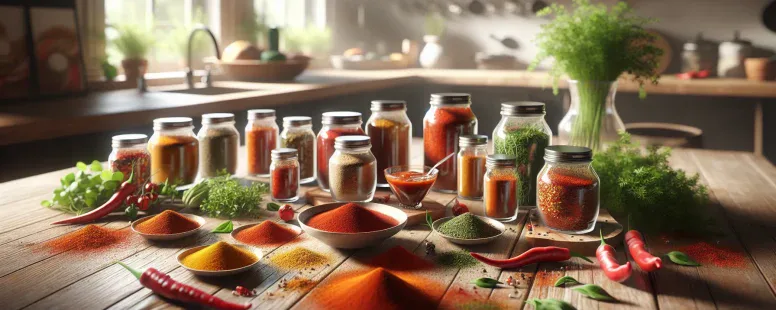
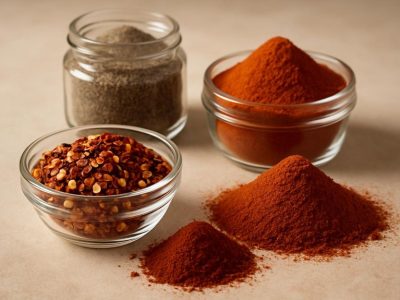
Your recipe’s calling for cayenne pepper, but your spice rack’s coming up empty. Don’t worry—you’re not out of options. That fiery kick and bold flavor cayenne brings to dishes can be recreated with some clever swaps you probably already have in your kitchen. Whether you’re looking for a milder heat or an equally intense punch, there’s a substitute waiting to rescue your meal.
Why Look For A Substitute For Cayenne Pepper?
Cayenne pepper’s intense heat and distinct flavor make it a staple in many kitchens, but there are situations when you might explore alternatives. Availability is a common reason—if you’re cooking and realize it’s missing from your spice rack, substitutes become essential. Health considerations also play a role; cayenne may not suit individuals sensitive to spicy foods or those with digestive issues.
Customizing heat levels is another factor. While cayenne delivers consistent spiciness, not every dish demands such intensity. Substitutes let you control the heat to match personal preferences or recipe requirements. Allergies can also prompt the search for replacements, especially if you’re accommodating dietary restrictions.
Exploring substitutes offers creative opportunities in your cooking. You can experiment with spices like paprika for mildness or crushed red pepper flakes for similar heat. This flexibility helps maintain the balance of flavors without compromising the dish’s integrity.
Best Substitute Options For Cayenne Pepper
When cayenne pepper isn’t available, you can use several alternatives to achieve similar heat and flavor. These substitutes cater to different spice levels and taste preferences.
Paprika
Paprika offers a milder, sweeter flavor compared to cayenne pepper. It’s ideal for dishes where you want vibrant color without excessive heat. Smoked paprika adds a smoky depth that’s perfect for barbecue sauces or roasted vegetables. Use an equal amount of paprika as a substitute, but note the milder taste may need additional seasoning.
Red Chili Flakes
Red chili flakes provide comparable heat intensity with a slightly coarser texture. They’re suitable for pasta dishes, soups, and pizza toppings. Replace one teaspoon of cayenne with 1–2 teaspoons of chili flakes depending on your spice tolerance. Keep in mind that the seeds within these flakes intensify the spiciness over time during cooking.
Hot Sauce
Hot sauce works well as a liquid alternative when you’re preparing marinades or dressings. Tabasco or Sriracha delivers both tanginess and heat that mirrors cayenne’s profile. Substitute one teaspoon of cayenne with 3–4 drops of hot sauce but adjust based on brand potency and dish requirements.
Chili Powder
Chili powder combines ground chilies with spices like cumin and garlic powder for layered flavors beyond just heat. It suits Mexican dishes such as tacos or enchiladas where complexity enhances the recipe’s authenticity. Use it at double the amount since it’s generally less spicy than pure cayenne.
Black Pepper
Black pepper is milder yet adds warmth to recipes lacking cayenne’s kick. Its earthy sharpness complements savory meals like stews or scrambled eggs without overwhelming other ingredients’ profiles—replace sparingly by starting small (e.g., ¼ teaspoon) then increasing gradually if needed.
Homemade Alternatives To Cayenne Pepper
When cayenne pepper is unavailable, homemade alternatives can replicate its heat and enhance your recipes. These options use common pantry items to create flavorful substitutes.
DIY Cayenne Pepper Blend
Create a custom spice blend that mimics cayenne’s heat. Combine 2 teaspoons of paprika with 1 teaspoon of crushed red pepper flakes for balanced flavor and spiciness. Add 1/4 teaspoon ground black pepper to enhance warmth without overpowering the mix. Adjust proportions based on your desired heat level.
Store this blend in an airtight container to maintain freshness, using it as a direct replacement for cayenne in soups, marinades, or rubs.
Spicy Herb Combinations
Herbs and spices can deliver unique flavors while substituting cayenne’s fiery kick. Mix equal parts dried thyme and smoked paprika for a smoky-spicy profile ideal for meats or roasted vegetables. For more intensity, integrate ground chili powder into the combination.
In dishes like stews or sauces, pair these blends with garlic powder or onion powder for added depth. Experiment with ratios to customize each recipe according to taste preference.
How To Choose The Right Substitute
Selecting the best substitute for cayenne pepper depends on your recipe, spice tolerance, and desired flavor profile. Understanding these factors ensures your dish retains its intended taste and heat balance.
Consider The Heat Level
Identify the spice level you want to achieve before picking a substitute. Cayenne pepper has a Scoville heat unit (SHU) rating of 30,000-50,000. If you’re aiming for similar intensity, crushed red pepper flakes or chili powder are effective options. For milder heat, paprika works well in sauces or stews without overwhelming other flavors.
Adjust quantities based on substitution strength. For instance, use only half the amount of crushed red pepper flakes compared to cayenne to avoid excessive spiciness. If using hot sauce as an alternative, remember that its SHU varies by brand; start with small drops and taste-test frequently.
Flavor Profiles And Dish Compatibility
Match the substitute’s flavor profile with your dish’s requirements for optimal results. Paprika adds sweetness and color but lacks cayenne’s sharpness—ideal for mild recipes like deviled eggs or roasted vegetables. Smoked paprika introduces a smoky undertone perfect for BBQ rubs or chili con carne.
Red chili flakes deliver comparable heat but less uniformity in texture; they’re great sprinkled over pizza or pasta dishes needing visual appeal. Chili powder offers earthy complexity suited for tacos or enchiladas due to its blend of spices like cumin and oregano.
Avoid substitutes that might clash with delicate dishes. Black pepper can add warmth instead of intense spice levels if you’re preparing creamy soups or light sauces where bold flavors aren’t needed.
Tips For Using Substitute Spices
Adjust Quantities Carefully
Use smaller amounts when substituting spices with a higher heat level than cayenne pepper. For instance, crushed red pepper flakes can easily overpower a dish if used in equal measure to cayenne. Begin with 1/4 teaspoon and adjust based on taste.
Match Heat Levels
Choose substitutes that align with the desired spice intensity of your recipe. Chili powder or hot sauce mimics cayenne’s heat well, while paprika offers a milder alternative for less spicy dishes.
Consider Flavor Profiles
Select spices that complement your dish’s overall flavor profile. Smoked paprika pairs beautifully with BBQ marinades due to its smoky undertone, whereas black pepper works better in creamy soups where subtle warmth is preferred.
Blend Spices When Necessary
Combine multiple substitutes if one alone doesn’t achieve the right balance of heat and flavor. A mix of chili powder and smoked paprika creates an excellent substitute for recipes requiring boldness and depth.
Test Before Adding More
Taste-test as you cook to avoid overwhelming flavors or excessive spiciness, especially when using potent alternatives like hot sauce or red chili flakes.
Account For Texture Changes
Liquid alternatives like hot sauce may alter the consistency of your dish; adjust other liquids accordingly to maintain balance without sacrificing texture quality in sauces or stews.
Use Visual Appeal Wisely
Opt for vibrant substitutes like red chili flakes or smoked paprika when visual elements enhance presentation, such as garnishing pizza, pasta dishes, or roasted vegetables.
Store Substitutes Properly
Keep substitute spices in airtight containers away from moisture and sunlight to preserve their potency longer—paprika loses color and flavor faster under improper storage conditions compared to dried chili flakes.
Conclusion
Finding the right substitute for cayenne pepper lets you maintain flavor and heat in your recipes without missing a beat. By understanding your dish’s needs and experimenting with alternatives, you can create meals that suit your taste preferences and spice tolerance. Whether you’re reaching for paprika, red chili flakes, or even hot sauce, each option offers unique benefits to elevate your cooking.
Don’t hesitate to get creative by blending spices or adjusting quantities to achieve the perfect balance. With these versatile substitutes at your fingertips, you’ll be ready to tackle any recipe confidently and deliciously.
To provide the best experiences, we use technologies like cookies to store and/or access device information. Consenting to these technologies will allow us to process data such as browsing behaviour or unique IDs on this site. Not consenting or withdrawing consent, may adversely affect certain features and functions.
Functional
Always active
The technical storage or access is strictly necessary for the legitimate purpose of enabling the use of a specific service explicitly requested by the subscriber or user, or for the sole purpose of carrying out the transmission of a communication over an electronic communications network.
Preferences
The technical storage or access is necessary for the legitimate purpose of storing preferences that are not requested by the subscriber or user.
Statistics
The technical storage or access that is used exclusively for statistical purposes.The technical storage or access that is used exclusively for anonymous statistical purposes. Without a subpoena, voluntary compliance on the part of your Internet Service Provider, or additional records from a third party, information stored or retrieved for this purpose alone cannot usually be used to identify you.
Marketing
The technical storage or access is required to create user profiles to send advertising, or to track the user on a website or across several websites for similar marketing purposes.