Best Electric Guitar For Beginners
An electric guitar rewards practice faster than most instruments. It lets you shape tone with a knob twist, bend notes that sing, and play loud or quietly with a practice amp. If you want quick gratification and long-term growth, an electric is a smart first choice. This guide shows you how to pick the best electric guitar for beginners, compares realistic options by budget, and gives hands-on setup and practice tips so you start playing with confidence.
Why Choose An Electric Guitar As A Beginner
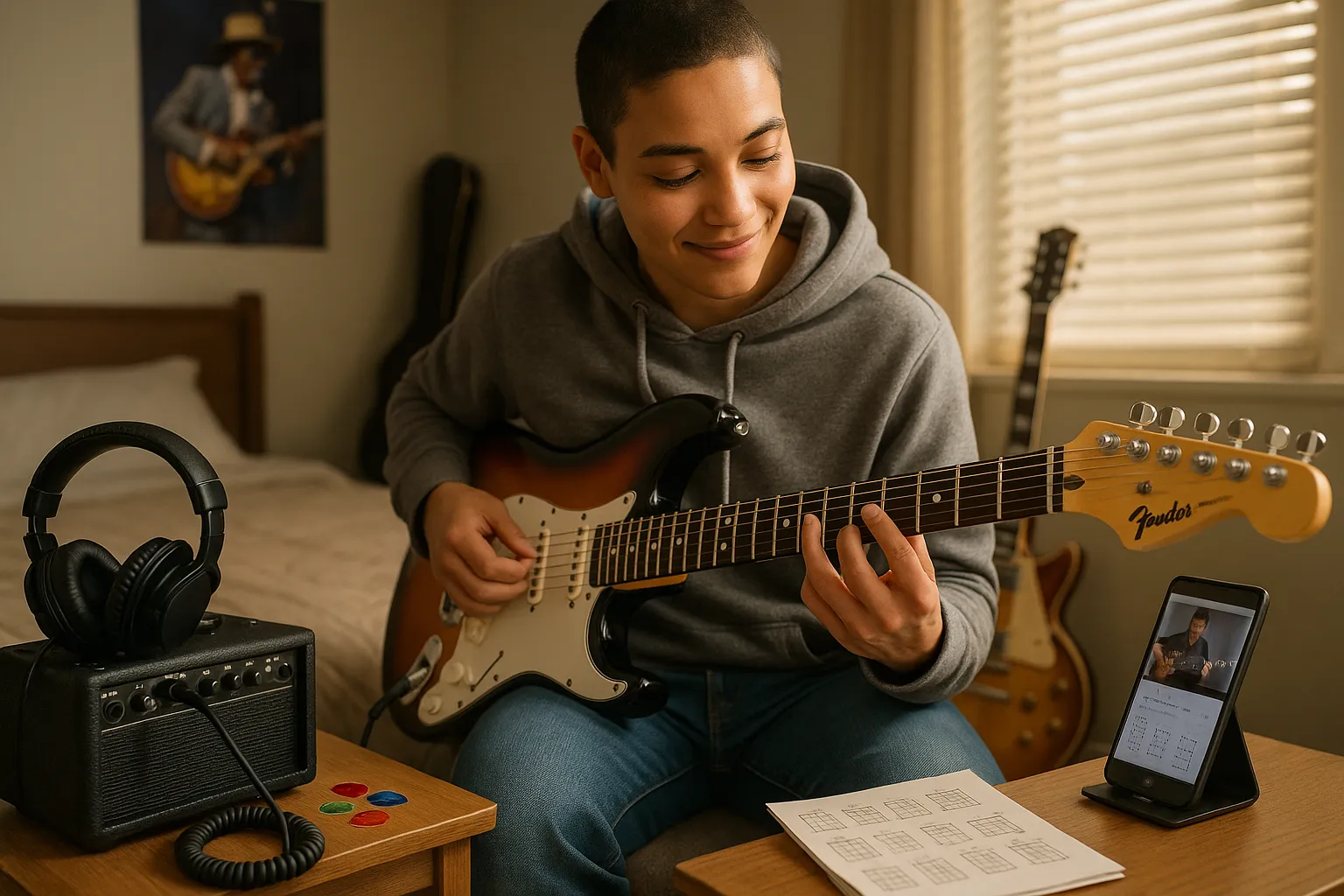
Fact: Electric guitars are easier to fret, bend, and amplify cleanly than many acoustics. You can lower action and lighter strings to reduce finger pain. That means faster progress in your first months.
Electric guitars let you hear details. Plugging into an amp reveals timing, tone, and mistakes more than an unplugged acoustic. You also get wide tonal choices, clean, crunchy, distorted, so you can explore styles from blues to metal on one instrument.
A practical benefit is volume control. With a small practice amp or headphones you can play late without bothering others. Brands like Fender (Player Series), Squier (Affinity), Yamaha (Pacifica), and Epiphone (Les Paul) make reliable starter instruments. Those names matter because they offer consistent quality and accessible setups.
A minor drawback is that electrics need extra gear: amp, cable, picks. But the extra cost buys versatility and a gentler learning curve. If you value playability and fast feedback, an electric is often the best choice for beginners.
How To Choose The Right Beginner Electric Guitar
Fact: You should pick a guitar that fits your hands and music taste first, then consider brand and price. The right instrument encourages practice: the wrong one creates frustration.
Body Style, Weight, And Comfort
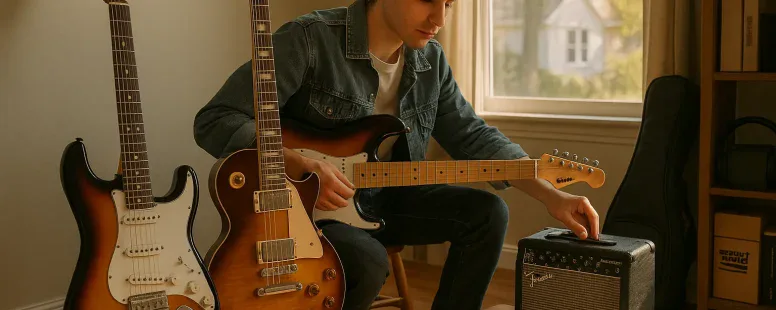
Pick a body shape you enjoy holding. Strat-style bodies are curved and light: Les Paul–style guitars are thicker and heavier. If you sit while playing, a contoured body like a Fender Strat or Squier makes long sessions easier. If you stand, check strap balance to avoid neck dive. Try models from Fender, Squier, Yamaha, Epiphone, and Ibanez in a store to feel the difference.
Neck Profile, Scale Length, And Fretboard Radius
Clear answer: Neck shape and scale length affect reach and comfort. Shorter scale (24.75″) like on many Gibson-style guitars reduces string tension and eases bends, good for smaller hands. Longer 25.5″ scales (Fender-style) give tighter feel and clearer low notes. Neck profiles range from slim to chunky: slim C profiles suit most beginners because they allow easier fretting.
Pickups And Electronics (Single-Coil Vs. Humbucker)
Fact: Single-coils sound bright and articulate: humbuckers sound thicker and louder. If you prefer clean tones, surf, or classic rock, single-coils (Fender, Squier) are ideal. If you like heavier distortion or jazz warmth, a humbucker (Epiphone Les Paul, PRS SE, some Ibanez models) works better. Some guitars offer coil-splitting for both options.
Hardware, Tuners, And Bridge Types
Clear point: Stable tuners and a solid bridge keep you in tune and simplify string changes. Locking tuners reduce tuning drift. Fixed bridges (hardtail) are easier for beginners than tremolo systems. If you want vibrato, choose a simple tremolo like Fender’s two-point rather than a complex Floyd Rose, which requires more maintenance.
Playability, Action, And Factory Setup Considerations
Start with low action. Factory setups vary: many beginner guitars need a basic setup to play well. Check action height, intonation, and relief. Many stores will do a basic setup for a small fee. You should prefer a guitar that plays cleanly at moderate action, this reduces pain and speeds learning. If a guitar buzzes badly at first, ask for setup or skip that instrument.
Recommended Beginner Electric Guitars By Budget
Fact: You can find usable electric guitars at every budget level: what changes is longevity and build quality. Here are practical picks by price band.
Under $200: Best Value Options
Clear answer: Look for a complete package, guitar plus amp bundle, from trusted brands. Squier Affinity Series Strat, Yamaha Pacifica PAC012, and used instruments from Epiphone or Ibanez often fall here. They give playable necks and serviceable hardware. Expect plastic knobs, basic tuners, and factory setups that may need tweaks. These guitars let you learn technique without a big investment.
$200–$500: Best Balance Of Quality And Playability
Fact: In this range you get better wood, improved electronics, and more stable hardware. Fender Player (used or sale models), Squier Classic Vibe, Epiphone Les Paul Studio, and PRS SE Silver Sky (used) fit here. These models hold tune better, have nicer neck finishes, and produce richer tones. If you can spend in this range, you’ll likely keep the guitar for years with minor upgrades like new tuners or pickups.
$500+: Best Long-Term Investments For Beginners
Clear point: Above $500 you buy guitars that sound and feel pro-level. Fender Player Plus, PRS SE, boutique used Les Pauls, and mid-tier Ibanez models offer higher-grade pickups, improved fretwork, and better setups. These instruments reward practice and reduce the need to upgrade later. If you’re serious and plan to play for years, this is worth it.
Best Options For Smaller Hands Or Shorter Scale Preference
Fact: For smaller hands choose 24.75″ scale guitars: many Gibson-style Epiphone Les Pauls, some PRS SE models, and certain Ibanez guitars. Yamaha Pacifica also offers comfortable neck profiles. Try a 7/8 or short-scale model if you find full-size necks cramped. Smaller scale eases fretting and bending, especially for younger players.
Essential Accessories And Setup Tips For New Players
Fact: A few accessories improve practice quality far more than buying a slightly better guitar. Start with a reliable amp, a tuner, and good strings.
Amp Options, Practice Headphones, And Modeling Alternatives
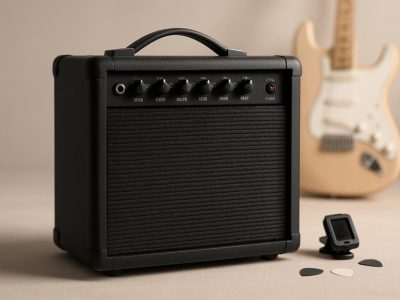
Practical answer: Choose a small practice amp 10–20W for home use. Fender Champion, Orange Crush, Boss Katana Mini, and Yamaha THR series are common picks. Modeling options like Positive Grid Spark or Line 6 Catalyst let you use headphones and guitar apps for tone presets and lessons. Headphone-compatible amps help you practice without disturbance.
Cables, Picks, Straps, Cases, And Other Basics
Clear list: Get a 10–20 ft cable from Fender, Mogami (or a decent budget cable), a clip-on tuner (Korg, Snark), assorted picks (thin, medium, heavy), a padded gig bag or hard case, and a strap. A string winder and wire cutters make restringing easier. Those items save time and frustration.
Basic Setup: Action, Intonation, String Gauge, And Truss Rod
Fact: Proper setup improves playability. Set action to a comfortable height (about 1.5–2.5 mm at the 12th fret for electrics, personal preference varies), check intonation with a tuner, and adjust truss rod for slight neck relief. Lighter gauges (.009–.046) ease fretting: .010–.046 is a common beginner choice. If you are unsure, ask a tech for a $50–$100 setup.
Maintenance Tips To Keep A Beginner Guitar Playing Smoothly
Clear tips: Wipe strings after playing, change strings every 2–3 months (more if you sweat), and keep the instrument in moderate humidity (40–50%). Tighten loose hardware, lubricate nut slots with pencil graphite if strings bind, and store the guitar in a case. Regular small maintenance prevents big repairs later.
Beginner Practice Roadmap And Next Steps
Fact: Structured practice beats random noodling. A simple roadmap accelerates progress and keeps you motivated.
First Skills To Master: Chords, Scales, And Strumming Patterns
Clear plan: Start with open chords (E, A, D, G, C) and simple strumming patterns for rhythm. Add power chords and the minor pentatonic scale for lead playing. Practice slow with a metronome, then raise tempo. Work 15–30 minutes daily focusing on one skill: chords one day, scales the next.
Three Easy Songs And Exercises To Build Confidence
Practical picks: 1) “Knockin’ on Heaven’s Door” (G, D, Am), focus on smooth chord changes. 2) “Seven Nation Army” riff, learn single-note rhythm and tone. 3) A 12-bar blues in A, practice shuffle rhythm and basic pentatonic soloing. Also practice chromatic exercises across the fretboard to build accuracy.
When To Upgrade: Signs You Need A Better Guitar Or Setup
Clear indicators: You should upgrade if the neck is warped, electronics constantly fail, tuning is unstable after proper setup, or the tone feels thin even though new strings and a good amp. Another sign: You stop feeling challenged by the instrument’s limits and want more sustain, better pickups, or a different neck. If your current guitar plays well after a professional setup, you can often keep it while you upgrade amplification or pedals first.
Final push: Start with a comfortable, well-setup instrument, practice with intention, and replace gear when it actively limits your progress. Pick one good teacher, app, or course and stick with it for a few months, consistency beats gear every time. Now plug in, lower the amp, and play.

- Free Alternatives to Koala Sampler - September 28, 2026
- Xtandi Competitors in Prostate Cancer Treatment - September 28, 2026
- Ditch Pip: Top Fast UV Alternatives for Python - September 28, 2026
by Ellie B, Site Owner / Publisher