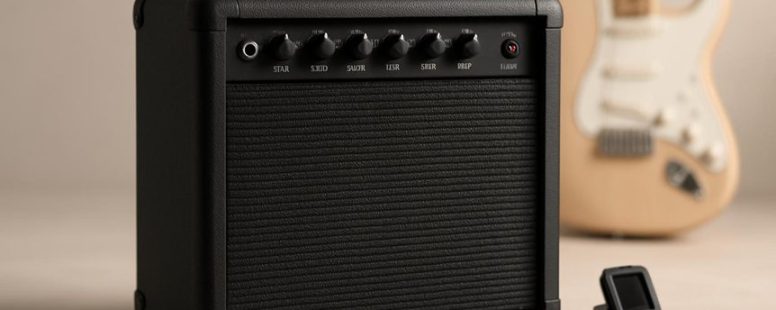
Best Amp for Beginner Guitar
Choosing the perfect beginner guitar amp can feel like searching for a needle in a haystack—overwhelming and confusing.
Imagine plugging in for the first time, the warm hum of the amp filling the room like a gentle breeze. You want something simple that sparks your creativity without drowning out your progress with unnecessary features.
The right amp can be your silent partner, helping you practice quietly while still inspiring big sound. Surprisingly, some compact options offer rich tones and portability that make jamming on the go a breeze.
Navigating this maze of choices might seem daunting, but knowing what truly matters can turn the journey into an exciting discovery.
Key Features to Look for in Beginner Guitar Amps
A beginner guitar amp is a simple device that makes your guitar sound louder. The best amps for beginners have specific features that help you learn and enjoy playing.
First, look for amps with built-in effects like reverb or delay. These effects add echoes and depth to your sound without needing extra gear. For example, a small Fender Frontman amp has reverb built in and is popular among new players. These effects can make your practice more fun and interesting.
Second, a headphone jack is very important. It lets you practice quietly without disturbing others. Imagine playing late at night without waking your family—that’s where a headphone jack helps. Some amps also have volume control just for headphones, so you can listen without turning up the main volume.
Third, simple controls are better for beginners. Look for amps with just a few knobs for volume, tone, and gain. Too many options can be confusing when you’re just starting out. Brands like Blackstar or Marshall have beginner models with easy-to-understand controls.
Fourth, decide between solid-state and tube amps. Solid-state amps are cheaper, lighter, and more reliable. They are a good choice if you want something easy to carry and use. Tube amps sound warmer and richer, but they cost more and are heavier. If you want a good, affordable amp, a solid-state model is a safe choice, but if you want that classic tube tone and are willing to spend more, a tube amp may be better.
Finally, think about portability. A small, lightweight amp is easier to carry to lessons, jam sessions, or gigs. If you plan to move your amp around often, look for one that isn’t too heavy.
In conclusion, a good beginner guitar amp should have built-in effects like reverb, a headphone jack, simple controls, and be easy to carry. Both solid-state and tube amps have pros and cons, so pick what fits your budget and style. Remember, the right amp helps you practice more and enjoy your guitar journey.
Keep in mind that some brands might exaggerate features or claim they are the best without proof. Always check reviews or ask other beginners for advice before buying.
How Much Should You Spend on Your First Beginner Guitar Amp?
The best beginner guitar amps usually cost between $50 and $150. This range offers good sound quality and useful features without costing too much. If you spend less than $50, the amp might be too weak or sound bad. If you spend more than $150, you might pay for fancy features you won’t really need as a beginner.
For example, brands like Fender and Blackstar make good starter amps in this price range. They usually have enough power and tone options to help you practice and learn. But be careful—some cheap amps may have poor sound or break easily.
There are two main views on how much to spend. Some say it’s better to buy a cheap amp and upgrade later when you get better. Others believe spending a little more upfront can give you better sound and last longer. Both ideas have pros and cons. Cheaper amps are easier on the wallet, but they might not motivate you to practice because they don’t sound good. More expensive beginner amps can be worth it if you plan to stick with guitar for a while.
If you are just starting out, look for an amp that’s portable, easy to use, and has enough power for practice at home. Don’t get caught up in buying all the extra features now. Focus on finding a simple amp that helps you learn and enjoy playing.
In the end, it’s about balance—spend enough to get a good sound, but don’t overspend on features you won’t use. Remember, a good beginner amp should help you grow as a player without breaking your budget.
Budget Range Options
A beginner guitar amp should be simple and affordable. The best budget amps usually cost between $50 and $200. These amps give good sound without costing a lot. They are great for practice at home and basic jam sessions. Some popular brands that make affordable amps are Fender, Marshall, and Blackstar.
When choosing a budget amp, think about what you need most. Do you want just a small amp for quiet practice? Or do you want something that can get louder for small gigs? Smaller amps are easier to carry and perfect for practicing. Bigger amps can be louder but are often more expensive and heavier.
It’s also smart to buy some extra gear. A good cable, a tuner, and a decent guitar strap can make your practice better. Remember, you don’t need to buy the most expensive amp to sound good. Focus on what fits your style and space.
Some people think cheap amps are not good enough. But many budget amps work well for beginners. They might not have all the fancy effects or power of high-end models, but they do the job. Just be aware that cheaper amps might not last as long or sound as rich as pricier ones.
Starting with an affordable amp lets you learn without spending too much. When you get better, you can always upgrade later. For now, find an amp that feels right for you, and enjoy making music.
Value Versus Features
A good guitar amplifier isn’t just about the lowest price. Spending a little more can give you better sound quality and make the amp last longer. When choosing how much to spend, focus on value. Don’t just look at the price tag—think about what features you really need for your playing style.
For example, do you want built-in effects like reverb or delay? Is portability important so you can carry it easily? Or are you mostly after a clear, clean tone? For beginners, finding an amp that has the core features without extra stuff can be the best deal. It helps you learn without getting overwhelmed or wasting money on things you don’t need.
Some amps that cost a bit more might be a better investment because they can grow with you. If you buy a cheap amp, you might need to replace it soon. But a slightly pricier one can last longer and support your skills as you improve.
Picking the Right Amp for Your Guitar and Music Style
Choosing the right guitar amp depends on what sound you want and what style of music you play. First, think about your tone. Do you want a clear, bright sound or a rough, distorted one? If you like clean sounds, look for amps that can give you that crisp tone. If you want heavy distortion, choose an amp that can produce that gritty sound easily.
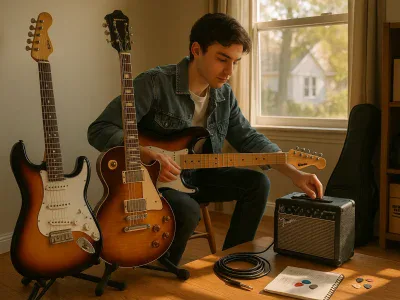
Next, consider your music style. For example, blues players often prefer tube amps because they give warm, rich sounds. Metal players might go for high-gain solid-state amps to get that powerful, aggressive tone. Think about how your guitar reacts through different amps. Single-coil pickups like on a Fender Stratocaster sound different from humbuckers like on a Gibson Les Paul. The amp needs to match your guitar’s pickups for the best sound.
Also, think about how flexible the amp is. If you play different styles or are still trying to find your sound, look for amps with multiple settings or effects. This way, you can experiment and find what works best for you. Remember, the best amp should motivate you to play more and enjoy your music. It should fit your guitar and help you reach your musical goals.
Some players swear by tube amps for warmth, but they can be heavier and more expensive. Others prefer solid-state amps for being lighter and cheaper, but sometimes they don’t sound as natural. Both options have pros and cons. Decide what matters most to you.
In the end, try out different amps in a store if you can. Listen carefully and see which one makes you want to play more. Your perfect amp is the one that makes your guitar sound good and keeps you inspired.
Top 5 Beginner Guitar Amps for Great Sound and Ease
A beginner guitar amp is a small electronic device that makes your guitar sound louder and better. Choosing the right one depends on how good it sounds, how easy it is to use, how much it costs, and if it’s easy to carry around. When people look for the best beginner amps, they want something simple but also good enough to help them learn and enjoy playing.
Here are the top 5 beginner guitar amps, each with a quick look at what makes them good or not so good. Think about what matters most to you—like price, size, or how the sound feels. Some amps might be cheap but don’t sound very good at high volume. Others might be easy to turn on and tweak but cost more. It’s a balance.
For example, the Fender Champion 20 is easy to use and sounds nice for practice, but it might be too small for band practice. The Marshall MG10 is known for its clear tone, but it can be a little complicated for total beginners. The Line 6 Spider V Mini offers lots of effects, which is fun, but it can be overwhelming if you just want simple sound. The Blackstar Fly 3 is tiny and portable, perfect for practice on the go, but it might not have enough power for bigger rooms. Lastly, the Roland Cube 10GX gives good sound quality and effects, but it might be a bit pricier.
Some people say you should pick an amp that matches your style. If you like practicing quietly, look for one with a headphone jack. If you want to jam with friends, get a bigger one. Others warn that small amps might not give enough volume or bass for larger spaces.
Sound Quality Comparison
Sound Quality Comparison
When choosing a beginner guitar amp, sound quality really matters. Here are the key things to look for, based on what makes an amp sound good and easy to use.
First, Tone Shaping is important. Good amps have simple controls so you can quickly find the sound you want. Whether you like a warm clean tone or a crunchy overdrive, you should be able to dial it in easily. For example, the Fender Frontman 10G has straightforward knobs that let you adjust your tone without fuss.
Second, Amp Modeling can give you many different sounds in one amp. Some amps have built-in models that imitate famous amplifiers, so you don’t need extra gear. This is great if you want to experiment and find your favorite sound. The Boss Katana Mini is a popular choice because it offers different amp types at a low price.
Third, Clarity and Response matter a lot. Your amp should pick up every detail of your playing and reproduce it clearly. This helps you hear how your fingers move and what notes sound best. Some amps, like the Blackstar Fly 3, respond quickly to your playing, making practice more inspiring.
However, some amps might look good but fall short in sound. For example, cheaper models may distort easily or lack variety. Be cautious and read reviews before buying. Also, remember that an amp with many features might be complicated for beginners, so choose one that balances options with simplicity.
User-Friendly Features
A beginner-friendly guitar amp is one that is easy to use and simple to set up. The main features to look for include controls that are straightforward and an interface that is not confusing. For example, brands like Fender or Orange make amps with clear knobs and simple layouts that are perfect for beginners.
An important point is portability. Light and small amps, like the Boss Katana Mini, are easy to carry to lessons or practice sessions. Imagine carrying a small backpack—it makes practice less stressful. Clear sound quality is also key. You want to hear your guitar without distortion, so you can tell if you are playing the right notes.
Another good feature is versatile settings. This means you can try different sounds without needing extra equipment. Easy setup is helpful too, so you won’t waste time figuring out how everything works. Lastly, a durable amp that can take some bumps and knocks will last longer, saving you money over time.
Some beginners might find simple amps limiting as they improve. But if you want something straightforward and dependable, these features will help you enjoy your guitar journey. Just remember, not all amps are created equal. Some cheaper models might not last or sound good enough, so it’s worth reading reviews and trying them out first.
Price and Portability
Price and portability are key when choosing a beginner guitar amp. If you plan to move your amp often, you want something affordable and easy to carry. Here are the main points to consider:
- Affordable price range – Look for amps that give good sound without costing too much. Brands like Fender and Yamaha make budget-friendly options that sound decent for beginners.
- Compact size and weight – Smaller amps are easier to carry. Think about a small practice amp that can fit in your car or backpack.
- Built-in handles or straps – Features like handles or straps make carrying your amp more comfortable. Some amps even have wheels for easy transport.
Some people might think cheaper amps sound worse, but many affordable options are good enough for beginners. Others may worry about durability. If you buy a lightweight amp, check if it’s sturdy enough to last through frequent moves.
For example, the Fender Champion 20 is popular because it’s small, light, and affordable. But some users say it lacks power for band practice. So, decide what matters most to you: portability or volume.
In the end, find an amp that fits your budget and feels easy to carry. That way, you can focus on playing instead of lugging gear around. Do you really need a tiny amp? Or would a slightly bigger one give you more sound? It depends on your needs and plans.
Beginner-Friendly Amp Features to Simplify Learning
Learning to play guitar can seem hard at first. Picking the right amp can help a lot. The best beginner amps have simple features that make it easier to learn and practice. Look for amps with easy-to-use tone controls like bass, mid, and treble knobs. These let you change your sound without confusing settings. It’s like having a basic paint set instead of lots of complicated colors.
Also, practice features like built-in metronomes (that keep time), headphone jacks, and auxiliary inputs are very useful. For example, you can practice quietly with headphones or jam along to your favorite songs. This makes practicing more fun and less annoying for others.
Some amps may have too many options, which can confuse beginners. Be careful with those that have complicated menus or lots of effects. A simple amp with clear controls helps you focus on learning.
Keep in mind that even the best beginner amps aren’t perfect. They might not have all the power or features you want later on. But for starting out, simple and practical amps are a good choice. They help you get comfortable with your guitar and make practicing less frustrating.
Tips for Setting Up and Using Your Beginner Guitar Amp
Setting up your beginner guitar amp the right way makes playing more fun and helps you sound better. Here’s what you need to know to get started.
First, start with all the knobs at the middle position, often called noon. This gives you a neutral sound and helps you understand how adjusting each control changes your tone. Think of it like finding the middle ground before you fine-tune your sound.
Next, turn up the gain and volume slowly. If you go too high too fast, your sound can get fuzzy or loud enough to hurt your ears. Gradual adjustments protect your hearing and help you find a clear, balanced sound.
Finally, don’t be afraid to experiment. Adjust the tone controls like bass, midrange, and treble during your practice sessions. Playing with these settings can help you find sounds that inspire you. For instance, a bright tone might make your solos sparkle, while a warmer sound can make your chords feel cozy.
Some people say you should do all this quickly, but taking your time improves your tone and confidence. Setting up your amp well can make a big difference in how much you enjoy playing and learning the guitar. Remember, a little prep helps you sound better and feel more confident. So, don’t rush it—your future self will thank you!
Signs It’s Time to Upgrade Your Beginner Guitar Amp
Knowing when to upgrade your beginner guitar amp is simple. The main sign is when your current amp no longer keeps up with your playing. For example, if you start wanting richer distortion, higher volume, or cleaner sounds that your amp can’t give you, it’s time to think about a new one.
Some amps just don’t have enough features. Maybe you want more control over your tone or louder volume for band practice. If your sound feels flat or lacks depth, upgrading can help you grow as a player. But be careful — not every new amp will instantly make you better. Some amps are only good for beginners, and upgrading too early might waste money.
Think of it like changing shoes. You don’t need new shoes every month, only when your current ones no longer fit or support you. The same goes for amps. If your current gear is holding back your progress or you’re feeling frustrated, it’s a good sign to look for something better.
Some players worry about spending too much money. It’s true that better amps can be expensive. However, if you’re serious about playing guitar, investing in a good amp can boost your confidence and creativity. Just remember, not all upgrades are worth it. Do some research, compare brands like Fender, Marshall, or Blackstar.
In the end, upgrading your amp is about matching your gear to your skills and goals. Don’t wait until you’re totally frustrated. Recognize these signs early and choose an amp that helps you sound your best. When you do it right, upgrading can make playing much more fun and inspiring.
Why Portability Matters When Choosing a Beginner Amp
Choosing a beginner guitar amp that is portable is very important. A lightweight amp is easier to carry around. This means you can take it to lessons, practice in different places, or jam with friends without a big hassle. If your amp is heavy, you might not want to bring it often, which can stop you from playing as much as you want.
Some people think bigger amps sound better. That’s true sometimes, but they are also heavier and harder to move. Smaller amps might not have the same power, but they are easier to take anywhere. Brands like Fender and Boss make good small amps that are popular with beginners.
There are two sides to this. One is that portable amps make it simple to practice wherever you want. The other is that some small amps might not be loud enough for band practice or big rooms. So, if you want to play loud or in a big space, you might need a bigger amp later. But for learning and casual practice, a small, portable amp is a smart choice.
Think about how you plan to use your amp. If you often practice at home or in small spaces, a small amp is perfect. If you want to perform or practice with a band, you might need a larger amp later. Just remember, a portable amp makes it easier to keep playing without the weight holding you back.

- WxWidgets Alternatives for Cross-Platform GUI Development - October 22, 2026
- Best Tpu - October 21, 2026
- Mikrotik Product Comparison - October 20, 2026
by Ellie B, Site Owner / Publisher