Best App for Beginners Running
Starting a running journey can feel like stepping into uncharted territory, with each stride promising new challenges and rewards.
Choosing the right app is like finding a trusted map—guiding you through the initial confusion and keeping your motivation fueled. The right tool not only tracks your progress but also whispers encouragement when you need it most, turning your footsteps into a rhythm of confidence.
Surprisingly, some beginner-focused apps can even boost your mental well-being by making every run feel like a small victory, transforming obstacles into opportunities.
With the right app in your hand, you’ll feel more like a trailblazer than a newcomer—ready to turn your running dreams into a vibrant reality.
Key Features to Evaluate in Beginner Running Apps
A good beginner running app should have some key features to help you stay motivated and safe. First, community support is important. Apps like Strava or Nike Run Club connect you with other runners, so you feel less alone and can share your progress. This makes running more fun and keeps you going when you want to give up. Second, personalized coaching is helpful. Apps like Couch to 5K change their advice based on how fast you run and how often you work out. They help you improve without pushing too hard or getting hurt.
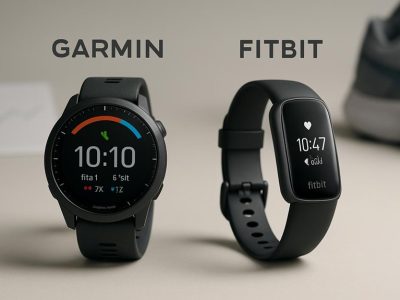
Another feature to look for is accurate run tracking. Apps like Garmin or MapMyRun use GPS to give precise data on how far and how fast you run. Clear progress reports are also important so you can see how much you improve over time. Without these, you might lose interest or push yourself too much and get injured.
Some apps promise a lot but don’t deliver. For example, they might have flashy features but lack good coaching or community support. Always check reviews and see if the app works well for beginners. Remember, the best app is one that encourages you, guides you safely, and helps you see your progress. If it doesn’t do these, it might not be the right choice for your first running journey.
Choosing a Running App Based on Your Goals
Choosing the right running app depends on your goals, and knowing what to look for can help you pick the best one. Different apps focus on different features, so it’s good to match the app to what you want to achieve. Here are steps to help you decide:
First, identify your main goal. Do you want to lose weight, run longer distances, run faster, or just stay consistent? For example, if weight loss is your aim, look for an app that tracks calories burned and offers diet tips. If you want to build endurance, find one that records distance and pace over time.
Next, check if the app allows goal setting. Can you set milestones like running a mile in under 10 minutes? Or adjust your plan if you get injured or busy? Apps like Nike Run Club or Strava let you set and change goals easily.
Then, focus on progress tracking features. Does it show your distance, pace, and calories burned clearly? Some apps give you graphs and summaries, which help you see how you’re improving. An app that keeps you motivated will have visual progress reports.
Finally, see if the app offers personalized advice or coaching. Some apps, like Runkeeper or Adidas Running, offer feedback based on your data. This can be helpful if you want a coach in your pocket, but beware—some features might require a subscription.
Top Running Apps That Make Starting Easy
Running apps are a big help when you want to start running. The best ones give simple steps for beginners and connect you with other runners. For example, Couch to 5K is popular because it guides you gradually from walking to running. It makes each workout easy to do, so you don’t get overwhelmed. These apps also let you see your progress and join challenges, which keeps you motivated. Nike Run Club is another good app that tracks your runs and shows how much you improve. Some apps have social features, so you can share your wins and cheer on friends. But be careful — not all apps are perfect. Some might push you too hard or lack good guidance. It’s smart to pick an app that gives clear instructions and lets you connect with others. That way, running stays fun and not stressful, even for beginners.
Building Endurance Safely With Running Apps
Building endurance safely with running apps is about understanding how these tools help prevent injuries and make running easier. Here are some simple ways they work and what to look for:
First, the best running apps guide you to increase your distance and speed slowly. This helps protect your muscles and joints from too much strain. For example, if you run 1 mile today, the app might recommend adding a little more next week. This way, your body can get stronger without getting hurt.
Second, many apps give you real-time feedback on your running form. They might tell you if you’re leaning too far forward or if your stride is too long. This helps you run better and avoid problems like sore knees or shin splints. Think of it like having a coach watching over your shoulder.
Third, scheduled rest days are key. Good apps remind you to take breaks so your body can recover. Running every day without rest can cause overtraining and injuries. Rest is when your body heals and gets stronger.
Fourth, some apps warn you about injury signs. They might ask how your legs feel or if you notice pain. If you get any warning, take a break and check with a doctor if needed. Recognizing early signs of strain can stop small problems from turning into serious injuries.
Some people worry these apps might be too cautious or not personalized enough. While they are helpful, it’s still smart to listen to your body and not push through pain. Also, if you rely only on apps and ignore your feelings, you might miss important signals.
In the end, running apps are a good guide. They help you build endurance in a safe way. But always remember to balance app advice with what your body tells you. Running should feel good, not painful. If you’re new to running, start slow and use these tools to stay safe and strong.
Motivating Features in Running Apps for Beginners
Motivating features in running apps help beginners stay committed to running. These features make it easier to keep going, especially on days when motivation is low. For example, many apps include a community where users can share their progress and cheer each other on. This support makes running feel less lonely and more like a team effort. Some apps also use fun tools like earning badges, leveling up, or taking part in challenges. These small wins make workouts feel more rewarding and keep users excited to continue.
However, there are some limits. Not everyone finds social features helpful; some people might prefer solo runs without distractions. Also, gamification can sometimes feel more like a distraction than motivation. If the app’s rewards don’t match what you value, it might not help you stay consistent.
Best Apps for Tracking Your Running Progress
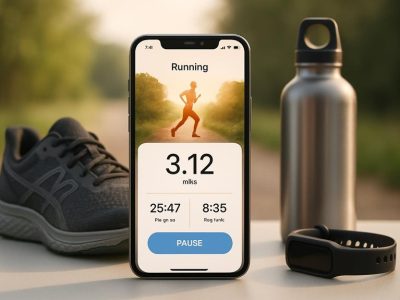
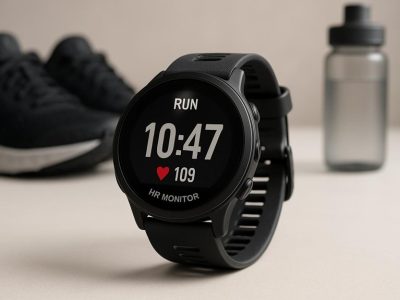
Tracking your running progress is a must if you want to stay motivated and get better. The best apps for this are those that measure distance accurately and are easy to use. If an app is complicated or gives wrong data, it can ruin your run and your motivation. So, when choosing the top options, look for apps that are simple to use, give precise distance info, and work well on your phone or smartwatch.
Some popular apps include Strava, Nike Run Club, and MapMyRun. Strava is great for runners who love sharing their runs and competing with friends. Nike Run Club offers guided runs and coaching tips, which help if you want to improve. MapMyRun tracks your route and gives you stats to see how you’re doing over time. But remember, no app is perfect. Some might drain your battery fast or not work well in areas with poor GPS signals. So, pick the one that fits your style best.
In the end, the best app is the one you will actually use. Test a few, see which feels easiest to you, and check if it keeps your data accurate. Whether you’re running for fun or aiming for a new record, good tracking tools can help keep you moving forward.
Accurate Distance Measurement
Accurate distance measurement means knowing exactly how far you have run. This helps keep runners motivated and honest about their progress. The best running apps give precise distance data using GPS. Here’s why that matters:
First, reliable distance tracking stops runners from thinking they went farther or less far than they really did. For example, if your app underestimates your run, you might feel discouraged. If it overestimates, you might push too hard without realizing. Good apps like Strava and Nike Run Club use strong GPS signals to prevent this.
Second, knowing your pace accurately helps you change your effort during a run. If your app shows you’re running too slow or fast, you can adjust right away. For instance, if you want to run a 10-minute mile, your app can tell you if you’re on track or need to speed up. Some apps even give real-time updates to help you stay consistent.
Third, detailed maps of your route show you where you’ve gone. This helps you plan new runs or find new paths. Imagine running through a park and seeing exactly where you’ve been—this makes running more fun and less confusing. Apps like MapMyRun provide clear route maps.
Fourth, keeping track of your past runs helps you see your progress and set new goals. You can look back and see how much faster you’ve gotten or how much farther you’ve gone over time. This makes running feel more rewarding and motivates you to improve. Many apps save your history automatically.
However, some apps can have limitations. GPS signals can be weak in tall buildings or dense forests, causing inaccuracies. Also, some free apps might not be as precise as paid ones. So, it’s good to compare apps based on GPS reliability, ease of use, and features.
In the end, choosing an app with good GPS accuracy, clear maps, and reliable data makes your runs better. It helps you stay motivated, see progress, and enjoy every mile. But remember, no app is perfect. Always double-check your distance if you’re training for something important.
User-Friendly Interface
A good running app should be easy to use. It needs a simple design so you can start running without confusion. If the app has confusing menus or too many options, you might get frustrated and stop using it. Look for apps that clearly show your main stats, like how far you ran, your pace, and the time. These numbers help keep you motivated. For example, Nike Run Club and Strava are popular because they are simple and show your progress clearly.
Some apps might have fancy features but are hard to use. Others might be easy but lack important info. The best running app balances both. But be careful. Some apps claim to be the best but are cluttered with ads or extra features you don’t need. A straightforward app lets you focus on running, not messing around with settings.
In the end, pick an app that’s easy to learn, shows the info you need, and helps you stick to your routine. Don’t waste time with complicated apps that slow you down. Simplicity is key.
Tips to Get the Most From Your Running App
Using a running app can make your workouts better in many ways. Here are some simple tips to get the most out of your app and improve your runs:
- Set clear and realistic goals. Knowing exactly what you want helps keep you motivated. For example, aim to run three miles without stopping or improve your time by a minute. If your goals are too big or vague, you might lose interest quickly. Break them into smaller steps so they feel doable.
- Use progress tracking features every day. Many apps show your distance, pace, and calories burned. Seeing your progress can make you want to keep going. For example, if you notice your speed improving or your distance increasing, it feels like a small win. But be careful—focusing only on numbers might make you discouraged if progress slows down.
- Customize your workouts based on your current fitness level. If you’re just starting, use beginner plans to avoid overdoing it. Many apps like Nike Run Club or Strava have easy-to-follow programs. For experienced runners, try more advanced routines. Remember, pushing too hard too soon can cause injuries, so listen to your body.
- Take advantage of reminders and notifications. Set alerts to remind you to run or to check your stats after each workout. This helps create a routine. But don’t rely on notifications alone; you still need to stay committed. Sometimes, too many alerts can become annoying and cause you to ignore them.
Some people might think these tips are too simple or obvious. But if you use them well, they can make your runs more enjoyable and effective. Just keep in mind, no app can replace consistency and listening to your body. Also, not all apps are perfect; some may have bugs or limited features. Still, with a good plan, your running app can be a helpful tool.
Counter-strategies from adversaries:
- The Ruthless Competitor would say: These tips are basic and common; they don’t distinguish the best apps or methods. They also ignore step-by-step guides or proper training plans. To beat this, I’d emphasize specific app features like GPS accuracy, data analysis, and community support.
- The Cynical Consumer would think: Yeah, another article promising easy results. What if my app crashes or doesn’t sync? What if I get bored? I’d need proof that these tips lead to real improvement, not just empty promises.
- The Distracted Scroller would only remember: Goals and reminders sound useful. But if I don’t set them up right or forget, I won’t follow through. Keep it simple and quick to read, with clear instructions I can do in one minute.
Final note: Use your running app regularly, set small goals, track progress, customize your plans, and set reminders. These simple steps can help make your runs more effective and fun—if you stay committed and patient.

- Is It Worth It? The Best YFood Alternatives and Reviews - October 5, 2026
- The Best UWS Bars for a Great Night Out - October 5, 2026
- Best Qhd Ips Monitor - October 5, 2026
by Ellie B, Site Owner / Publisher