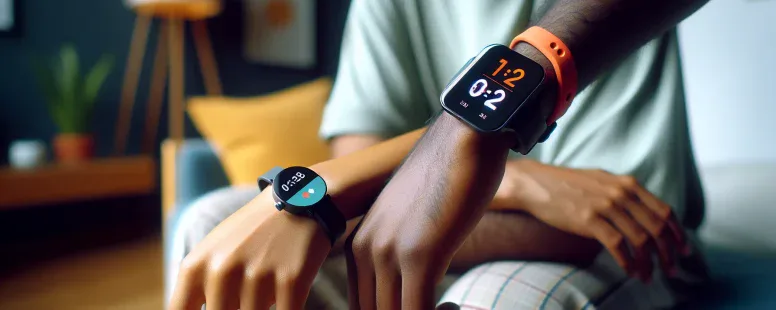
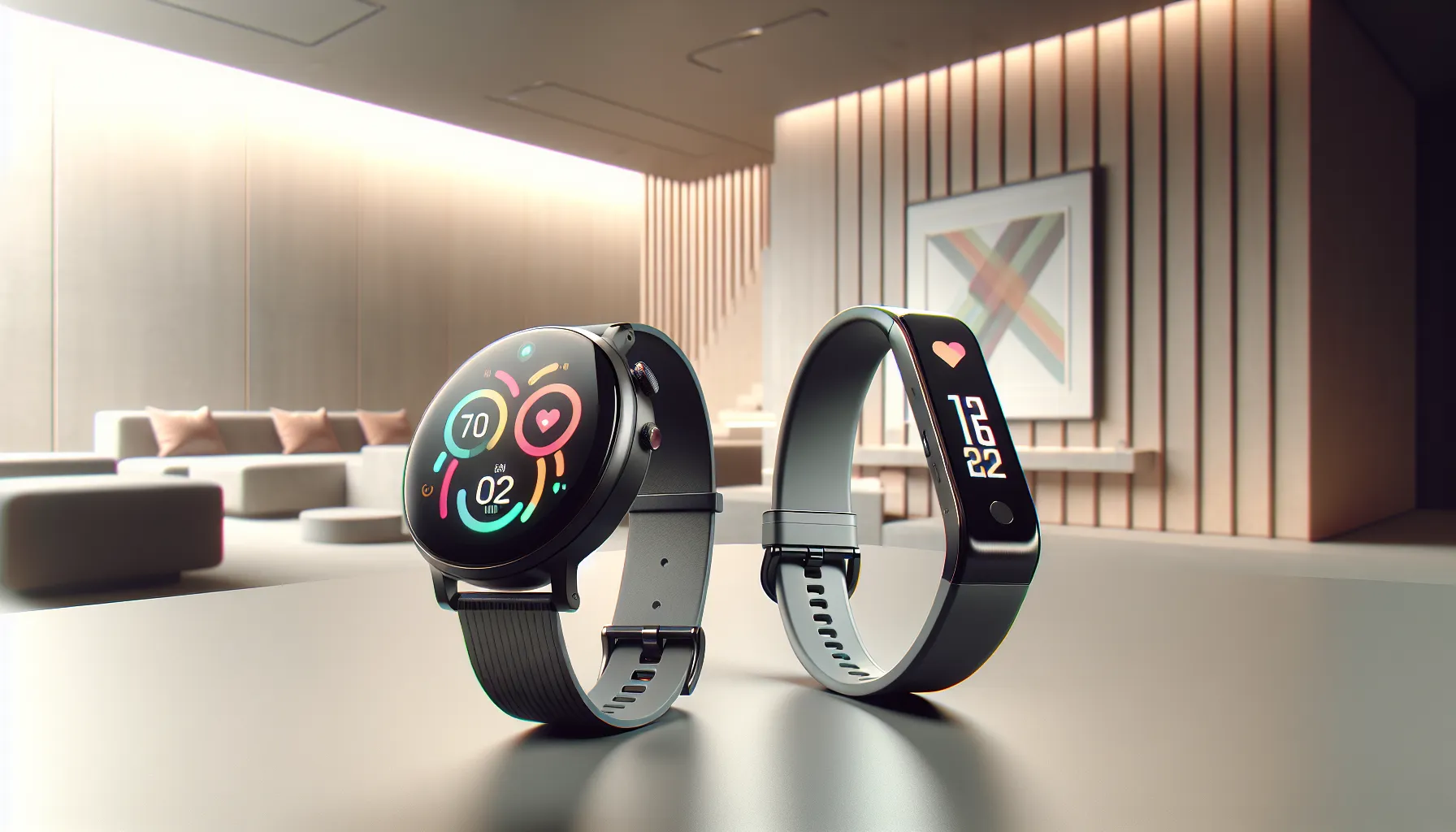
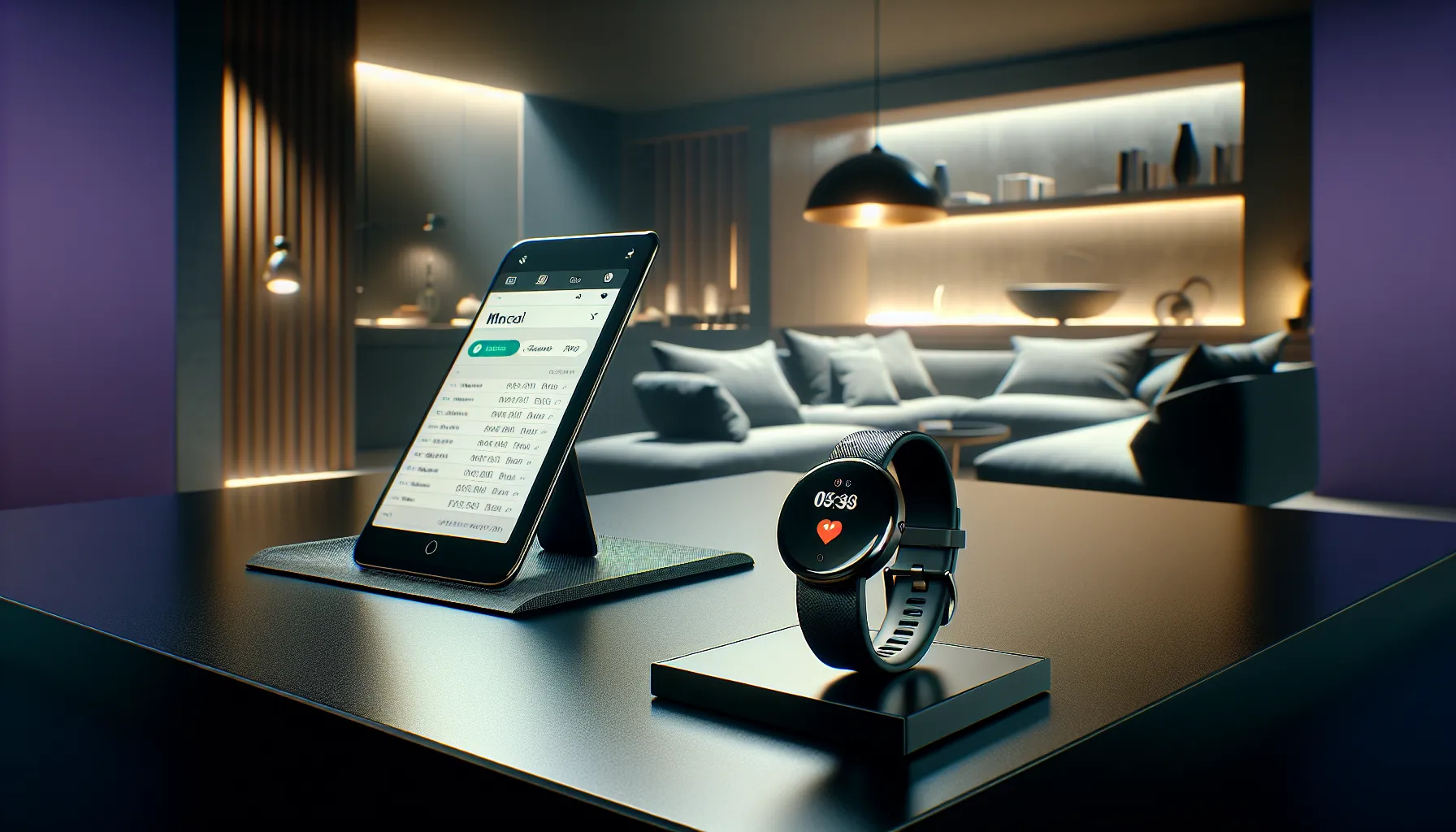
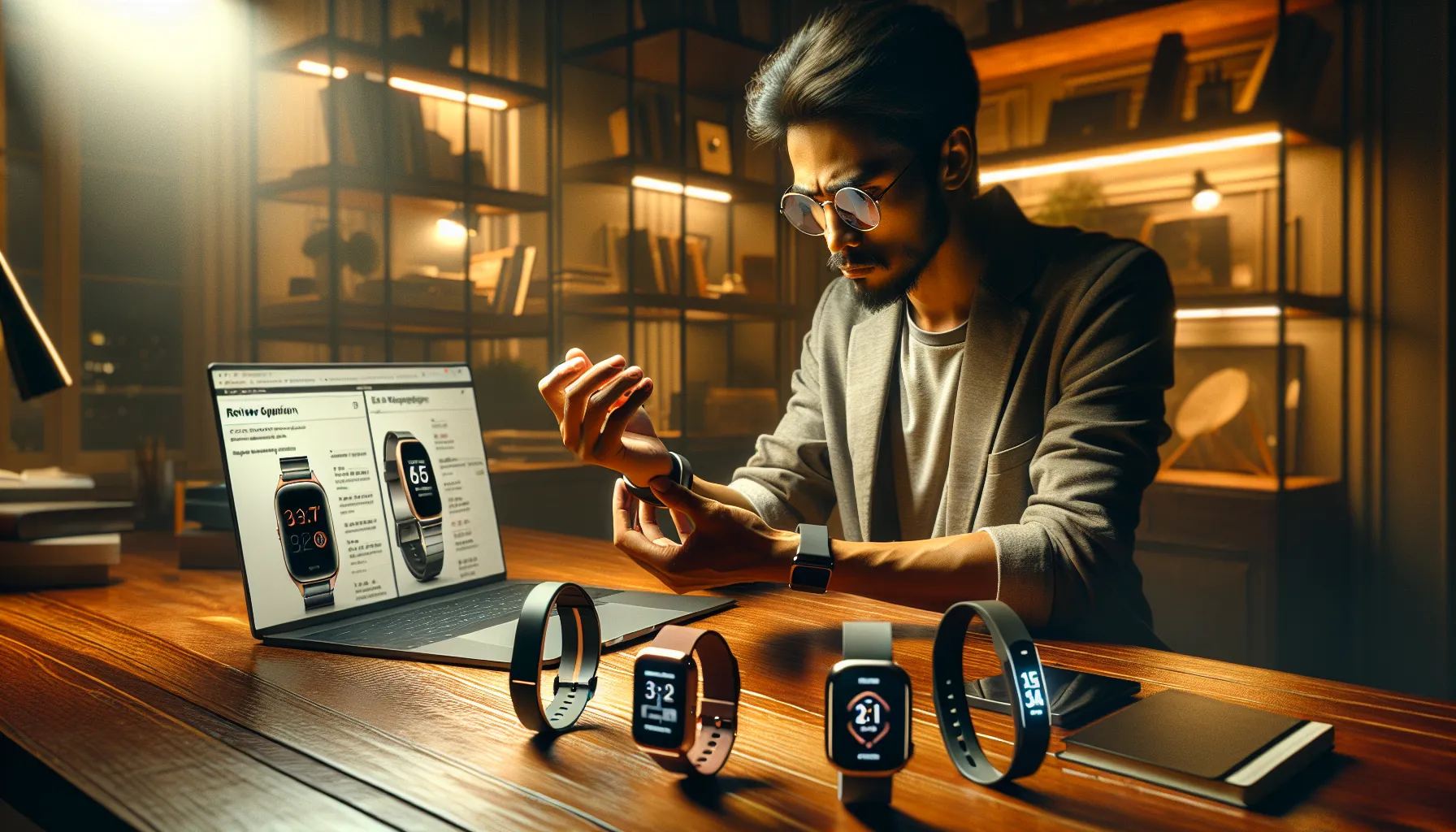
In an age where technology seamlessly integrates into our daily routines, wearables have become an essential part of our lives. Among these, smartwatches and fitness trackers stand out, catering to distinct needs while often sharing overlapping features. But, understanding their specific strengths and functionalities can strike the balance in helping you choose the right device for your lifestyle.
Overview of Smartwatches and Fitness Trackers
Defining Smartwatches
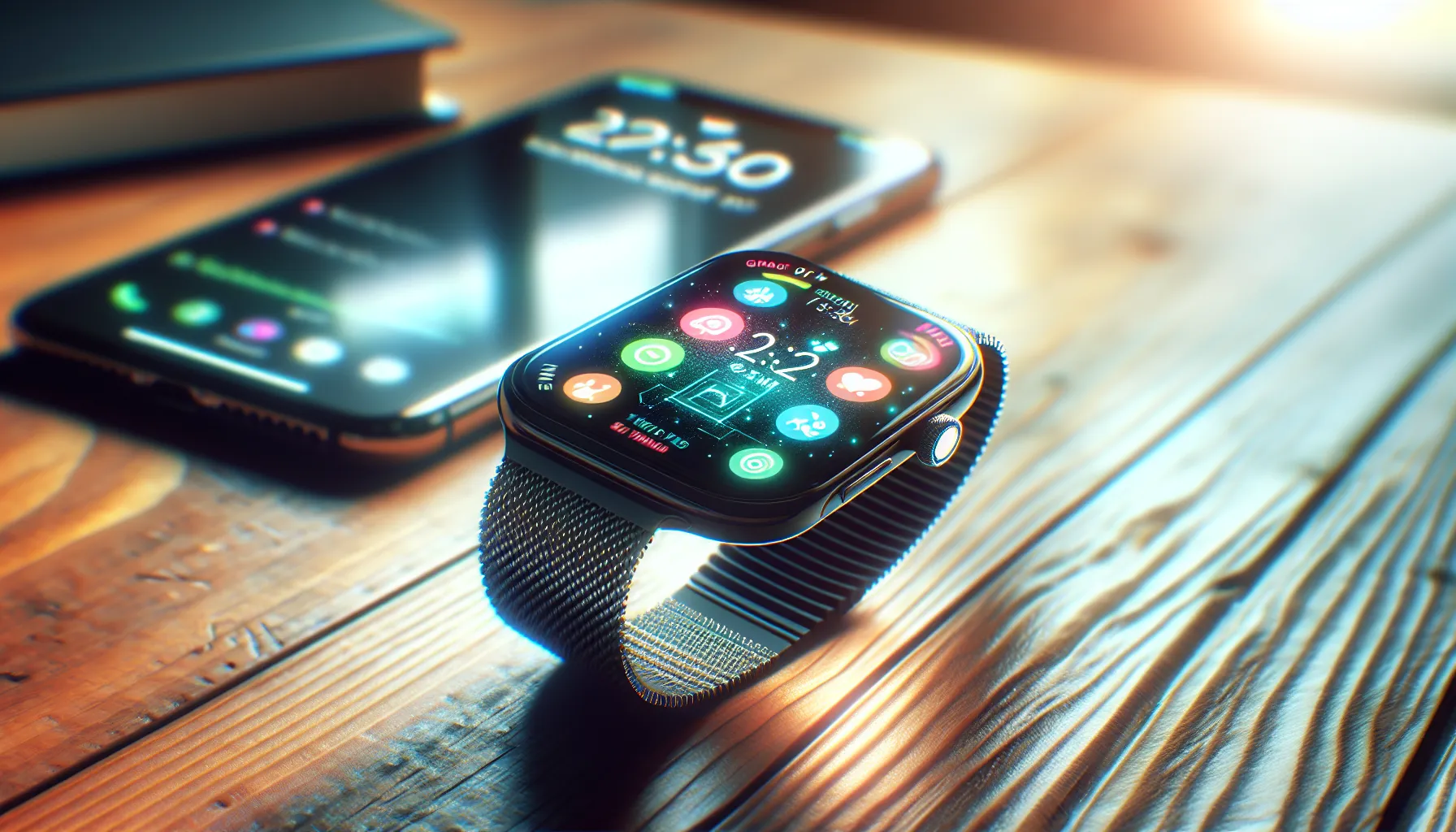
Smartwatches are versatile wearable devices that combine the functionalities of a traditional wristwatch with those of a smartphone. Equipped with vibrant displays, robust operating systems, and integration with various applications, these devices allow you to make calls, send messages, and more.
Defining Fitness Trackers
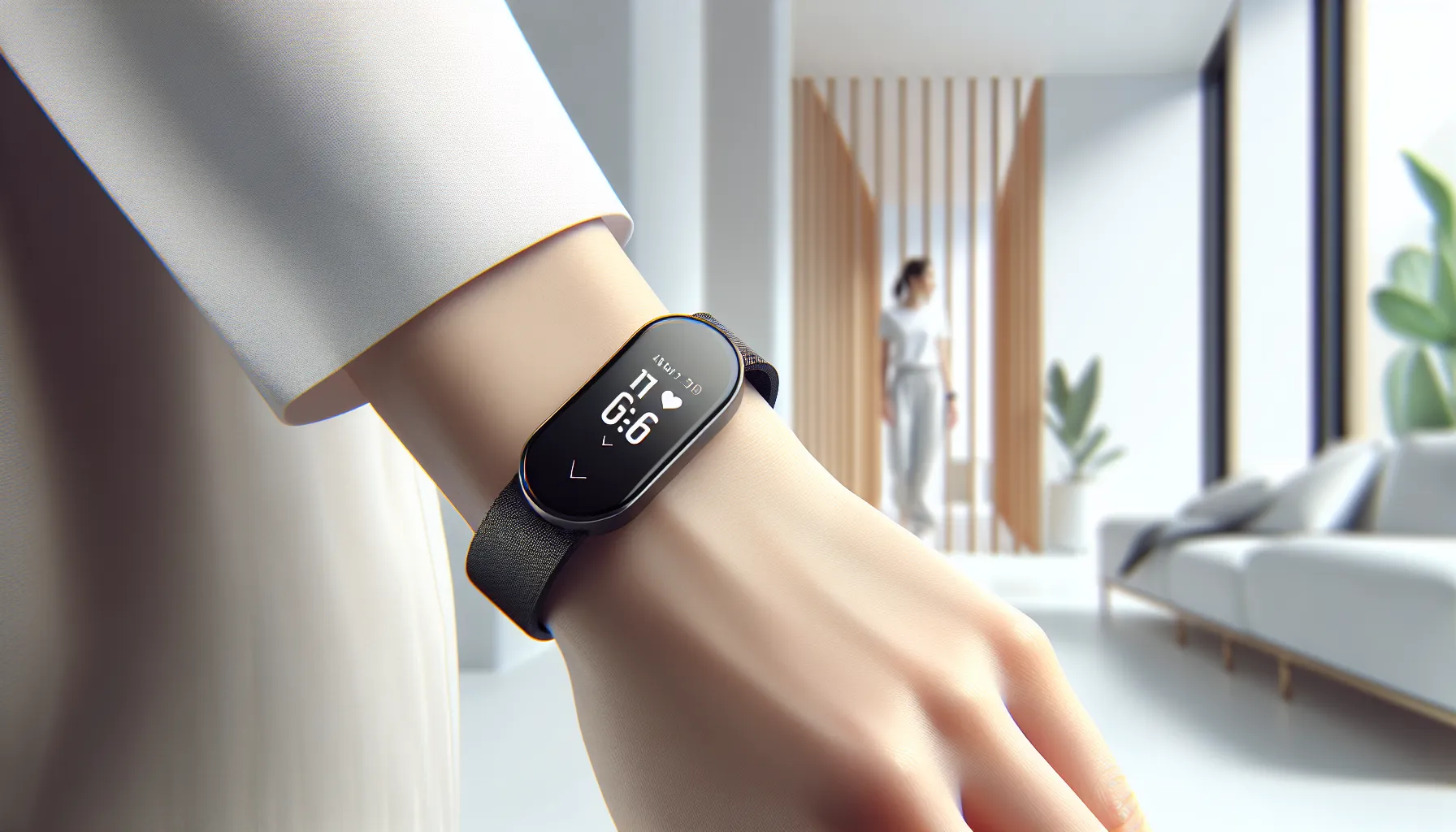
Fitness trackers, on the other hand, are specialized devices designed primarily for health and fitness monitoring. They consist of features like step counting, heart rate tracking, and workout monitoring. While generally simpler than smartwatches, they excel in focusing on fitness metrics.
Key Features of Smartwatches
Core Smart Functionalities
Smartwatches operate as extensions of smartphones, offering notifications, app synchronization, and communication abilities. These interoperable features bridge the gap between your mobile device and everyday life.
Additional Lifestyle Enhancements
Beyond basic functionalities, smartwatches include capabilities such as GPS navigation, music streaming, and voice assistant technology, enhancing their usability in various contexts.
Key Features of Fitness Trackers
Focus on Health Monitoring
Fitness trackers provide comprehensive health metrics, including heart rate variability, sleep quality analysis, and calorie expenditure estimates. Their ability to track progress supports users in achieving specific wellness goals.
Simplified User Interfaces
Designed for minimalist efficiency, fitness trackers often feature easy-to-navigate interfaces with a focus on delivering data in a straightforward manner. This simplicity aligns with their sole concentration on health-related functionalities.
Comparison Between Smartwatches and Fitness Trackers
Feature Set Differences
While smartwatches boast a broad array of functionalities from communication to entertainment, fitness trackers prioritize health data accuracy and ease of monitoring.
Lifestyle Integration
Smartwatches appeal to individuals seeking multi-functional devices suitable for personal and professional use. Conversely, fitness trackers cater to those with a primary focus on maintaining and improving their health.
Selecting the Right Device for Your Needs
Factors to Consider
When choosing between these devices, assess factors such as personal preferences, intended use, budget constraints, and existing ecosystem compatibility.
Use Cases for Each
Smartwatches are ideal for tech-savvy users desiring a single device for multiple functions, while fitness trackers suit active individuals aiming to enhance physical performance and monitor health.
To provide the best experiences, we use technologies like cookies to store and/or access device information. Consenting to these technologies will allow us to process data such as browsing behaviour or unique IDs on this site. Not consenting or withdrawing consent, may adversely affect certain features and functions.
Functional
Always active
The technical storage or access is strictly necessary for the legitimate purpose of enabling the use of a specific service explicitly requested by the subscriber or user, or for the sole purpose of carrying out the transmission of a communication over an electronic communications network.
Preferences
The technical storage or access is necessary for the legitimate purpose of storing preferences that are not requested by the subscriber or user.
Statistics
The technical storage or access that is used exclusively for statistical purposes.The technical storage or access that is used exclusively for anonymous statistical purposes. Without a subpoena, voluntary compliance on the part of your Internet Service Provider, or additional records from a third party, information stored or retrieved for this purpose alone cannot usually be used to identify you.
Marketing
The technical storage or access is required to create user profiles to send advertising, or to track the user on a website or across several websites for similar marketing purposes.