A dry design can deliver the same calm and sensory richness you expect from a water feature, but without pumps, mosquitoes, or constant upkeep. When you choose the best alternative to a water feature, you gain visual depth, seasonal interest, and ecological benefits while cutting costs and maintenance. Picture a garden that whispers with metal wind blades, shuffles underfoot with pebble crunch, or flashes like a mirrored sculpture at sunset. That promise, beauty with less fuss, is what this guide will show you how to build.
Why Choose An Alternative To A Water Feature?
Fact: Alternatives reduce maintenance, water use, and pest risks while still creating focal points. If your property sits in a drought-prone zone, or you dislike the constant hum of pumps, a non-water focal point protects your budget and your peace.
You save money on installation and energy. You reduce mosquito breeding and algae headaches. And you widen design choices: a stone axis, a reflective panel, or a native-plant swath can anchor a yard as strongly as a pond.
Beyond practical gains, alternatives change the way you experience landscape. Sound can come from wind or footsteps. Light can bounce off metal or glass. Wildlife will visit if you provide food and shelter rather than open water. These trade-offs can feel surprising at first, but most homeowners prefer them after a season of easier care and more pollinators.
Common follow-up question: will a non-water feature feel like a loss? Not usually. With thoughtful composition and layered materials, you’ll get similar emotional and aesthetic returns without the downsides of standing water.
Low-Maintenance Alternatives For A Similar Aesthetic
Fact: You can replicate the look and rhythm of moving water with stone, texture, and reflective surfaces. Below are direct options that mimic a water feature’s calm lines and visual weight.
– Drought-Tolerant Rock Garden With Sculptural Elements
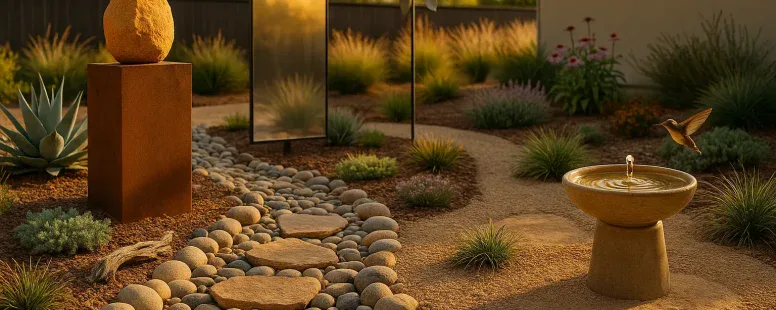
Start with a clear axis or bed and place 3–5 sculptural stones or boulders as focal points. Use textured gravel and small succulents like Sedum, Agave, or Euphorbia for year-round structure. Add a single large sculpture, Charles Ray–style minimal stone or a corten steel plinth, to anchor the composition. The contrast of rough stone and soft foliage creates the same meditative draw as a pond, but it requires little irrigation.
Practical tip: place larger stones on the downslope for visual gravity. Use drip irrigation only while plants establish, then remove it to save water.
– Dry Riverbed With Textured Stones And Planting
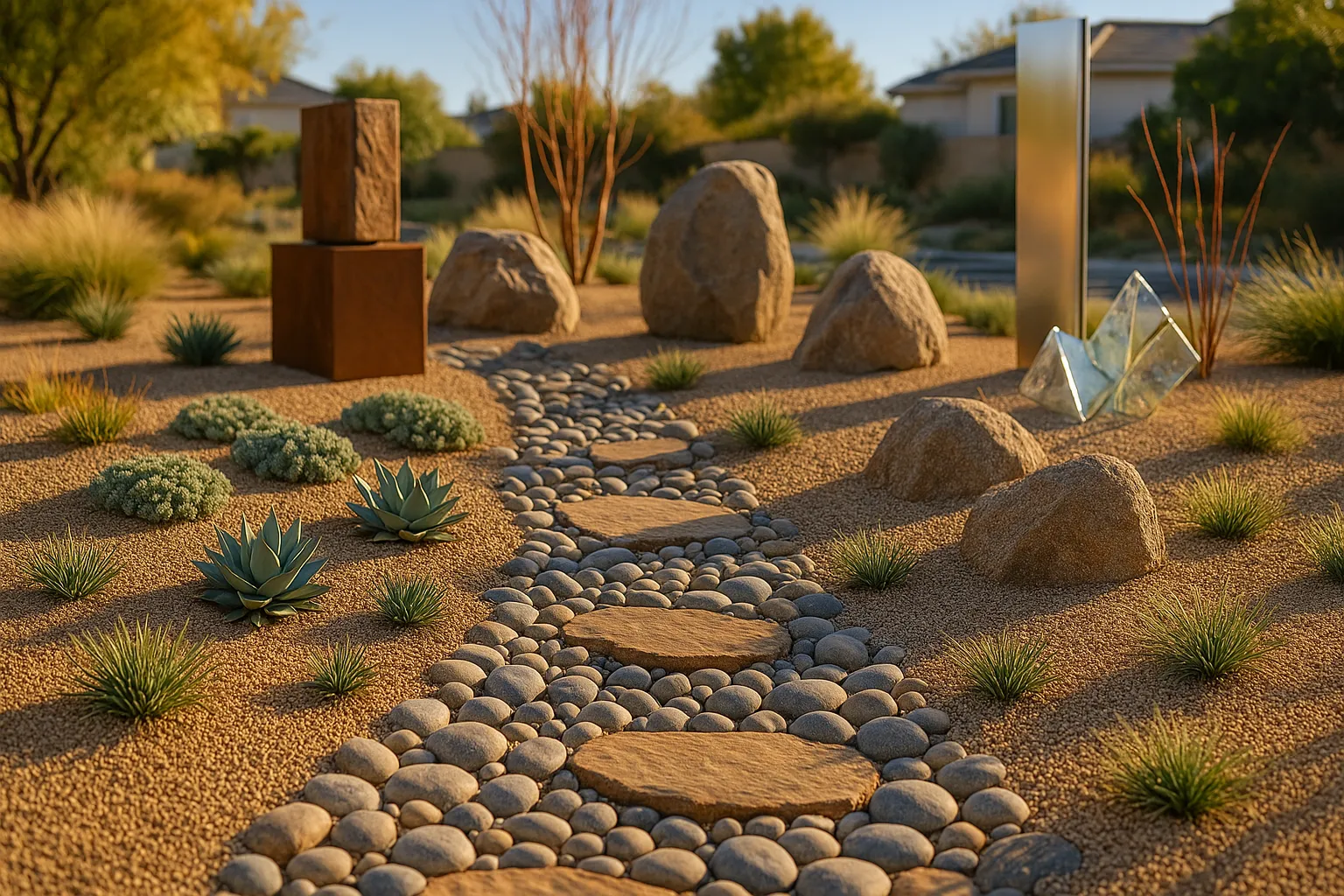
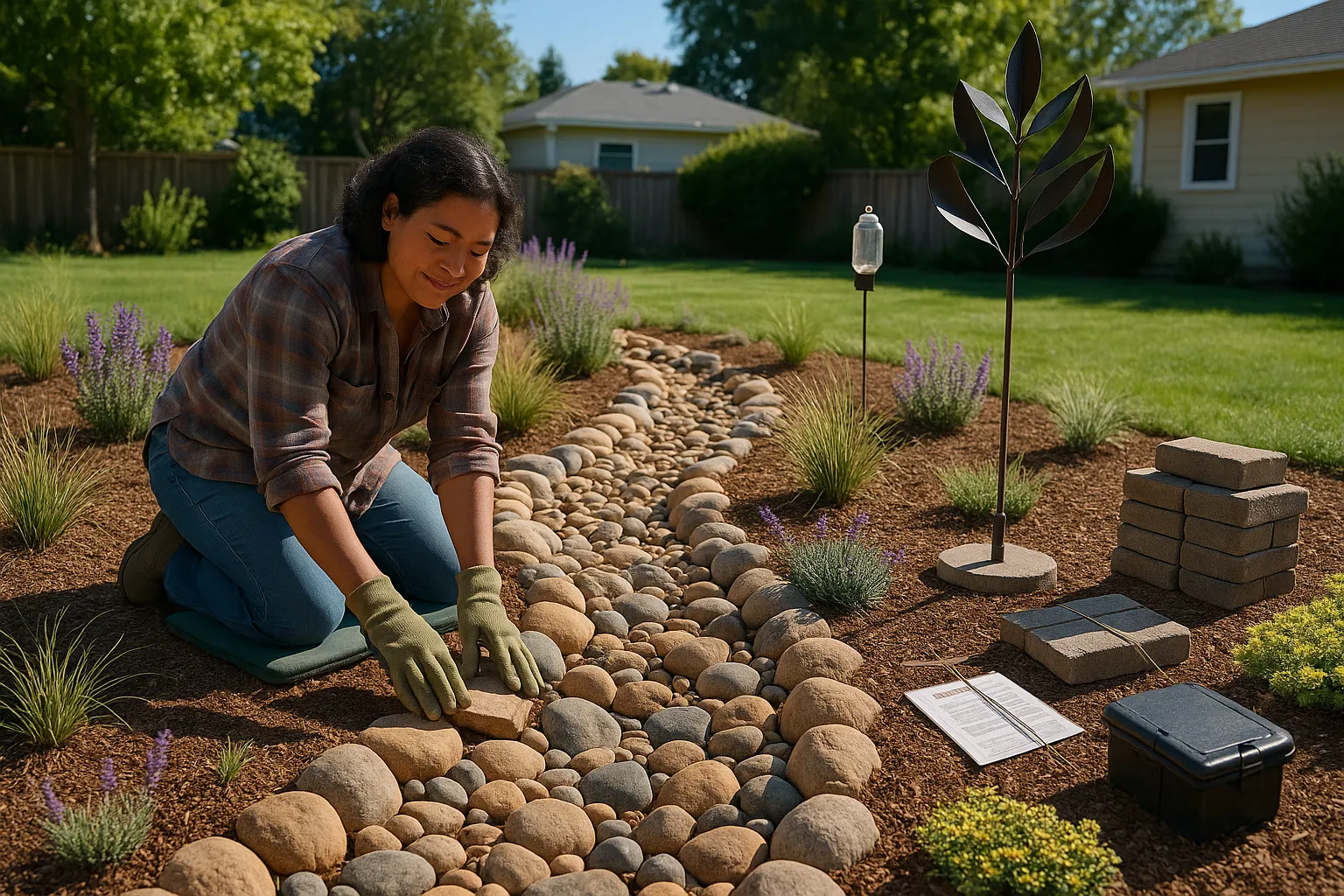
A dry riverbed gives movement without water. Line a shallow trench with rounded river rock and flagstone: scatter low grasses and willow leaf betony (Stachys) along the margins to suggest flow. Use organic curves to guide sightlines through the garden, and plant willow or dogwood stems nearby to echo riparian edges.
This design channels stormwater effectively when done correctly. It can double as a rain garden if you grade it to catch seasonal runoff and plant with species that tolerate occasional moisture.
– Reflective Metal Or Glass Art Installations
Metal and glass mirrors convey the shimmer of water. A polished stainless-steel panel or a cluster of angled glass tiles will reflect sky and movement, creating a wet-look without plumbing. Position reflective pieces to catch morning or late-afternoon light for dramatic flashes.
Maintenance is minimal: occasionally wipe fingerprints and remove leaf debris. For durability, select outdoor-rated marine stainless steel or tempered glass mounted on a rust-resistant frame.
Functional Alternatives That Add Sound Or Movement
Fact: Movement and sound recreate the sensory presence of water. Wind, gravel, and kinetic pieces supply auditory and dynamic elements that engage people and wildlife.
– Wind Sculptures, Whirligigs, And Kinetic Art
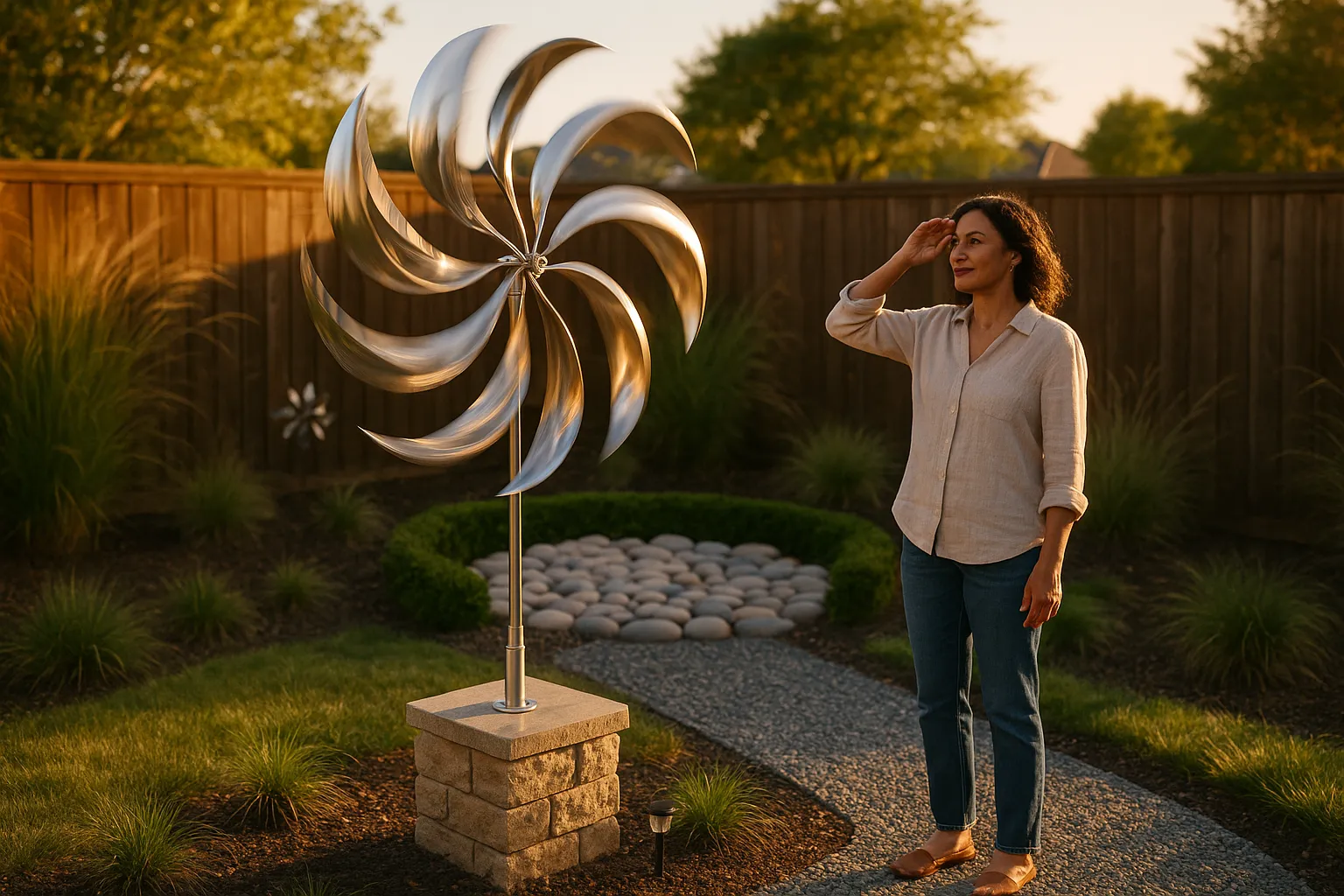
Wind sculptures convert breeze into motion. Install a tall kinetic blade or a mobile from artists like Anthony Howe-style mechanisms for hypnotic movement. These pieces produce a quiet, continuous sound and a visible flow that reads like running water.
Placement matters: set them where prevailing breezes hit. Use stainless-steel bearings and weatherproof mounting. You’ll get a living sculpture that changes with weather and time of day.
– Gravel Or Pebble Play Areas For Crunchy Sound
Fact: Sound from footsteps adds a tactile layer often missing in static gardens. Create a gravel path or pebble seating area that crunches underfoot to introduce purposeful sound. Choose angular crushed rock for louder texture, or smooth pebbles for softer noise. Surround the area with low hedges or grasses to frame the experience.
A pebble area also works as a practical play zone or meditation spot. The sound cues movement and presence in the same way a fountain’s trickle does.
Wildlife-Friendly Options That Avoid Standing Water
Fact: You can attract birds, bees, and beneficial insects without a pond by providing food, shelter, and small water alternatives. Many species prefer shallow, moving water or moist microhabitats rather than deep pools.
– Native Pollinator Gardens And Nectar Corridors
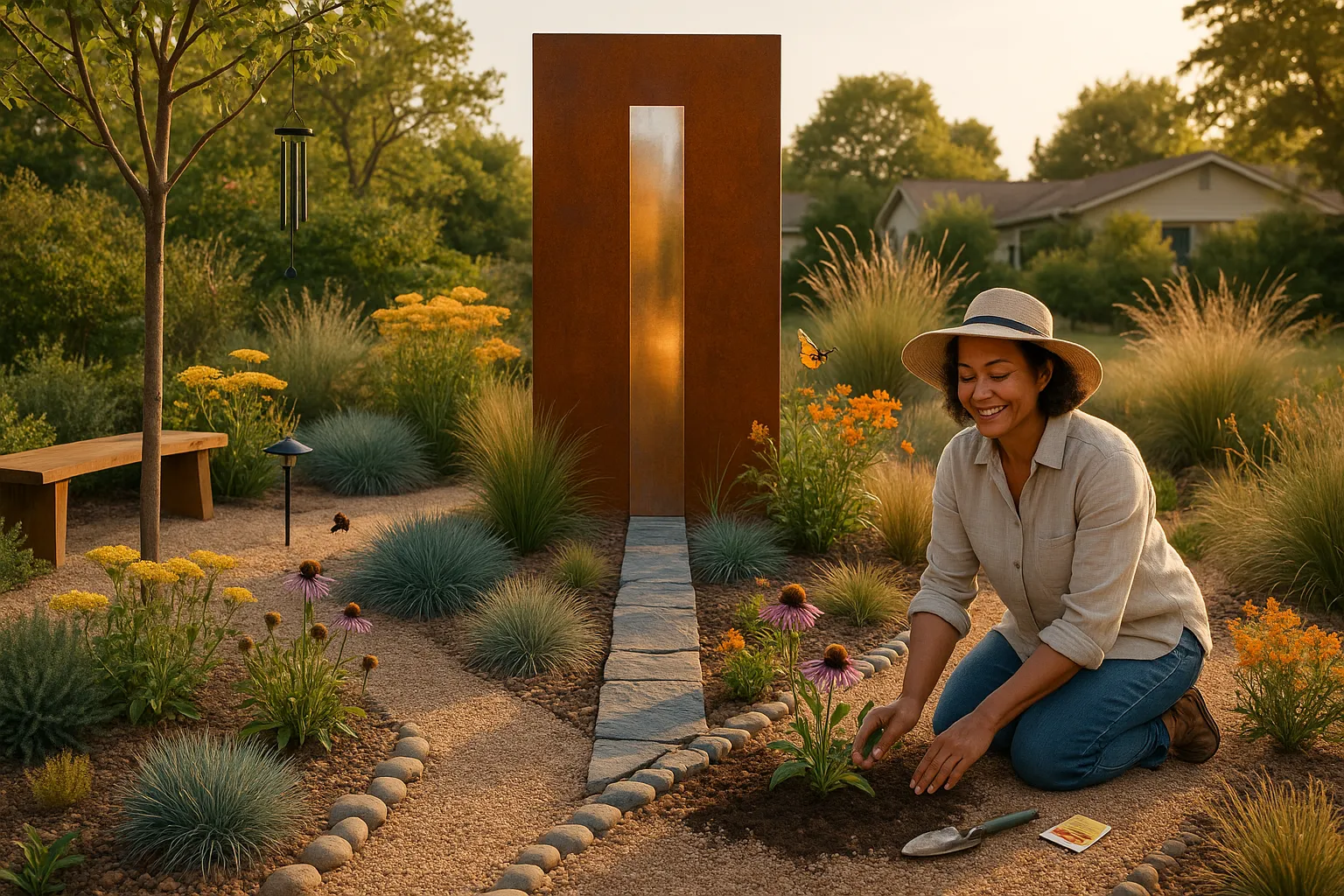
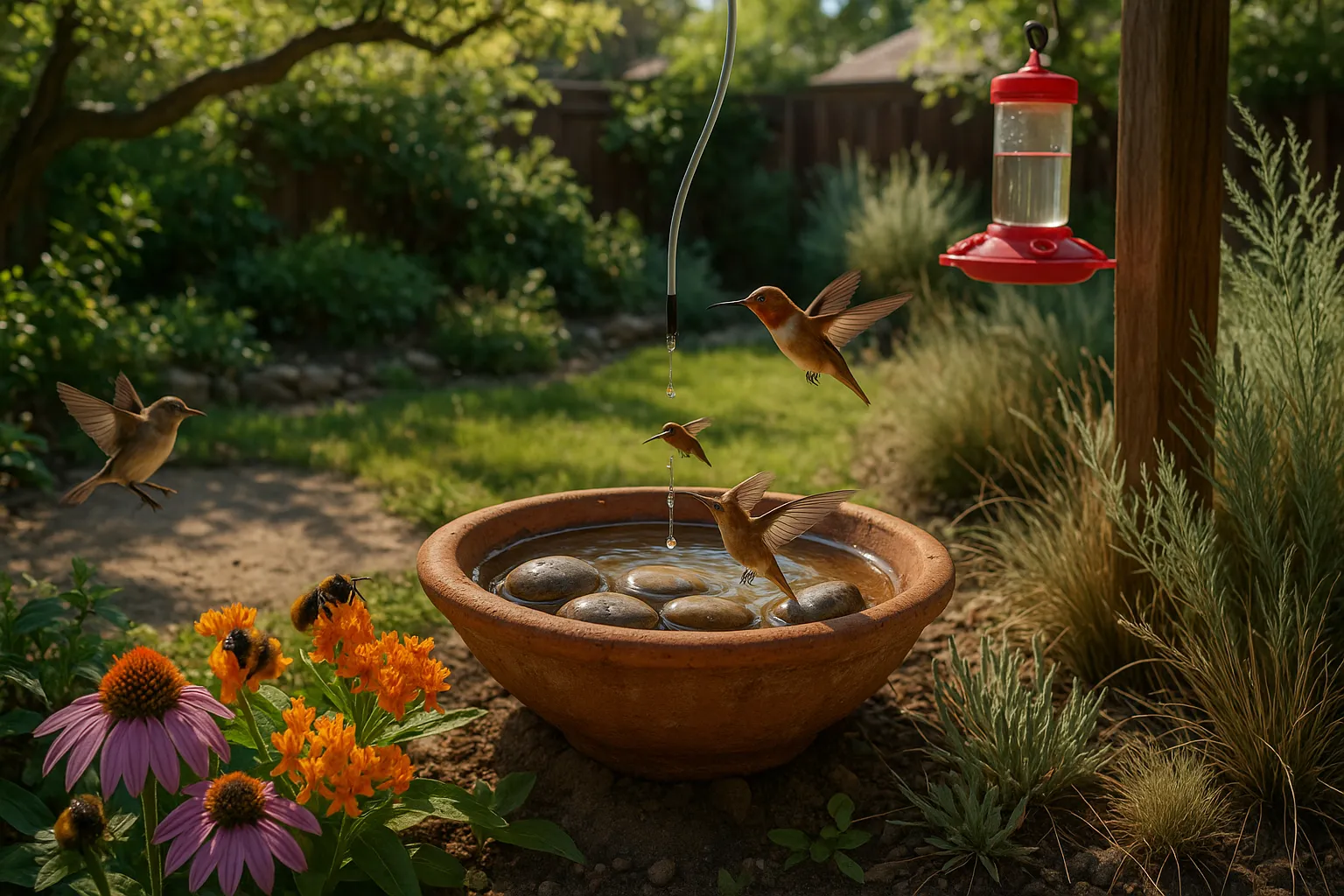
Plant native perennials and shrubs favored by local pollinators, Echinacea, Asclepias (milkweed), Salvia, and Ceanothus in California, for example. Arrange them in layered strips to create a nectar corridor that insects can follow across your property. Add native grasses for structure and overwintering sites.
Cite: Organizations like the National Audubon Society and local native plant societies recommend native plantings for sustained wildlife support because they match local insect life cycles and soil conditions.
– Bird Feeders, Dust Baths, And Shallow Drippers
Provide bird feeders and shallow drippers to mimic moving water. A slow drip routed through a tube into a shallow basin creates constant micro-movements that birds prefer and minimizes mosquito breeding. Offer dust-bathing patches using fine sand or volcanic ash so birds can clean feathers. Install a sugar-water feeder for hummingbirds in appropriate climates, place it near cover so birds feel safe.
Warning: monitor feeders to prevent disease spread among birds: clean them regularly and rotate locations.
Cost, Installation, And Ongoing Maintenance Considerations
Fact: Alternatives usually cost less upfront and far less over time than installed water features. You avoid pumps, filters, liners, and electrical work.
– Upfront Costs Versus Long-Term Savings
A small fountain with pump and liner can range from $800–$4,000 installed, plus electricity and winterization. In contrast, a dry riverbed, rock garden, or wind sculpture often runs $200–$2,000 depending on materials and labor. Over five years you’ll save on energy, parts replacement, and professional cleanings.
Budget tip: DIY rock placements and local reclaimed stone cut costs. Buy used sculptures or commission metal work from local fabricators to support community makers while managing price.
– Seasonal Care And Pest/Algae Avoidance Compared To Water Features
Water features need seasonal care: winter draining, pump maintenance, algae control, and mosquito prevention. Dry alternatives require simpler tasks: weeding, occasional re-mulching, and bolt tightening on art pieces. Pest risks shift from mosquitoes to slugs or plant pests: manage them with hand collection, beneficial nematodes, or targeted organic treatments.
If you choose drippers for birds, install fine mesh covers and inspect weekly to prevent clogging and bacterial growth. Overall, you trade constant mechanical attention for periodic landscape care.
How To Choose The Best Alternative For Your Space
Fact: The right alternative depends on microclimate, scale, and how you want to use the space. Follow a clear selection process to match one option to your yard.
– Assessing Site Conditions And Climate
Check sun exposure, prevailing wind, soil type, and slope. In windy, open yards, kinetic art performs well: in shade, choose reflective or textural planting that reads without sun. If you live in USDA Zone 8–10, select drought-tolerant succulents. If you get seasonal storms, grade a dry riverbed to channel water safely.
Ask local resources, like extension services or native plant societies, for species lists and microclimate tips. They’ll help you avoid mistakes such as planting thirsty, non-native shrubs in a dry bed.
– Matching Scale, Style, And Purpose To Your Landscape
Decide if the feature should be a focal point, a meandering accent, or a background texture. Small courtyards benefit from a single reflective panel or compact rock garden. Large yards can support sweeping dry rivers, pollinator corridors, and multiple kinetic sculptures. Match materials to your home’s architecture: polished steel suits modern homes, while stone and timber pair better with traditional houses.
Consider maintenance capacity: choose lower-effort options if you travel often or have limited time for upkeep.
Quick DIY Projects And Materials Checklist
Fact: You can complete several attractive alternatives in a weekend with a partner, simple tools, and locally sourced materials.
– Simple Steps For A Dry Riverbed Or Rock Garden
Define the bed with a hose to create your curve.
Excavate 4–6 inches and lay landscape fabric for weed suppression.
Add a 2–3 inch base of crushed stone for drainage.
Place larger boulders first, then arrange medium stones to suggest flow.
Fill with river rock and add plants on the margins: water to establish them.
Mulch and edge the bed to keep rock tidy.
Time estimate: 1–2 weekends for a small to medium feature. You’ll feel immediate payoff when the composition reads like a designed space, not just a pile of rocks.
– Tools, Plants, And Materials To Source Locally
Source: local quarries for river rock, community steel fabricators for sculptures, native plant nurseries for perennial plugs. Basic tools you need: shovel, wheelbarrow, tamp, gloves, landscape fabric, landscaping rake, and a drill for sculpture anchors.
Plant suggestions by region:
Southwest: Salvia greggii, Agave spp., Muhlenbergia rigens.
Practical note: Buy plants in small batches to observe how they settle into the site and adjust spacing if needed. This saves money and prevents overcrowding.
Call-to-action: choose one small area and try a dry riverbed or a reflective panel this season: you’ll likely find the sensory payoff rivals a fountain, without the work.
To provide the best experiences, we use technologies like cookies to store and/or access device information. Consenting to these technologies will allow us to process data such as browsing behaviour or unique IDs on this site. Not consenting or withdrawing consent, may adversely affect certain features and functions.
Functional
Always active
The technical storage or access is strictly necessary for the legitimate purpose of enabling the use of a specific service explicitly requested by the subscriber or user, or for the sole purpose of carrying out the transmission of a communication over an electronic communications network.
Preferences
The technical storage or access is necessary for the legitimate purpose of storing preferences that are not requested by the subscriber or user.
Statistics
The technical storage or access that is used exclusively for statistical purposes.The technical storage or access that is used exclusively for anonymous statistical purposes. Without a subpoena, voluntary compliance on the part of your Internet Service Provider, or additional records from a third party, information stored or retrieved for this purpose alone cannot usually be used to identify you.
Marketing
The technical storage or access is required to create user profiles to send advertising, or to track the user on a website or across several websites for similar marketing purposes.