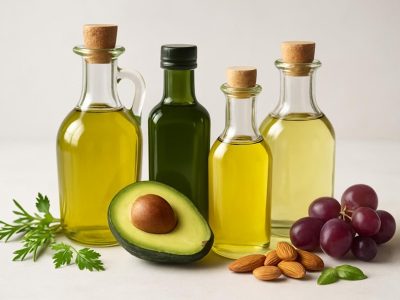
cooking or skincare, grapeseed oil often steals the spotlight with its light texture and versatility. But what happens when you run out or simply want something better suited to your needs? Whether you’re whipping up a flavorful dish or crafting a DIY beauty remedy, finding the right alternative can make all the difference.
Picture enhancing your meals with oils that bring richer flavors or upgrading your skincare routine with options packed with even more nutrients. The world of oils is vast, offering choices that not only replace grapeseed oil but might even outshine it in certain uses. From nutty aromas to silky finishes, these alternatives open up exciting possibilities.
What Is Grapeseed Oil?
Grapeseed oil is a byproduct of winemaking, extracted from the seeds of grapes after wine production. It features a light texture and neutral flavor, making it versatile for various uses in cooking and skincare.
Common Uses of Grapeseed Oil
Cooking applications often highlight grapeseed oil’s high smoke point (approximately 420°F). It works well for frying, roasting, and sautéing due to its stability at high temperatures. In salad dressings or marinades, its mild taste complements other ingredients without overpowering them.
Skincare routines frequently include grapeseed oil as an emollient. Its lightweight consistency absorbs quickly into the skin and suits oily or acne-prone skin types. It’s also used in massages or combined with essential oils for aromatherapy purposes.
Nutritional Benefits of Grapeseed Oil
Grapeseed oil contains polyunsaturated fats (around 70%) like omega-6 fatty acids. These fats support cardiovascular health when consumed in moderation alongside omega-3s. Vitamin E content offers antioxidant properties that may protect cells from oxidative stress.
But, some experts suggest limiting omega-6 intake if your diet already includes processed foods rich in this fatty acid. Balancing grapeseed oil with sources of omega-3s can create a healthier fat profile overall.
Why Look For Alternatives To Grapeseed Oil?
Grapeseed oil is popular for its versatility, but it’s not always the most suitable choice. Understanding why you might consider alternatives helps you make informed decisions about cooking and skincare options.
Health Concerns
While grapeseed oil contains omega-6 fatty acids and vitamin E, its high polyunsaturated fat content may contribute to an imbalanced omega-3 to omega-6 ratio when consumed excessively. This imbalance could promote inflammation, particularly if your diet already includes processed foods rich in omega-6s. Exploring oils like olive or avocado can offer healthier monounsaturated fats while reducing this risk.
Refined grapeseed oil undergoes chemical processing that removes impurities but may also strip beneficial nutrients. Cold-pressed alternatives like flaxseed or walnut oil retain their natural antioxidants and nutrients, making them more nutrient-dense options for dressings or low-heat uses.
Availability And Cost
Depending on your location, grapeseed oil might be less accessible than other oils. Specialty grocery stores often stock it at higher prices compared to widely available choices like sunflower or canola oil. For budget-friendly cooking needs, coconut or vegetable oils provide cost-effective solutions without compromising quality.
In skincare routines, pricier cosmetic-grade grapeseed oils may deter frequent use. Almond and jojoba oils serve as affordable substitutes with similar hydrating properties while offering unique benefits suited for sensitive skin types.
Best Alternatives To Grapeseed Oil
Grapeseed oil’s neutral flavor and high smoke point make it versatile, but there are healthier and cost-effective substitutes worth exploring. These alternatives cater to both culinary and skincare uses.
Olive Oil
Olive oil is a popular substitute with numerous health benefits. Rich in monounsaturated fats, it supports heart health by reducing LDL cholesterol levels. Extra virgin olive oil works well for salad dressings or drizzling over cooked vegetables due to its robust flavor. For sautéing, regular olive oil offers a higher smoke point of approximately 375°F.
In skincare, olive oil acts as a natural moisturizer that hydrates dry skin effectively. Its antioxidant properties from vitamin E combat free radicals, promoting healthier-looking skin.
Avocado Oil
Avocado oil stands out for its high monounsaturated fat content and subtle buttery taste. With a smoke point of around 520°F, it’s suitable for frying or roasting at high temperatures. Use avocado oil in baking recipes where you want a mild flavor profile.
Its skin-nourishing properties are equally impressive—it absorbs deeply into the skin without greasiness and provides vitamins A, D, and E. This makes it ideal for dry or sensitive skin types.
Sunflower Oil
Sunflower oil contains polyunsaturated fats like omega-6 fatty acids but offers more balance than grapeseed oil when consumed moderately alongside omega-3 sources. It has a neutral taste that complements stir-frying or baking applications without altering flavors.
For skincare routines, sunflower seed oil’s light texture helps retain moisture while being non-comedogenic—perfect for acne-prone individuals seeking hydration without clogging pores.
Coconut Oil
Coconut oil differs significantly in composition with saturated fats like lauric acid that provide quick energy rather than storage as body fat. It’s excellent for baking recipes requiring solid-fat consistency or medium-heat cooking up to 350°F due to its distinct aroma and slight sweetness.
As a beauty product, coconut oil doubles as an effective makeup remover and hair conditioner while adding shine to dull strands during winter months when dryness prevails most oftenly (sic).
Walnut Oil
Walnut oil delivers unique earthy undertones perfect for enhancing salad dressings or drizzling over pasta dishes post-cooking (avoid heating above 320°F). Its alpha-linolenic acid (ALA), an omega-3 fatty acid crucial for brain function and inflammation reduction contributes significant nutritional value compared against other oils options(sic).
How To Choose The Right Alternative
Selecting the most suitable replacement for grapeseed oil depends on your specific needs, whether culinary or skincare-related. Focus on factors like flavor, nutritional content, and application to make an informed choice.
Factors To Consider When Replacing Grapeseed Oil
Cooking Application: Determine if you’re frying, sautéing, or baking. For high-heat cooking above 400°F, oils with a high smoke point like avocado (520°F) or sunflower (450°F) are excellent options. If you’re preparing dressings or cold dishes, opt for flaxseed oil or extra virgin olive oil due to their robust flavors and nutrient density.
Nutritional Profile: Prioritize healthier fat compositions when choosing a substitute. Monounsaturated fats in olive oil support heart health better than polyunsaturated fats predominant in grapeseed oil. Omega-3-rich oils like walnut can balance omega fatty acid intake.
Skin Compatibility: For skincare purposes, consider your skin type before replacing grapeseed oil. Almond and jojoba oils work well for sensitive skin due to their mildness and moisturizing properties. Coconut oil suits dry skin but may clog pores for acne-prone individuals.
Matching Flavor and Cooking Needs
Neutral Taste Alternatives: Replace grapeseed oil’s light flavor with neutral-tasting options like canola or refined sunflower oils that won’t overpower recipes such as baked goods or stir-fries.
Distinctive Flavor Profiles: Enhance certain dishes by selecting flavorful substitutes. Walnut oil adds richness to salads and pasta; sesame oil brings boldness to Asian cuisine; extra virgin olive complements Mediterranean recipes seamlessly.
Choosing the right alternative ensures functionality without compromising taste, nutrition, or suitability across various applications.
Conclusion
Finding the best alternative to grapeseed oil depends on your specific needs, whether you’re prioritizing cooking performance, nutritional benefits, or skincare compatibility. With a variety of options available like olive, avocado, or sunflower oil for cooking and almond or jojoba oil for skincare, you can easily choose one that aligns with your preferences.
By considering factors such as smoke point, flavor profile, and fat composition for culinary uses—or absorption and skin type for beauty routines—you’ll maintain both functionality and quality. Experimenting with these alternatives ensures you enjoy healthier choices without compromising results in the kitchen or your skincare regimen.
To provide the best experiences, we use technologies like cookies to store and/or access device information. Consenting to these technologies will allow us to process data such as browsing behaviour or unique IDs on this site. Not consenting or withdrawing consent, may adversely affect certain features and functions.
Functional
Always active
The technical storage or access is strictly necessary for the legitimate purpose of enabling the use of a specific service explicitly requested by the subscriber or user, or for the sole purpose of carrying out the transmission of a communication over an electronic communications network.
Preferences
The technical storage or access is necessary for the legitimate purpose of storing preferences that are not requested by the subscriber or user.
Statistics
The technical storage or access that is used exclusively for statistical purposes.The technical storage or access that is used exclusively for anonymous statistical purposes. Without a subpoena, voluntary compliance on the part of your Internet Service Provider, or additional records from a third party, information stored or retrieved for this purpose alone cannot usually be used to identify you.
Marketing
The technical storage or access is required to create user profiles to send advertising, or to track the user on a website or across several websites for similar marketing purposes.