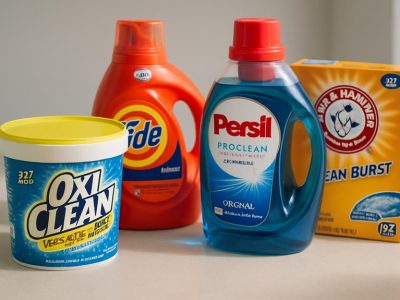
Your laundry routine doesn’t have to rely on traditional detergents filled with harsh chemicals and artificial fragrances. What if you could achieve fresh, clean clothes while being kinder to your skin, the environment, and even your wallet? The world of laundry alternatives is brimming with surprising options that go beyond the typical detergent aisle.
Imagine swapping out that heavy plastic bottle for natural, eco-friendly solutions that work just as well—sometimes even better. From soap nuts to baking soda, these alternatives aren’t just practical; they’re a step toward a more sustainable lifestyle. Whether you’re looking to simplify, save, or embrace greener habits, there’s an option waiting to transform the way you do laundry.
Why Consider Alternatives To Laundry Detergent?
Traditional laundry detergents often contain harsh chemicals like phosphates, sulfates, and synthetic fragrances, which can irritate sensitive skin. These substances may also disrupt aquatic ecosystems when rinsed down the drain, harming wildlife. Considering alternatives helps reduce exposure to these elements while protecting the environment.
Switching to eco-friendly solutions, like soap nuts or washing soda, minimizes environmental impact. Plant-based options biodegrade naturally, creating less pollution compared to chemical-laden detergents. For instance, soap nuts release saponins, a natural cleanser, when soaked in water. These biodegradable shells simplify waste disposal and support sustainability.
Cost-efficiency is another factor. Standard detergents cost between $0.20 and $0.30 per load, while cheaper options, such as baking soda or homemade laundry soap, provide ways to stretch your budget. Tracking household expenses often reveals how simple changes in laundry routines lead to significant savings over time.
Allergy-related concerns may also prompt a transition. If you or your family notice itching or rashes after washing clothes, it could indicate sensitivity to detergent additives. Replacing these with non-toxic alternatives reduces the chance of skin irritation, especially for infants and individuals with eczema.
Finally, adopting detergent alternatives supports a minimalist lifestyle. Simplifying your product choices, along with eliminating unnecessary packaging, helps declutter laundry routines. Personal habits like these contribute to sustainable living on both small and large scales.
Natural Alternatives To Laundry Detergent
Switching to natural laundry alternatives helps reduce exposure to chemicals and supports environmentally-friendly practices. Many of these options are cost-effective and readily available.
Baking Soda
Baking soda cleans clothes by lifting dirt and neutralizing odors. It works effectively on light stains and whites. Adding a half-cup during the wash cycle boosts cleaning power and softens fabrics.
It’s also a safer option for delicate fabrics. If you’re washing baby clothes or items prone to irritations, baking soda minimizes potential allergens. Its natural deodorizing properties make it great for clothes with persistent smells.
Vinegar
White vinegar acts as a natural fabric softener and odor remover. Using half a cup in the rinse cycle softens laundry without leaving residue. It dissolves mineral buildup, ensuring clothes remain bright.
This solution is biodegradable and septic-safe. But, it’s not suitable for rubber or elastic-containing clothing as vinegar may degrade elastic fibers over time.
Castile Soap
Castile soap, made from vegetable oils like olive or coconut, provides a gentle yet effective cleaning solution. Diluting one tablespoon in warm water creates an eco-friendly detergent alternative.
It’s a non-toxic option for cleaning delicate fabrics. Pairing it with vinegar or baking soda enhances its efficacy on tougher stains or heavy-duty loads.
Soap Nuts
Soap nuts, sourced from the Sapindus tree, release saponin when wet, acting as a natural detergent. Adding 4-5 nuts in a small cloth bag to laundry cleans effectively and leaves no fragrance.
These nuts are biodegradable and reusable for multiple washes. They’re ideal for allergies or sensitive skin, eliminating irritants found in synthetic detergents. Soap nuts are also compostable after use.
DIY Laundry Detergent Options
Homemade laundry detergents offer effective cleaning solutions while reducing reliance on synthetic chemicals. These simple, cost-efficient recipes allow you to customize ingredients for your needs.
Homemade Powder Formulas
Powdered detergents are easy to make and store. Combine common household items like washing soda, baking soda, and grated bar soap. For example, mix 1 cup washing soda, 1 cup baking soda, and 1 finely shredded bar of Castile soap to create a versatile powder. Optional additions include a few drops of essential oil for a mild fragrance or a tablespoon of salt to enhance stain removal. Store the formula in an airtight container to maintain its potency.
For heavily soiled laundry, use two tablespoons per load. Pre-treat stains by rubbing the powder and water paste on tough spots before washing.
Liquid Detergent Recipes
Liquid versions dissolve quickly and work well in cold water. Create a basic recipe by boiling 1 gallon of water, adding 1 cup washing soda, 1/2 cup borax, and 1 melted bar of Castile soap. Stir until dissolved, then let it cool before transferring to a large container. Shake well before use to maintain consistency.
This option is gentler on delicate fabrics and sensitive skin. If your garments are heavily soiled, soak them in the liquid solution for 30 minutes before washing. Add distilled vinegar to the rinse cycle for extra softness.
Eco-Friendly Commercial Products
Eco-friendly commercial products provide convenient solutions for sustainable laundry practices. These options reduce environmental impact while offering effective alternatives to traditional detergents.
Plant-Based Detergents
Plant-based detergents use natural ingredients like coconut oil, citrus extracts, or enzymes derived from plants to clean clothes. They avoid synthetic chemicals, making them ideal for households prioritizing eco-conscious choices. Brands like Seventh Generation and Puracy offer biodegradable formulas that are free from phosphates and artificial fragrances.
These detergents are suitable for sensitive skin and safe for septic systems. They’re also versatile, working well on various fabrics, including delicates. Check labels for certifications such as USDA BioPreferred or EcoLogo to ensure authenticity.
Detergent Sheets
Detergent sheets are pre-measured, lightweight alternatives to bulky liquid or powder detergents. They dissolve completely in water, leaving no residue, and come in recyclable or compostable packaging—reducing waste significantly. Examples include Earth Breeze and Tru Earth, which offer these compact, travel-friendly sheets.
The sheets clean effectively without harmful chemicals like parabens or sulfates. They’re particularly convenient for individuals living in small spaces, traveling regularly, or aiming to minimize carbon footprint.
Biodegradable Pods
Biodegradable pods provide a single-use, mess-free way to clean clothing while conserving packaging materials. Unlike conventional pods made with plastic-like PVA, biodegradable options use dissolvable plant-based films. Companies such as Dropps and ECOS offer pods free from dyes and phosphates.
These pods work well in hot or cold water cycles, reducing energy use during laundry. They balance sustainability with practicality, simplifying eco-friendly routines for busy individuals.
Tips For Choosing The Right Alternative
Selecting an alternative to traditional laundry detergent depends on factors like allergies, environmental considerations, and cleaning efficiency. Consider these tips to make an informed choice.
Allergies And Skin Sensitivities
Prioritize hypoallergenic and fragrance-free options if you have sensitive skin or allergies. Natural choices like soap nuts, which release gentle saponins, or baking soda, loved for its neutral pH, can reduce irritation. Avoid alternatives with harsh chemicals or artificial perfumes that may trigger reactions. For extreme sensitivities, test new solutions on a small fabric swatch before use.
Environmental Impact
Choose biodegradable solutions that minimize harm to aquatic ecosystems and reduce plastic waste. Soap nuts and concentrated Castile soap are eco-friendly and come in minimal packaging. Opt for detergent sheets or plant-based commercial products, such as those from ECOS, to support environmental goals. Avoid phosphate-containing products, as phosphates contribute to water pollution and harm marine life.
Effectiveness On Stains
Focus on options designed for tough stains if deep cleaning is a priority. Baking soda lifts persistent grime, while white vinegar cuts through grease when applied as a pre-treatment. Combine Castile soap with washing soda for added power against deep-set dirt. For natural stain removal, consider hydrogen peroxide drops, but use caution on dark fabrics to prevent discoloration.
Conclusion
Switching to alternatives for traditional laundry detergents offers a simple yet impactful way to care for your skin, your wallet, and the planet. By exploring natural, DIY, or eco-friendly commercial options, you can create a laundry routine that aligns with your values and lifestyle.
Whether you choose soap nuts, baking soda, or biodegradable detergent sheets, these solutions prove that effective cleaning doesn’t have to come at the cost of your health or the environment. Embrace these alternatives to simplify your choices and contribute to a more sustainable future, one load at a time.
To provide the best experiences, we use technologies like cookies to store and/or access device information. Consenting to these technologies will allow us to process data such as browsing behaviour or unique IDs on this site. Not consenting or withdrawing consent, may adversely affect certain features and functions.
Functional
Always active
The technical storage or access is strictly necessary for the legitimate purpose of enabling the use of a specific service explicitly requested by the subscriber or user, or for the sole purpose of carrying out the transmission of a communication over an electronic communications network.
Preferences
The technical storage or access is necessary for the legitimate purpose of storing preferences that are not requested by the subscriber or user.
Statistics
The technical storage or access that is used exclusively for statistical purposes.The technical storage or access that is used exclusively for anonymous statistical purposes. Without a subpoena, voluntary compliance on the part of your Internet Service Provider, or additional records from a third party, information stored or retrieved for this purpose alone cannot usually be used to identify you.
Marketing
The technical storage or access is required to create user profiles to send advertising, or to track the user on a website or across several websites for similar marketing purposes.