You can get a living wall in a single season, or a tough, fast-growing screen that reshapes your yard in a few years. The clear choice depends on how much space you have, how much control you want, and what winter looks like where you live. This guide compares Fargesia and Phyllostachys so you quickly see which bamboo fits your site, style, and patience. Expect practical examples, honest mistakes I’ve seen in other gardens, and simple rules you can use when buying or planting your first clump or grove.
Side‑By‑Side Comparison: Key Differences At A Glance
Fact: Fargesia is primarily a clumping bamboo and Phyllostachys is primarily a running bamboo. That single fact explains most of their management needs.
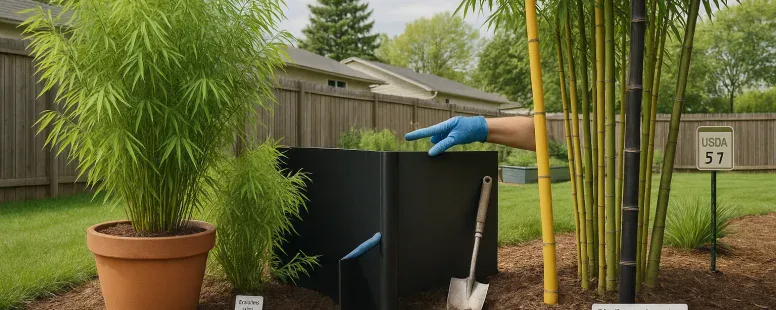
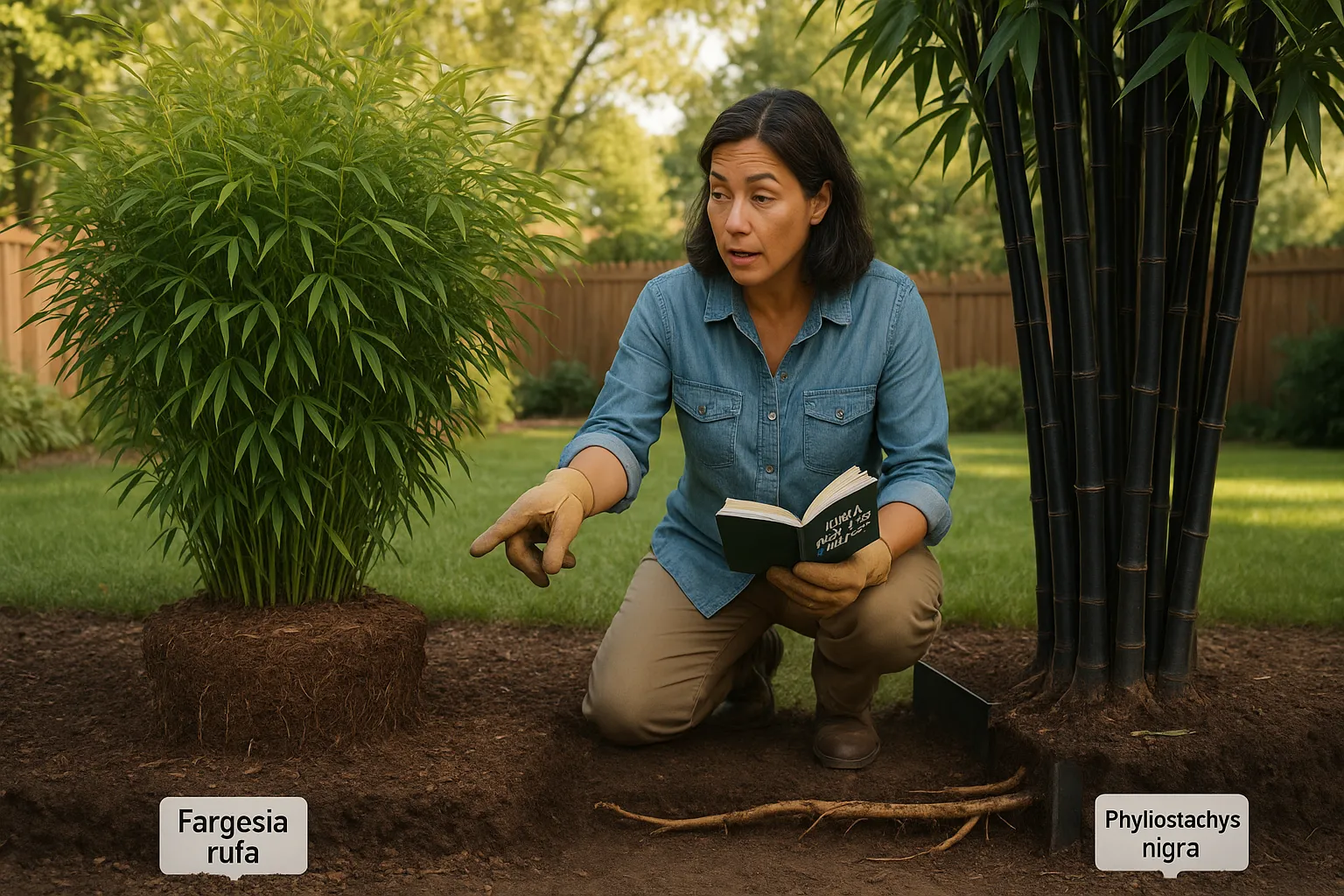
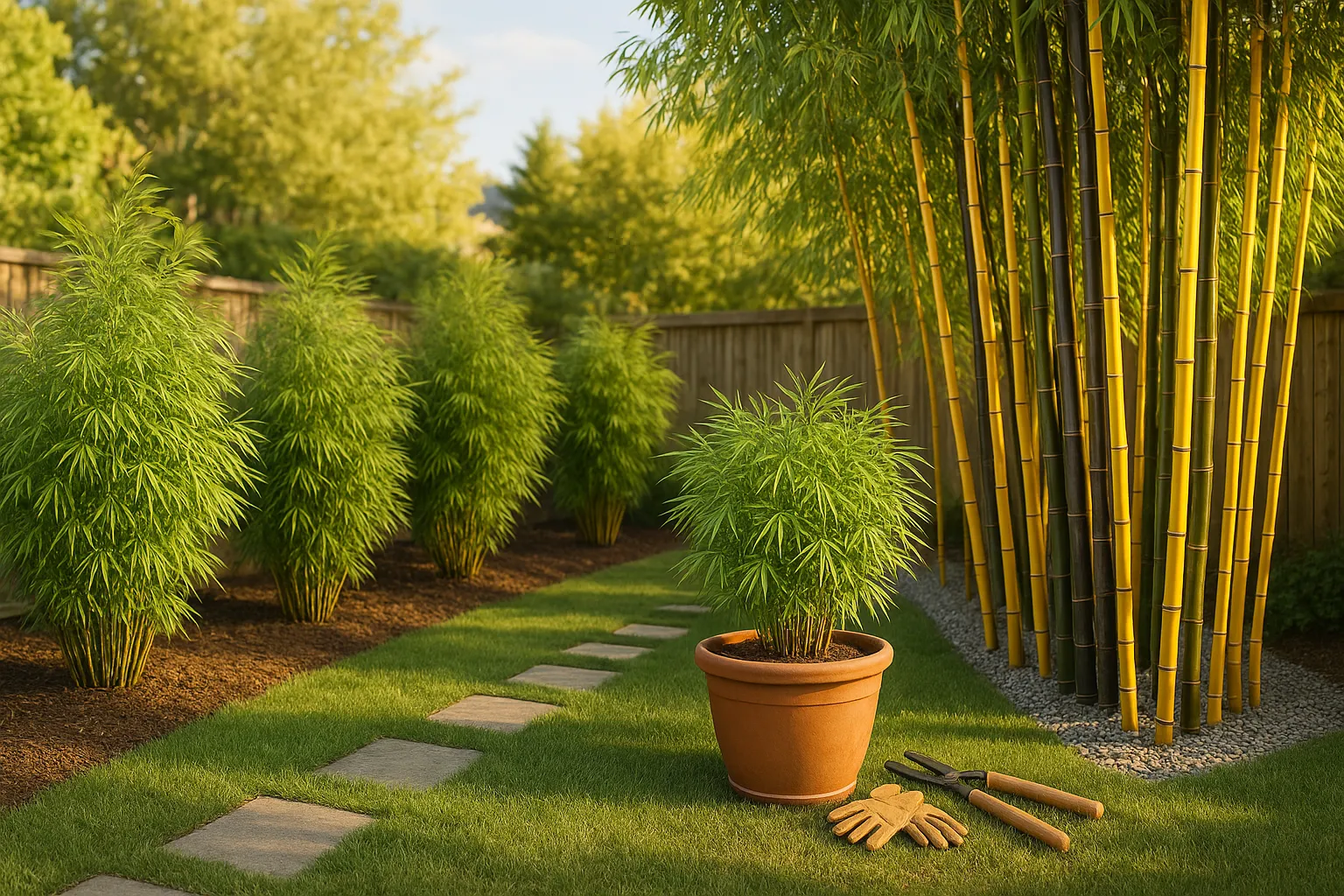
Fargesia: cold-hardy clumping bamboo suited to smaller gardens. It grows in tight clumps, rarely sends long underground runners, and tolerates shade better. You’ll see species names like Fargesia rufa or Fargesia nitida on nursery tags. These are often used for hedges, containers, and woodland gardens.
Phyllostachys: running bamboo known for rapid spread and tall, timber-like culms. This genus includes Phyllostachys nigra (black bamboo) and Phyllostachys aurea (golden bamboo). Phyllostachys tends to make long lateral rhizomes and can colonize large areas quickly if unmanaged.
Semantic entities to note: Royal Horticultural Society (RHS) recommendations, USDA hardiness zones, and plant trade names such as ‘Fargesia rufa’ and ‘Phyllostachys nigra’.
Quick decision rule: If you want low-risk containment and shade tolerance, choose Fargesia. If you need fast screening or timber-size culms and you can contain it, choose Phyllostachys.
Growth Habit And Spread: Clumping Versus Running
Fact: Clumping bamboos expand slowly outward from the crown, while running bamboos send far-reaching rhizomes that create new shoots meters away. You should weigh this before planting.
Clumping Vs Running: How Each Spreads
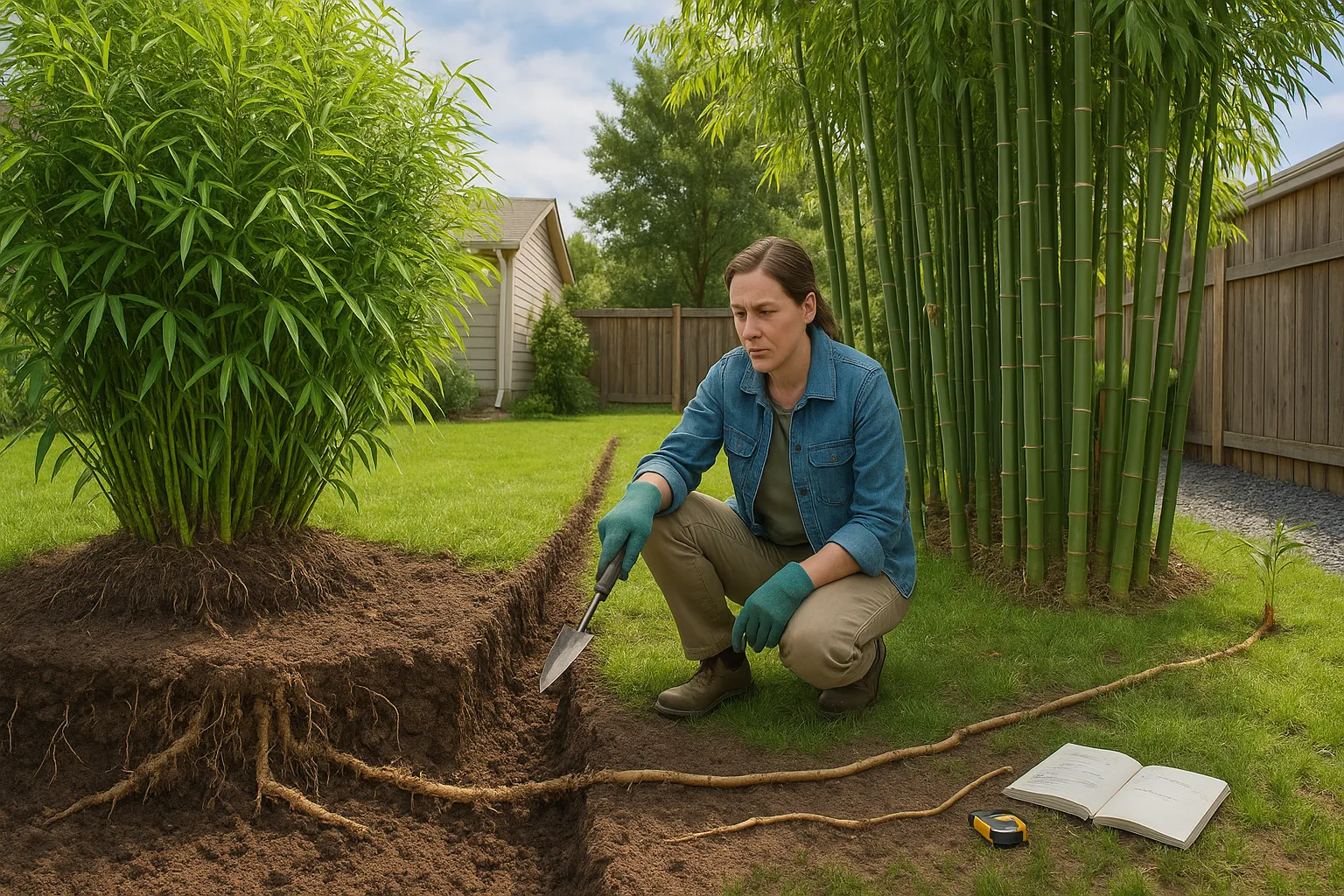
Clumping bamboo produces pachymorph rhizomes. Those rhizomes turn up near the parent plant and make a tight circle of new culms. You get a neat group that slowly increases in diameter. Running bamboo produces leptomorph rhizomes. Those rhizomes push horizontally and make new shoots distant from the original plant. This difference matters for containment and for where shoots appear.
Rates Of Growth And Mature Size
Fargesia species tend to reach mature height of 6–15 feet, with moderate annual increase. Phyllostachys species range from 10 feet to well over 50 feet, depending on species and climate. Phyllostachys growth often shows a fast burst in spring, with new canes reaching full height quickly. Expect Phyllostachys to fill a screen in 2–5 years: Fargesia may take slightly longer but stays denser at the base.
Root Structure And Invasiveness Risk
Root structure: Fargesia roots stay near the crown and form a fibrous mass. Phyllostachys roots spread via long runners and can resurface through gravel drives, beds, or under fences. Invasiveness risk is higher for Phyllostachys: many local councils and neighbors object when a running grove jumps property lines. Containment planning is non-negotiable with running types.
Planting, Containment, And Ongoing Maintenance
Fact: Proper site choice and a containment plan determine whether your bamboo becomes an asset or a problem. Planting well pays off every season.
Site Selection, Soil, And Planting Tips
Choose a site with good drainage. Both genera like moist, fertile soil, but they dislike waterlogged roots. Fargesia tolerates part shade and can handle afternoon shade in hotter regions. Phyllostachys prefers full sun for best culm color and density. Plant small nursery clumps at the same depth they were grown: firm soil around the root ball and water deeply the first season. Use compost and a balanced slow-release fertilizer in spring.
Containment Strategies For Running Bamboo
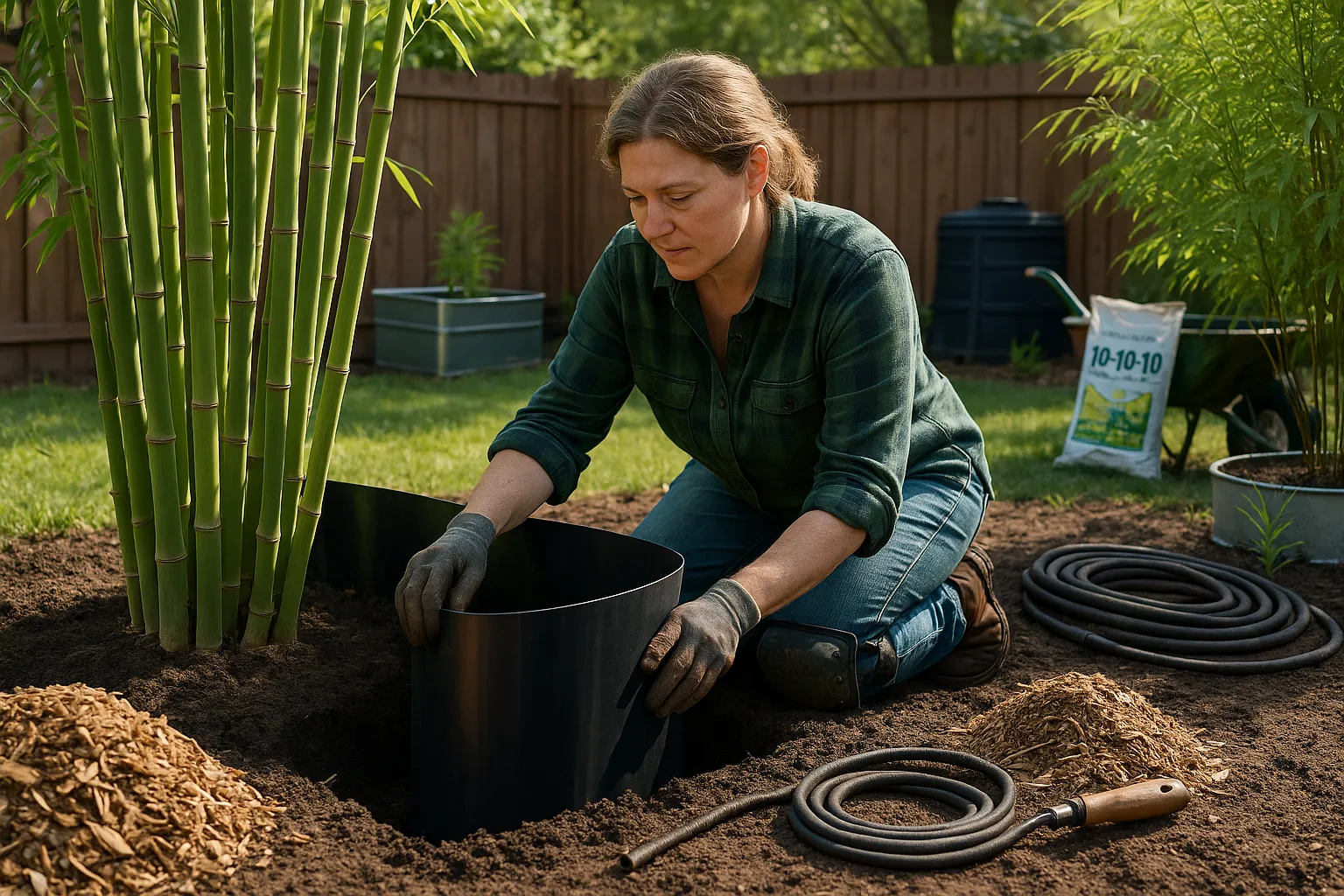
Use a physical barrier at least 30–40 inches deep made from high-density polyethylene (HDPE) or galvanized steel to stop rhizomes. Angle the barrier outward slightly to deflect runners up. Install the barrier with a 2–4 inch lip above soil to check surface shoots. Another method: plant Phyllostachys in raised beds or large steel tanks. A less reliable option is regular rhizome pruning: dig a trench around the grove and cut rhizomes each fall. These tactics reduce escape but do not guarantee it: vigilance matters.
Pruning, Watering, And Fertilizer Recommendations
Prune in late winter to remove dead canes and open the clump. Water deeply during dry spells: bamboo needs consistent moisture while establishing. Apply 10-10-10 or similar balanced fertilizer in early spring and again mid-summer for fast growers. Mulch with wood chips to conserve moisture. Note: Fargesia may need more summer water in hot zones because it evolved in cooler mountain climates. I’ve seen Fargesia stress and drop leaves in a hot, dry July, so water more then.
Landscape Uses And Design Considerations
Fact: Choose Fargesia for tight, low-maintenance screens and Phyllostachys for tall, dramatic backdrops or timber use.
Privacy Screens, Hedge Lines, And Mass Plantings
Fargesia makes fine hedges because it keeps a tidy base and fills out. Plant clumps 3–6 feet apart for an immediate screen. Phyllostachys creates an impressive wall: space plants 5–8 feet apart to let canes mature and roots develop. For a fast privacy row choose Phyllostachys if you accept the containment work.
Specimen Plants, Containers, And Small Gardens
Fargesia works well as a specimen in containers and in small gardens because it stays compact. Use a large pot, at least 15–20 gallons, to keep a Fargesia happy for years. Phyllostachys can live in very large containers for a while, but it will eventually want ground space: use it as a temporary dramatic specimen rather than a permanent container plant.
Aesthetic Differences: Culm Color, Foliage, And Texture
Phyllostachys offers strong culm colors: black (P. nigra), yellow with green stripes (P. aureosulcata), and classic golden hues (P. aurea). Culms are often thicker and straighter, good for timber and crafts. Fargesia culms are usually green and thinner, with dense foliage that gives a softer texture. Fargesia’s leaves are often narrower, creating a finer, feathery screen.
Top Species And Cultivar Recommendations
Fact: Match species to climate and intended use, don’t assume all bamboo behave the same. I’ll list practical choices.
Fargesia Varieties For Cold Climates And Shade
Fargesia rufa: hardy to USDA zone 5, compact, and excellent for small gardens.
Fargesia nitida: taller, elegant arching habit, good in part shade.
These are common in UK and northern US gardens and carry positive reviews from the RHS and amateur growers.
Phyllostachys Varieties For Vigorous Screening And Timber
Phyllostachys aurea: dense clumping of canes when young, good for low screens and hardy to zone 6.
Phyllostachys nigra: prized for black culms and ornamental value: needs room and full sun.
Phyllostachys bambusoides: tall and timber-grade, used historically in Japan for construction and crafts.
When selecting Phyllostachys, confirm hardiness and check supplier reviews, wrong choice can mean decades of containment work.
Pests, Diseases, Cold Tolerance, And Longevity
Fact: Both genera resist many pests, but they face specific threats and climate limits. Know these before planting.
Common Pests And Diseases And How To Manage Them
Pests: Bamboo can suffer from aphids, scale, and bamboo mites. Treat small infestations with insecticidal soap or horticultural oil. Larger outbreaks may require targeted systemic insecticides. Diseases: fungal leaf spots and root rot occur in poorly drained soils. Improve drainage and remove affected leaves. Phyllostachys is sometimes prone to bamboo mosaic virus: buy certified stock.
Winter Hardiness, Bamboo Dieback, And Recovery
Fargesia often tolerates colder winters (down to zone 5 for many cultivars) and recovers well if top tips freeze. Phyllostachys varies widely, some species handle zone 5, others only zone 7 and warmer. Bamboo dieback can follow extreme cold, drought, or salt exposure. When dieback occurs, cut dead canes to the base: bamboo often resprouts from healthy rhizomes. I once lost a row of P. aurea after an unexpected -15°F event: half regrew from roots the next spring but the form changed. That taught me to plant backup specimens and label species properly.
To provide the best experiences, we use technologies like cookies to store and/or access device information. Consenting to these technologies will allow us to process data such as browsing behaviour or unique IDs on this site. Not consenting or withdrawing consent, may adversely affect certain features and functions.
Functional
Always active
The technical storage or access is strictly necessary for the legitimate purpose of enabling the use of a specific service explicitly requested by the subscriber or user, or for the sole purpose of carrying out the transmission of a communication over an electronic communications network.
Preferences
The technical storage or access is necessary for the legitimate purpose of storing preferences that are not requested by the subscriber or user.
Statistics
The technical storage or access that is used exclusively for statistical purposes.The technical storage or access that is used exclusively for anonymous statistical purposes. Without a subpoena, voluntary compliance on the part of your Internet Service Provider, or additional records from a third party, information stored or retrieved for this purpose alone cannot usually be used to identify you.
Marketing
The technical storage or access is required to create user profiles to send advertising, or to track the user on a website or across several websites for similar marketing purposes.