Imagine the thrill of a high-stakes game where every shot feels like a move in a grand chess match on a velvet battlefield. Pool’s different formats, like 8-ball and 9-ball, reveal their true character through subtle tactics and daring plays. They’re not just about sinking balls—they test your pace, precision, and patience, turning each table into a stage for strategic mastery.
Did you know that understanding these differences can actually sharpen your focus and boost your confidence at the table? Like a skilled painter choosing just the right brushstroke, knowing when to shift gears can transform your game from routine to remarkable.
What Are the Basic Rules of 8-Ball and 9-Ball Pool?
What Are the Basic Rules of 8-Ball and 9-Ball Pool?
8-ball and 9-ball are two popular pool games, and they have different rules. Knowing these rules can help you understand how each game is played.
8-Ball Pool
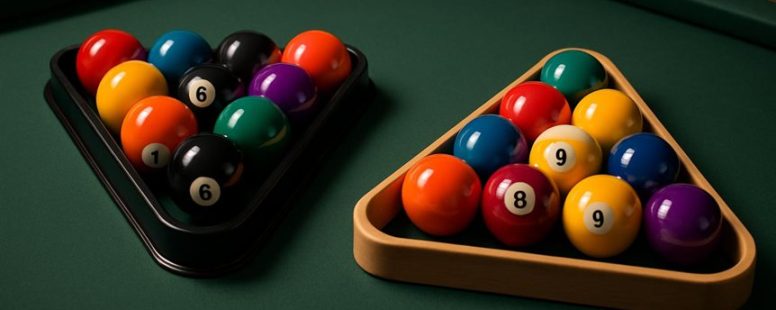
In 8-ball, players try to pocket all their own balls, which are either stripes or solids. After that, they aim to pocket the 8-ball to win. The game starts with one player breaking the rack of 15 balls. You must hit your group of balls first, and you can only pocket your assigned balls. If you scratch (hit the wrong ball or jump off the table), your turn ends, and your opponent gets ball-in-hand, meaning they can place the cue ball anywhere on the table. Careful cue ball control is important because it helps set up your next shot. If you accidentally hit the 8-ball too early or scratch while trying to pocket it, you lose the game.
9-Ball Pool
In 9-ball, players must hit the lowest numbered ball on the table first. The goal is to pocket the 9-ball, but you have to hit the lowest ball in order. For example, if the lowest ball is number 1, you must hit it first. After hitting the correct ball, if you pocket a ball, you continue shooting. If you fail to hit the lowest ball or scratch, your opponent gets ball-in-hand. The game focuses on precise cue ball control because hitting the balls in order can be tricky. Some players find 9-ball faster and more challenging since it requires accurate shot placement and strategic thinking.
In summary, 8-ball is about clearing your group of balls and then pocketing the 8-ball, while 9-ball requires hitting balls in sequence from 1 to 9. Both games have fouls, like scratching or hitting the wrong ball, that give the other player an advantage. Understanding these basic rules helps players enjoy the game and play fair.
Which Game Is Faster: 8-Ball or 9-Ball?
8-ball and 9-ball are two popular pool games, but 9-ball is generally faster. The main reason is that 9-ball often involves more direct shots, like bank shots, which can clear groups of balls quickly or set up the next shot fast. Players usually aim for quick combinations or bank shots to pocket the 9-ball, speeding up the game. Also, cue ball control is very important in 9-ball because players must hit the lowest numbered ball first. This makes precise positioning for the next shot more critical.
On the other hand, 8-ball allows players to play safer shots and take longer safety exchanges. This can slow down the game because players might spend more time trying to block their opponent. Some players prefer this slower, strategic style.
How Do Strategies Differ in Shot Selection and Safety?
Strategies in shot selection and safety are different in 8-ball and 9-ball because each game has its own rules and goals. In 8-ball, the main focus is on risk evaluation. You might need to decide if a tough shot is worth trying or if you should play safe to make it harder for your opponent. It’s okay to choose easier shots that set up future chances. For example, if you see a simple shot that leaves your opponent a difficult shot later, you might play it safe.
In 9-ball, the goal is to make precise, often more difficult shots to stay on the lowest-numbered ball. Safety plays are also more strategic here. You often think several shots ahead, trying to leave your opponent with no good options. For instance, you might intentionally leave a ball close to a pocket to block your opponent’s shot.
When Do Skill Differences Make the Biggest Impact?
Skill differences matter most during critical moments in a game. For example, when you need a tough shot in basketball or a tricky safety in pool, your skill level can decide the outcome. These moments often test your experience and precision.
In tournaments or high-pressure situations, small mistakes can cost you the game. That’s why being calm and accurate is so important. For example, a player who can stay focused and make a perfect shot under pressure will often win against someone with similar skills but less composure.
Some people say that skill is the biggest factor in winning, especially in clutch moments. Others believe that mental strength and confidence can sometimes make up for small skill gaps. If you’re practicing for a sport, you should focus on these crucial times where your skills really make a difference.
Think about it like a race: even if two runners are close in speed, the one who keeps calm and pushes hardest at the last moment usually wins. That’s how skill and experience can turn the game in your favor when it counts most.
Critical Skill Moments
Critical skill moments happen when a player faces a tough shot or must make a smart decision that can change who is winning. These moments are where a player’s skill really shows. For example, a tricky shot that needs perfect aim and technique can decide the game. During these times, staying focused is very important. If a player loses concentration, they might miss their chance or make a mistake that costs them. It’s not just about making the shot but also about staying calm and visualizing success.
For instance, imagine a pool player lining up a difficult bank shot. If they get nervous or distracted, they might miss. But if they stay relaxed and confident, they can make the shot and turn the game around. These moments test both skill and mental strength. Some players excel under pressure, while others crack. That’s why these key points are often where winners are made. They highlight how important it is to keep cool, stay focused, and perform well when it really matters.
Tournament Pressure Situations
In tournament pressure situations, the most important difference between skilled players is how they handle stress. When the stakes are high, players need to stay calm and focused. Their mental strength can decide if they win or lose. For example, a tennis player might face a tough call from the referee in a close match. How they react can change the outcome. Some players stay cool and don’t get angry or distracted. Others might lose their focus and make mistakes.
Psychological resilience means staying strong inside when things get tough. It helps players avoid choking under pressure. Think about a basketball player shooting free throws in the final seconds. If they get nervous, they might miss. But players with strong mental skills can block out the noise and perform well.
There are two sides to this. Some say that technical skill still matters most, and mental strength just helps players perform at their best. Others believe that mental toughness can sometimes make the difference between winning and losing, especially in close games.
It’s also worth mentioning that referees can influence the game. Sometimes, their calls can be unfair or unclear, which adds more pressure. Skilled players learn how to stay focused despite these moments.
In the end, winning in tough tournament moments depends on more than just skill. It’s about how well players can stay calm, resist frustration, and keep their attention on the game. This mental toughness can turn a good player into a champion.
Does Equipment and Setup Affect Play in 8-Ball vs. 9-Ball?
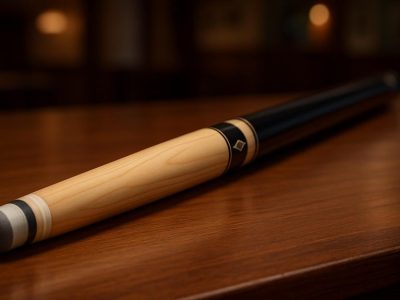
Equipment and setup do affect how both 8-ball and 9-ball are played, but they influence each game differently. In 8-ball, having consistent equipment helps you control the cue ball better. This is important because you need to plan many shots across the table. For example, if your cue or cloth are worn out, your shots may not go as planned. A good cue stick from brands like Predator or Meucci can last long and stay reliable, helping you aim better.
In 9-ball, precision and quick thinking are key. The equipment needs to perform smoothly to avoid missed shots or unintended spins. If your cue is worn or your cloth is uneven, it can cause mistakes during fast-paced plays. For instance, a slight wobble in your cue might send the ball off course, ruining a good shot. High-quality cues and clean, well-maintained tables help keep the game fair and accurate.
Some players might think that equipment doesn’t matter much if they are skilled. But even pros know that reliable tools can boost confidence and improve accuracy. Yet, it is also true that practice and skill are more important than fancy gear. Good equipment helps beginners get better faster, but it won’t replace the need to learn proper technique.
In short, good equipment supports better control and shot accuracy in both 8-ball and 9-ball. It especially matters when aiming for precise shots or playing under pressure. But remember, no matter what equipment you use, practicing regularly is the best way to improve your game.
How Do Playing Styles Develop in Each Game?
Playing styles in 8-ball and 9-ball are different because of how the games are played. In 8-ball, players tend to focus on controlling the cue ball. They try to set up safe shots and avoid fouls. This makes their style more defensive and strategic. For example, players often aim to leave their opponent in a tough spot. Mastering bank shots, where the ball hits the rail before going into the pocket, is very important here. This helps when direct shots are not possible.
In contrast, 9-ball encourages a more aggressive style. Players aim to move the balls quickly and take shots that let them run the table faster. They focus on precise cue ball control and pattern play. This means they plan their shots to pocket balls in sequence, often going for quick, smart shots to win fast.
Which Pool Game Is Right for Your Playstyle and Goals?
Choosing the right pool game depends on what you want to do and how you like to play. If you enjoy quick, strategic matches that test your thinking, then 9-ball might be a good choice. It moves fast and requires you to think ahead. On the other hand, 8-ball is more laid-back and gives you more options, making it perfect for relaxing with friends or practicing your skills.
Think about how good you are at pool. If you are just starting out, 8-ball can be easier because it lets you take your time and try different shots. If you want to compete and win tournaments, 9-ball could be better since it is often used in professional matches.
Some players like 9-ball for its speed and challenge, while others prefer 8-ball because it feels more fun and social. Remember that both games can improve your pool skills, but they do so in different ways. Always consider your goals and how much you enjoy playing when picking a game.
Playing Style Compatibility
Playing style is a big factor in choosing the best pool game for you. If you like control over the cue ball and enjoy planning your shots, 8-ball might be better. It lets you choose different shots and play some defense. This game is good if you want to think ahead and make strategic moves.
But if you like quick shots and precision, 9-ball could be your best choice. It needs sharp breaks and accurate shots right from the start. Players who enjoy fast, focused play often find 9-ball more exciting.
Your comfort with controlling the cue ball is very important. 8-ball usually asks you to think about where the cue ball will go after each shot. 9-ball focuses more on speed and hitting the right ball at the right time. Knowing what suits your style can help you pick the game you will enjoy most and get better at faster.
Some players might find 8-ball too slow or too complicated for their liking. Others might find 9-ball too quick and tricky to control. Trying both games can help you see what feels best for you.
Skill Level Requirements
The best pool game for you depends on your skill level and what you want to get out of playing. If you are just starting out or want to learn gradually, 8-ball is a good choice. It requires strategic thinking, planning shots, and controlling the cue ball. These skills take time to develop, so longer games are common. Playing on a well-maintained table with a good cue stick helps improve your accuracy. For example, a sturdy cue stick from a trusted brand like Predator or Meucci can help you make more precise shots.
On the other hand, if you are more experienced and want fast, exciting games, 9-ball might be better. It focuses more on shot accuracy and quick thinking. 9-ball games are usually shorter and more intense, which can be fun if you like a challenge. However, it can be harder for beginners because the shots require quick precision.
When choosing between the two, think about your goals. Do you want to build your skills slowly with longer, strategic games? Or do you prefer fast-paced, exciting play that tests your quick thinking? Both games have their strengths and limits, so consider what kind of experience you want. Remember, practicing on a clean, smooth table and using the right cue stick can make a big difference in how well you play, no matter which game you choose.
Competitive Versus Casual
Knowing whether you want to play pool seriously or just for fun can change your whole experience. If you play competitively, you will focus on improving skills like making bank shots and planning your breaks. Casual players usually just want to have fun, trying different shots without worrying too much about winning.
Here are some points to think about:
Skill Level: In competitive pool, players need to master advanced shots like bank shots to beat their opponents. Casual players don’t need to be as precise and often experiment with shots just for fun.
Strategy: In a serious game, breaking well is very important to control the table early. Casual games often have a slower pace, giving players more time to think about their shots and try new things.
Pace: Competitive games can be fast and intense, while casual games are more relaxed and slow. Casual players might take their time to enjoy each shot or experiment with tricky plays.
Choosing between competitive and casual play depends on what you want. Do you want to improve your skills and challenge yourself? Or do you just want to relax and have fun? Both are good, but it’s best to pick what fits your goals.
To provide the best experiences, we use technologies like cookies to store and/or access device information. Consenting to these technologies will allow us to process data such as browsing behaviour or unique IDs on this site. Not consenting or withdrawing consent, may adversely affect certain features and functions.
Functional
Always active
The technical storage or access is strictly necessary for the legitimate purpose of enabling the use of a specific service explicitly requested by the subscriber or user, or for the sole purpose of carrying out the transmission of a communication over an electronic communications network.
Preferences
The technical storage or access is necessary for the legitimate purpose of storing preferences that are not requested by the subscriber or user.
Statistics
The technical storage or access that is used exclusively for statistical purposes.The technical storage or access that is used exclusively for anonymous statistical purposes. Without a subpoena, voluntary compliance on the part of your Internet Service Provider, or additional records from a third party, information stored or retrieved for this purpose alone cannot usually be used to identify you.
Marketing
The technical storage or access is required to create user profiles to send advertising, or to track the user on a website or across several websites for similar marketing purposes.