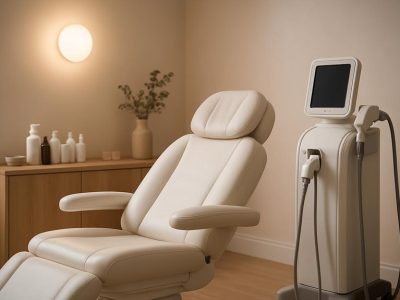
Thinking about sculpting away stubborn fat but not ready to dive straight into surgery? Before you commit, explore non-invasive options that can target small trouble spots with minimal fuss—like a gentle breeze whispering through your body.
Treatments such as coolsculpting or radiofrequency devices can feel like a soothing heat or icy touch, offering surprising benefits like tightening skin while melting away fat.
Knowing what truly works and what to skip can be as refreshing as a cool sip on a hot day, helping you set realistic expectations before a decision that could reshape your body’s story forever.
What Are the Best Non-Invasive Alternatives to Liposuction?
Liposuction is a common way to remove fat, but some people prefer non-invasive options. These treatments do not require surgery or long recovery times. They work by using cold or heat to break down fat cells. Some of the best non-invasive alternatives include CoolSculpting and radiofrequency therapies.
CoolSculpting uses cold temperatures to freeze and kill fat cells. It is good for targeting small, stubborn areas like the belly or thighs. Radiofrequency treatments heat the fat cells, helping to reduce fat and tighten the skin. Both methods can be effective, but results depend on your body and how your body responds to treatment.
Genetics and hormones also play a role in how your body stores and burns fat. Some people find it harder to lose fat because of these factors. These treatments can help, but they may not work the same for everyone. They are best used alongside healthy eating and regular exercise.
If you are thinking about these options, talk to a doctor or a qualified specialist. They can help you choose the best treatment based on your body. Remember, non-invasive treatments can improve your shape but might not give dramatic results like surgery. It’s good to understand their limits before trying them.
Can Lifestyle Changes Help You Tone and Reshape Your Body Naturally?
Losing fat and shaping your body naturally can be done with simple lifestyle changes. The key is to make consistent habits in your daily routine.
First, eating a balanced diet helps your body stay healthy and burn fat better. Focus on eating more fruits, vegetables, lean meats, and whole grains. Avoid too much junk food or sugary drinks. When you choose healthy foods, you give your body the fuel it needs to tone up.
Second, exercising regularly is very important. You don’t need to spend hours at the gym. Even walking, biking, or doing bodyweight exercises at home can make a difference. Consistency matters more than intensity. For example, walking for 30 minutes every day can help you build muscle and burn calories.
Third, getting enough sleep helps your body recover and stay energized. Sleep affects your hormones and can impact your weight. If you don’t sleep enough, you might feel tired and less motivated to exercise or eat healthy. Experts say adults need around 7 to 9 hours of sleep each night.
Some people think lifestyle changes are enough for quick results. Others warn that natural methods take time and patience. It’s true that you won’t see overnight changes, but small habits can lead to long-term success. Remember, everyone’s body is different, so progress may vary.
Enhance Diet Quality
Eating healthier is a simple way to help your body look and feel better. Good nutrition means eating the right balance of foods, like fruits, vegetables, and lean proteins. These foods give your body the fuel it needs to burn fat and build muscle. Planning your meals ahead of time can help you make better choices and stay on track. For example, packing a lunch with chicken, carrots, and fruit is easier than grabbing junk food on the run. Some people also take vitamins or dietary supplements, like multivitamins or protein powders, to fill in missing nutrients and stay energized. But be careful—adding supplements is not a magic fix and should not replace real food.
Cutting down on processed snacks and sugary drinks can make a big difference. These foods often cause bloating and inflammation and don’t support your health goals. For example, swapping soda for water or fruit juice can help you feel better and look more toned. Some people worry that they might feel deprived if they give up certain treats, but small changes can add up over time. Remember, consistency matters most. Making small, sustainable changes each week can help you see steady progress without feeling overwhelmed.
There are two sides to consider. Some experts say that focusing only on eating healthy is enough, but others believe that combining good food choices with regular exercise is better. Keep in mind, everyone’s body responds differently, so it’s good to listen to what works for you. Overall, choosing to eat better is a simple step that can lead to lasting results when done regularly.
Incorporate Regular Exercise
Regular exercise is one of the best ways to help your body tone and reshape naturally. It works well when you also eat healthy foods. To get the best results, you should make a routine that fits your fitness goals. Whether you want to get stronger, build endurance, or lose fat, doing specific workouts helps activate muscles and speeds up your metabolism.
Pick activities you enjoy so you are more likely to keep doing them. Combining different types of exercises like cardio, strength training, and stretching can help you see better results. For example, running or biking can boost your heart health, while lifting weights helps build muscle. Stretching keeps your muscles flexible and can prevent injuries.
Some people worry that exercise takes a lot of time. But even short sessions, like 15 minutes of brisk walking, can make a difference if you do them regularly. Remember, progress takes time, so don’t get discouraged if you don’t see quick changes. Staying consistent is key.
There are two views about exercise and body shaping. Some believe that working out is the best way to improve your body naturally. Others warn that overdoing it can cause injuries or exhaustion. So, it’s good to listen to your body and rest when needed.
Making exercise a regular part of your life can help your body tone up and reshape itself without needing surgery or other invasive procedures. Just stay active, eat well, and be patient.
Prioritize Consistent Sleep
Getting enough good sleep is very important if you want to shape your body naturally. Sleep helps your hormones stay balanced, reduces cravings for unhealthy food, and helps your muscles recover after exercise. When you don’t sleep well, it becomes harder to tone up because your body can’t do these things properly.
To improve your sleep, focus on sleep hygiene. This means going to bed and waking up at the same times every day. Avoid screens like phones or TVs at least an hour before bed because the light from screens can keep you awake. Make your bedroom a calm and dark space so it’s easier to relax. These habits help you sleep better, which in turn helps your body burn fat and build lean muscle faster.
Some people find that good sleep helps their metabolism work better and lowers stress, both of which support body shaping. But keep in mind that sleep isn’t just rest time. It’s a key part of your fitness plan. Without enough sleep, your progress can slow down, even if you exercise regularly. So, making sleep a priority can give you better results without needing surgery or other quick fixes.
How Do Diet and Nutrition Impact Fat Reduction Without Surgery?
Eating the right foods and nourishing your body helps reduce fat naturally without surgery. Your genes can influence how your body stores or burns fat, which means some people have a harder time losing fat in certain areas. Hormones like insulin, cortisol, and thyroid hormones also affect fat loss by controlling your metabolism and where fat is stored.
A diet with whole foods, lean proteins, healthy fats, and fiber helps keep hormones balanced and speeds up your metabolism. For example, eating more vegetables and fruits can help you feel full longer and give your body the nutrients it needs. Cutting back on processed foods and sugary drinks can prevent hormonal imbalances that slow down fat loss.
Knowing how your body responds to different foods and hormones can help you make better choices. For example, some people may find cutting sugar helps them lose weight faster, while others may need to focus on balancing their stress hormones.
There are two main points to consider. First, eating well supports natural fat loss and can improve your overall health. Second, genetics and hormones can make fat loss easier or harder for different people. It’s good to remember that diet alone may not work for everyone, and sometimes combining healthy eating with exercise is best.
What Non-Surgical Treatments Are Effective for Fat Loss?
Non-surgical treatments can help reduce fat without surgery. These methods work by targeting specific areas where fat is stored. For example, cryolipolysis, also known as fat freezing, uses cold temperatures to break down fat cells. Radiofrequency therapy uses heat to shrink fat and tighten skin. These treatments are safe and usually need little or no downtime, making them popular choices.
However, they do not replace healthy habits like eating well and exercising. Sometimes, genetics and hormones can affect how your body stores and burns fat. For instance, some people might find it harder to lose fat in certain areas because of their genes. Hormonal imbalances can also slow down fat loss.
There are two main viewpoints on these treatments. Some people say they work well for small areas and can boost confidence. Others warn that results vary from person to person and may not be permanent. It’s also good to remember that these treatments are not magic. They work best when combined with a healthy lifestyle.
If you’re thinking about trying non-surgical fat reduction, talk to a healthcare professional. They can help you decide which options are best for your body and goals. Remember, no treatment will give you results if you don’t also eat healthy and stay active.
Which Methods for Fat Reduction Should You Avoid or Use Carefully?
Some fat reduction methods should be used carefully or avoided altogether. For example, unproven laser or ultrasound devices might seem tempting because they are advertised as quick fixes. But these treatments can cause burns, nerve damage, or simply not work at all. It’s best to do research and talk to a healthcare professional before trying them.
Cost is also a big factor. Some treatments look affordable at first, but they need many sessions to see results. This can add up and become expensive. Always check how many treatments you might need before paying for anything.
Be cautious of procedures that promise fast results without solid science behind them. These may be unsafe or just not effective. For example, some online ads claim quick fixes, but they may not have proof to back up their claims.
Safety should come first. Choose treatments that are based on science and recommended by doctors. Cheaper options that are not proven can lead to health problems or disappointment. Remember, when it comes to fat reduction, it’s better to go slow and steady than risk your health for a quick fix.
What Realistic Results Can You Expect From Non-Invasive Options?
Non-invasive treatments can help reduce small areas of stubborn fat, but they usually don’t cause big changes. For example, procedures like CoolSculpting or SculpSure can gently shape your body without surgery. These options are best if you want slight improvements, like smoothing out love handles or bulges on your stomach.
Results from non-invasive options take time to show up. Usually, you might see some changes after a few weeks, so patience is important. Think of it like planting a seed—you won’t see a big tree overnight.
It’s also important to keep in mind that these treatments aren’t permanent. To keep your new look, you will need to stick with healthy habits like eating well and exercising regularly. If you stop, the fat could come back. Some people may not see as much change depending on their body type or the amount of fat they want to lose.
On the other hand, some folks expect dramatic results from non-invasive methods and might feel disappointed. For bigger fat areas or more noticeable changes, surgery options like liposuction might work better, but they also come with more risks and longer recovery times.
Visible Fat Reduction Limits
Non-invasive fat reduction treatments can help you lose some fat, but they have limits. These treatments are good for small areas but usually can’t remove large amounts of fat. The amount of fat you can lose depends on your genetics and hormone levels. If your family tends to store fat in certain places, these treatments might not work as well.
Most non-invasive procedures gradually shrink fat in specific spots over several weeks. For example, they can target love handles or a small belly area but won’t make a huge difference all over your body. These treatments are best if you want to tone down some fat, not if you want a major change.
Compared to liposuction, which can remove larger amounts of fat quickly, non-invasive options are more limited. They work well for modest fat loss but can’t replace surgery when you want a big transformation.
Understanding these limits helps you set realistic goals. If you expect a dramatic change, you might need to consider other options. But if you want to fine-tune certain spots, non-invasive treatments could be a good choice. Just remember, patience is key because results show up slowly over time.
Time for Results
When it comes to non-invasive fat reduction treatments, the key fact is that you will see results slowly over time. These treatments, like CoolSculpting or SculpSure, do not work instantly. Instead, most people notice small changes within a few weeks. Bigger, more noticeable results usually appear after two to three months. This happens because your body needs time to break down and eliminate the fat cells.
Recovery from these treatments is quick. You might experience some swelling or redness, but most people can return to normal activities right away. Unlike surgery, there is little to no downtime. However, it’s good to remember that these treatments do not produce immediate results. They take patience and consistent treatment to work well.
Some people get frustrated if they do not see quick changes. It’s normal to want fast results, but understanding that fat loss takes time helps keep you motivated. Think of it like planting a seed; you need to wait for it to grow. If you are patient and stick to the treatment plan, you will likely see the best results.
On the other hand, some might expect dramatic changes right away. Keep in mind that non-invasive fat reduction is not a quick fix. It works best when combined with healthy eating and exercise. If you’re looking for immediate, dramatic results, surgery like liposuction might be a better choice. But surgery has more risks and longer recovery time.
Maintaining Long-Term Effects
Long-term results from non-invasive fat reduction treatments can vary. These treatments can help reduce stubborn fat for a while, but they don’t guarantee permanent results. How long the effects last depends on several factors like genetics and hormones.
Your genes play a role. Some people naturally store more fat in certain areas, and that can make fat come back even after treatment. Hormones matter too. They influence where your body stores fat and how long treatments stay effective. For example, hormonal changes during pregnancy or menopause can cause fat to shift or return.
To keep results longer, living a healthy lifestyle is key. Regular exercise and eating balanced meals help maintain fat loss. But remember, these treatments won’t fix loose skin or prevent weight gain from overeating. If you gain weight again, fat can come back, no matter what treatment you’ve had.
Some people think non-invasive treatments are the only answer, but they are not magic. They work best when combined with good habits and a balanced life. Be cautious, because without ongoing effort, the results may fade over time.
When Is It Time to Consider Liposuction Surgery?
Deciding when to consider liposuction surgery means understanding if your body needs more help than diet and exercise can provide. Liposuction is a procedure that removes stubborn fat from areas like the belly, thighs, or arms when healthy habits no longer work. If you have tried eating well and exercising regularly but still see fat that won’t go away, it might be time to think about liposuction.
Emotional readiness is also key. You should feel confident and prepared for the surgery and the recovery period. If you feel frustrated or disappointed because your efforts haven’t paid off, it could be a sign. Think about whether you are patient and realistic about what surgery can do.
Money matters too. Liposuction costs vary, but it is not cheap. It’s smart to research the price and consider if it fits your budget. If you believe that liposuction fits your goals and you are ready to handle the costs, it might be the right choice.
Some people worry about risks or the recovery time. It’s good to talk with a doctor and learn what to expect. Keep in mind that liposuction is not a quick fix. It works best when combined with a healthy lifestyle afterward.
In the end, it comes down to feeling mentally ready and knowing what the procedure can do. When you are confident, financially prepared, and realistic about the results, it could be time to explore if liposuction is right for you.
To provide the best experiences, we use technologies like cookies to store and/or access device information. Consenting to these technologies will allow us to process data such as browsing behaviour or unique IDs on this site. Not consenting or withdrawing consent, may adversely affect certain features and functions.
Functional
Always active
The technical storage or access is strictly necessary for the legitimate purpose of enabling the use of a specific service explicitly requested by the subscriber or user, or for the sole purpose of carrying out the transmission of a communication over an electronic communications network.
Preferences
The technical storage or access is necessary for the legitimate purpose of storing preferences that are not requested by the subscriber or user.
Statistics
The technical storage or access that is used exclusively for statistical purposes.The technical storage or access that is used exclusively for anonymous statistical purposes. Without a subpoena, voluntary compliance on the part of your Internet Service Provider, or additional records from a third party, information stored or retrieved for this purpose alone cannot usually be used to identify you.
Marketing
The technical storage or access is required to create user profiles to send advertising, or to track the user on a website or across several websites for similar marketing purposes.