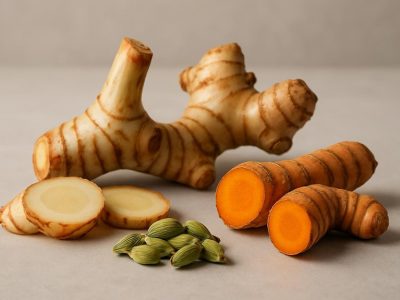
Your spice rack feels incomplete without turmeric, doesn’t it? Its golden hue and earthy aroma have a way of transforming dishes into vibrant works of art. But what happens when you’re out of this kitchen staple or need an alternative due to allergies or taste preferences? Don’t worry—you’ve got options.
Picture unlocking the same warmth, depth, and health benefits turmeric brings using substitutes that are just as versatile. Whether you’re aiming for a bold flavor in your curry or seeking that signature yellow tint in your recipes, there’s a world of spices waiting to step in. From pantry staples to lesser-known gems, these alternatives might surprise you with their potential.
What Is Turmeric And Why Is It Popular?
Turmeric is a golden-yellow spice derived from the root of the Curcuma longa plant. It’s renowned for its earthy flavor, slight bitterness, and warm notes that enhance various cuisines. Originating in South Asia, turmeric plays a crucial role in traditional dishes like Indian curries and Middle Eastern rice recipes.
The popularity of turmeric extends beyond cooking. Its active compound, curcumin, is celebrated for potential health benefits such as reducing inflammation and boosting antioxidant levels. According to studies published in journals like Phytotherapy Research, curcumin may support conditions like arthritis and digestive issues when consumed regularly.
Plus to its flavor and health advantages, turmeric’s vibrant color adds visual appeal to recipes. From golden milk lattes to soups and sauces, it creates visually striking meals. You might find turmeric used as a natural food coloring agent too.
Cultural significance also contributes to its widespread use. In regions like India, it’s part of rituals and Ayurvedic medicine traditions spanning centuries. Whether you’re preparing everyday dishes or exploring wellness trends, turmeric offers versatility that’s hard to match with just one substitute.
Common Reasons To Look For A Substitute For Turmeric
Sometimes, you may need an alternative to turmeric due to dietary restrictions, personal taste, or practical limitations. These factors can affect how and when you use or replace this popular spice in your recipes.
Allergies And Sensitivities
Turmeric allergies or sensitivities can result in reactions like skin irritation, digestive discomfort, or respiratory issues. If you’ve experienced symptoms after consuming turmeric-containing foods—such as curries or golden milk—you might consider switching to substitutes like saffron for color or ginger for a similar warmth.
Individuals with heightened sensitivity to curcumin (turmeric’s active compound) may also avoid it altogether. In such cases, mild spices such as paprika can provide visual appeal without triggering adverse effects.
Flavor Preferences
Not everyone enjoys turmeric’s earthy and slightly bitter flavor profile. If its taste overpowers certain dishes for you—like soups or stews—you could opt for cumin powder to maintain depth without the bitterness.
For those who prefer subtler flavors in lighter meals (e.g., salads), using dried mustard powder replicates some of turmeric’s pungency while offering a distinct yet balanced alternative.
Availability And Cost
In some regions, fresh turmeric root or high-quality powdered turmeric may not always be accessible due to limited supply chains. This scarcity often increases prices during specific seasons. When you’re unable to source it affordably at local stores, budget-friendly options like annatto seeds can deliver vibrant hues resembling turmeric’s signature color.
If cost constraints limit premium-grade purchases but recipes still demand unique flavors and health benefits, combining affordable alternatives like curry powder blends ensures versatility while reducing expenses significantly.
Best Substitutes For Turmeric
When you’re out of turmeric or need an alternative, several substitutes can replicate its color, flavor, and health benefits. Each option offers a distinct profile to enrich your recipes.
Saffron
Saffron provides vibrant yellow-orange hues similar to turmeric. Its delicate floral taste complements rice dishes like paella or biryanis. Since saffron is potent, use it sparingly—just a few strands infused in warm water release its color and aroma. Although expensive per gram, small quantities suffice for most recipes.
Ginger
Ginger delivers warmth and spice akin to turmeric but with a zesty kick. Fresh ginger works well in soups or stir-fries; powdered ginger suits baked goods and marinades. If replicating turmeric’s earthy undertones, combine ginger with cinnamon or cumin for added depth.
Curry Powder
Curry powder blends contain multiple spices—including turmeric—making them an easy substitute. They enhance curries, stews, and roasted vegetables while adding complexity from coriander, fenugreek, or cloves (varies by blend). Adjust quantities based on the mix’s strength to avoid overpowering flavors.
Annatto Seeds
Annatto seeds create a natural orange hue without altering taste significantly. Boil them in oil or water before straining the liquid into dishes like Latin American tamales or Caribbean fish stews. Ground annatto powder also works as a mild-flavored coloring agent suitable for sauces and desserts alike.
Choosing The Right Substitute For Your Recipe
Selecting the perfect turmeric substitute depends on your recipe’s requirements. You can achieve similar results by considering dish type, flavor balance, and color adjustment.
Considering The Dish Type
Identify whether your dish relies more on turmeric’s flavor, color, or both. In soups and stews like lentil dal or chicken curry, saffron or curry powder blends work well for vibrant hues and mild warmth. When preparing rice dishes such as pilaf or biryani, annatto seeds can mimic turmeric’s golden tint without altering taste significantly.
For recipes emphasizing health benefits like smoothies or herbal teas, ginger offers anti-inflammatory properties along with a spicy kick. Use ground options for even blending in liquids.
Balancing Flavor Profiles
Analyze how turmeric contributes to your recipe’s overall taste profile before replacement. If it adds earthy depth in savory dishes (e.g., roasted vegetables), cumin powder matches its robustness while avoiding bitterness. For lighter fare like dressings or marinades, dried mustard provides subtle sharpness compatible with various cuisines.
Avoid overpowering delicate ingredients by choosing substitutes sparingly; excess saffron may overwhelm mild flavors in creamy sauces while too much ginger might dominate soups’ aromatic layers.
Adjusting Quantity And Color
Match substitutes’ intensity carefully while maintaining desired visual appeal. Ginger is spicier than turmeric—use half the amount specified in recipes initially then adjust based on preference after tasting tests during cooking stages.
Tips For Using Turmeric Substitutes
Understand Flavor Profiles
Match the substitute to your dish’s flavor requirements first. For example, use ginger for its warm and slightly spicy notes in soups or stews, but choose saffron if you want a subtle floral taste in rice dishes. Adjust quantities based on the spice’s potency.
Prioritize Color Balance
Maintain vibrant hues by choosing substitutes like annatto seeds or curry powder when turmeric is primarily used as a coloring agent. This ensures visual appeal without compromising dish aesthetics.
Combine Ingredients
Blend multiple spices to mimic turmeric’s complexity when a single substitute doesn’t suffice. Pair cumin with paprika for earthiness and color in savory recipes like lentil curries.
Use Fresh Alternatives Where Possible
Opt for fresh substitutes such as grated ginger instead of powders for brighter flavors, especially in marinades and salad dressings.
Test Small Batches First
Experiment with small portions to ensure compatibility before scaling up the recipe entirely. This minimizes waste while allowing room for adjustments.
Consider Health Aspects
Choose anti-inflammatory alternatives like ginger or cinnamon if health benefits are a priority, keeping curcumin’s properties in mind during substitution planning.
Adapt Cooking Times and Techniques
Factor in cooking duration since some substitutes lose their potency faster than turmeric; add them closer to the end of cooking if needed, unless otherwise specified by the recipe instructions.
Store Properly For Consistency
Keep substitutes stored correctly (e.g., saffron in airtight containers) to retain their freshness and effectiveness over time, preserving both flavor and quality across uses.
Conclusion
Finding the right substitute for turmeric doesn’t have to be a challenge. With so many versatile options available, you can easily maintain the flavor, color, and depth of your dishes without compromising quality. Whether you’re experimenting with saffron, ginger, or curry powder blends, there’s always a way to adapt recipes while honoring their original essence.
By understanding the unique qualities of each alternative and adjusting them to suit your dish, you’ll keep your meals flavorful and visually appealing. Embrace creativity in the kitchen and let these substitutes inspire new culinary possibilities in your cooking journey.
To provide the best experiences, we use technologies like cookies to store and/or access device information. Consenting to these technologies will allow us to process data such as browsing behaviour or unique IDs on this site. Not consenting or withdrawing consent, may adversely affect certain features and functions.
Functional
Always active
The technical storage or access is strictly necessary for the legitimate purpose of enabling the use of a specific service explicitly requested by the subscriber or user, or for the sole purpose of carrying out the transmission of a communication over an electronic communications network.
Preferences
The technical storage or access is necessary for the legitimate purpose of storing preferences that are not requested by the subscriber or user.
Statistics
The technical storage or access that is used exclusively for statistical purposes.The technical storage or access that is used exclusively for anonymous statistical purposes. Without a subpoena, voluntary compliance on the part of your Internet Service Provider, or additional records from a third party, information stored or retrieved for this purpose alone cannot usually be used to identify you.
Marketing
The technical storage or access is required to create user profiles to send advertising, or to track the user on a website or across several websites for similar marketing purposes.