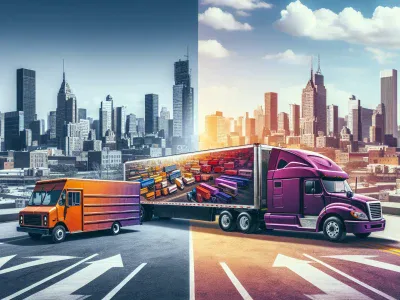
Picture this: you’re holding a package that promises excitement, urgency, or maybe a little bit of both. The clock’s ticking, your anticipation builds, and suddenly the question strikes—should you trust UPS or USPS to carry your precious cargo across cities or states? The answer isn’t as simple as you might think.
Both carriers weave through neighborhoods and highways, but their journeys are as different as a sprint and a marathon. You might crave lightning-fast delivery, crave reliability, or maybe you want to save a few dollars without sacrificing peace of mind. What if the best choice isn’t the obvious one? Let’s unravel the hidden perks and unexpected twists that set UPS and USPS apart, so you can make your next shipment a breeze.
Understanding UPS and USPS
Understanding UPS and USPS means looking at their histories, business models, and how real people use them daily. Every package delivered carries a story—maybe it contains a birthday gift, a vital document, or a last-minute business order.
Overview of UPS
UPS, founded in 1907, operates as a global logistics provider. This company’s brown trucks and uniforms symbolize reliability and consistency in domestic and international shipping. UPS handles over 20 million packages every day. Businesses often rely on UPS for urgent overnight documents, fragile electronics, and high-value goods—like the time a biotech firm shipped temperature-sensitive vaccine samples for clinical trials. UPS offers tracking alerts, signature-required deliveries, and scheduled pickups, targeting those who prioritize real-time updates and exact delivery windows. In 2024, you can see UPS drivers scanning parcels with handheld devices, ensuring up-to-the-minute status reports (source: UPS Annual Report 2023). If your shipment demands insurance or strict controls, UPS frequently becomes your top pick.
Overview of USPS
USPS, tracing roots to 1775, anchors federal mail delivery across urban centers and remote towns. USPS processes roughly 425 million mailpieces daily. For many, USPS means getting letters, tax documents, and care packages to military families overseas using Priority Mail or Military Mail—a service many small businesses choose when mailing handmade crafts or lightweight goods. USPS offers flat-rate boxes, regular Saturday delivery, and PO boxes, supporting users who value affordability and simplicity. You’ll see USPS mail carriers in blue uniforms braving snowstorms to deliver to every address, guided by the “neither snow nor rain” ethos (source: USPS Fact Sheets 2023). If your shipment fits within a tight budget or you’re mailing to every ZIP code, USPS stands out.
Carrier
Founded
Packages/Day
Delivery Types
Notable Services
UPS
1907
20 million
Domestic, Worldwide
Tracking, Insurance
USPS
1775
425 million
US, Territories
Flat-rate, PO boxes
Key Differences Between UPS and USPS
Comparing UPS and USPS reveals core differences in speed, pricing, reliability, and customer service. Each carrier excels in unique scenarios that could directly impact you or your business.
Delivery Speed and Reliability
UPS offers faster delivery for urgent shipments, including Next Day Air and 2nd Day Air. Reliable delivery hits its peak with UPS when speed matters most, as in high-value e-commerce shipments or last-minute legal documents. USPS prioritizes wide network coverage, consistently delivering general mail and packages across rural and urban addresses. Timeliness can dip during peak seasons for USPS, especially with ground and First-Class Mail. Businesses lean toward UPS when tight schedules and guaranteed deadlines matter, as shown in Amazon Prime’s frequent use of UPS for one-day deliveries. USPS shines sourcing regions with PO boxes and Saturday deliveries, keeping costs down for less time-sensitive parcels (source: USPS Service Standards).
Pricing and Shipping Options
USPS provides lower prices for lightweight and small parcels. Flat-rate boxes and First-Class Mail offer predictable costs for individuals and small shops shipping books, paperwork, or collectibles. UPS applies dimensional weight pricing, usually benefiting heavier or oversized parcels such as electronics or bulk supplies. For example, sending a 2-pound small package coast-to-coast costs less with USPS’s Priority Mail, while a 25-pound item shipper saves with UPS Ground in direct routes within the contiguous US (2024 rate sheets, UPS & USPS). Both carriers supply volume discounts, but business contracts with UPS provide deeper savings for frequent high-volume shippers. USPS’s simple walk-in pricing suits single senders, while UPS’s broader service catalog targets complex, high-value delivery scenarios.
Tracking and Customer Service
UPS features advanced tracking, updating packages at each scan point—from warehouse pickup to doorstep delivery. Customers get text or email alerts, easily monitoring every shipment stage. UPS’s phone support responds quickly for shipping issues, insurance claims, or lost parcels. USPS tracking covers most services except untracked letter mail; real-time status might lag, especially for international parcels. USPS customer help responds, but queues run longer, especially during holidays. If you’re sending time-critical items or need detailed updates, UPS delivers greater peace of mind. People shipping simple postcards, invitations, or low-value goods find USPS’s streamlined support sufficient for everyday needs.
Carrier
Best For
Speed Options
Price Strength
Tracking Level
Example Use Case
UPS
High-value, urgent business
Next Day, 2nd Day, Ground
Heavy/Dimensional
Detailed, real-time
Contracted e-commerce, legal docs, electronics
USPS
General mail, small parcels
First-Class, Priority
Lightweight/Flat-rate
Standard, functional
Book mailers, personal letters, rural shipments
Pros and Cons of UPS
UPS dominates the logistics landscape with its signature brown trucks and global reach. In parcel delivery, UPS stakes its reputation on speed, security, and reliability.
Advantages of Using UPS
Speed defines UPS express services, like Next Day Air and 2nd Day Air, which often shave hours off critical business deliveries. Reliability characterizes UPS, with its network handling precious cargo for tech firms, retailers, and legal offices; your shipments travel through more than 500 planes and 100,000 vehicles (UPS, 2023). Real-time tracking alerts from dispatch to doorstep, you always know if a rare comic book or high-value electronics reach recipients safely. Insurance options cover up to $50,000 per shipment, protecting luxury goods, artwork, or sensitive medical supplies. Customer service stands out, with dedicated agents and live chat, making complicated deliveries feel straightforward.
Drawbacks of UPS
Cost presents an obstacle for lightweight parcels, as UPS shipping rates frequently surpass USPS for books, single shirts, or handmade cards. Limited Saturday deliveries in rural areas sometimes postpone time-sensitive gifts by days. Confusing surcharges, such as fuel or residential delivery fees, surprise customers, particularly when booking through e-commerce platforms. Drop-off points aren’t always abundant outside metropolitan areas — for instance, Alaska or rural Idaho sees fewer UPS Access Points than USPS locations, so convenience isn’t guaranteed everywhere. Tracking gaps sometimes occur in international shipments when third-party partners handle the last mile, leaving anxious senders refreshing screens for updates.
Advantage/Drawback
Example
UPS Feature/Entity
Fast express shipping
Next Day Air for medical devices
Air network
Strong tracking
Real-time alerts for electronics
Integrated parcel system
High insurance limits
$50K policy for jewelry shipment
Shipment protection
High rates for light parcels
$12 for small book
Pricing
Occasional rural delays
Two-day wait for country delivery
Market Coverage
Extra fees
$4 residential surcharge
Surcharges
Sparse access points
25-mile drive in rural Idaho
Physical presence
Tracking lags abroad
Untracked period in partner handoff
International logistics
Pros and Cons of USPS
USPS links neighborhoods, businesses, and entire coasts through a web of affordable postal options. When you’re weighing the shipping options, USPS brings both notable upsides and certain limitations.
Advantages of Using USPS
Affordable rates let you send small packages nationwide without straining your wallet—First-Class Mail for postcards, Media Mail for books, and Flat Rate Boxes for priority parcels stand out. Saturday delivery goes beyond weekdays, connecting you to friends or buyers while UPS trucks rest. Broad accessibility shines; USPS drop boxes appear outside pharmacies, gas stations, and on quiet rural lanes, making pickups simple.
If you’re running a small Etsy shop, Priority Mail gives your handmade earrings a tracking number and $50 insurance, all for a single flat-price. International reach extends to 190 countries, giving you reliable Global Express service, even for items as humble as a postcard from New York to a pen pal in Berlin.
Government oversight brings special legal protections. Unlike private carriers, USPS must deliver to every address, no matter how remote.
If you’re mailing voter ballots or official documents, USPS performs with safeguards and steady reliability according to the United States Postal Service Inspector General.
Drawbacks of USPS
Tracking updates can sometimes lag by hours, especially for international or rural routes. Customer service channels get crowded, so it’s possible you’ll face wait times or agents might lack access to package details not found in the online system. Delivery speed varies; Priority Mail can mean two days for one envelope but up to five for another—holiday backlogs sometimes delay even more.
Package insurance limits stays lower for standard options, with claims taking weeks when they’re needed most.
If you want guaranteed overnight or Sunday delivery for merchandise, major retailers often pick private couriers instead because USPS can’t promise the same timeline outside of limited services like Priority Mail Express.
Shipping odd-sized, heavy, or hazardous items—example: a rare plant or lithium battery—entangles you in strict USPS rules that complicate the process compared to UPS.
Whether you favor cost, speed, or convenience, USPS advantages and constraints shape your optimal shipping choice.
Which Is Better: UPS or USPS?
Both UPS and USPS operate as shipping giants, but their strengths play out in different arenas. UPS dominates with robust tracking, business-grade reliability, high-value insurace, and global logistics infrastructure. USPS wins hearts with affordable pricing, unmatched reach to mailboxes—including PO boxes—and broad accessibility, especially for everyday parcels. One size never fits all, so you might discover your perfect carrier depends on your priorities, shipping volume, and even the item’s destination.
Best for Businesses
Businesses often lean toward UPS when speed and accountability underpin their operations. You’ll find manufacturers, e-commerce powerhouses, and corporations—think Amazon, Dell, or Zappos—choosing UPS for same-day or overnight delivery solutions. If your company ships temperature-sensitive pharmaceutical supplies or designer electronics, the comprehensive tracking, package insurance up to $50,000, and on-demand pickups bring peace of mind. The ability to lever enterprise dashboards, multi-lane logistics, and guaranteed delivery timelines transforms UPS from carrier to logistics partner. According the Pitney Bowes 2023 Shipping Index, 42% of US businesses surveyed cited UPS as their go-to for urgent, high-value, or international parcels.
Use USPS instead if your business regularly mails lightweight inventory, subscription boxes, or hundreds of invoices a week. USPS offers flat-rate boxes up to 70 lbs and delivers to rural or military addresses other carriers sometimes struggle to reach. Small online retailers, NGOs sending documentation, and Etsy sellers use USPS because of cost and convenience, sacrificing faster shipping for savings. Still, with ever-tightening delivery windows expected by customers, some businesses blend both carriers—UPS for high-value express shipments, USPS for bulk letters or lower-value goods.
Best for Individuals
Individuals often love USPS for its familiar blue boxes, affordable postage, and willingness to deliver mail six days a week. If you’re shipping greeting cards, gifts to friends overseas, or online thrift finds under 13 ounces, USPS First-Class Mail or Priority Mail usually get the job done under $10. Real-life example: a student mailing transcripts across the country opts for USPS Certified Mail, trusting government-backed handling and delivery to PO boxes. Many people value being able to walk to any post office—even in the smallest towns—to send parcels on Saturdays at no extra cost.
Use UPS for personal shipments when you’re sending electronics, valuables, or perishable birthday cakes that can’t risk delays. UPS Stores in big cities and suburbs, offer packing support and real-time tracking that lets you watch your parcel “travel” across the country. If you’ve ever needed to ensure a passport reached an embassy in less than 24 hours, UPS Next Day Air becomes a lifeline.
Would you trust your wedding invitation to the same service as a laptop headed for repair? Choices like these makes you realize the real answer to “Which is better: UPS or USPS?” rests on your needs, timeline, and even the value you puts on peace of mind. Both services carry millions of packages every day, but in your shipping story, only one truly fits the final chapter.
Conclusion
Choosing between UPS and USPS really comes down to what matters most to you. If you’re shipping something valuable or need it delivered quickly you’ll likely appreciate the speed and tracking features UPS offers. For everyday packages or when you want to keep costs low USPS is often the better fit.
Take a moment to weigh your priorities before sending your next package. The right carrier will give you the confidence and convenience you need so your shipment arrives just the way you want.
To provide the best experiences, we use technologies like cookies to store and/or access device information. Consenting to these technologies will allow us to process data such as browsing behaviour or unique IDs on this site. Not consenting or withdrawing consent, may adversely affect certain features and functions.
Functional
Always active
The technical storage or access is strictly necessary for the legitimate purpose of enabling the use of a specific service explicitly requested by the subscriber or user, or for the sole purpose of carrying out the transmission of a communication over an electronic communications network.
Preferences
The technical storage or access is necessary for the legitimate purpose of storing preferences that are not requested by the subscriber or user.
Statistics
The technical storage or access that is used exclusively for statistical purposes.The technical storage or access that is used exclusively for anonymous statistical purposes. Without a subpoena, voluntary compliance on the part of your Internet Service Provider, or additional records from a third party, information stored or retrieved for this purpose alone cannot usually be used to identify you.
Marketing
The technical storage or access is required to create user profiles to send advertising, or to track the user on a website or across several websites for similar marketing purposes.