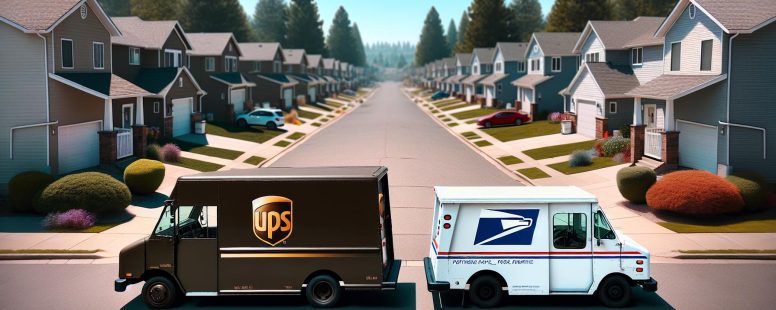
Picture this: you’re eagerly waiting for a package, tracking every update, but you’re not sure if it’s coming via UPS or USPS. While both deliver your parcels, they operate in very different ways, and understanding those distinctions can save you time, money, and a lot of frustration. Choosing the right service isn’t just about speed—it’s about knowing which one fits your needs.
UPS and USPS might sound similar, but they cater to entirely different purposes. One is a private shipping giant, while the other is a government-run postal service. Whether you’re sending a last-minute gift or managing a small business’s shipping logistics, knowing the difference can make all the difference. Ready to uncover which service works best for you? Let’s jump into the key differences that set these two delivery powerhouses apart.
Overview Of UPS And USPS
UPS and USPS serve distinct purposes in the world of package delivery. While both offer essential services, they differ significantly in their operations, ownership, and target audiences.
What Is UPS?
United Parcel Service (UPS) is a global logistics company that’s privately operated. It focuses on parcel delivery, freight shipping, and supply chain management internationally. Founded in 1907, UPS offers a wide array of shipping options, including ground shipping services, air transport, and expedited delivery. Examples include their Next Day Air and 3-Day Select services.
UPS specializes in handling both small packages and large freight, catering primarily to businesses and organizations needing scalable delivery solutions. Its advanced tracking system and guaranteed delivery times make it a preferred choice for commercial shipments. You might use UPS for ensuring a time-sensitive business contract or shipping large product orders.
What Is USPS?
The United States Postal Service (USPS) is a federal agency and has been operational since 1775. It manages nationwide mail delivery and contributes to global correspondence. USPS offers services like First-Class Mail for letters and smaller parcels, Priority Mail, and Media Mail. Unlike UPS, USPS delivers to every address in the U.S., including remote locations.
Government regulation allows USPS to handle postage mail with affordability in focus. While individuals often use USPS for personal correspondence or small eCommerce businesses for lightweight package shipping, USPS excels in reliability and cost-effectiveness. You might opt for USPS when mailing birthday cards or shipping small, non-urgent items.
Key Differences Between UPS And USPS
UPS and USPS serve distinct purposes, offering delivery services tailored to varying needs. Understanding their differences helps you make informed decisions for shipping.
Delivery Services
UPS focuses on comprehensive logistics solutions. It excels in parcel delivery, freight shipping, and supply chain management, offering options like Next Day Air and Ground Shipping. For example, businesses often use UPS for time-sensitive shipments requiring reliable delivery guarantees.
USPS provides affordable nationwide mail and package delivery. Services like Priority Mail and First-Class Mail target lighter shipments, making USPS ideal for personal use or small-business needs. Unlike UPS, USPS delivers to PO boxes and remote locations, serving even areas with limited alternatives.
Shipping Costs
UPS generally charges higher shipping rates. Costs are influenced by delivery speed, package weight, and size. For instance, a 2-pound package sent via UPS Next Day Air costs significantly more than USPS Priority Mail.
USPS offers cost-effective solutions, particularly for small packages under 5 pounds. Flat-rate boxes and First-Class Mail ensure consistent pricing regardless of distance. This affordability appeals to budget-conscious users.
Delivery Speed
UPS delivers faster for expedited shipments. Next Day Air ensures delivery within one business day, while 3-Day Select caters to less urgent needs. Its services suit critical documents or time-bound goods.
USPS offers competitive speeds for lightweight packages. Priority Mail delivers in 1-3 business days while First-Class Mail prioritizes letters and smaller parcels. But, USPS may be slower than UPS for larger or international shipments.
Package Tracking
UPS provides advanced tracking capabilities. Real-time updates, delivery alerts, and estimated arrival times enhance visibility. Businesses benefit from proactive notifications for inventory management.
USPS tracking, while reliable, offers fewer details. Basic updates include acceptance, transit, and delivery statuses. USPS is sufficient for casual shippers but may lack the precision needed for complex logistics.
International Shipping
UPS specializes in global logistics. It serves over 220 countries, integrating customs clearance and delivery support. Higher costs position UPS as ideal for business-critical international shipments, such as corporate exports.
USPS offers economical international options like International First-Class and Priority Mail International. It’s suitable for sending personal goods or small-scale exports. But, delivery times vary due to foreign postal systems.
Pros And Cons Of UPS
Pros of UPS
Reliability
UPS delivers with a high level of reliability, ensuring packages arrive on schedule. Its guaranteed delivery options, like Next Day Air, are useful for time-sensitive shipments.
Advanced Tracking System
UPS provides detailed tracking updates, allowing you to monitor every stage of a package’s journey. This makes it easier to predict delivery times.
International Shipping Services
With operations in over 220 countries, UPS supports global businesses. Their expansive logistics capabilities enable quick cross-border deliveries, even for larger parcels.
Range of Shipping Options
UPS offers versatile shipping services, including Ground, Second Day Air, and Freight Delivery, catering to business and individual needs alike.
Dependable Customer Service
UPS ensures customer support through multiple channels, including phone, email, and live chat, simplifying issue resolution.
Cons of UPS
Higher Costs
UPS charges premium rates, especially for expedited services or international shipping. Businesses handling small or lightweight packages may find it expensive.
Limited Access in Remote Areas
While UPS serves most locations, its delivery network in rural zones might be less efficient compared to USPS’s coverage.
Additional Fees
UPS applies supplementary fees, such as fuel surcharges or delivery area surcharges, which can increase shipping expenses.
Complex Pricing Structure
Calculating costs for services like Ground and Three-Day Select can be complicated due to variable pricing factors. Accurate budgeting requires careful evaluation.
UPS’s advantages make it a strong choice for businesses needing dependable delivery and extensive international support. But, its higher costs and potential fees demand careful planning.
Pros And Cons Of USPS
Pros of USPS
Affordable pricing makes USPS an ideal choice for lightweight packages. Services like First-Class Mail and Priority Mail allow cost-effective shipping for personal and small eCommerce needs. For example, shipping a small 2-pound package often costs significantly less with USPS than other carriers.
Nationwide coverage ensures delivery to every address, including P.O. boxes and remote rural locations. If you’re sending mail to a less-accessible area, USPS offers consistent delivery options.
Flat-rate services simplify costs by providing predictable pricing regardless of package weight or distance. Priority Mail Flat Rate boxes are convenient for standard-sized items without worrying about dimensional weight charges.
Free USPS-provided packaging reduces your shipping overhead. They supply free boxes for priority and express mail, which can save both time and money.
Inclusive Saturday delivery comes at no extra cost, unlike certain competitors. This enables faster package arrival without additional fees.
Cons of USPS
Limited tracking updates make it challenging to monitor package locations in real time. Although basic tracking numbers are available, they may not deliver advanced details like GPS coordinates or real-time refreshes.
Unpredictable delivery times occur, especially during peak seasons like holidays. Your package risks delay due to high shipping volumes or logistical limitations.
Size and weight restrictions apply stricter limits compared to private carriers. For instance, USPS imposes a 70-pound maximum and size combined girth restrictions, which suit smaller parcels but not oversized freight.
Lack of guaranteed delivery windows may pose issues if you require exact timing for parcels. While Priority Mail offers an estimated timeframe, it doesn’t include refunds for missed delivery targets, unlike premium UPS services.
Crowded post offices occasionally result in slower in-person assistance. If you’re mailing bulk orders or need customized services, wait times can become inconvenient.
Choosing The Right Service For Your Needs
Selecting between UPS and USPS depends on several factors like delivery speed, package size, and cost. If speed and detailed tracking matter most, UPS is well-suited for ensuring timely deliveries and providing real-time updates. For example, businesses handling urgent shipments or high-value items can use UPS’s Next Day Air or Worldwide Express options. These services cater to time-sensitive logistics, even for international destinations.
On the other hand, USPS stands out for affordability and nationwide coverage. It’s a more practical choice for lightweight packages or letters, particularly when cost-efficiency is essential. For instance, personal items like holiday cards or small eCommerce orders can ship through USPS First-Class Mail or Flat Rate Boxes at fixed prices. USPS also offer free packaging supplies, adding to the cost-effectiveness of its services.
Consider delivery locations to guide your choice. UPS delivers globally but may charge higher fees for rural areas, whereas USPS reaches every P.O. box and remote location in the U.S. without surcharges. For instance, shipping to a village in Alaska might be smoother and more economical with USPS.
Both services excel in specific segments. If reliability and advanced logistics solutions matter most, UPS offers customized shipping plans with features like package insurance for expensive goods. Conversely, USPS provides predictable pricing and inclusive services, such as free Saturday delivery, ideal for smaller, personal shipments. Choosing the right service hinges on prioritizing these distinct advantages relative to your package delivery needs.
Conclusion
Choosing between UPS and USPS eventually depends on your specific shipping needs. Whether you prioritize speed, cost, or tracking capabilities, understanding the strengths of each service helps you make the best decision. UPS offers reliable solutions for businesses and urgent shipments, while USPS shines with affordable options for lightweight packages and nationwide coverage.
By evaluating factors like delivery timelines, package size, and destination, you can select the service that aligns with your goals. Both UPS and USPS play essential roles in the shipping world, ensuring you have options tailored to your unique requirements.
To provide the best experiences, we use technologies like cookies to store and/or access device information. Consenting to these technologies will allow us to process data such as browsing behaviour or unique IDs on this site. Not consenting or withdrawing consent, may adversely affect certain features and functions.
Functional
Always active
The technical storage or access is strictly necessary for the legitimate purpose of enabling the use of a specific service explicitly requested by the subscriber or user, or for the sole purpose of carrying out the transmission of a communication over an electronic communications network.
Preferences
The technical storage or access is necessary for the legitimate purpose of storing preferences that are not requested by the subscriber or user.
Statistics
The technical storage or access that is used exclusively for statistical purposes.The technical storage or access that is used exclusively for anonymous statistical purposes. Without a subpoena, voluntary compliance on the part of your Internet Service Provider, or additional records from a third party, information stored or retrieved for this purpose alone cannot usually be used to identify you.
Marketing
The technical storage or access is required to create user profiles to send advertising, or to track the user on a website or across several websites for similar marketing purposes.