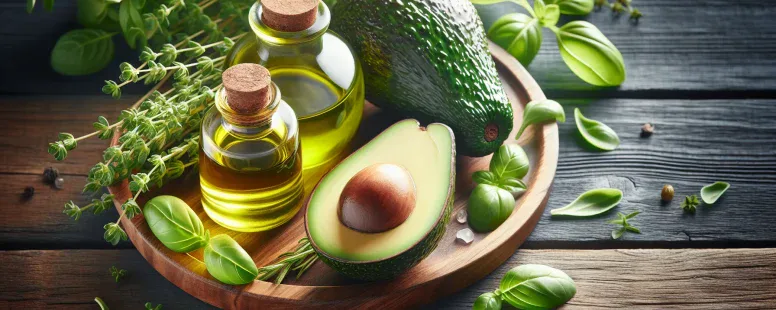
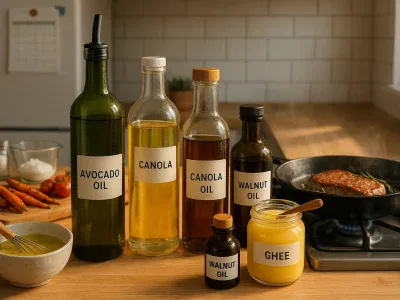
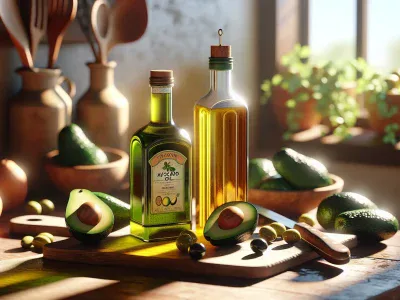
Picture yourself drizzling golden oil over a crisp salad—the aroma hints at sun-drenched groves or lush, green orchards. You pause, bottle in hand, caught between two kitchen superstars: olive oil and avocado oil. Both promise rich flavors and a cascade of health benefits, but which one truly deserves a spot at the heart of your meals?
You might think you know the answer, yet the truth is more surprising than you’d expect. These oils aren’t just kitchen staples; they’re packed with unique nutrients and hidden perks that could sway your choice. Ready to discover which oil will elevate your dishes—and your well-being? Let’s jump into the delicious debate.
Nutritional Comparison: Olive Oil vs Avocado Oil
Nutritional profiles of olive oil and avocado oil shape much of their value in your kitchen and your diet. Each one carries unique strengths, but which one fits your needs best depends on what you’re after—flavor, health, or even tradition.
Fatty Acid Profiles
Fatty acids in olive oil and avocado oil bring distinct health implications for your meals. Olive oil typically contains more monounsaturated fats, averaging about 73% oleic acid by weight (source: USDA), known for supporting heart health and reducing LDL cholesterol. Think of this as your heart’s silent guardian, quietly batting away the excess of bad fats each time you drizzle golden olive oil over salad.
Avocado oil isn’t a stranger to monounsaturated fats, boasting just under 70% of its own. It behaves in your body much like olive oil, helping reduce inflammation and supporting healthy cholesterol levels. why avocados leave you feeling so full and satisfied after a meal? This satiety largely comes from those rich, healthy fats now concentrated into the oil.
If you compare for saturated fats, olive oil sits around 14% while avocado oil stands close at 12%, both fairly low, making either a smart pick for reducing saturated fat intake. Polyunsaturated content comes up next: olive oil features roughly 11%, avocado oil 13%—a small gap but it’s not likely to sway your daily totals unless you use multiple tablespoons a day, which isnt really recommended anyway.
So, which one should you use to fry eggs or toss pasta? If you’re seeking acidity’s balance, olive oil may feel lighter, while avocado oil’s rich, buttery note enhances sautéed vegetables.
Vitamins and Antioxidants
Olive oil supplies well-known antioxidant powerhouses, making it more than just fat. Extra virgin olive oil provides polyphenols—plant-based molecules studied for their ability to reduce oxidation stress (source: International Olive Council). These polyphenols, paired with vitamin E and vitamin K, turn a basic salad dressing into a protective barrier against cell damage.
Avocado oil, meanwhile, also delivers vitamin E—almost as much as olive oil. It also brings glutathione, a master antioxidant not found in most mainstream oils, which some health coaches call “the cell’s security guard.” Lutein appears in both, but spotlighted in avocado oil, and it’s known to support eye health and combat age-related vision loss.
Have you noticed elite runners and endurance athletes dousing their toast in green oils lately? Both oils serve as vitamin-delivery systems, but olive oil’s phenolic compounds come out in front in many laboratory studies targeting inflammation and free radicals.
Some bottled oils lose nutrients during processing. Cold-pressed extra virgin olive oil and unrefined avocado oil hold onto more vitamins, as if bottling up the sunlight from Southern Mediterranean groves or Central American orchards. Which flavor profile excites you more: the grassy, peppery finish of olive oil, or the creamy, mild essence of avocado oil?
When you reach for a bottle on supermarket shelves, consider both oils’ fatty acids, antioxidants, and vitamins. Flavors, nutrients, and traditions blend in each pour—your palate and your cells might thank you, whichever you chose.
Flavor and Culinary Uses
Both olive oil and avocado oil sway your taste buds and cooking habits in surprisingly different ways. Each bottle on your shelf holds stories of Mediterranean groves or sun-soaked avocado orchards, shaping meals with unique flavor profiles and culinary abilities.
Cooking Techniques and Smoke Points
Olive oil, with its bold aroma and peppery finish, typically features a smoke point around 375°F for extra virgin varieties, as noted by the USDA. You sauté vegetables or toast bread with olive oil, lifting flavors with just a dash. Used in classic Italian dishes like caprese salad or drizzled over grilled fish, it imparts a fruity sharpness. You probably hear professionals rave about “finishing oils”: for many, that’s olive oil—applied off-heat to preserve subtle notes.
Avocado oil flexes its muscles in high-heat scenarios. With a smoke point soaring up to 520°F for refined versions (Cleveland Clinic), it’s favored for frying, roasting, or grilling, where you need oils that don’t burn. Chefs toss avocado oil on sweet potato fries or pan-seared chicken. The neutral, buttery flavor refuses to overpower fish tacos or stir-fried vegetables—it lets spices and principal ingredients shine. If you bake at home, you’ll notice avocado oil can swap places with canola or grapeseed oil in many recipes without changing taste.
Pairing with Different Dishes
You match olive oil to foods like you’d pair a wine with dinner. Rich, green extra virgin olive oil completes tomato bruschetta, leafy salads, or hummus. Spanish cooks blend it with garlic for gazpacho, and French kitchens turn it into aioli. Have you ever dipped warm bread into olive oil laced with sea salt? That’s a Mediterranean tradition, simple yet celebrated.
Avocado oil, quiet but versatile, slips into cuisines worldwide. You might drizzle it over mango salsa, blend it into mayonnaise, or toss it onto grain bowls. California chefs favor avocado oil for vegan-friendly baking, while Mexican cooks love it in guacamole or ceviche, since the light taste respects avocado’s natural flavor. Try swapping olive oil for avocado in pesto, and you get a creamier, softer twist.
Which bottle finds a home in your kitchen depends on the ambiance you crave. Is today’s meal about fragrance and tradition, or crisp searing and culinary freedom? Next time you pour, picture the journey—across landscapes and cultures—that transformed simple fruits into these prized oils.
Health Benefits and Potential Drawbacks
Both olive oil and avocado oil shape your well-being in ways that reach far beyond the kitchen counter. Each oil carries its own set of hidden stories—heart protection, glowing skin, or maybe a dietary caution—waiting for you to discover which narrative fits your health journey best.
Heart Health and Cholesterol
You influence your arteries every time you drizzle either golden oil on fresh greens or sauté veggies under a pan’s hiss. Olive oil, dense with monounsaturated fats like oleic acid, connects with lower LDL cholesterol and higher HDL, based on research from Mayo Clinic and American Heart Association. Mediterranean populations, who consume olive oil daily as their ritual, tend to have lower heart disease rates—can you recall that classic Greek salad, shimmering with olive oil, eaten on a sunlit balcony?
Avocado oil, riding on its own unique enzymatic pathway, also supplies heart-friendly fats but with slightly fewer polyphenols. This means it mimics many positive effects of olive oil but with milder aroma—an advantage for those who want health without bold flavor. Clinical trials, including a double-blind study published in the Journal of the American College of Nutrition, show reductions in triglycerides and improved cholesterol profiles among participants incorporating avocado oil in daily meals, although olive oil’s polyphenolic punch still leads in anti-inflammatory action.
Potential drawbacks arise if you overuse either oil; both remain calorie-dense, so excess may subtly undermine weight management. Rare allergic reactions or gastrointestinal discomfort—though uncommon—should raise a question mark if you’re sensitive.
Skin and Hair Benefits
You hold ancient beauty secrets in your pantry: both oils appear in skincare routines, from Cleopatra’s olive oil massages to modern avocado oil hair masks. Olive oil, rich in squalene and vitamin E, forms a moisture barrier on your skin and delivers antioxidants that fight aging; it soothes sunburn, erases rough elbows, and helps restore hair’s shine. Think of the Mediterranean habit of rubbing olive oil into baby’s skin—how did such tradition last centuries, if not for real results?
Avocado oil, more absorbent due to its high oleic acid and vitamin E levels, penetrates deeply into dermal layers—ideal for those with eczema or brittle hair. The American Academy of Dermatology acknowledges avocado oil’s role in hydrating dry or chapped skin, and anecdotal reports describe improved hair texture after regular avocado oil scalp treatments.
Neither oil is universally foolproof. Sensitive types may experience clogged pores or allergic responses, so patch tests help guard against unwanted surprises. Instead of accepting marketing claims blindly, could you experiment to see which oil leaves your skin softer or hair glossier?
When stories and science weave together, both olive oil and avocado oil offer unique chapters to your health journey—each a potential protagonist or subtle side character, depending on your body’s response and your own rich traditions.
Price, Availability, and Sustainability
Scan the shelves at your local market—olive oil’s there almost every time, lined up in rows that shimmer with Mediterranean promise. Avocado oil, though, might be tucked away and tagged with a higher price. In June 2024, USDA market data showed extra virgin olive oil ranging from $0.38 to $0.52 per ounce in major US grocers, while avocado oil spanned $0.55 to $0.90 per ounce. These oils’ differing prices reflect their sourcing: global olive groves stretch from Spain and Italy to California, while avocado oil depends on specific growers in Mexico, Chile, and a handful of US states.
Are you wondering why avocado oil’s often elusive or expensive? Consider the story behind every drop: extracting oil from avocados requires more fruit than pressing olives, and the supply chains are shorter, less developed. Picture a small-scale farmer in Jalisco, meticulously tending avocado trees and hoping for a season with rain. If drought hits or labor costs rise, you’ll see fewer bottles and steeper prices.
Sustainability swings the debate toward complexity. Olives, notoriously drought-hardy, thrive in the Mediterranean with minimal water and chemical use compared to many crops—The Food and Agriculture Organization (FAO) lists traditional olive orchards as among the most climate-resilient mono-cultures. Avocados, though, demand up to 18 times more water per kilogram (National Geographic, 2023) than olives, creating environmental challenges in arid regions. Illegal land clearing for avocado plantations fuels deforestation in certain parts of Mexico, threatening habitats for jaguars and monarch butterflies—a trade-off rarely discussed when picking a trendy green bottle.
Ask yourself, is it possible to make a sustainable choice without tracing the environmental lineage of each bottle? Certifications like USDA Organic and Fair Trade offer some transparency, but not all brands invest in them. Local olive oils from California or Greece, for instance, often carry traceability and lower shipping emissions that shrink your carbon footprint—all you do is scan a code or check a seal.
Here’s a look at cost and green impact by oil, with context from 2024 US and global data:
Oil Type
Median Price (per oz)
Common Sources
Key Sustainability Factors
Typical Availability
Olive oil
$0.38 – $0.52
Spain, Italy, USA
Drought-hardy, low water, less land use
High in grocery stores
Avocado oil
$0.55 – $0.90
Mexico, Chile, USA
High water use, deforestation risk
Moderate-limited; varies
Choosing between olive oil and avocado oil doesn’t has to be binary. It’s often a question of weighing a recipe against a budget, or matching a salad to your values. Maybe next time you lift a bottle, you’ll even ask: what’s the real price behind this lush, golden green pour?
Which Is Better: Olive Oil or Avocado Oil?
Picture this: You’re standing in your kitchen, holding a green-tinted bottle of olive oil in one hand and a golden-hued avocado oil in the other, both promising rich nutrients and bold flavors. You might wonder, as so many do, which of these oils brings more to your table—not just in taste, but in the wellbeing stakes and environmental impact.
Some chefs will tell you olive oil’s story is a centuries-old epic, woven into the diets of Mediterranean cultures who’re famed for heart health and longevity (Harvard T.H. Chan School of Public Health, 2021). Legend persists: grandmothers drizzle it onto bruschetta, unlocking a peppery finish and earthy undertone. Avocado oil, meanwhile, is the new kid with a buttery voice, humming through modern kitchens where crisp, golden potatoes emerge from 500°F ovens, unscathed by smoke. What an irony—a fruit so creamy has become the darling of high-heat cooking and skin hydration alike.
Nutrients play leading roles here. Olive oil delivers a double-shot of polyphenols and vitamins E and K, antioxidants with links to lower inflammation and cholesterol. Avocado oil enters with glutathione and lutein, gifting defense for your eyes and cells (USDA, 2022). Yet, not all antioxidants play fair—olive oil’s polyphenols outmuscle those in avocado oil, so consider your heart when choosing.
Think about price. Have you noticed? Avocado oil often cost quite more—a reality shaped by supply, water use, and labor intensity. Olives don’t thirst as much, letting you choose an affordable and sustainable option if the environment matters to you. But maybe you recall tasting that rich, clean streak in guacamole, and you can’t picture salad dressing any other way. Sometimes, your cravings dictates your best choice.
Both oils do more than flavor your plate. Have you ever slathered olive oil on your elbows after a winter walk or massaged avocado oil through damp hair? People share stories of old remedies and quick fixes, but patch tests are wise. Sensitivities linger in the background, reminding us that bodies respond uniquely.
Critical thinkers might ask: Why choose? Is there a winner? The truth resists simplicity. Avocado oil brings heat resistance and subtlety; olive oil embodies centuries of tradition and polyphenol wealth. You could stock both, letting the sizzle of your skillet or the breeze of your heritage guide every drizzle.
So next time you reach for a bottle, remember—you’re not just picking a fat, but a whole story. Which flavor leads in your kitchen? Which story fits your plate? That, in the end, is where the real richness lies.
Conclusion
Take a moment to consider where your oils come from and how they’re produced. Whether you choose one or keep both in your kitchen you’re making a choice that reflects your taste values and lifestyle.
To provide the best experiences, we use technologies like cookies to store and/or access device information. Consenting to these technologies will allow us to process data such as browsing behaviour or unique IDs on this site. Not consenting or withdrawing consent, may adversely affect certain features and functions.
Functional
Always active
The technical storage or access is strictly necessary for the legitimate purpose of enabling the use of a specific service explicitly requested by the subscriber or user, or for the sole purpose of carrying out the transmission of a communication over an electronic communications network.
Preferences
The technical storage or access is necessary for the legitimate purpose of storing preferences that are not requested by the subscriber or user.
Statistics
The technical storage or access that is used exclusively for statistical purposes.The technical storage or access that is used exclusively for anonymous statistical purposes. Without a subpoena, voluntary compliance on the part of your Internet Service Provider, or additional records from a third party, information stored or retrieved for this purpose alone cannot usually be used to identify you.
Marketing
The technical storage or access is required to create user profiles to send advertising, or to track the user on a website or across several websites for similar marketing purposes.