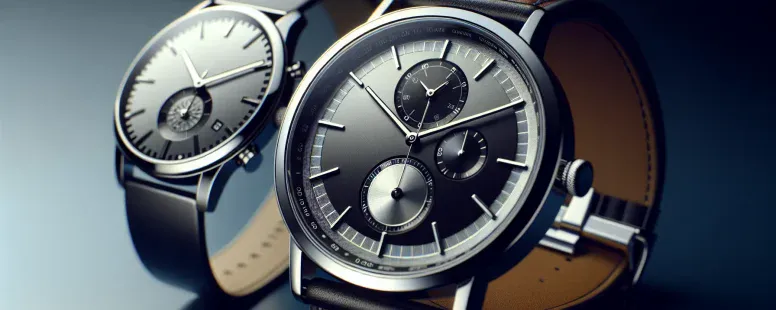
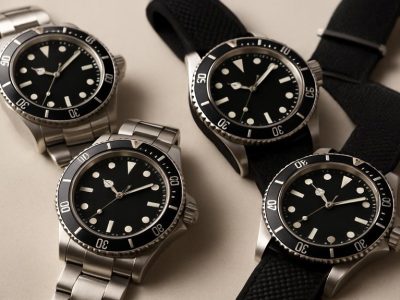
Picture slipping a watch onto your wrist that not only tells time but also tells a story—one of craftsmanship, innovation, and timeless style. When choosing between Citizen and Seiko, you’re not just picking a brand; you’re deciding on a legacy that shapes your everyday moments. Both brands boast impressive technology and design, but which one truly stands out for your lifestyle?
Picture the smooth sweep of a Seiko second hand or the eco-friendly power behind a Citizen Eco-Drive. Each offers unique advantages that might surprise you, from durability to precision. As you explore these iconic names, you’ll uncover hidden gems that could change the way you think about watches forever. Ready to find out which brand aligns perfectly with your needs? Let’s jump into the world of Citizen and Seiko to see which one wins your wrist.
Overview of Citizen and Seiko Brands
Citizen and Seiko both deliver exceptional watches, yet their paths to excellence reflect distinct journeys. Understanding their history and innovations shines light on which brand might fits your preferences best.
History and Legacy
Citizen, founded in 1918, quickly grew by embracing technological advances with a focus on accessible luxury. Its name symbolizes a watch for every “citizen,” aiming to provide reliable timekeeping to all, from everyday users to enthusiasts. In contrast, Seiko started earlier, in 1881, and made headlines by inventing the world’s first quartz watch in 1969, a game-changer in horology. Seiko’s legacy blends tradition with breakthrough technology, marking milestones like the Spring Drive mechanism, which combines mechanical precision with electronic regulation. Your choice might depend on valuing Citizen’s steady rise and global reach or Seiko’s pioneering spirit and deep-rooted craftsmanship.
Brand Philosophy and Innovation
Citizen’s philosophy centers around sustainability and innovation, seen in its Eco-Drive technology that harnesses light to power watches endlessly, reducing battery waste—a step forward in eco-conscious watchmaking. how a watch can run for decades without a battery change? Citizen answers this with solar and kinetic energy solutions that merge practicality and environmental care. Seiko, meanwhile, embraces a philosophy of “Revolution and Evolution,” persistently pushing boundaries while respecting traditional watchmaking. Its innovations like the Kinetic system and the Presage collection showcase a blend of art and technology, appealing to those who value intricate craftsmanship combined with modern reliability. When you choose either brand, you align with a vision: Citizen’s sustainability or Seiko’s harmonious balance of past and future.
Both brands challenge the notion of ordinary timepieces, inviting wearers into a narrative of innovation and style. When deciding which brand’s story resonates with you, consider how their unique legacies and philosophies echo in your day-to-day life. Would you prefer a watch that never demands a battery, or one that embodies over a century of pushing horological boundaries? The answer lies in your interpretation and priorities.
Design and Aesthetics Comparison
You want a watch that not only tells time but also fits your style and personality. Citizen and Seiko offer distinct design philosophies that shape their aesthetics and collections.
Styles and Collection Variety
Citizen favors modern, sleek designs with minimalist dials and futuristic touches. You’ll find models like the Promaster series, combining sportiness and urban elegance. Seiko leans toward diversity, offering everything from elegant dress watches in the Presage line to rugged dive watches in the Prospex collection. Each brand addresses different tastes with Citizen focusing on clean, eco-conscious appeal while Seiko balances classical craftsmanship with bold innovation. You might ask, which style resonates more with your daily life or special occasions? Citizen appeals if you prefer a blend of simplicity and technology. Seiko satisfies if you crave traditional watchmaking with varied designs.
Build Quality and Materials
Citizen uses lightweight titanium and stainless steel alloys that resist scratches, ideal for active wearers. Their Eco-Drive models feature synthetic sapphire crystals protecting dials, combining clarity and durability. Seiko emphasizes hardlex crystal in many models, a proprietary material balancing toughness and affordability. Both brands use anti-reflective coatings but your choice depends on preference for premium materials or cost efficiency. Seiko’s mechanical watches display finely crafted movements through exhibition casebacks, adding an artisanal touch. In contrast, Citizen focuses on technology integration, such as solar charging cells visibly embedded under clean dials. The craftsmanship shines differently—technology vs tradition, innovation vs heritage.
Feature
Citizen
Seiko
Case Materials
Titanium, stainless steel
Stainless steel, some titanium
Crystal Type
Synthetic sapphire
Hardlex, sapphire (selected)
Design Focus
Modern, minimalist, eco-driven
Diverse, traditional to sporty
Movement Display
Mostly closed casebacks
Exhibition casebacks common
The choice hinges on whether you value the sleek, modern feel, or the layered history and variety inside Seiko’s designs. Both deliver quality; you decide which crafting philosophy matches your aesthetic sensibility.
Movement and Technology
Understanding watch movements and technology helps you make an informed choice between Citizen and Seiko. Both brands deliver groundbreaking solutions, but their approaches define your experience.
Citizen’s Eco-Drive Technology
Citizen’s Eco-Drive technology revolutionizes how you power your watch. Utilizing light—whether natural or artificial—it converts energy with a solar panel beneath the dial to eliminate battery replacements. Picture never opening your watch to change batteries; it keeps running as long as it’s exposed to light. This technology not only reduces waste but also ensures accuracy across hundreds of watch models, from casual styles to professional-grade divers.
Even though its eco-friendly appeal, consider how often you wear your watch indoors or in low light conditions since it directly affects the charge levels. For example, a Citizen Eco-Drive watch continuously exposed to sunlight in New York City will outperform one kept in a dim office. Multiple sources, including Citizen’s official reports, confirm Eco-Drive’s lifespan exceeds 10 years with minimal maintenance, making it a smart choice if convenience and sustainability top your list.
Seiko’s Mechanical and Quartz Movements
Seiko’s expertise shines through its versatile range of mechanical and quartz movements crafted over decades. If you appreciate finely tuned mechanics, Seiko’s automatic movements offer a mesmerizing glimpse into horological art with their visible rotors and smooth second hand sweeps. These mechanical watches engage the wearer in a ritual of winding and care, creating a relationship beyond timekeeping.
On the other hand, Seiko’s quartz movements bring precision to a new level with lower maintenance demands. Introduced in 1969, Seiko’s quartz watches combine tradition with high accuracy, tracking time within seconds per year. For instance, the Seiko Astron collection features GPS Solar movements, synchronizing time worldwide using satellite signals, suited for avid travelers.
Balancing the technical with the emotional, ask yourself: do you prefer a watch that’s a technological marvel powered by light, or a classical timepiece celebrating intricate craftsmanship? Both brands reflect a commitment to innovation but cater to different philosophies of watchmaking and lifestyle.
Feature
Citizen Eco-Drive
Seiko Mechanical
Seiko Quartz
Power Source
Light (solar panel)
Automatic winding
Battery (with GPS Solar options)
Maintenance
Minimal, no battery changes
Regular winding and servicing
Low maintenance, battery changes
Accuracy
+/- 15 seconds per month
+/- 5 to 10 seconds per day
+/- 10 seconds per year
Longevity
10+ years with proper exposure
Decades with servicing
5-10 years battery life
Unique Selling Point
Eco-friendly, convenient technology
Craftsmanship and tradition
Technological innovation and precision
Evaluating these differences supports your decision, as each movement type shapes how you interact with time. Does your lifestyle demand the eco-conscious ease of Citizen’s light-powered tech, or the timeless artistry and accuracy of Seiko’s mechanical and quartz innovations? Seeking a watch isn’t just about reading time, but embracing a philosophy intertwined with your daily rhythm.
Price Range and Value for Money
Choosing between Citizen and Seiko often comes down to how their prices align with the value they deliver. Both brands cater competitive offerings from budget-friendly to high-end segments, but each brand’s strengths shape your buying experience.
Entry-Level Options
Citizen’s entry-level watches mostly browse within the $100 to $300 price range. You get Eco-Drive technology that runs on light, making battery changes obsolete—a practical feature few brands at this price point offer. Models like the Citizen Chandler blend sporty aesthetics with reliability, ideal for daily wear without compromising sustainability.
Seiko’s entry-level offerings hover around $100 to $350, where you find quartz and mechanical models. The Seiko 5 series delivers exceptional mechanical craftsmanship at accessible prices, often preferred by enthusiasts discovering automatic watches. Its smooth sweeping second hand contrasts with Citizen’s ticking quartz, appealing to traditionalists.
Consider this: if convenience and eco-friendliness ranks highest in your priorities, Citizen’s entry-level Eco-Drive beats Seiko’s mechanical counterparts. But if you value classic watchmaking with mechanical prowess, Seiko’s lineup provides better bang-for-your-buck even though slightly higher maintenance needs.
Mid-Range and Premium Models
Citizen’s mid-range spans roughly $300 to $1,000. Here, innovation meets sophistication with watches featuring titanium cases, advanced chronographs, and satellite wave GPS. The Promaster series targets professionals needing durable dive and aviation watches. Even though higher prices, its technological adaptability and lightweight materials deliver compelling value.
Seiko’s mid to premium range extends from $400 to over $3,000. This tier showcases their Grand Seiko and Prospex lines, where traditional craftsmanship and cutting-edge innovation coexist. Grand Seiko mechanical watches embody meticulous finishing, rivaling Swiss luxury brands, while Prospex offers rugged dive watches with professional-grade certifications.
Ask yourself: do you want a technologically advanced timepiece tailored for endurance with less emphasis on hand-finishing? Citizen excels here. Yet, if artisanal quality and heritage steeped in centuries of watchmaking entice you, investing in Seiko’s premium models provides a heritage-rich experience.
Brand
Entry-Level Price Range
Mid-Range & Premium Price Range
Notable Features
Citizen
$100 – $300
$300 – $1,000
Eco-Drive, titanium cases, GPS functions
Seiko
$100 – $350
$400 – $3,000+
Mechanical movements, Grand Seiko quality
Blending practical needs with aesthetic values often leads to your preferred choice. Sometimes, spending smarter matters more than spending more. Investigate into user reviews, expert opinions, and hands-on tests to witness firsthand how each brand’s value aligns to your lifestyle—no single answer suits everyone, but understanding these price-value vectors sharpens your decision.
Durability and Performance
Durability and performance play a pivotal role in choosing between Citizen and Seiko. Both brands have crafted their reputation on dependable timepieces, but the way durability and technical excellence manifest in each presents subtle yet important differences.
Water Resistance and Robustness
Water resistance often determines a watch’s lifespan, especially if you’re drawn to outdoor or aquatic activities. Seiko excels with models like the Prospex series that offer water resistance up to 300 meters, making them favorites among professional divers. Seiko’s use of Hardlex crystal adds an extra layer of robustness by resisting scratches and impacts, which matters when the watch face meets rugged environments. Citizen counters with its Super Titanium cases, which weigh less but resist corrosion and scratches better than steel, catering to those who seek durability without sacrificing comfort. You may find Citizen’s Eco-Drive models particularly adept at enduring everyday splashes and rain due to their sealed designs that minimize moisture damage. But, if extreme water resistance tops your priority list, Seiko’s dive watches hold a clear edge.
Accuracy and Reliability
Accuracy defines a watch’s fundamental purpose—keeping time precisely. Citizen’s Eco-Drive technology harnesses any light to maintain consistent power, so avoiding the fluctuations common in quartz batteries that run low. This means your watch rarely skips a beat, staying accurate to within ±15 seconds per month according to Citizen’s specifications. Conversely, Seiko charms purists with mechanical movements that, while less precise (averaging ±25 seconds per day), embody traditional craftsmanship and offer longevity exceeding quartz when properly maintained. Seiko’s quartz movements strike a balance, boasting stellar accuracy, often ±10 seconds per year, showcasing their innovation’s reliability. If reliability sits at the heart of your daily schedule, Eco-Drive’s minimal maintenance might alluring; if you cherish heritage and mechanical marvels, Seiko offers a timeless connection.
In real-life terms, picture relying on a watch for a precise train schedule or a dive session; a Seiko Prospex’s water protection and quartz timeliness may save the day, but a Citizen’s solar-powered endurance paired with lightweight titanium may provide unmatched comfort on daily urban adventures. You might consider which environment your watch must adapt to, factoring water exposure, shock resistance, and the kind of accuracy you value.
Sources like WatchTime and Hodinkee consistently highlight these traits, urging enthusiasts to identify which durability and performance aspects align with their lifestyle before committing.
Overall, think about your activities and how your watch will perform during them. What’s more important to you—resistance in extreme conditions or maintenance-free operation? That decision shapes whether Citizen or Seiko better suits your wrist, both offering a legacy of durability woven with intricate engineering.
Customer Support and Warranty
Citizen and Seiko both provide solid customer support with comprehensive warranty policies that protect your investment. Citizen offers a five-year limited warranty covering manufacturing defects, usable globally through authorized dealers. You can easily access support for battery replacements or repairs, especially given the reliance on Eco-Drive technology, which requires occasional servicing to maintain optimal performance.
Seiko extends a three-year limited warranty for most models, focusing on mechanical and quartz watches. Authorized service centers worldwide ensure quality repairs, particularly for their mechanical line that demands regular maintenance. Their warranty covers defects in materials and workmanship but excludes damage from misuse or normal wear. real-life experiences, Citizen’s global warranty network and customer-friendly repair process stand out. For example, many users commend the swift service for Eco-Drive battery issues without additional cost during the warranty period. Seiko’s strength lies in its watchmaker expertise, ensuring intricate mechanical watches receive specialized care, which can be crucial if you value longevity in mechanical timepieces.
The availability of customer support varies by region, and servicing wait times may fluctuate depending on model complexity and demand. If you travel often, Citizen’s extensive service locations might offer convenience, whereas Seiko’s mechanical specialists could require longer servicing periods.
Both brands provide clear instructions for warranty claims, but registering your watch with the manufacturer upon purchase improves support efficiency and safeguards warranties. It’s wise to keep receipts and documents handy, as these help smoother claims.
Comparing the warranties practically:
Feature
Citizen
Seiko
Warranty Duration
5 years
3 years
Coverage
Manufacturing defects
Manufacturing defects
Support Network
Extensive, global service centers
Authorized centers with watchmaker expertise
Service Complexity
Eco-Drive battery maintenance
Mechanical movement servicing
User Feedback
Generally quick and hassle-free repairs
Expert-level repairs with longer turnaround
Customer support and warranty coverage shape your ownership experience by protecting your timepiece from unexpected issues. Whether you favor longer warranty periods with easier servicing or specialized mechanical care dictates which brand aligns better with your expectations. Your choice impacts convenience, peace of mind, and watch longevity.
Which Is Better Citizen or Seiko? Final Verdict
Choosing between Citizen and Seiko boils down to aligning their strengths with your priorities. Citizen impresses with its Eco-Drive technology, transforming natural and artificial light into power, freeing you from battery replacements. If you value low-maintenance, eco-friendly innovation, Citizen makes it easy to stay reliably on time, especially for daily wear.
Conversely, Seiko thrives on tradition and craftsmanship. Its mechanical movements, like those in the Presage and Grand Seiko lines, offer storytelling through every tick, appealing if you appreciate watchmaking artistry. With Prospex dive watches boasting up to 200 meters water resistance, Seiko attracts adventurers and collectors who want rugged performance and variety.
Both brands use quality materials but prioritize different aspects. Citizen’s Super Titanium cases deliver lightweight durability, ideal if you prefer comfort during prolonged wear. Seiko’s signature hardlex crystal balances toughness and clarity, enhancing scratch resistance without the luxury price tag. Your lifestyle influences the importance of these features.
Price-wise, Citizen offers accessible entry-level models from around $100 to $300 and advanced watches up to $1,000. Seiko’s range extends higher, with some models exceeding $3,000, especially within Grand Seiko. If budget plays a big role, both brands present compelling options, but Citizens tech-packed watches often offer better value for the price.
Warranty and customer support reveal another angle. Citizen’s five-year limited warranty, combined with global service centers, ensures quick repairs and convenience. Seiko provides three years’ warranty with expert mechanical care, which, if your heart beats for traditional movements, might matter more.
Have you ever envisioned your watch as an extension of your personality rather than just a timepiece? If so, Citizen’s futuristic innovation or Seiko’s artisanal legacy might resonate differently with you. Picture a busy professional whose schedule demands effortless reliability choosing Citizen. Meanwhile, a collector who cherishes heritage and intricate mechanics probably leans toward Seiko.
In essence, you hold the key. Carefully consider which factors — innovation, craftsmanship, durability, design, or price — carry the heaviest weight in your choice. Testing watches in person, reading user reviews, and reflecting on your daily routines sharpen the best pick. Whether you goes with Citizen’s light-powered technology or Seiko’s mechanical finesse, both brands promise a worthwhile investment in timeless style and dependable timekeeping.
Conclusion
Your choice between Citizen and Seiko comes down to what matters most in your watch. If you want cutting-edge technology with minimal upkeep and eco-friendly benefits, Citizen’s Eco-Drive is a strong contender. On the other hand, if you appreciate traditional craftsmanship and a connection to watchmaking heritage, Seiko’s mechanical and quartz options offer timeless appeal.
Both brands deliver solid build quality and reliable performance, so you’re getting value either way. Think about your lifestyle, design preferences, and how you plan to use your watch. Trying them on and experiencing their unique features firsthand will help you decide which brand fits your needs best. Whichever you pick, you’re investing in a timepiece with a rich legacy and proven excellence.
To provide the best experiences, we use technologies like cookies to store and/or access device information. Consenting to these technologies will allow us to process data such as browsing behaviour or unique IDs on this site. Not consenting or withdrawing consent, may adversely affect certain features and functions.
Functional
Always active
The technical storage or access is strictly necessary for the legitimate purpose of enabling the use of a specific service explicitly requested by the subscriber or user, or for the sole purpose of carrying out the transmission of a communication over an electronic communications network.
Preferences
The technical storage or access is necessary for the legitimate purpose of storing preferences that are not requested by the subscriber or user.
Statistics
The technical storage or access that is used exclusively for statistical purposes.The technical storage or access that is used exclusively for anonymous statistical purposes. Without a subpoena, voluntary compliance on the part of your Internet Service Provider, or additional records from a third party, information stored or retrieved for this purpose alone cannot usually be used to identify you.
Marketing
The technical storage or access is required to create user profiles to send advertising, or to track the user on a website or across several websites for similar marketing purposes.