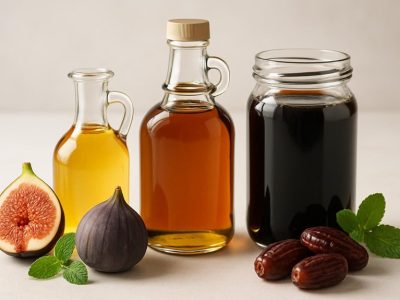
Picture drizzling a golden nectar over your morning toast or stirring a silky sweetener into your tea. Both agave and honey offer that luscious touch, but which one truly deserves a spot in your pantry? Each carries its own story, flavor, and health perks that might surprise you.
You might think all natural sweeteners are created equal, but the subtle differences between agave and honey can impact your taste buds and well-being in unexpected ways. Whether you’re aiming for a healthier lifestyle or just craving that perfect balance of sweetness, understanding these options can transform the way you sweeten your day.
Nutritional Comparison of Agave and Honey
Understanding the nutritional differences between agave and honey helps you make informed choices. Both sweeteners offer unique profiles, shaping their effects on your health and palate.
Caloric Content and Sugar Composition
Agave contains about 60 calories per tablespoon, while honey provides roughly 64 calories. You get slightly fewer calories with agave, but the distinction grows clearer when looking at sugar types. Agave consists mostly of fructose—up to 90%—which impacts how your body processes it. On the other hand, honey offers a balanced mix of fructose and glucose, roughly 40% and 30%, respectively, creating a different metabolic effect on your energy and blood sugar levels.
The high fructose content in agave might sound beneficial because it’s sweeter, so you can use less. But, consuming excess fructose has been linked to insulin resistance and fatty liver, so it’s not a free pass to sweetness. Honey’s balanced sugars digest quicker, which can cause faster energy spikes, but also potentially more rapid dips. Think about how these sugar types fits into your daily diet depending on your body’s reaction.
Vitamins, Minerals, and Antioxidants
Honey shines with small amounts of vitamins and minerals such as vitamin C, calcium, and iron, plus antioxidants like flavonoids and phenolic acids. These nutrients contribute to honey’s potential anti-inflammatory and immune-supporting effects. Agave, being a processed syrup, contains minimal vitamins and minerals, making it less nutrient-dense. If you’re seeking a sweetener with added nutritional benefits, honey holds a clear advantage.
Real-life examples show athletes sometimes prefer honey for the quick energy and nutrient boost after workouts. Meanwhile, agave’s neutral flavor profile suits recipes where sweetness without additional taste is key. Reflecting on what matters to you—nutrition or flavor neutrality—guides your choice.
Would choosing agave purely for fewer calories and sweetness neglect your body’s needs for vital antioxidants found in honey? Or is honey’s higher glycemic impact a concern that nixes it from your pantry? Balancing these factors impacts your long-term health and culinary pleasure.
Sources like the USDA and the Journal of Clinical Endocrinology provide detailed analyses of sugar metabolism and antioxidant properties, ensuring you rely on sound science rather than marketing claims. Analyzing multiple viewpoints empowers you to take control of your sweetener selections with confidence.
Health Benefits and Risks
Understanding the health benefits and risks of agave and honey helps you choose the sweetener that best fits your lifestyle and dietary goals. Each offers distinct effects on your body, especially concerning blood sugar management and sensitivities.
Impact on Blood Sugar and Insulin Levels
Agave’s high fructose content, sometimes exceeding 70%, causes its glycemic index (GI) to sit around 10 to 19, much lower than honey’s GI of 50 to 58. This lower GI means agave tends to raise blood sugar more slowly, making it appealing to those watching glucose spikes. But, because fructose is metabolized in the liver, excessive consumption of agave can lead to insulin resistance and may impact liver health negatively over time.
Honey, with its balanced glucose and fructose ratio, spikes blood sugar and insulin levels more noticeably but also provides trace antioxidants and minerals like vitamin C and calcium that support metabolic health. For example, someone managing diabetes might see honey cause a quicker rise in blood sugar compared to agave, yet the antioxidants might offset some oxidative stress linked to blood sugar fluctuations.
Research from the American Diabetes Association supports that moderate use of low-GI sweeteners like agave can benefit blood sugar control, but excess fructose intake is linked to triglyceride buildup. So, even though agave might seem like the “better” choice for blood sugar, its fructose concentration requires cautious consumption.
Potential Allergies and Sensitivities
Honey, produced by bees, contains pollen, enzymes, and sometimes propolis, which can trigger allergic reactions in sensitive individuals. For example, a person allergic to pollen might notice sneezing, itching, or swelling after consuming honey. Although rare, severe anaphylactic reactions can occur, especially in young children or those with pollen allergies.
Agave, being plant-derived and highly processed, typically contains fewer allergens. But, it can contain small amounts of saponins and other compounds that may irritate some people’s digestive systems, causing mild symptoms like bloating or diarrhea. If you have a history of food intolerances, trying a small amount first helps gauge your sensitivity.
Considering these factors, if you or your family members have pollen allergies, agave might be safer. Conversely, individuals with fructose malabsorption or liver issues might want to limit agave in favor of honey or other sweeteners even though allergy considerations.
Which sweetener fits your needs? Ask yourself about your blood sugar goals, allergy history, and overall dietary approach before picking agave or honey. Mindful consumption and paying attention to how your body reacts will guide you toward the healthier choice.
Taste and Culinary Uses
Choosing between agave and honey depends largely on their distinct flavors and how you plan to use each in the kitchen. Understanding their taste profiles and best culinary applications helps you unlock their full potential in your recipes.
Flavor Profiles of Agave and Honey
Agave syrup presents a mild, neutral sweetness with subtle floral undertones that never overpower your dish. It carries a smooth texture and a light consistency, making it easy to mix into beverages or dressings without altering the original flavor much. Honey, but, delivers a robust, complex profile. You’ll find hints of caramel, earthiness, or even fruity notes, depending on the floral source bees pollinate. For example, clover honey tends to be sweet and light, while buckwheat honey offers a deep, molasses-like taste that creates a bold statement in recipes. why some desserts taste richer when sweetened with honey? It is because honey’s natural compounds interact with other ingredients, enhancing aromas and mouthfeel. On the other hand, agave’s subtle sweetness works wonders when you want to retain the flavors of fresh fruits or delicate teas without overshadowing them.
Best Ways to Use Each Sweetener in Recipes
Using agave syrup fits best with cold drinks, smoothies, and salad dressings where its quick dissolving nature shines. Its low viscosity ensures smooth blending, so your morning iced tea tastes crisp and light. It also performs well in vegan baking as a substitute for honey, because its neutral flavor allows spices and other ingredients to stand out.
Honey excels in recipes requiring more intense sweetness and moisture, such as marinades, glazes, or baked goods like breads and muffins. Roasted vegetables brushed with honey get an irresistible caramelized glaze, transforming a simple side dish. Remember, honey’s robust flavor can overwhelm subtle dishes, so use it thoughtfully to balance the overall taste.
Sometimes, mixing both sweeteners creates unique flavor dimensions. Have you tried a honey-agave drizzle over Greek yogurt? The combination delivers complex sweetness and smoothness, captivating your palate in surprising ways.
Sweetener
Flavor Characteristic
Ideal Culinary Uses
Agave
Mild, floral, neutral
Cold beverages, salad dressings, vegan baking
Honey
Rich, complex, aromatic
Marinades, glazes, baking, roasting
Experimenting with agave and honey offers a dynamic way to tailor sweetness in your dishes while exploring bold or subtle flavor profiles. The next time you reach for a sweetener, consider their unique qualities and how they complement your culinary intentions—your taste buds will thank you.
Environmental and Ethical Considerations
Choosing between agave and honey extends beyond taste and health. The environmental impact and ethical issues tied to their production shape the bigger story.
Sustainability of Agave Production
Agave plants thrive in arid regions with little water, making agave syrup an environmentally friendly option in water-scarce areas. Unlike many crops requiring irrigation, agave relies mostly on natural rainfall. But, the growing global demand fuels intensive farming that can strains local ecosystems. For example, in Mexico’s Tequila region, monoculture agave plantations reduce biodiversity and alter soil quality. You might wonder: is this trade-off between sustainable water use and ecosystem health worth it?
Also, agave’s slow growth cycle—taking 7 to 10 years before harvest—means farmers may expand cultivation aggressively to meet demand quickly. This rush can disrupt native species and increase pesticide use, which contradicts its eco-friendly image. To support sustainability, look for agave products certified by organizations like Fair Trade or those practicing regenerative agriculture.
Bee Health and Honey Harvesting Practices
Honey production intimately ties to bee welfare, a topic growing louder amid global bee population declines. Commercial beekeeping often exploits bees, using practices that stress colonies and increase vulnerability to diseases like colony collapse disorder. For instance, migratory beekeeping transports hives thousands of miles to pollinate crops, exhausting bees in the process. You may question whether supporting non-local or mass-produced honey does more harm than good.
On the flip side, small-scale beekeepers prioritize natural hive management and biodiversity, enhancing local ecosystems and wild plant pollination. These practices help preserve bee populations, vital for food security worldwide. But, some argue honey harvesting itself—even done ethically—removes crucial food stores from bees, affecting their survival during scarce seasons.
Balancing your choice involves weighing agave’s water-saving benefits and ecosystem risks against honey’s ties to pollinator health and beekeeping ethics. Want the sweetest impact? Opt for sustainably sourced agave or honey from responsible local beekeepers committed to preserving the environment and bees. Such conscious choices empower your table to reflect respect for nature.
Cost and Availability
Cost and availability shape your choice between agave and honey. Both sweeteners come with unique pricing and market presence that influence your access and budget.
Price Differences
Agave generally costs more than honey in many markets due to its specialized production and limited farming regions. For instance, agave syrup, sourced primarily from Mexico’s blue agave plant, demands a specific fermentation and extraction process. This precision results in higher expenses, typically ranging from $8 to $12 per 12-fluid-ounce bottle in the U.S. On the other hand, honey prices fluctuate widely, influenced by type, origin, and purity. Local raw honey often costs around $5 to $10 per 12-ounce jar, while specialty honeys, like Manuka, can climb well beyond $50. This variance means choosing honey offers more flexible options for different budgets.
Does paying a premium for agave always guarantee better quality or sustainability? Not necessarily, given that some agave producers use intensive farming that may impact ecosystems negatively. Honey’s price often reflects beekeeping practices and regional sourcing, with artisanal products supporting local economies.
Accessibility in Different Markets
Honey stands out for its widespread availability across grocery stores, farmers’ markets, and even convenience shops globally. It’s easy to find honey derived from multiple floral sources, catering to varied taste preferences. By contrast, agave syrup remains less ubiquitous, often appearing mainly in health food stores, organic markets, or specialty aisles. This limited presence restricts access particularly in regions without close supply chains to agave farms.
Your access to these sweeteners heavily depends on location. In North America and Europe, both options are accessible, but honey holds an edge in rural and urban areas alike. In parts of Asia and Africa, agave’s presence might be scarce, making honey the more practical choice. When buying, consider seasonal availability too; honey production is tied to flowering cycles, potentially affecting supply and price seasonally, while agave’s agricultural timeline differs but is less seasonal in retail.
Balancing cost, availability, and sustainability requires you assess your priorities carefully. Will you pay more for a niche, potentially eco-friendlier sweetener like agave? Or will you opt for affordable, versatile honey that supports local pollinators and traditions? The answer varies based on your goals, but knowing these market nuances empowers you to make a smarter, well-informed choice.
Conclusion
Choosing between agave and honey depends on what matters most to you—whether it’s blood sugar control, flavor, nutrition, or environmental impact. Both have their strengths and potential drawbacks, so your personal health goals and taste preferences should guide your decision.
If you want a mild, vegan-friendly sweetener with a low glycemic index, agave could be your pick. If you prefer a nutrient-rich option with complex flavors and antioxidant benefits, honey might be better suited for your needs.
Eventually, using either sweetener mindfully and sourcing them responsibly will help you enjoy their benefits while supporting your well-being and the planet.
To provide the best experiences, we use technologies like cookies to store and/or access device information. Consenting to these technologies will allow us to process data such as browsing behaviour or unique IDs on this site. Not consenting or withdrawing consent, may adversely affect certain features and functions.
Functional
Always active
The technical storage or access is strictly necessary for the legitimate purpose of enabling the use of a specific service explicitly requested by the subscriber or user, or for the sole purpose of carrying out the transmission of a communication over an electronic communications network.
Preferences
The technical storage or access is necessary for the legitimate purpose of storing preferences that are not requested by the subscriber or user.
Statistics
The technical storage or access that is used exclusively for statistical purposes.The technical storage or access that is used exclusively for anonymous statistical purposes. Without a subpoena, voluntary compliance on the part of your Internet Service Provider, or additional records from a third party, information stored or retrieved for this purpose alone cannot usually be used to identify you.
Marketing
The technical storage or access is required to create user profiles to send advertising, or to track the user on a website or across several websites for similar marketing purposes.