Imagine sinking into your favorite song, every note crisp and immersive, but something feels off—your headphones either press too tightly or don’t fully capture the depth of sound. Choosing between over-ear and on-ear headphones isn’t just about style; it’s about how you experience your music, podcasts, or even those long work calls. Each type offers unique perks that can make or break your listening experience.
Do you crave the cocoon-like embrace of over-ear headphones or the lightweight convenience of on-ear designs? The decision isn’t as straightforward as it seems. Comfort, sound quality, and even portability play pivotal roles. Whether you’re a casual listener or an audiophile, understanding what sets these two apart can help you find your perfect match. Let’s jump into the details so you can make the choice that elevates your audio world.
Understanding Over-Ear Headphones
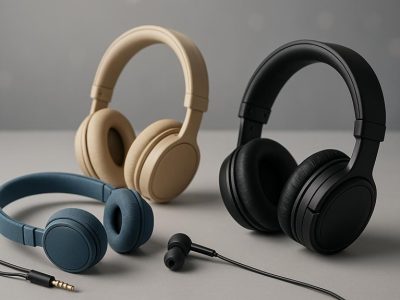
Over-ear headphones, also known as circumaural headphones, fully cover your ears and create an immersive sound experience. They are popular among audiophiles and gamers for their high-quality audio and noise isolation.
Key Features of Over-Ear Headphones
Design and Fit
Over-ear headphones encompass large ear cups that completely surround your ears. This design reduces external noise and ensures full sound immersion, especially with closed-back models. They’re usually padded for prolonged comfort but, can feel bulky after extended use.
Sound Quality
Over-ear headphones deliver detailed audio with broader frequency ranges. They excel at providing deep bass, clear mids, and sharp highs, making them ideal for genres like classical music, rock, or EDM.
Noise Isolation
Passive noise isolation is achieved due to the ear-enclosing design. Some models include active noise cancellation (ANC) for blocking environmental sounds, which is useful in loud environments like airports or public transit.
Pros of Over-Ear Headphones
Superior Audio Performance
Over-ear headphones excel in soundstage and frequency response compared to on-ear models. Studio-grade headphones, for example, preserve intricate details in mixes.
Comfort for Long Sessions
The padded ear cups distribute pressure over a wider area, reducing discomfort during extended listening. This suits activities like gaming marathons or binge-watching shows.
Effective Noise Control
Models with ANC actively minimize background noise, enhancing focus in noisy settings. Passive isolation complements this by lowering ambient sound leakage.
Durability
High-end over-ear headphones often feature robust materials such as metal hinges and leather pads, ensuring longevity for everyday or professional use.
Cons of Over-Ear Headphones
Portability Limitations
The larger size of over-ear headphones makes them less convenient to carry compared to on-ear or in-ear models, especially during travel or commuting.
Weight and Heat Build-Up
Long-use may lead to strain or sweating, particularly if the headphones are heavier or lack breathable materials in the ear cushions.
Cost Concerns
Premium over-ear headphones, like the Sennheiser HD 800 or Sony WH-1000XM5, can be expensive, limiting affordability for budget-conscious users. Lower-cost options may compromise on certain features like ANC.
Dependency on Power
Many over-ear models with advanced features, such as Bluetooth and ANC, rely on battery power, which can run out, requiring recharging or wired use.
Understanding On-Ear Headphones
On-ear headphones, also known as supra-aural headphones, rest directly on your ears rather than enclosing them. They’re designed for users who value portability and a compact form factor without sacrificing decent audio performance.
Key Features of On-Ear Headphones
Compact Design
On-ear headphones are typically smaller than over-ear models, making them lightweight and easier to carry in bags or cases. Their foldable designs in many models enhance portability.
Moderate Noise Isolation
On-ear headphones provide some level of sound isolation but let in more ambient noise compared to over-ear headphones. This makes them suitable for environments where listening to surroundings is necessary, like while walking in busy streets.
Comfort with Short-Term Use
With cushioned ear pads, on-ear headphones offer comfort for moderate durations of use. But, the pressure exerted on ears instead of around them can lead to discomfort during extended sessions.
Balanced Sound Output
They often emphasize mid-range frequencies, ensuring clear vocals and instruments. While bass response and soundstage may not rival over-ear options, they deliver adequate sound quality for casual listening.
Pros of On-Ear Headphones
Portability
On-ear designs are ideal for travelers and commuters. For example, models like the Beats Solo Pro fold into compact shapes for easy transport.
Breathability
Due to their reduced ear coverage, they’re less likely to cause heat buildup, offering an advantage over over-ear headphones, particularly in warmer conditions.
Affordable Pricing
Many on-ear headphones are available at budget-friendly prices while maintaining decent quality, with models like the AKG Y400 offering value for cost-conscious buyers.
Improved Awareness
They let you stay alert to environmental sounds, which is beneficial when situational awareness is crucial, such as jogging outdoors.
Cons of On-Ear Headphones
Reduced Comfort During Prolonged Use
Extended use can lead to ear pain or fatigue as pressure is directly applied to the ears. Popular feedback on forums highlights this issue, particularly for longer listening sessions.
Limited Noise Isolation
On-ear models allow external noise to interfere with audio playback. If you’re in noisy settings like cafes or subways, this could disrupt enjoyment.
Compromised Sound Quality
While generally good, sound quality can feel less immersive compared to over-ear headphones due to smaller drivers and limited bass resonance.
Durability Concerns
The smaller, slimmer design may compromise build quality. Users often note broken hinges or worn-out ear cushions over time, especially with frequent folding and unfolding.
Comparing Sound Quality and Performance
Over-ear and on-ear headphones differ significantly in sound quality and performance, impacting your listening experience based on preferences and usage scenarios.
Music and Audio Playback
Over-ear headphones generally deliver richer audio with more defined bass and a wider soundstage, making them ideal for audiophiles and music professionals. Larger drivers in these models excel in producing detailed frequencies, which enhance genres like classical or EDM. For instance, the Sony WH-1000XM5 captures subtle nuances in orchestral tracks.
On-ear headphones prioritize balanced audio output, focusing on clarity in the midrange with decent highs and lows. These are suitable for casual listeners or those engaging in spoken content like podcasts. Models like the Beats Solo3 are a good choice for mainstream music lovers seeking portable sound options. Remember, over-ear models excel when precision is key, while on-ear types are best for on-the-go convenience.
Noise Isolation and Noise Cancelation
Over-ear headphones, with their ear-encompassing cushions, provide superior passive noise isolation and enhanced performance with Active Noise Cancellation (ANC). An example is the Bose QuietComfort 45, which blocks out ambient distractions effectively, especially in noisy environments like airplanes or cafes.
On-ear headphones offer moderate noise isolation, allowing some environmental sounds to filter through, supporting situational awareness in urban or office settings. ANC, when available, is less effective due to the smaller ear pads. The JBL Tune 660NC highlights this limitation but remains suitable for users not requiring complete isolation. Over-ear is optimal for immersive experiences; on-ear balances isolation with external awareness.
Comfort and Fit: Over-Ear Vs On-Ear
Choosing between over-ear and on-ear headphones often comes down to how they feel during usage. These designs differ significantly in terms of comfort and fit. Understanding these differences helps you decide which style aligns with your preferences.
Long-Term Wearing Comfort
Over-ear headphones, with their larger ear cups, surround your ears completely. This minimizes pressure directly on your ears, offering comfort during extended listening sessions. They often use cushioning materials like memory foam, ensuring a snug, ergonomic fit. If you spend hours on calls or immersed in music, over-ear models reduce ear fatigue more effectively. But, prolonged wear might cause heat buildup, especially in warmer environments.
On-ear headphones, resting directly against your ears, are typically lighter. Their compact form is practical, but it might exert more pressure on your ears during long use. This could lead to discomfort, particularly if the clamping force is too high. For casual or shorter listening durations, on-ear headphones provide adequate comfort without additional weight. They might not be ideal for marathon listening.
Portability and Durability
Over-ear headphones, due to their larger size, are less portable. Even foldable designs often require carrying cases for safe transportation. Many over-ear models prioritize build quality with metal or high-quality plastic frames, enhancing durability. They can withstand regular use, though their weight and size make them less convenient for travel.
On-ear headphones excel in portability. Their smaller, foldable designs fit easily into backpacks or bags, perfect for commuters or travelers. While lightweight construction is a benefit, it can reduce durability over time, particularly for plastic-based products. Proper care, like storing them in a protective case, extends their lifespan and ensures longevity.
Choosing Based on Your Needs
Your specific requirements play a major role in determining whether over-ear or on-ear headphones suit you better. Consider how and where you’ll use them to align features with preferences.
Lifestyle Considerations
Think about how headphones fit into your daily activities. If you need headphones for commuting or travel, on-ear models offer lightweight portability, making them easy to carry in bags or pockets. For instance, foldable on-ear designs let you save space. On the other hand, over-ear headphones cater more to stationary use, like working from home or enjoying focused music sessions. Their noise cancellation effectively eliminates distractions, creating immersive experiences in controlled settings.
On-ear headphones maintain ambient sound awareness, which proves useful in public spaces. Over-ear designs, but, excel in creating private soundscapes for settings demanding concentration. Choose based on where you’ll use them most.
Budget and Price Range
Pricing influences quality and features significantly. Over-ear headphones, especially premium brands with active noise cancellation and high-resolution audio, often fall into the $200–$500 range. Entry-level models are available for about $50, though they may lack advanced features. For example, Sony and Bose typically dominate higher price brackets with superior features.
On-ear headphones cost less on average, typically between $30–$150. Budget-conscious buyers benefit from brands like JBL or Skullcandy, which provide portable solutions without compromising essential sound quality. Consider long-term durability and feature upgrades when comparing costs. While over-ears might demand a heftier investment, they often last longer under frequent use.
Conclusion
Choosing between over-ear and on-ear headphones eventually comes down to your personal preferences and lifestyle. If you value immersive sound quality, comfort for long sessions, and effective noise isolation, over-ear headphones might be your best bet. On the other hand, if portability, lightweight design, and affordability are your priorities, on-ear headphones could be the ideal choice.
Consider how and where you plan to use your headphones, whether it’s for travel, work, or leisure. By aligning your decision with your specific needs, you’ll find a pair that enhances your audio experience and fits seamlessly into your daily routine.
To provide the best experiences, we use technologies like cookies to store and/or access device information. Consenting to these technologies will allow us to process data such as browsing behaviour or unique IDs on this site. Not consenting or withdrawing consent, may adversely affect certain features and functions.
Functional
Always active
The technical storage or access is strictly necessary for the legitimate purpose of enabling the use of a specific service explicitly requested by the subscriber or user, or for the sole purpose of carrying out the transmission of a communication over an electronic communications network.
Preferences
The technical storage or access is necessary for the legitimate purpose of storing preferences that are not requested by the subscriber or user.
Statistics
The technical storage or access that is used exclusively for statistical purposes.The technical storage or access that is used exclusively for anonymous statistical purposes. Without a subpoena, voluntary compliance on the part of your Internet Service Provider, or additional records from a third party, information stored or retrieved for this purpose alone cannot usually be used to identify you.
Marketing
The technical storage or access is required to create user profiles to send advertising, or to track the user on a website or across several websites for similar marketing purposes.